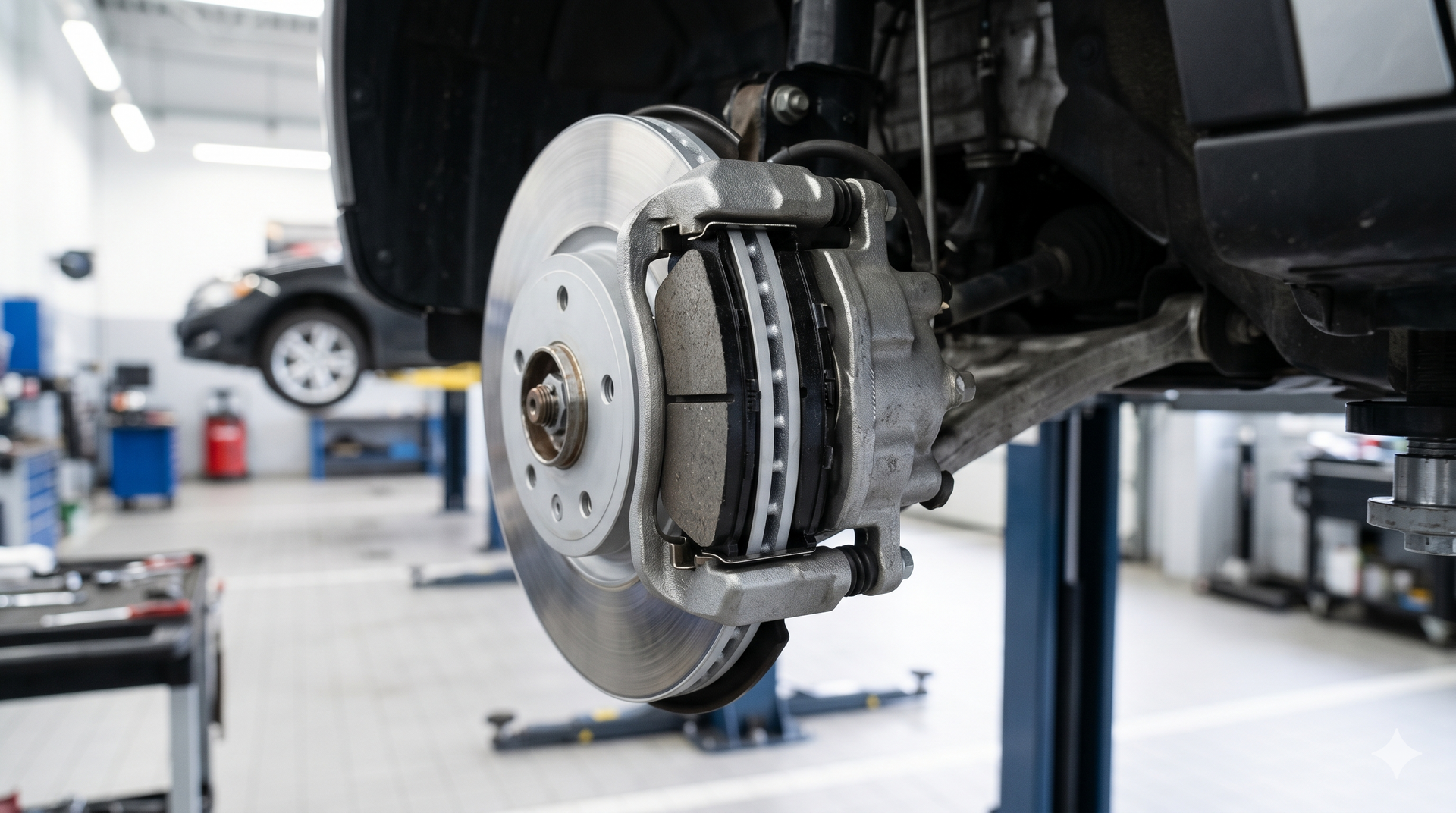
Most passenger vehicles require brake pad replacement every 30,000 to 70,000 miles. However, this range is highly variable depending on your driving environment, vehicle weight, and the composition of the brake pads. To ensure safety, you should have your braking system inspected at every oil change or at least every six months.
Understanding the Typical Brake Replacement Interval
Determining exactly when to replace brakes is rarely as simple as checking the odometer. While the industry standard often lands between 30,000 and 70,000 miles, the physical condition of the friction material is the only definitive metric for replacement. Brake pads are designed to wear down by design; they sacrifice their own material to generate the friction necessary to stop several thousand pounds of moving metal.
In 2026, modern vehicle sensor suites have become more adept at predicting pad life, but manual verification remains the gold standard. For most drivers, the front brakes will wear out significantly faster than the rear brakes. This is because the front of the car dives during deceleration, shifting the weight forward and requiring the front calipers to handle roughly 60% to 80% of the braking force. Consequently, it is common to replace front pads twice for every one rear pad replacement.
If you primarily drive on highways with minimal traffic, you may see your brakes last well beyond 80,000 miles. Conversely, a delivery driver in a dense urban environment like New York or London might find their pads worn to the metal in under 20,000 miles. Understanding the variables that influence this wear can help you predict when your next service appointment will be necessary and help you budget for the associated costs.
Primary Factors Influencing Brake Longevity
Brake wear is a result of kinetic energy being converted into thermal energy. Anything that increases the frequency or intensity of this conversion will shorten the lifespan of your braking components.
Driving Habits and Style
The "how" of your driving is often more important than the "where." Drivers who engage in "two-foot driving" (keeping one foot on the gas and one on the brake) often apply light, constant pressure to the brake pedal, known as "riding the brakes." This generates constant heat and friction, causing premature wear and potential glazing of the pads.
Furthermore, aggressive drivers who accelerate quickly and brake late force the braking system to dissipate a massive amount of heat in a short window. This high-intensity friction wears down the pads much faster than gradual, defensive braking. Practicing "engine braking" or simply coasting toward a red light can significantly extend the life of your pads by using the vehicle's aerodynamics and engine compression to reduce speed.
Environmental Conditions
The geography and climate of your primary driving routes play a massive role. In mountainous regions, long descents require prolonged brake application, which can lead to "brake fade"—a condition where the pads and rotors become so hot they can no longer generate effective friction. Over time, this heat cycles the metal, leading to warped rotors and hardened, less effective pad surfaces.
Climate also introduces chemical factors. In northern regions where road salt is used during the winter of 2026, corrosion can build up on the brake calipers and slide pins. If the calipers become stuck or "seized" due to rust, the pads may remain in contact with the rotor even when you aren't pressing the pedal, leading to rapid wear and decreased fuel economy.
Vehicle Weight and Load
Physics dictates that a heavier object requires more force to stop. A compact sedan will naturally get more mileage out of its brakes than a full-size SUV or a heavy-duty pickup truck. If you frequently tow trailers or carry heavy payloads, your brakes are under significantly more stress. Drivers of electric vehicles (EVs) experience a unique dynamic; while EVs are much heavier due to their battery packs, they utilize regenerative braking, which uses the electric motor to slow the car. This can often extend the life of physical brake pads to 100,000 miles or more, as the mechanical brakes are only used for hard stops or the final few mph of deceleration.
Identifying the Signs of Worn Brakes
Waiting for a specific mileage count to replace brakes is risky. Instead, drivers should stay alert for the physical and auditory cues that indicate the friction material has reached its limit.
Auditory Warnings: Squealing and Grinding
Most modern brake pads are equipped with a "wear indicator"—a small metal tab designed to contact the rotor when the pad thickness reaches a critically low level (usually around 2mm to 3mm). This creates a high-pitched squealing sound when the brakes are applied, or sometimes when the car is moving but the brakes are released.
If you hear a deep, metallic grinding or growling noise, the friction material is likely completely gone. This "metal-on-metal" contact means the steel backing plate of the pad is rubbing directly against the cast-iron rotor. This is a safety emergency; not only is stopping power severely compromised, but the rotors will be destroyed within miles, significantly increasing the cost of the repair.
Physical Feedback: Pulsation and Soft Pedals
If you feel a rhythmic vibrating or pulsing through the brake pedal when slowing down, it usually indicates a "warped" rotor or uneven deposits of pad material on the rotor surface. This often happens after the brakes have been subjected to extreme heat.
A "soft" or "spongy" brake pedal—where you have to press the pedal nearly to the floor to stop—indicates an issue with the hydraulic system rather than the pads themselves. This could be caused by air in the brake lines or moisture contamination in the brake fluid. Brake fluid is hygroscopic, meaning it absorbs water from the air over time. By 2026, most manufacturers recommend flushing brake fluid every two to three years regardless of mileage to prevent internal corrosion and maintain a high boiling point.
Dashboard Warning Lights
Most vehicles manufactured in the last decade include a dedicated brake warning light. This may appear as a red or yellow exclamation point inside a circle, or simply the word "BRAKE." This light can trigger for several reasons:
- The parking brake is engaged.
- The brake fluid level is dangerously low (often a sign that the pads are very thin, as the fluid moves into the calipers to fill the gap).
- A sensor has detected that the brake pads have reached their wear limit.
Comparison of Brake Pad Materials
When it comes time for replacement, the material you choose will dictate how many miles you get until the next service. There is no "best" material, only the material best suited for your specific vehicle and driving style.
| Pad Material | Typical Lifespan (Miles) | Pros | Cons |
|---|---|---|---|
| Organic (NAO) | 30,000 – 50,000 | Quiet, soft on rotors, low cost. | Wears quickly, creates heavy dust, fades under heat. |
| Semi-Metallic | 35,000 – 65,000 | Excellent heat dissipation, durable, high stopping power. | Noisy, creates black dust, wears rotors faster. |
| Ceramic | 50,000 – 75,000+ | Very quiet, extremely long-lasting, very low dust. | Expensive, not ideal for heavy towing or cold climates. |
| Carbon-Ceramic | 100,000+ | Performance-grade, nearly immune to heat fade. | Prohibitively expensive; typically found on supercars. |
Organic Brake Pads
Non-Asbestos Organic (NAO) pads are made from materials like glass, rubber, and resins. They are soft and quiet, making them popular for small, light cars. However, they lack the durability for heavy-duty use and are the most prone to wearing out early in the 30,000-mile range.
Semi-Metallic Brake Pads
These are the most common pads found on vehicles today. Composed of 30% to 65% metal (usually steel, iron, or copper), they are incredibly versatile. They provide the high friction needed for heavy SUVs and trucks but are noisier and produce more brake dust than other types.
Ceramic Brake Pads
Composed of ceramic fibers and non-ferrous filler materials, these are the premium choice for most luxury and daily-driver vehicles in 2026. They handle a wide range of temperatures well and are famous for their longevity. While they cost more upfront, their extended mileage often makes them more cost-effective over the life of the vehicle.
Beyond the Pads: Rotors, Calipers, and Hardware
When you ask how many miles brakes last, you must consider the entire system. Replacing just the pads (often called a "pad slap") is sometimes acceptable, but ignoring the supporting hardware can lead to premature failure of the new pads.
Brake Rotors
Rotors (the discs the pads grip) do not need to be replaced every time the pads are. Generally, a set of rotors can last through two or even three sets of pads, depending on their thickness and condition. However, rotors can develop "scoring" (grooves) or rust pits. In 2026, many technicians recommend replacing rotors with every pad change because modern rotors are made thinner to save weight, often leaving insufficient material to "resurface" or "turn" them on a lathe.
Brake Calipers
Calipers are the hydraulic clamps that house the pads. These are designed to last the life of the vehicle, often reaching 150,000 miles or more. However, the rubber seals and boots can perish, leading to fluid leaks or seized pistons. If a caliper fails, it often causes one brake pad to wear down much faster than the one on the opposite side of the car.
Hardware and Lubrication
Brake "hardware" includes the clips, springs, and slide pins that allow the pads to move freely. These components are subjected to extreme heat and road grime. Replacing this hardware with every pad change—and ensuring the slide pins are lubricated with high-temperature silicone grease—is vital to ensuring the pads wear evenly and reach their maximum mileage potential.
Estimating Replacement Costs in 2026
As of 2026, the cost of a brake job varies based on your vehicle's make and the quality of the parts selected. For a standard passenger car, you can expect to pay:
- Pads Only (Per Axle): $150 – $300, including labor.
- Pads and Rotors (Per Axle): $400 – $700, including labor.
- Premium or Performance Brakes: $800+ per axle.
While DIY replacement is an option for those with the proper tools and safety equipment (like jack stands), the braking system is the most critical safety feature of your vehicle. If you are unsure about any step of the process, professional installation is highly recommended to ensure the system is properly bled and the pads are correctly "bedded in."
Maintenance Steps to Extend Brake Life
To maximize the miles between replacements, follow these expert-vetted maintenance tips:
- Flush the Fluid: Change your brake fluid every 2 years or 30,000 miles to prevent internal corrosion.
- Clean and Adjust: If you live in a "salt belt" region, have a technician clean and lubricate the brake sliders annually to prevent seizing.
- Lighten the Load: Avoid carrying unnecessary weight in your trunk or cargo area.
- Practice Coasting: Anticipate traffic flow. If you see a red light ahead, lift off the throttle early rather than maintaining speed until the last moment.
- Wash Your Wheels: Frequently washing your wheels helps remove abrasive brake dust and road salt that can accelerate wear on the rotors and seals.
Frequently Asked Questions
Why do my new brakes squeak?
New brakes may squeak if they were not properly "bedded in." Bedding is the process of performing several controlled stops to transfer a thin layer of pad material onto the rotor surface. Squeaking can also occur if the technician failed to apply "anti-squeal" lubricant to the back of the pads or if the pads are made of a high-metal content.
Can I replace just the front brakes?
Yes. Because the front brakes perform the majority of the stopping work, they almost always wear out faster than the rear brakes. It is perfectly standard to replace the front pads while leaving the rear pads if they still have sufficient thickness (typically 4mm or more).
How do I check my brake pad thickness myself?
On many vehicles with alloy wheels, you can see the brake pads through the spokes. Use a flashlight to look at the caliper. You will see the metal backing plate of the pad and the friction material pressed against the rotor. If the friction material looks thinner than the metal backing plate, it is time for a replacement.
Does regenerative braking mean I never change my brakes?
No, but it significantly extends the interval. Even in EVs, the mechanical brakes are used for emergency stops, holding the car at a standstill, and when the battery is too full or too cold to accept regenerative energy. Owners of EVs should still have their brakes inspected annually to ensure the calipers haven't seized due to disuse.
Is it safe to drive with the brake light on?
No. A brake warning light indicates either a hydraulic failure, low fluid, or critically worn pads. In any of these scenarios, your stopping distance could be significantly increased, or the brakes could fail entirely. Have the vehicle towed or inspected immediately.
Practical Recommendation
To ensure the safety of yourself and your passengers in 2026, do not rely solely on a mileage number. The most effective strategy is to request a brake thickness measurement during every tire rotation or oil change. Most service centers will provide a report showing the remaining millimeters of pad life. Once your pads reach 3mm, start planning for a replacement; once they hit 2mm, replace them immediately to avoid rotor damage and safety risks.