Securing affordable homes in Atlanta GA requires navigating a competitive housing market by leveraging municipal assistance programs, understanding income-restricted developments, and targeting specific neighborhoods where price points remain accessible relative to the regional median.
The Atlanta real estate landscape presents a distinct challenge for prospective buyers. While the city has experienced sustained economic growth and population influx over the past decade, rapid appreciation in property values has compressed the inventory of lower-priced single-family houses, townhomes, and condominiums. For median-income households, teachers, first responders, and service workers, buying a home within city limits requires a strategic approach that goes beyond standard open-market searching.
Successfully buying an affordable home in Atlanta involves more than just finding a low listing price. It requires a comprehensive understanding of down payment assistance programs, community land trusts, income-qualified housing programs administered by the City of Atlanta, and realistic budgeting for property taxes, homeowner association (HOA) fees, and maintenance costs. This guide explores the mechanisms, programs, and geographic areas that make homeownership attainable in the Atlanta metropolitan area.
Understanding the Atlanta Housing Market Landscape
The Atlanta metropolitan statistical area (MSA) encompasses multiple counties, with the City of Atlanta residing primarily in Fulton and DeKalb counties. Housing costs vary dramatically depending on proximity to the urban core, transit access, and school district performance. Properties inside the perimeter (ITP)—meaning areas encircled by the Interstate 285 highway loop—tend to command higher prices per square foot, particularly in neighborhoods like Midtown, Inman Park, Virginia-Highland, and the booming Westside.
Conversely, neighborhoods outside the perimeter (OTP) or emerging pockets in South and Southwest Atlanta often present more attainable price points. However, buyers must evaluate how transportation costs offset housing savings. Commuting from distant suburbs can erase the financial benefits of a cheaper purchase price through higher fuel expenses and vehicle wear. Furthermore, the Atlanta market features several distinct housing types that impact affordability:
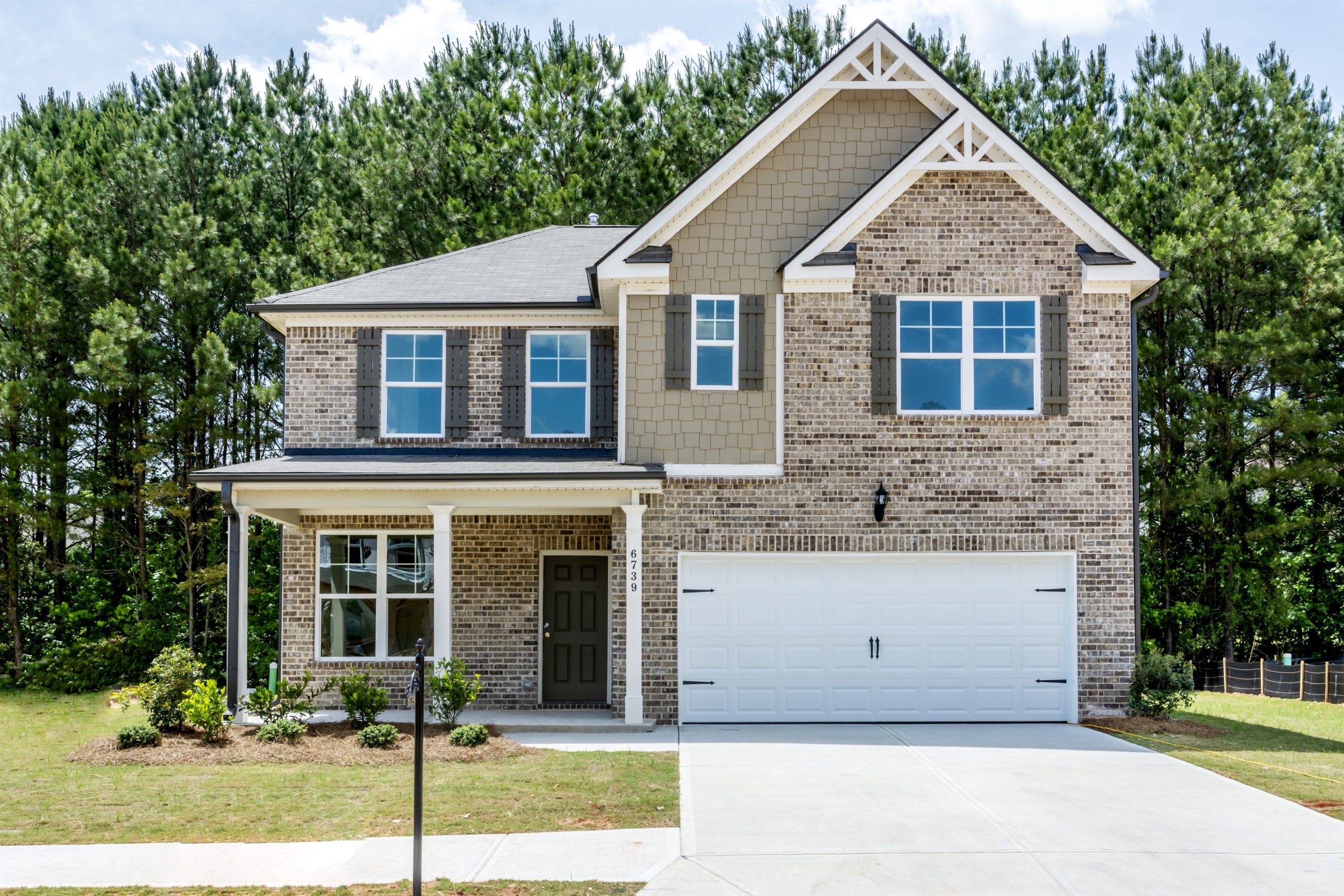
- Single-Family Detached Homes: Historically the most desired asset class, but increasingly scarce under the $350,000 threshold within city limits.
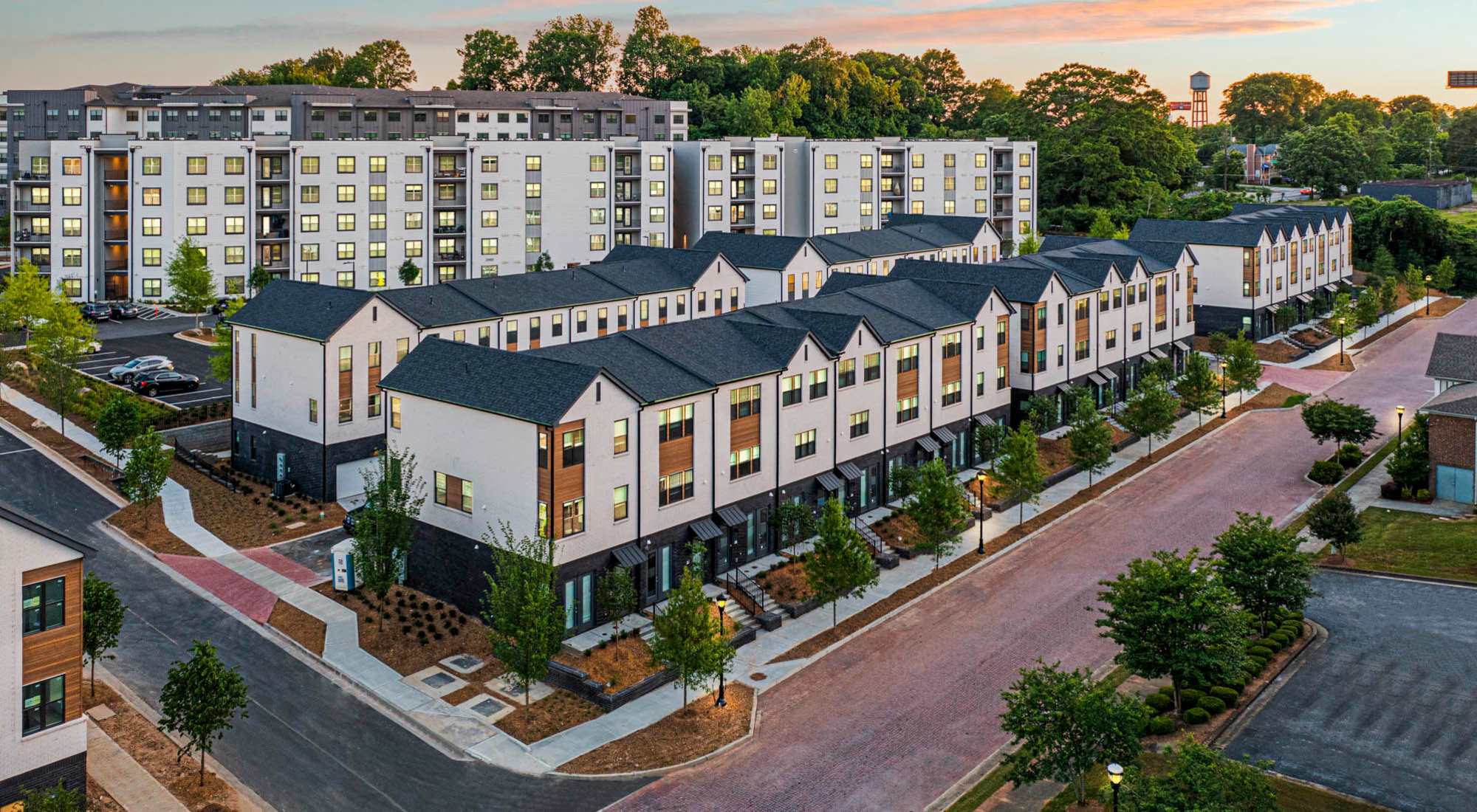
- Townhomes: Offer a middle ground, combining multi-story living with shared exterior maintenance, though monthly HOA fees must be factored into debt-to-income ratios.
- Condominiums: Often provide the lowest entry price point into high-demand urban corridors, though buyers must review association health, reserve funds, and rental restrictions.
City-Backed Programs and Financial Assistance
The City of Atlanta, through organizations like Invest Atlanta (the city's economic development authority), offers targeted financial assistance programs designed to bridge the gap for low- to moderate-income homebuyers. These programs help mitigate the primary barrier to entry: accumulating sufficient capital for a down payment and closing costs.
Atlanta Affordable Housing Fund and Related Initiatives
Invest Atlanta administers several homeownership programs tailored to specific income tiers and professions. These programs typically require buyers to complete an 8-hour HUD-approved homebuyer education course and commit to a minimum residency period (often 5 years) to forgive soft-second loans or grants.
- ATL Home HOP (Homeownership Program): Provides eligible first-time homebuyers with down payment and closing cost assistance, frequently structured as a zero-interest, deferred-payment loan that is forgiven over time.
- Employer-Assisted Housing (EAH) Programs: Many major Atlanta employers, hospitals, and universities partner with Invest Atlanta to offer matching funds or direct grants for employees purchasing homes within specific city districts.
- Targeted Neighborhood Programs: Special revitalization zones often feature enhanced subsidies for buyers willing to purchase in designated reinvestment areas.
Federal and State Financing Tools
Beyond municipal programs, buyers should evaluate state and federal loans that lower down payment requirements:
- FHA Loans: Backed by the Federal Housing Administration, these loans permit down payments as low as 3.5% with flexible credit score requirements, though they require mortgage insurance premiums (MIP).
- VA Loans: Available to eligible veterans and active-duty military, offering 100% financing with no private mortgage insurance (PMI).
- Georgia Dream Homeownership Program: Offers standard conventional and government-insured first mortgage financing combined with down payment assistance loans for qualified low- and moderate-income buyers throughout the state.
Community Land Trusts and Shared Equity Models
For buyers who find open-market single-family homes out of reach, community land trusts (CLTs) offer an alternative path to homeownership that permanently preserves affordability.
Organizations like the Atlanta Land Trust (ALT) acquire land and sell the homes built upon it while retaining ownership of the underlying land through a long-term ground lease. When the homeowner decides to sell, they agree to a resale formula that limits the appreciation price. This ensures the home remains affordable for the next low- or moderate-income buyer while allowing the current owner to build moderate equity.
How Community Land Trusts Work
- Eligibility: Buyers must meet specific Area Median Income (AMI) thresholds, typically falling between 50% and 80% of the Atlanta-Sandy Springs-Roswell HUD AMI.
- Purchase: The buyer secures a traditional mortgage for the structure while the land cost is subsidized.
- Resale Cap: Equity accumulation is balanced, providing the seller with a fair return on their investment while keeping the property priced for future workforce buyers.
Neighborhood Analysis: Where to Look for Value
Identifying affordable homes in Atlanta GA requires looking beyond headline-grabbing neighborhoods and exploring areas undergoing revitalization or those historically undervalued. While market conditions fluctuate, certain geographic sectors consistently offer higher inventory concentrations at accessible price points.
| Sector / Direction | General Price Trend | Key Neighborhood Examples | Infrastructure & Transit Access |
|---|---|---|---|
| South Atlanta | Moderate to Low | Peoplestown, Thomasville Heights, Lakewood Heights | Access to BeltLine Southside Trail, bus routes, proximity to downtown. |
| West Atlanta | Moderate | Bankhead, Grove Park, Adamsville | Close to Proctor Creek Greenway, MARTA rail stations, Microsoft quarry site development. |
| East/Southeast Atlanta | Mixed (Rapid Appreciation) | Boulevard Heights, Ormewood Park (edges), Gresham Park | MARTA bus lines, growing commercial corridors, varying school options. |
| Outer Metro (OTP) | Lower per sq. ft. | College Park, East Point, Hapeville, parts of Clayton County | Suburban layout, commuter rail/bus access, established municipal services. |
Step-by-Step Guide to Buying an Affordable Home in Atlanta
Navigating the home-buying process requires a structured sequence of steps to ensure financial readiness and competitive positioning in a fast-moving market.
- Assess Financial Health and Credit: Pull credit reports, correct errors, and pay down revolving debt. Lenders look closely at your debt-to-income (DTI) ratio, ideally keeping total monthly debt obligations below 43% of gross monthly income.
- Complete Homebuyer Education: Register for a HUD-approved homebuyer workshop. Certification is mandatory for most down payment assistance programs in Fulton and DeKalb counties.
- Secure Pre-Approval: Work with a mortgage lender experienced in down payment assistance programs and bond loans. Pre-approval establishes your verified budget and signals serious intent to sellers.
- Partner with a Knowledgeable Agent: Choose a real estate agent who specializes in first-time buyers, affordable housing programs, and the specific Atlanta neighborhoods you are targeting.
- Search and Inspect: Tour properties, keeping long-term maintenance costs in mind. Always obtain a professional home inspection to identify structural, plumbing, or electrical issues that could create severe financial burdens later.
- Close and Maintain: Review closing disclosures carefully, finalize your loan, and establish a monthly maintenance fund to protect your investment.
Common Pitfalls to Avoid
Navigating the affordable housing sector involves distinct risks that can derail a purchase or create post-closing financial distress.
- Ignoring HOA and Condo Fees: A townhome or condo may feature an attractive purchase price, but high monthly association fees can push your total monthly housing payment above your comfort threshold. Furthermore, check the association's reserve fund study; underfunded reserves often lead to sudden, expensive special assessments.
- Overlooking Property Tax Variations: Atlanta spans multiple tax districts and counties (primarily Fulton and DeKalb). Tax rates and exemption rules (such as homestead exemptions) vary significantly and directly impact your ongoing monthly escrow payments.
- Failing to Verify Program Restrictions: Down payment assistance programs and land trust properties come with strict occupancy requirements. Renting out the property or selling it before the restriction period expires can trigger severe financial penalties or repayment mandates.
- Waiving Inspections in Competitive Sub-Markets: While multiple-offer scenarios are common, waiving a home inspection to win a contract on an older, lower-priced home can result in catastrophic, unbudgeted repair costs.
Frequently Asked Questions
What income qualifies a buyer for affordable housing programs in Atlanta?
Eligibility depends on the specific program, but most city-backed initiatives target households earning between 50% and 120% of the Area Median Income (AMI) for the Atlanta-Sandy Springs-Roswell HUD metro area. Limits are adjusted based on household size.
Are there grants available that do not need to be repaid?
Yes. Several municipal and employer-assisted housing programs offer forgivable grants or soft-second loans. These funds do not require repayment as long as the buyer fulfills the occupancy requirement, which typically mandates living in the home as a primary residence for a specified number of years (often 5 years).
How much do I need saved for a down payment in Atlanta?
While conventional wisdom suggests 20% down, many Atlanta buyers utilize programs requiring far less. FHA loans permit 3.5% down, and various state and local assistance programs can cover all or part of the down payment and closing costs, reducing out-of-pocket expenses for qualified buyers.
Can I use down payment assistance with any mortgage lender?
No. Down payment assistance programs administered by Invest Atlanta or the Georgia Department of Community Affairs require you to work with participating lenders who have been approved to originate those specific loan products.
What is the difference between ITP and OTP when searching for homes?
ITP stands for "Inside the Perimeter" (inside the Interstate 285 loop), encompassing the urban core and older city neighborhoods. OTP stands for "Outside the Perimeter," referring to the surrounding suburbs. ITP properties generally feature higher density and pricing, while OTP options often offer larger square footage and yards for lower price points.
Next Actions for Prospective Buyers
Begin your journey by checking your credit score and gathering documentation of your income, tax returns, and bank statements. Next, schedule a consultation with a HUD-approved housing counseling agency in Atlanta to discuss eligibility for municipal assistance programs before entering the active property market.