An affordable healthcare marketplace is an online platform—typically operated by state or federal governments—where individuals and small businesses can compare health insurance plans, check financial assistance eligibility, and enroll in coverage that meets their needs and budget.
Understanding the Affordable Healthcare Marketplace
Navigating the landscape of health insurance can feel overwhelming, particularly for individuals who do not receive coverage through an employer or a government program like Medicare or Medicaid. The affordable healthcare marketplace was designed to simplify this process by establishing a centralized, transparent environment where consumers can evaluate various health plans side-by-side. Authorized under the Patient Protection and Affordable Care Act (ACA), these marketplaces provide a structured framework for purchasing individual and family health insurance.
The primary objective of these exchanges is to increase the availability of health insurance to millions of uninsured individuals while driving transparency across the industry. Consumers can log into a single portal to review health plans offered by private insurance companies. Every plan listed on the marketplace must meet specific federal standards, ensuring that policyholders receive a baseline of essential health benefits regardless of which company they choose.
Core Features and Essential Health Benefits
One of the defining characteristics of marketplace health plans is that they are mandated to cover a comprehensive set of services known as essential health benefits (EHBs). This ensures that consumers do not purchase plans that omit critical care. By standardizing these requirements, the marketplace removes much of the guesswork associated with evaluating policy exclusions.
The ten mandatory categories of essential health benefits include:
- Ambulatory patient services (outpatient care received without being admitted to a hospital)
- Emergency services and hospitalization
- Maternity and newborn care
- Mental health and substance use disorder services, including behavioral health treatment
- Prescription drugs
- Rehabilitative and habilitative services and devices to help people recover or maintain skills
- Laboratory services
- Preventive and wellness services and chronic disease management
- Pediatric services, including oral and vision care for children
In addition to these covered benefits, marketplace plans are structured around standardized coverage tiers, often referred to as "metal levels." These tiers categorize plans based on how costs are shared between the insurer and the policyholder, rather than the quality of medical care provided.
| Metal Level | Approximate Insurance Contribution | Approximate Consumer Contribution | Typical Cost Profile |
|---|---|---|---|
| Bronze | 60% | 40% | Lowest monthly premiums, highest out-of-pocket costs when receiving care. |
| Silver | 70% | 30% | Moderate monthly premiums, moderate out-of-pocket costs; required tier for cost-sharing reductions. |
| Consultation / Gold | 80% | 20% | Higher monthly premiums, lower out-of-pocket expenses. |
| Platinum | 90% | 10% | Highest monthly premiums, lowest out-of-pocket costs for frequent medical care. |
Financial Assistance and Subsidy Eligibility
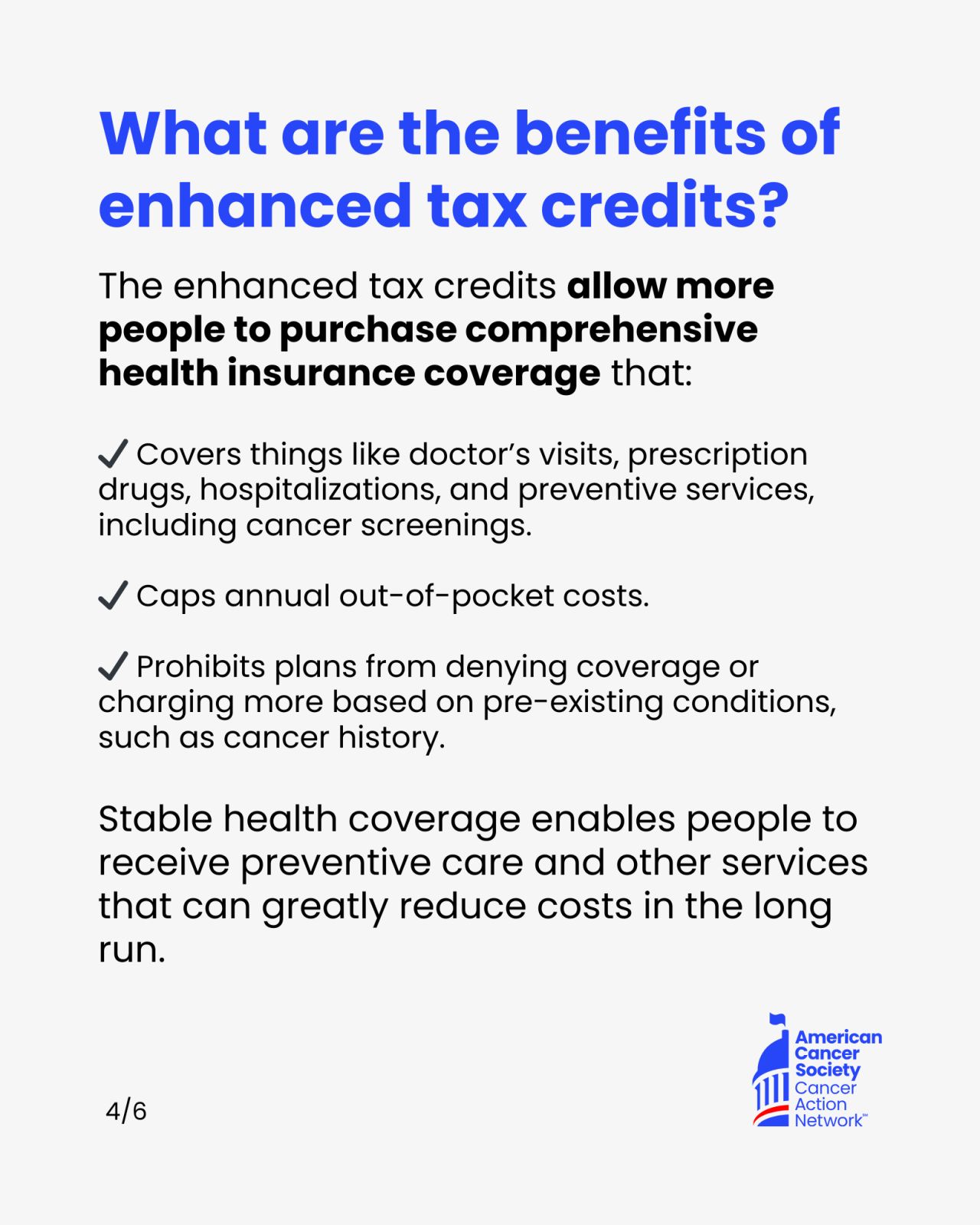
A cornerstone of the affordable healthcare marketplace is the availability of financial assistance designed to lower the cost of coverage for eligible individuals and households. Without these subsidies, commercial health insurance premiums can stretch household budgets. The marketplace evaluates applicant data to determine qualification for two primary forms of financial relief: premium tax credits and cost-sharing reductions.
Premium Tax Credits
Premium tax credits are financial subsidies that lower the amount a consumer pays for their monthly health insurance premium. These credits are calculated based on household size and projected annual modified adjusted gross income (MAGI) relative to the federal poverty level (FPL). Consumers can choose to have these tax credits paid directly to their insurance company each month, reducing their out-of-pocket monthly invoice immediately, or they can wait to claim the total amount as a credit when filing their federal income taxes.
Cost-Sharing Reductions
Cost-sharing reductions (CSRs) provide additional financial relief specifically for out-of-pocket expenses, such as deductibles, copayments, and coinsurance. To qualify for CSRs, an applicant must enroll in a plan specifically within the Silver metal tier and have a household income that falls within a specified percentage of the federal poverty level (typically between 100% and 250% of the FPL). When a qualified individual selects a Silver plan, the insurance company adjusts the cost-sharing parameters, making medical visits and prescriptions significantly more affordable.
Enrollment Periods and Eligibility Requirements
Accessing the marketplace is governed by strict temporal windows and eligibility criteria. Generally, individuals cannot sign up for a health plan at any time of year. Instead, enrollment is restricted to designated periods to maintain risk pools that are stable for insurers.
Open Enrollment vs. Special Enrollment
The primary avenue for securing coverage is the annual Open Enrollment Period (OEP). During this timeframe, any eligible individual can sign up for a new plan, switch plans, or drop coverage. For those who miss the standard open enrollment window, coverage can usually only be obtained by qualifying for a Special Enrollment Period (SEP). An SEP is triggered by specific life events that alter a person's insurance status, such as:
- Losing qualifying health coverage (e.g., aging off a parent's plan or losing job-based insurance)
- Experiencing changes in household composition (e.g., marriage, birth, or adoption of a child)
- Moving to a new zip code or state that changes available plan options
- Gaining citizenship or experiencing other qualifying status changes
Basic Eligibility Criteria
To be eligible to use the marketplace and potentially qualify for financial assistance, an applicant must meet several foundational requirements:
- Be a U.S. citizen or national, or be a non-citizen who is lawfully present in the United States.
- Live in the United States.
- Not be incarcerated.
- Not be enrolled in Medicare (though individuals on Medicare may have other coverage evaluation pathways).
Frequently Asked Questions
What happens if my income changes during the year after I enroll?
Life events and fluctuations in income must be reported to the marketplace promptly. Because premium tax credits are estimated based on projected income, a significant raise, job loss, or change in household size can impact subsidy amounts. Updating these details ensures that tax credits are adjusted in real-time, preventing unexpected tax liabilities or underpaid credits when filing annual tax returns.
Are pre-existing conditions covered under marketplace plans?
Yes. Under the rules governing the marketplace, insurance companies cannot deny coverage or charge higher premiums based on pre-existing medical conditions. All essential health benefits must be covered regardless of a patient's medical history.
Can small businesses use the marketplace?
Yes, small businesses with typically fewer than 50 full-time equivalent employees can utilize the Small Business Health Options Program (SHOP) marketplace to offer health and dental coverage to their employees, and they may qualify for the Small Business Health Care Tax Credit.
Do I have to use the government website, or can I get help signing up?
While consumers can apply directly through official state or federal websites, free assistance is widely available. Certified application counselors, navigators, and licensed insurance agents or brokers can guide applicants through the process without charging a fee for marketplace enrollment assistance.
Next Actions for Prospective Enrollees
For individuals seeking coverage through the affordable healthcare marketplace, the initial step is to gather necessary financial documents, such as recent tax returns or pay stubs, to estimate household income accurately. Next, visit the official federal portal at HealthCare.gov or the designated state-run exchange website to create an account, complete the application questionnaire, and review customized plan options. Evaluating estimated annual medical needs alongside monthly premium costs will help identify the most appropriate metal tier and network structure for individual or family circumstances.