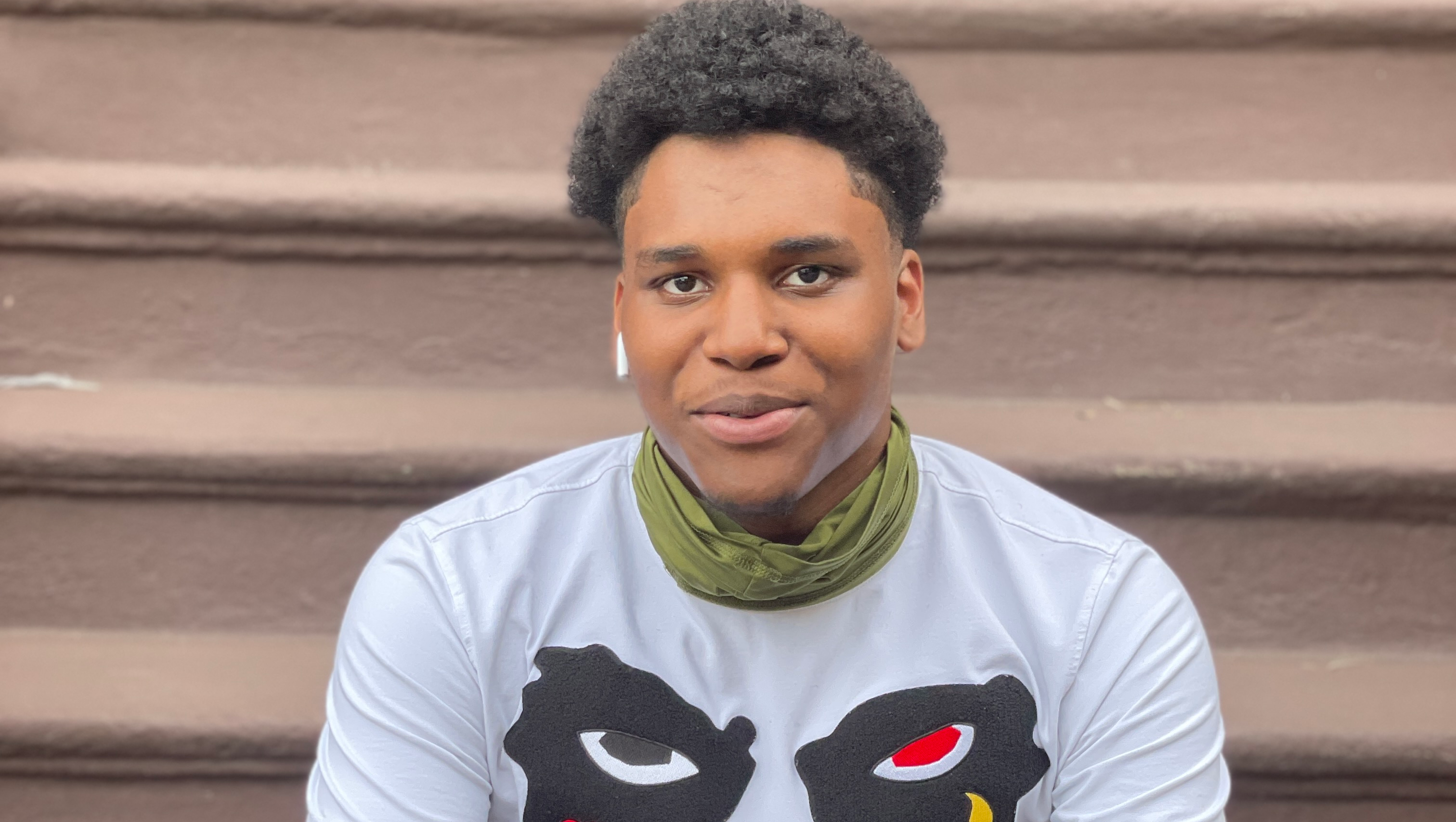
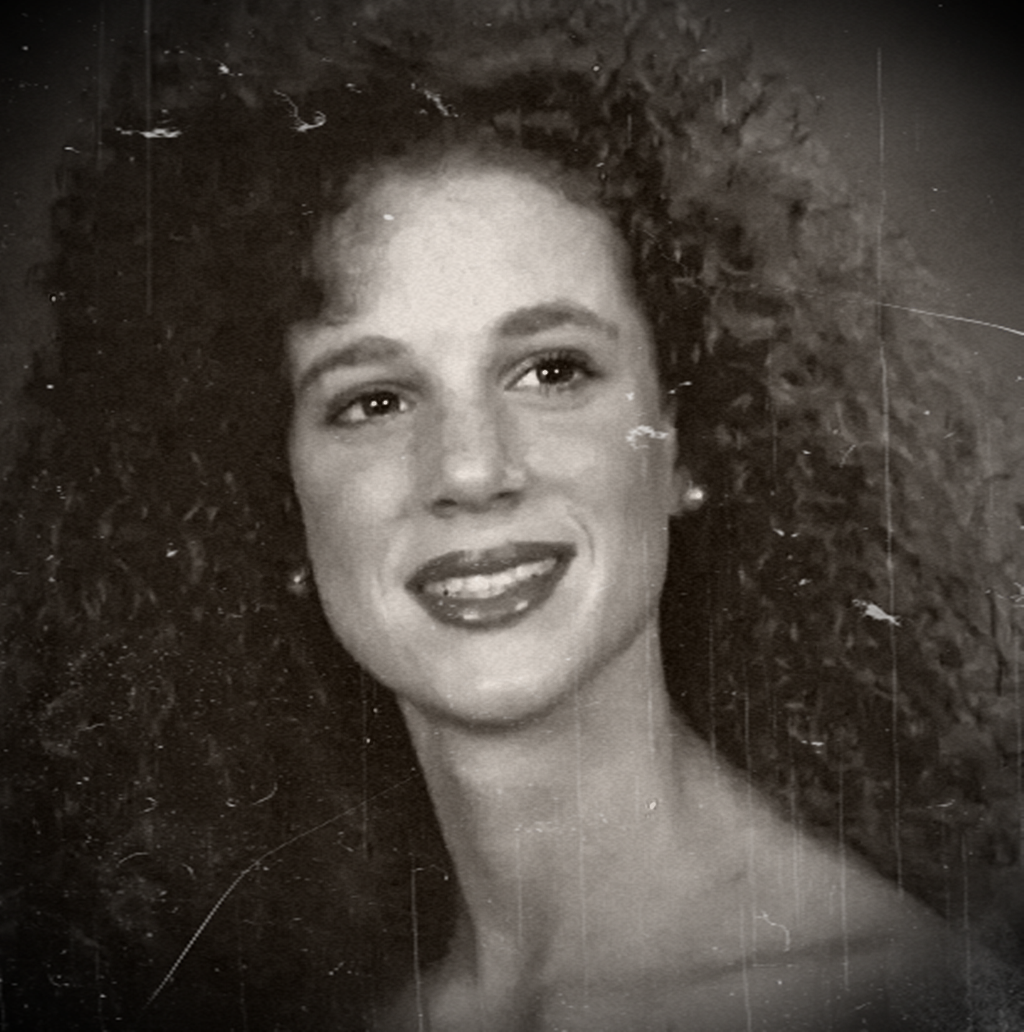
The death of Jennifer Harris in May 2011 remains one of Texas's most scrutinized cold cases. Her mother, Afeni Muhammad, has spent over a decade advocating for transparency and accountability, highlighting systemic failures in the initial investigation. As of 2026, the case serves as a landmark for missing persons advocacy and procedural reform.
The Disappearance and Discovery of Jennifer Harris
In May 2011, Jennifer Harris was a 28-year-old woman with a promising future, known for her athletic prowess as a former basketball standout at Stephen F. Austin State University and Penn State. Her disappearance from the small town of Bonham, Texas, sent shockwaves through the community and initiated a decade-long struggle for answers.
The Events of May 12, 2011
Jennifer was last seen on the evening of May 12, 2011. According to witness statements and investigation logs, she was heading to meet a friend. However, she never arrived. When she failed to return home or answer her phone, her family immediately sensed something was wrong. Jennifer was known for her reliability and close communication with her mother, then known as Bettye Harris (who later took the name Afeni Muhammad).
Her vehicle, a green Jeep Liberty, was discovered abandoned the following morning on a remote road near the Red River. The car was unlocked, and while her personal belongings were inside, Jennifer was nowhere to be found. This immediate discovery should have triggered an intensive forensic sweep, but as Afeni Muhammad would later argue, the early hours of the investigation were plagued by a lack of urgency.
Discovery in the Red River
Six days after she went missing, Jennifer's body was found by fishermen in the Red River, specifically in a tributary known as the Bois d’Arc Creek. The circumstances of the discovery were harrowing. Her body was nude, and the condition of the remains suggested she had been in the water for several days.
The initial autopsy was conducted by the Dallas County Medical Examiner’s Office. Because of the state of decomposition and the length of time spent in the water, a definitive cause of death was difficult to establish. While there were no obvious gunshot wounds or stabbings, the medical examiner ruled the death a homicide by unspecified means. This "undetermined" cause of death became a significant hurdle for prosecutors in the years that followed, as it allowed for defense theories regarding accidental drowning, despite the suspicious circumstances surrounding her abandoned vehicle and the location of her body.
The Role of Afeni Muhammad in Seeking Accountability
The persistence of the case in the public eye is almost entirely due to the efforts of Jennifer’s mother, Afeni Muhammad. Formerly known as Bettye Harris, she adopted her new name as part of a personal and spiritual transformation during her years of grief and activism.
A Mother’s Transformation into an Advocate
Afeni Muhammad did not merely mourn; she became a self-taught investigator and a vocal critic of the Fannin County Sheriff’s Office. Her advocacy centered on the belief that the initial investigation was mishandled due to a combination of professional negligence and underlying racial biases. Jennifer was a Black woman in a predominantly white rural county, and Muhammad argued that the case did not receive the resources or the "all-hands-on-deck" approach that other disappearances might have garnered.
Muhammad’s work involved:
- Organizing annual marches and vigils to ensure the community did not forget Jennifer.
- Lobbying state officials to involve the Texas Rangers more deeply in the case.
- Utilizing social media platforms to maintain a digital footprint for the investigation.
- Partnering with private investigators and true-crime podcasters to unearth new witnesses.
Challenging the Fannin County Investigation
The friction between Afeni Muhammad and local law enforcement is a well-documented aspect of the case. Muhammad pointed to several specific failures:
- Chain of Custody: Concerns were raised regarding how Jennifer’s vehicle was processed. Initial reports suggested that the car was released to the family before exhaustive forensic testing for DNA or trace evidence was completed.
- Delayed Statements: Key witnesses and individuals who were among the last to see Jennifer were not interviewed in depth until days or weeks after the disappearance.
- Communication Gaps: For years, Muhammad claimed that the Sheriff’s Office withheld basic information from the family, citing the "ongoing investigation" as a reason for silence, which she interpreted as a lack of progress.
Key Suspects and Persons of Interest
While no one has been convicted of the murder of Jennifer Harris, several names have surfaced repeatedly in police reports and media coverage. The primary focus of public and investigative scrutiny has been on her social circle at the time.
The Relationship with Jim Stillwagon
Jim Stillwagon, a former boyfriend of Jennifer Harris, has long been identified as a person of interest. The two had a complicated relationship, and reports indicated they had met shortly before her disappearance. Stillwagon has consistently denied any involvement in her death.
In the years following the discovery of the body, investigators looked into his movements on the night of May 12. However, the lack of physical evidence linking him directly to the scene at the Red River prevented any formal charges from being filed for over a decade. The case highlighted the difficulty of prosecuting "no-forensic-match" homicides in rural areas where surveillance technology was limited in 2011.
Witness Testimonies and Discrepancies
Other individuals in Bonham provided conflicting accounts of Jennifer's final hours. Some reported seeing her at a local convenience store, while others claimed to see her vehicle traveling toward the river. These discrepancies were exacerbated by the fact that many potential witnesses were not interviewed until memories had faded. Afeni Muhammad’s private investigation team eventually identified individuals who claimed to have seen suspicious activity near the bridge where Jennifer was found, but these leads took years to reach the official case file.
The Impact of Media and Independent Investigations
In the late 2010s and early 2020s, the case of Jennifer Harris experienced a resurgence in interest due to the "true crime" boom. This external pressure proved vital in moving the case forward when the official investigation had stalled.
The "Final Days of Jennifer Harris" Podcast
The podcast The Final Days of Jennifer Harris, produced by investigative journalists and private investigators, provided the most comprehensive look at the case to date. The production team interviewed former law enforcement officers, friends, and family members, uncovering details that had not been part of the public record.
The podcast achieved several things:
- It brought national attention to Fannin County, putting pressure on local officials to reopen the case.
- It provided a platform for Afeni Muhammad to tell the full story of her daughter’s life, humanizing the victim beyond just a "cold case file."
- It utilized modern digital mapping to show the timeline of Jennifer's Jeep, highlighting gaps in the original police timeline.
Breakthroughs and the 2026 Status
By 2026, the investigation into Jennifer Harris’s death has benefited from advancements in forensic technology that were unavailable in 2011. This includes M-Vac wet-vacuum sampling (which can retrieve DNA from porous surfaces like clothing found in water) and advanced cellular triangulation.
The Fannin County District Attorney’s office, under new leadership since the initial investigation, has periodically convened grand juries to review the evidence. While the path to a conviction remains difficult, the case is no longer "dormant." It is currently classified as an active cold case with dedicated resources from the Texas Rangers' Unsolved Crimes Investigation Program.
| Feature/Metric | Initial 2011 Investigation | 2026 Cold Case Status |
|---|---|---|
| Lead Agency | Fannin County Sheriff's Office | Texas Rangers / DA Task Force |
| Forensic Tech | Standard DNA / Fingerprinting | Touch DNA / Advanced Hydrology Modeling |
| Public Status | Local news coverage | National recognition / Digital advocacy |
| Family Role | Grieving family | Afeni Muhammad (Active Lead Advocate) |
| Primary Obstacle | Lack of forensic evidence | Time elapsed / Witness reliability |
| Key Witness Data | Fragmented paper logs | Centralized digital database |
Legal and Social Implications of the Harris Case
The struggle of Afeni Muhammad for her daughter Jennifer has become a case study in the intersection of race, geography, and the American justice system.
Racial Disparities in Missing Person Investigations
Data from organizations like the Black and Missing Foundation suggests that cases involving Black women receive significantly less media attention and fewer law enforcement resources than those involving white women (a phenomenon often called "Missing White Woman Syndrome"). Afeni Muhammad’s public campaign was a direct challenge to this disparity. By refusing to let the case fade, she forced the system to acknowledge a victim that it had seemingly prepared to forget.
Legislative Advocacy
The "Jennifer Harris Effect" in Texas has led to discussions regarding how rural counties handle homicides. There have been calls for legislative changes that would mandate the involvement of the Texas Rangers in any homicide case where a rural sheriff’s office fails to make an arrest within a specific timeframe (e.g., 90 days). This is intended to prevent the "good old boy" network or simple lack of resources from hindering justice.
Frequently Asked Questions
Who is Afeni Muhammad?
Afeni Muhammad is the mother of Jennifer Harris. Formerly known as Bettye Harris, she is a prominent advocate for her daughter’s case and has become a voice for families of missing and murdered Black women. She has spent over 15 years pushing for the prosecution of those responsible for Jennifer’s death.
Where was Jennifer Harris found?
Jennifer Harris was found in the Red River (Bois d’Arc Creek area) in Fannin County, Texas, six days after she went missing in May 2011. Her car had been found abandoned nearby the day after her disappearance.
Has anyone been arrested for the murder of Jennifer Harris?
As of 2026, there have been no formal convictions for the murder. While persons of interest have been identified and grand juries have been convened, the "undetermined" nature of the initial autopsy and the lack of direct physical evidence have made prosecution a significant challenge.
What is the current status of the investigation?
The case is currently handled by the Texas Rangers’ Unsolved Crimes Investigation Program in coordination with the Fannin County District Attorney. It remains an active cold case investigation, with new forensic techniques being applied to old evidence.
Why was the initial investigation criticized?
Critics, including Afeni Muhammad, pointed to the failure to secure the crime scene (the vehicle), delays in interviewing key witnesses, and a general lack of urgency. There were also concerns about racial bias and the effectiveness of small-town law enforcement in handling a complex homicide.
Practical Recommendation for Readers
If you have information regarding the 2011 death of Jennifer Harris, or if you are seeking to support the advocacy work of families in similar positions, consider the following actions:
- Submit Tips: Contact the Texas Crime Stoppers at 1-800-252-TIPS (8477). Even decades later, small details regarding movements or conversations from May 2011 can be the "missing link" for investigators.
- Support Cold Case Legislation: Reach out to your state representatives to support funding for cold case units and mandates for state-level oversight in rural homicide investigations.
- Follow Official Updates: Monitor the Texas Department of Public Safety Unsolved Homicides page for official updates on the Harris case and others.
- Community Advocacy: Support organizations like the Black and Missing Foundation, which provide resources to families like Afeni Muhammad’s who are navigating the complexities of the justice system.