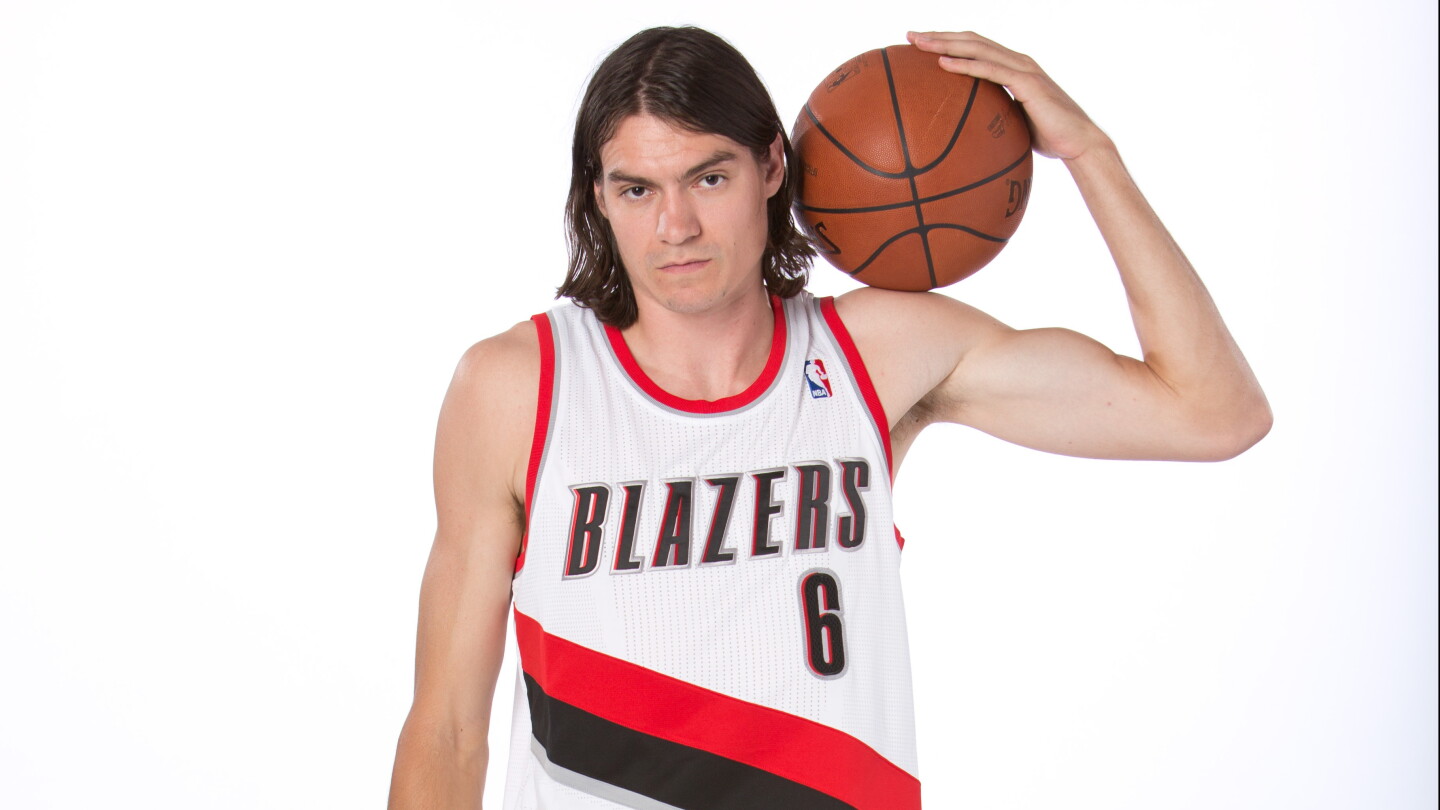
Adam Morrison’s net worth is estimated to be between $5 million and $10 million, accumulated primarily through his rookie-scale NBA contracts, a successful European professional basketball career, and his subsequent transition into collegiate coaching and broadcasting. While early internet speculation frequently exaggerated his wealth based on his high draft position, his actual financial standing reflects a solid, well-managed career in professional sports and coaching.
The public fascination surrounding the financial status of former professional athletes rarely fades, and few figures evoke as much curiosity as Adam Morrison. Known for his legendary college career at Gonzaga University, his status as the third overall pick in the 2006 NBA Draft, and his subsequent two NBA Championships with the Los Angeles Lakers, Morrison’s trajectory offers a compelling case study in sports economics. Understanding the financial reality behind the headlines requires looking past internet rumors and examining verified NBA contracts, overseas earnings, real estate investments, and his current professional endeavors.
The Foundation: Gonzaga Success and the 2006 NBA Draft
Long before professional contracts entered the picture, Adam Morrison cemented his athletic legacy at Gonzaga University. As one of the most prolific scorers in college basketball history during the 2005–2006 season—where he tied for the NCAA Division I scoring title with an average of 28.1 points per game—Morrison captured national attention. This collegiate stardom made him a marquee name heading into the 2006 NBA Draft, where the Charlotte Bobcats selected him with the third overall pick.
In the era preceding the 2011 Collective Bargaining Agreement, rookie wage scales were significantly more lucrative relative to team salary caps. As a top-three draft pick, Morrison signed a multi-year rookie contract with the Charlotte Bobcats that guaranteed substantial earnings right out of college.
- Draft Position: 3rd Overall in 2006 by the Charlotte Bobcats.
- Contract Structure: Standard four-year rookie scale contract with team options for the third and fourth years.
- Estimated Rookie Earnings: Approximately $10 million in base salary over the life of his initial rookie deal before agent fees, federal and state taxes, and escrow withholdings.
These figures represent gross contract values rather than net take-home pay. Professional athletes face high tax burdens, agent commissions typically ranging from 2 to 4 percent, union dues, and standard financial management fees. Nonetheless, this rookie contract formed the bedrock of Adam Morrison's lifetime earnings.
NBA Career Earnings and Team Transitions
Morrison’s professional playing career in the National Basketball Association spanned from 2006 to 2010. After playing two and a half seasons with the Charlotte Bobcats, he was traded to the Los Angeles Lakers in February 2009. Though injuries altered his trajectory and limited his playing time, his tenure with the Lakers resulted in back-to-back NBA Championships in 2009 and 2010.
During his time in the NBA, Morrison earned a guaranteed salary across multiple seasons. While he did not secure a lucrative second-tier veteran contract—the type of multi-million dollar extension that transforms a player's long-term financial portfolio—his rookie scale deal ensured he banked several million dollars during his time in Charlotte and Los Angeles.
| Team | Tenure | Estimated Salary/Earnings Context |
|---|---|---|
| Charlotte Bobcats | 2006–2009 | Primary share of his $10M rookie-scale contract. |
| Los Angeles Lakers | 2009–2010 | Minimum and rookie-scale continuation; part of two championship rosters. |
| Washington Wizards | 2010 | Brief offseason/training camp stint (waived before regular season). |
Following his departure from the NBA, Morrison did not immediately exit the game. Instead, he extended his professional playing career internationally, which contributed further to his cumulative earnings.
International Basketball Career and European Earnings
After his NBA career concluded, Morrison transitioned overseas to extend his playing days and secure additional professional income. In 2011, he signed with Crvena zvezda (Red Star Belgrade) in Serbia, though his stint there was brief. Later that year, he signed with Beşiktaş JK in Turkey, where he played during the 2011–2012 season.
While European salaries for former NBA lottery picks vary widely, playing overseas provided Morrison with competitive compensation, often supplemented by housing allowances, tax-equalization structures, and team-provided transportation. Though these earnings were more modest than his peak NBA rookie salary, they added a healthy six-figure sum to his overall financial portfolio during a time when many former players face immediate post-career income drops.
Post-Playing Career: Coaching and Broadcasting
Retiring from active play in 2012 at a relatively young age necessitated a shift toward long-term career sustainability. Rather than disappearing from the sport, Morrison leveraged his deep basketball IQ and educational background—having earned his degree from Gonzaga—to build a stable second career in coaching and sports media.
Morrison returned to his alma mater, Gonzaga University, joining Mark Few’s coaching staff as an assistant coach and later serving in operational and analytical capacities. Collegiate coaching roles at major Division I programs provide stable, upper-middle-class to high-earning salaries, depending on the tier of the program and tournament bonuses.
In addition to coaching, Morrison established himself as a respected voice in regional sports media. He co-hosts popular basketball podcasts and provides expert analysis on Gonzaga broadcasts. This dual-stream professional life ensures steady, recurring income independent of his past playing days, protecting his capital from the depletion risks that frequently affect retired athletes.
Wealth Management, Assets, and Lifestyle
Evaluating any high-profile athlete's net worth requires examining asset management, real estate holdings, and lifestyle choices. Unlike professional athletes who exhaust their fortunes through lavish spending, high-risk investments, or poor financial advisory, Morrison has maintained a notably low-key, grounded lifestyle.
- Real Estate: Morrison has primarily maintained ties to the Pacific Northwest, particularly the Spokane, Washington area, where real estate markets have appreciated steadily over the past two decades.
- Investment Conservatism: Financial biographies and reports indicate that Morrison avoided high-burn entrepreneurial ventures or volatile speculative markets, favoring traditional asset accumulation and real estate security.
- Low Public Profile: By avoiding high-maintenance celebrity expenses, luxury car collections, or high-cost urban centers like Los Angeles or New York for full-time residency, Morrison preserved a high percentage of his career earnings.
Common Misconceptions About Athlete Net Worth
Internet search trends frequently yield sensationalized figures regarding celebrity and athlete fortunes. Several factors contribute to inflated estimates of Adam Morrison's net worth:
- Conflating Gross Contract Value with Net Worth: Media reports often cite a player's total draft contract value as their current net worth, ignoring the reality of a 37% top-tier federal tax bracket, state taxes, agent fees, and living expenses incurred during a career.
- Assuming Second-Tier Contracts: Because Morrison was a high draft pick, casual observers often assume he signed multiple max or mid-level extensions in the NBA. In reality, injuries and role shifts shortened his NBA tenure to four active years.
- Sensationalized Clickbait Sites: Automated finance blogs frequently generate random, unverified net worth figures ranging from $20 million to $50 million for former first-round draft picks without primary financial documentation.
Realistic financial assessments must rely on verified contract archives, known career timelines, and standard wealth-preservation principles for athletes who transition into stable institutional employment.
Frequently Asked Questions
What was Adam Morrison's biggest contract?
Adam Morrison's largest contract was his initial rookie-scale deal signed with the Charlotte Bobcats in 2006 after being selected third overall. The four-year agreement guaranteed approximately $10 million in total base salary before taxes and professional fees.
Did Adam Morrison win an NBA championship?
Yes, Adam Morrison won two NBA Championships as a reserve forward with the Los Angeles Lakers in 2009 and 2010. While his on-court minutes were limited during those playoff runs, he was an official member of both championship rosters.
Where is Adam Morrison now?
Adam Morrison remains active in basketball as a coach and broadcaster. He has maintained a strong connection to Gonzaga University, contributing to the basketball program and working within regional sports media in the Pacific Northwest.
Why did Adam Morrison's NBA career end early?
Morrison's NBA career was significantly impacted by injuries, most notably a torn anterior cruciate ligament (ACL) suffered during the 2007 preseason. This injury robbed him of his primary lateral quickness, forcing him to adapt his playing style before eventually continuing his career overseas.
How accurate are internet net worth estimates for former athletes?
Most internet net worth figures for athletes are speculative estimates generated by algorithms or unverified secondary blogs. They frequently fail to account for taxes, agent commissions, lifestyle expenditures, and investment performance, making conservative estimates more reliable.
Conclusion and Financial Summary
Adam Morrison’s net worth—estimated conservatively between $5 million and $10 million—reflects a successful professional sports career anchored by a lucrative rookie draft contract, extended through international play, and sustained by prudent post-retirement career choices in coaching and broadcasting. Rather than falling victim to the financial pitfalls that plague some professional athletes, Morrison preserved his wealth through disciplined asset management and a grounded lifestyle, securing long-term financial stability.