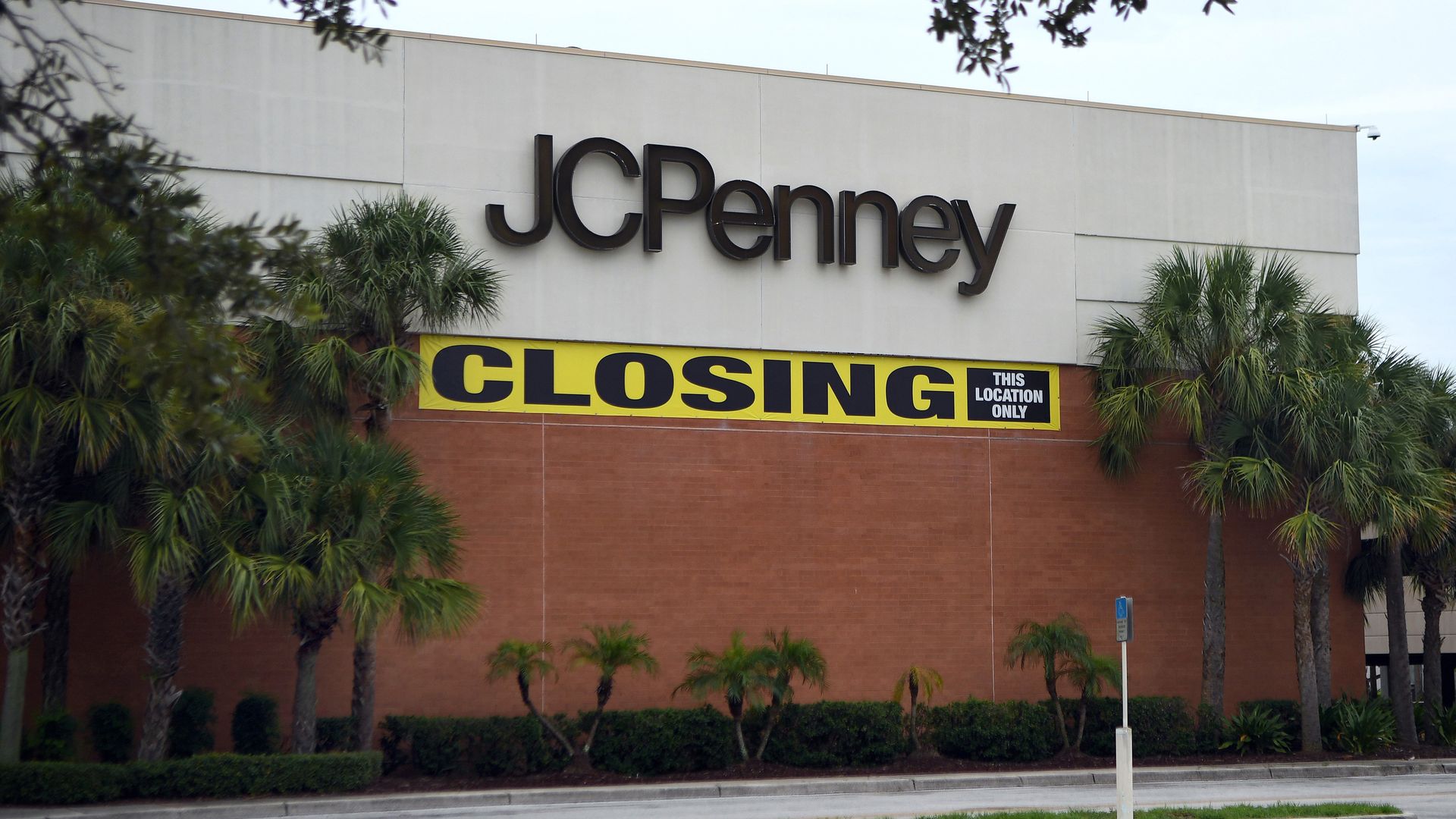
In early 2018, JCPenney confirmed the closure of eight specific retail locations as part of its ongoing efforts to optimize its brick-and-mortar footprint. These closures, following a much larger round of 138 shutdowns in 2017, shocked buyers because they targeted long-standing community anchors and specialized outlets in California, Missouri, and the Midwest, signaling a permanent shift in the department store landscape.
The retail environment of 2018 remains a significant case study in the "Retail Apocalypse" narrative. While the number eight might seem small compared to the triple-digit closures of previous years, the strategic selection of these stores reflected JCPenney’s struggle to balance high operational costs with declining foot traffic. Looking back from 2026, these closures were not just isolated business decisions; they were the early tremors of a seismic shift that would eventually lead the company toward its 2020 bankruptcy reorganization and the lean, more digitally focused entity we see today.
The Context of the 2018 JCPenney Store Closures
To understand why the 2018 list of eight closures shocked buyers, one must first look at the state of JCPenney during that period. The company was grappling with a massive debt load and a rapidly changing consumer preference for e-commerce over traditional mall visits. In 2017, the company had already closed 138 stores, a move intended to trim the fat and focus on high-performing locations.
When the 2018 list was released, many consumers and market analysts expected a reprieve. Instead, the announcement of eight additional closures in February and March of 2018 indicated that the bleeding had not yet stopped. These closures were particularly impactful because several were situated in regions where JCPenney was the primary clothing and home goods provider. The "shock" was not just about the number of stores, but about the specific communities that were losing their primary retail hubs.
The Macroeconomic Factors
By 2018, several factors were working against JCPenney:
- Rise of Fast Fashion: Competitors like H&M and Zara were capturing the younger demographic.
- E-commerce Dominance: Amazon had transitioned from a book seller to a "everything store," making the trip to a physical department store less necessary for many families.
- The Decline of the American Mall: JCPenney’s business model was inextricably linked to the health of the American mall. As malls lost foot traffic, their anchor stores—JCPenney, Sears, and Macy’s—suffered proportionally.
Detailed Breakdown: The 8 Shocking Closures of 2018
The 2018 list was geographically diverse, affecting both coasts and the heartland. Each of these closures had a unique local impact that resonated far beyond the store's property lines.
1. Palms to Pines West - Palm Desert, CA
This closure was particularly surprising given the affluent nature of the Palm Desert area. However, JCPenney chose to consolidate its operations, favoring more modern mall layouts over older, standalone or strip-center configurations. For local residents, the loss meant traveling further for the affordable "mid-tier" luxury and home goods for which JCPenney was known.
2. Hanover Mall - Hanover, MA
The closure of the Hanover Mall location was a herald of the mall's eventual complete redevelopment. In 2018, when the news broke, it shocked regular shoppers who viewed JCPenney as a permanent fixture of the South Shore retail scene. This location was a classic anchor tenant, and its departure triggered a "vacancy domino effect" for the smaller shops in the mall's interior.
3. The Orchards Shopping Center - Benton Harbor, MI
Benton Harbor’s retail landscape was significantly altered by this closure. In smaller Midwestern markets, a JCPenney store often serves as the most reliable source for school uniforms, professional attire, and household appliances. The loss of this store forced residents to either shop online or drive to larger metropolitan hubs like Kalamazoo.
4. Northridge Fashion Center (Furniture Outlet) - Northridge, CA
Perhaps the most specific "shock" was the closure of the Northridge furniture outlet. JCPenney had attempted to pivot toward home services and appliances following the decline of Sears. Closing a dedicated furniture outlet in a major market like Northridge signaled that the company was struggling to compete in the bulky goods sector against specialized retailers like IKEA and Wayfair.
5. Fairground Village - St. Louis, MO
This closure hit the St. Louis community hard, particularly those who relied on the store for accessible pricing and local employment. The Fairground Village location was more than just a store; it was a cornerstone of local commerce in a neighborhood that had already seen significant disinvestment.
6. Grand Village Center - Grandview, MO
Similar to the St. Louis closure, the Grandview location's inclusion in the 2018 list highlighted a retreat from the Missouri market. Analysts noted that these "surgical" closures were aimed at leases that were either too expensive to maintain or stores that required significant capital expenditure for modernizing—funds JCPenney simply did not have.
7. Shoppes at Gary - Gary, IN
Gary, Indiana, has faced significant economic hurdles over the decades. The JCPenney at the Shoppes at Gary was one of the few remaining major national retailers in the area. Its closure in 2018 was seen by many as a final blow to the city's traditional retail sector, leaving a void that was largely filled by discount "dollar" stores rather than comparable department stores.
8. Tulare Outlet Center - Tulare, CA
The Tulare closure was a shock because it was an outlet location. Traditionally, outlet stores were seen as a safety net for retailers—a place to move inventory that didn't sell in full-price stores. Closing an outlet suggested that JCPenney’s inventory management was so strained that even the discount model wasn't generating sufficient margins.
Why the "Shock" Factor Was Real for Buyers
The term "shock" is often used in retail headlines, but for the 2018 JCPenney closures, it was a literal description of the consumer sentiment. This reaction stemmed from three primary areas: the loss of institutional trust, the impact on local employment, and the degradation of the "one-stop shop" experience.
Institutional Trust and Brand Loyalty
For many generations, JCPenney was synonymous with reliability. The "shock" felt by buyers in 2018 was a realization that even a century-old institution was not safe. When a store that had served a community for 30 or 40 years suddenly announces it is liquidating, it creates a sense of instability in the local economy.
Employment and Economic Ripple Effects
Each store closure typically meant the loss of 50 to 100 jobs, including management, sales associates, and back-end logistics staff. In cities like Gary, Indiana, or Benton Harbor, Michigan, these were significant numbers. Furthermore, the loss of an anchor store reduces the "staying power" of a mall. Without JCPenney to draw shoppers in, the nearby food courts and boutique shops saw an immediate dip in revenue, often leading to further closures.
| Store Location | Market Type | Primary Reason for Shock |
|---|---|---|
| Palm Desert, CA | Affluent Suburban | Loss of a long-standing "mid-tier" staple in a high-traffic area. |
| Hanover, MA | Regional Mall | Signaling the end of the traditional mall era for the South Shore. |
| Benton Harbor, MI | Small Urban | Removal of the primary source for essential goods in the region. |
| Northridge, CA | Major Metropolitan | Retreat from the furniture and appliance growth strategy. |
| St. Louis, MO | Urban Neighborhood | Further disinvestment in a community already lacking retail variety. |
| Grandview, MO | Suburban | Rapid retreat from the Missouri market following 2017 cuts. |
| Gary, IN | Economically Distressed | Loss of one of the city's last major national retail anchors. |
| Tulare, CA | Outlet/Discount | Evidence that even the discount model was failing to save underperforming stores. |
Strategic Shifts: The "Why" Behind the 2018 List
Retail experts point to 2018 as a year of management volatility for JCPenney. The CEO at the time, Marvin Ellison, was attempting to steer the ship toward home appliances and beauty (through the Sephora partnership). However, Ellison’s sudden departure in mid-2018 to lead Lowe's left the company in a precarious position.
The eight closures were an attempt by the board to show investors that they were being proactive about profitability. By cutting stores that were either underperforming or tied to unfavorable leases, the company hoped to stabilize its cash flow. Unfortunately, these "surgical" cuts were often seen by the public as "death by a thousand cuts."
The Lease Problem
In many of the 2018 cases, the closures were driven by lease expirations. As JCPenney’s credit rating fluctuated, negotiating favorable lease renewals became increasingly difficult. Landlords, sensing the decline of the department store model, were often more interested in reclaiming the large square footage of a JCPenney to subdivide it into smaller, higher-rent spaces or to convert it into non-retail uses like fitness centers or medical offices.
The Long-Term Legacy of the 2018 Closures
Fast forward to 2026, and the retail landscape looks very different. Many of the locations vacated by JCPenney in 2018 have been repurposed. For example, the Hanover Mall site has transitioned into a mixed-use development, combining residential units with smaller, "lifestyle" retail shops.
The 2018 closures taught the industry that being "too big to fail" was a myth in the digital age. They highlighted the importance of omnichannel retailing—the ability to seamlessly integrate online shopping with in-store pickup. JCPenney's 2018 struggles were largely due to a late start in this integration.
Lessons for 2026 Retailers
Modern retailers in 2026 have learned from the JCPenney era:
- Smaller Footprints: The massive 100,000-square-foot department store is largely a thing of the past. Success now lies in 20,000 to 30,000-square-foot "boutique" versions of national brands.
- Data-Driven Inventory: Closures like the Tulare Outlet happened because inventory wasn't matching local demand. Today, AI-driven logistics ensure that the right products are in the right stores at the right time.
- Community Integration: Stores that survived the 2018-2022 purge are those that became more than just a place to buy things. They became community hubs, offering services, classes, and experiences.
Frequently Asked Questions
Which stores were on the JCPenney closings list in 2018?
The specific eight stores included locations in Palm Desert, CA; Hanover, MA; Benton Harbor, MI; Northridge, CA (Furniture); St. Louis, MO; Grandview, MO; Gary, IN; and Tulare, CA. These followed a much larger list of 138 closures that occurred in 2017.
Why did JCPenney close these stores specifically?
The company cited several reasons, including underperformance relative to other stores in the district, high lease costs, and the need to consolidate operations in markets where they had multiple locations. Some closures were also part of a larger strategy to move away from underperforming mall environments.
How did the 2018 closures affect the company's stock?
Initially, investors viewed the closures as a necessary step toward profitability. However, the lack of a clear long-term growth strategy and the departure of CEO Marvin Ellison shortly after the announcements led to continued volatility in JCPenney's stock price throughout 2018.
Did the 2018 closures prevent JCPenney from filing for bankruptcy?
No. While the 2018 closures were intended to stabilize the company, they were not enough to overcome the massive debt and the market disruptions caused by the COVID-19 pandemic in 2020. The company eventually filed for Chapter 11 bankruptcy in May 2020 and was subsequently acquired by Simon Property Group and Brookfield Asset Management.
What happened to the employees of the closed 2018 stores?
JCPenney offered some employees the opportunity to transfer to nearby locations where possible. However, given the geographic isolation of some of the 2018 closing stores (like the one in Gary, IN), many employees were laid off with severance packages based on their years of service and position within the company.
Moving Forward: The Future of Retail
For those looking back at the 2018 JCPenney closures from our current 2026 perspective, the primary takeaway is the importance of adaptability. The "shock" felt by buyers was a reaction to the end of a retail era. Today, the brands that thrive are those that prioritize the customer experience and leverage technology to meet shoppers where they are.
If you are a consumer or a real estate investor tracking retail trends, the lesson from 2018 is to look beyond the numbers. A list of eight closures may seem small, but as we have seen, they are often the final indicators of a business model that needs a radical transformation to survive in a rapidly evolving economy.