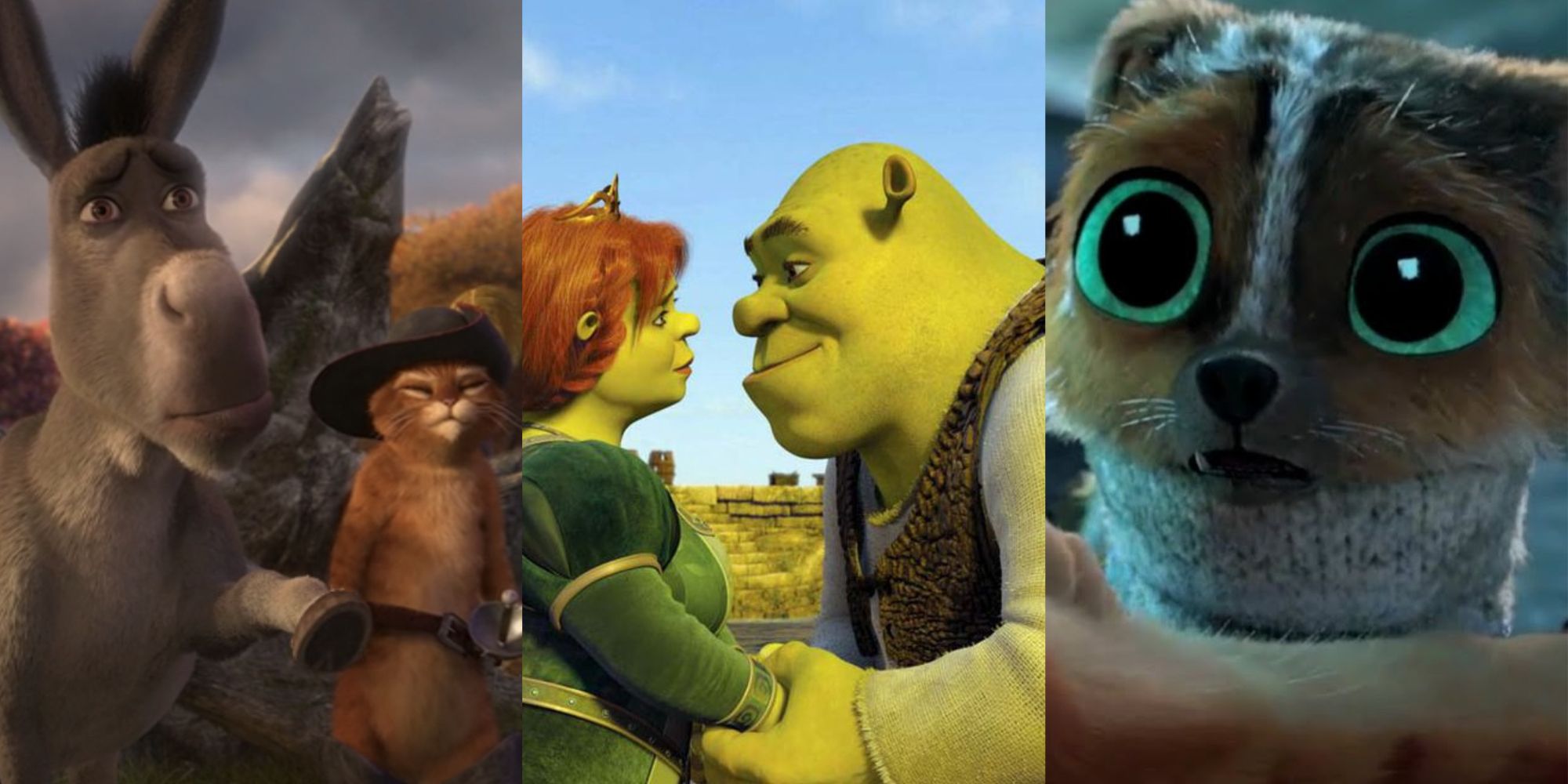
Shrek 5 represents the long-awaited continuation of one of animation history’s most influential and commercially successful franchises. As a cultural cornerstone that redefined fairy-tale tropes, satirical humor, and computer-generated storytelling in the early 2000s, the return of the green ogre and his companions has drawn intense interest from both longtime fans and industry analysts. This overview examines the background, production milestones, creative team, narrative context, and cultural impact surrounding the film as it moves through its development cycle up to 2026.
The Cultural Legacy and Origins of the Shrek Franchise
To understand the scope and anticipation surrounding Shrek 5, it is necessary to examine how the original films reshaped the animation landscape. Released by DreamWorks Animation in 2001, the first Shrek adapted William Steig’s picture book into a subversive fairy-tale parody. Directed by Andrew Adamson and Vicky Jenson, the film utilized contemporary pop-culture references, a hit jukebox soundtrack, and sharp comedic writing to mock the traditional formulas established by classical fairy tales and competing studios.
The critical and financial triumph of the original film—including winning the inaugural Academy Award for Best Animated Feature—paved the way for multiple sequels and spin-offs:
- Shrek 2 (2004): Expanded the universe with the introduction of Puss in Boots, Fairy Godmother, and the kingdom of Far Far Away, setting global box office records for animated films at the time.
- Shrek the Third (2007): Explored themes of impending fatherhood and royal succession.
- Shrek Forever After (2010): Marketed as the "final chapter," focusing on mid-life existential dread through an alternate-universe narrative.
- Spin-offs: The franchise further expanded with successful theatrical releases centered on Puss in Boots (2011) and its critically acclaimed sequel, Puss in Boots: The Last Wish (2022).
This history established high audience expectations for any subsequent mainline entry. When DreamWorks and parent company Universal Pictures officially confirmed the continuation of the core series, the announcement sparked widespread discussion regarding how a modern sequel would honor the classic tone while adapting to contemporary aesthetic and narrative standards.
Production Timeline and Development Milestones
The path from the conclusion of Shrek Forever After to the active production of a fifth installment spanned well over a decade. Rumors, corporate restructuring, and shifting strategic priorities at DreamWorks Animation repeatedly altered the timeline for the project.
Following NBCUniversal's acquisition of DreamWorks Animation in 2016, studio leadership signaled an intent to revitalize key intellectual properties. Chris Meledandri, founder and CEO of Illumination, was brought in as a strategic partner to help guide the revitalization of the franchise. Initial reports indicated that the studio wanted to find a fresh narrative angle that justified a continuation rather than relying solely on nostalgia.
Over the subsequent years, script iterations were developed and refined. Voice cast negotiations proved to be a critical milestone. Key principals—including Mike Myers, Eddie Murphy, and Cameron Diaz—expressed sustained enthusiasm for returning to their iconic roles. Public statements from the cast over the years confirmed that discussions were ongoing and that narrative concepts were being tested for viability. By the mid-2020s, official studio slates and promotional disclosures formally solidified production schedules, bringing the project into active animation phases under experienced creative supervision.
Creative Direction and Voice Talent
The success of the franchise has always depended heavily on its voice cast and the distinct vocal chemistry among the lead characters. The core ensemble defined the personality of the series, combining deadpan humor, theatrical enthusiasm, and emotional vulnerability.
| Character | Original Voice Actor | Role and Franchise Significance |
|---|---|---|
| Shrek | Mike Myers | The cynical yet tenderhearted ogre whose reluctant heroism anchors the narrative. |
| Donkey | Eddie Murphy | The fast-talking, loyal sidekick providing constant comedic energy and emotional heart. |
| Princess Fiona | Cameron Diaz | The martial arts-trained royal who subverts traditional damsel tropes. |
| Puss in Boots | Antonio Banderas | The swashbuckling feline whose popularity generated multi-film spin-offs. |
Directorial and writing assignments for animated features of this scale typically involve a collaborative team of veteran story artists and visual effects supervisors. DreamWorks has historically paired legacy talent who understand the original tone with newer directors capable of injecting modern pacing and visual techniques. The evolution of computer graphics over the decades means that Shrek 5 benefits from advanced rendering software, sophisticated lighting engines, and highly detailed character rigging that far exceeds the technological capabilities available during the production of the 2001 original.
Narrative Expectations and Thematic Evolution
While exact plot details for major animated features are frequently guarded closely by studios prior to release, industry tracking and thematic precedents provide insight into what audiences can anticipate from the narrative framework of Shrek 5.
Balancing Nostalgia and Modernity
A central challenge for any legacy sequel is bridging the gap between adult viewers who watched the original films in their youth and a new generation of younger audiences. The original Shrek relied on satirical jabs at corporate fairy-tale tropes that were prominent in the late 1990s and early 2000s. A modern iteration must navigate contemporary pop culture, evolving comedic sensibilities, and shifting societal norms regarding storytelling tropes without losing the irreverent edge that defined the brand.
Family Dynamics and Character Growth
Chronologically within the universe, considerable time has passed since the events of Shrek Forever After. Shrek and Fiona’s children, who appeared as infants and toddlers in earlier sequels, would theoretically be older, introducing new familial dynamics. Exploring themes of parenting adolescents, aging, and maintaining identity in a changing kingdom offers a natural progression for characters who began their journeys as solitary outcasts.
Comparative Analysis: Mainline Sequels vs. Spin-off Success
To evaluate the positioning of Shrek 5, it is instructive to examine how the broader franchise has adapted over time. The table below outlines the structural and stylistic differences between the mainline entries and the recent theatrical spin-offs.
| Franchise Segment | Primary Focus | Visual Style Evolution | Core Tone |
|---|---|---|---|
| Original Mainline (2001–2010) | Shrek and Fiona's relationship, acceptance, and domestic life. | Groundbreaking 3D computer animation for its era, transitioning to stereoscopic 3D. | Irreverent satire, fairy-tale parody, heartfelt comedy. |
| Puss in Boots Spin-offs (2011, 2022) | Character-driven action-adventures exploring mortality and myth. | Shifted toward stylized, painterly animation techniques (notably in The Last Wish). | High-energy adventure combined with mature existential themes. |
The artistic risk taken in Puss in Boots: The Last Wish, which adopted a graphic-novel aesthetic inspired by illustration and traditional media, demonstrated that audiences respond well to visual innovation within established universes. Consequently, speculation remains open regarding whether Shrek 5 will maintain the polished realism of its predecessors or incorporate stylistic visual updates influenced by recent animation milestones.
Market Context and Industry Impact
The release of Shrek 5 arrives in a vastly different theatrical and streaming ecosystem compared to the 2010 debut of Shrek Forever After. Major animation studios now balance traditional theatrical release windows with global box-office expectations, family viewing habits, and long-term merchandising value.
Animated films that successfully bridge generational demographics—appealing simultaneously to parents with childhood nostalgia and children experiencing the characters for the first time—frequently achieve high box-office returns. Furthermore, the enduring popularity of internet memes, social media references, and home-video streaming keeps the intellectual property active in global digital culture, minimizing the marketing hurdles typically faced by dormant franchises.
Practical Guidance for Fans and Observers
For followers tracking the release, production updates, and marketing rollout of Shrek 5, keeping informed requires navigating official studio channels and verified entertainment journalism.
- Rely on Primary Announcements: Official trailers, casting confirmations, and release date updates originate directly from DreamWorks Animation and Universal Pictures press releases.
- Verify Teaser Authenticity: The internet frequently circulates fan-made concept trailers, unauthorized mock posters, and speculative rumor pieces. Cross-referencing major entertainment trade publications helps verify legitimate developments.
- Monitor Theatrical Windows: Keep track of studio scheduling shifts, as major animated features occasionally experience release date adjustments to optimize seasonal box-office performance.
Frequently Asked Questions
Is the original voice cast returning for Shrek 5?
Yes, studio reports and principal cast statements indicate that key actors, including Mike Myers, Eddie Murphy, and Cameron Diaz, have been central to the development process and are slated to reprise their iconic roles.
Is Shrek 5 a direct continuation or a reboot?
Shrek 5 is structured as a continuation of the mainline franchise, following the events of the previous four films rather than resetting the continuity or altering established character histories.
How does Shrek 5 connect to the Puss in Boots films?
While Puss in Boots exists within the same shared universe and has featured prominent crossover elements, the mainline films specifically center on Shrek, Fiona, and Donkey, though characters from the wider universe may make appearances.
When is Shrek 5 scheduled for release?
Release schedules are managed by Universal Pictures and DreamWorks Animation. Viewers should consult official studio slates for the most up-to-date theatrical release calendar information.
Conclusion
Shrek 5 stands as a significant milestone in contemporary animation, bridging a legacy of groundbreaking satirical comedy with modern storytelling techniques. By retaining the core creative talent while adapting to contemporary aesthetic and narrative standards, the production aims to honor the cultural impact of the original films. As the release approaches, the project continues to serve as a primary example of how studios manage and revitalize major intellectual properties for multi-generational audiences.