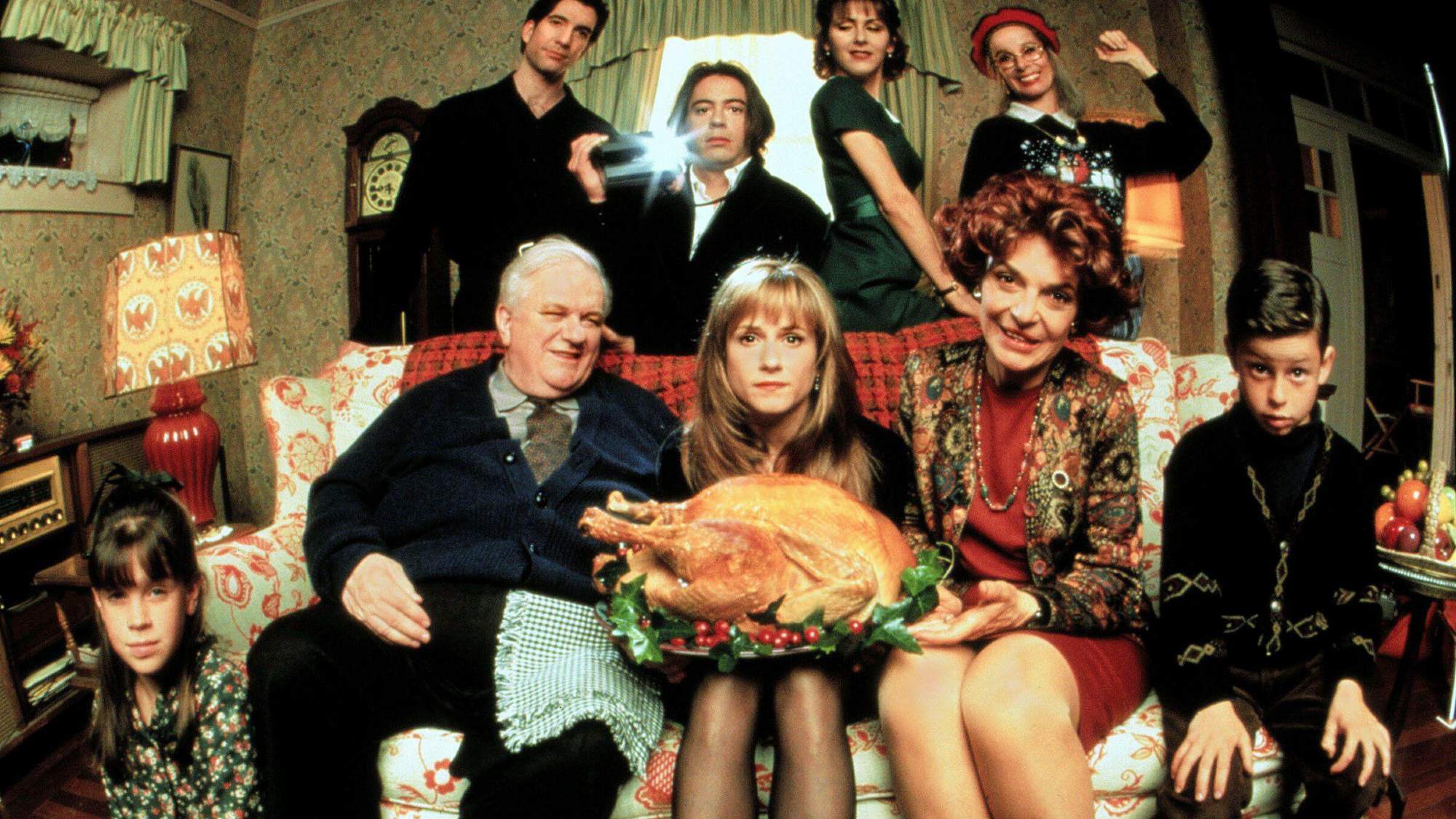
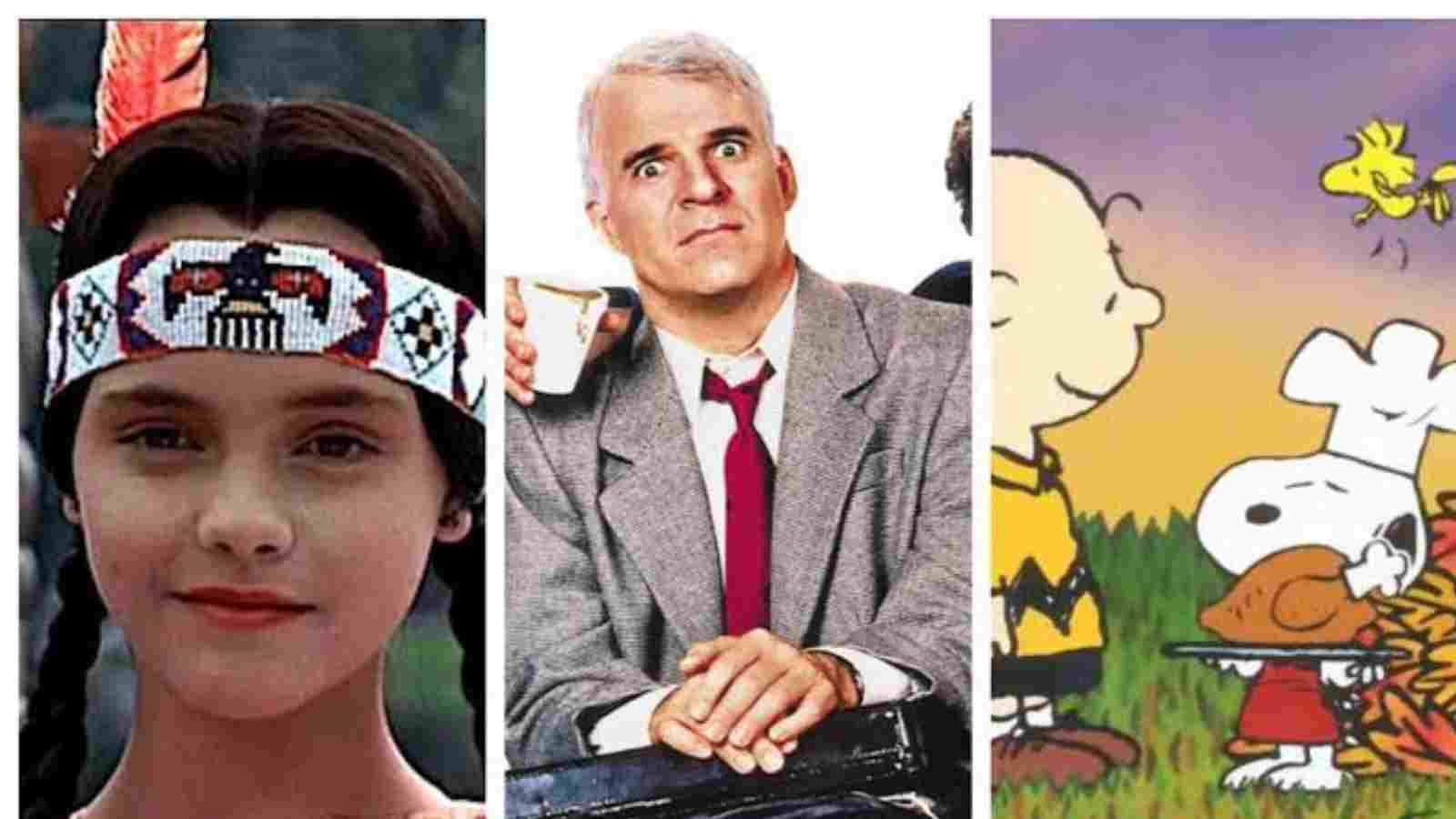
The 1980s produced five notable Thanksgiving movies that defined the holiday's cinematic identity: Planes, Trains and Automobiles (1987), Hannah and Her Sisters (1986), She's Having a Baby (1988), Krush Groove (1985), and Blood Rage (1987). These films range from definitive road-trip comedies and sophisticated dramas to cult-classic horror, capturing the decade's unique blend of family-centric storytelling and genre experimentation.
The Cultural Significance of Thanksgiving Cinema in the 1980s
To understand why these five films remain relevant in 2026, one must look at the cultural landscape of the 1980s. This was a decade obsessed with the "nuclear family," the rise of the sprawling American suburb, and the tension between career ambition and domestic stability. While Christmas movies often lean toward the fantastical or the sentimental, 1980s Thanksgiving movies focused on the logistics of gathering—the travel, the forced social interactions, and the inherent stress of returning "home."
During this era, directors like John Hughes and Woody Allen utilized the holiday as a narrative ticking clock or a structural bookend. Thanksgiving provided a grounded, secular backdrop that allowed for deep character exploration without the distracting iconography of Santa Claus or religious miracles. In 2026, these films serve as a time capsule of 1980s aesthetics, from the overcoats and feathered hair to the analog travel woes that defined an era before smartphones and GPS.
1. Planes, Trains and Automobiles (1987)
Directed by John Hughes, Planes, Trains and Automobiles is widely considered the quintessential Thanksgiving film. It stars Steve Martin as Neal Page, a high-strung marketing executive, and John Candy as Del Griffith, a well-meaning but boisterous shower curtain ring salesman. The plot follows their disastrous three-day attempt to get from New York City to Chicago in time for Thanksgiving dinner.
Why It Is Notable
The film is notable for shifting John Hughes’ focus from teen angst to adult anxieties. It perfectly captures the "travel hell" associated with the holiday. Beyond the slapstick comedy and the legendary "f-bomb" tirade at the car rental desk, the movie explores themes of loneliness and empathy.
In 2026, the film remains a masterclass in chemistry. The late John Candy’s performance provides the emotional core, revealing that his character’s relentless optimism is a shield against profound personal loss. The film’s conclusion, which emphasizes that "home" is as much about companionship as it is about a physical location, remains one of the most poignant moments in 1980s cinema.
Technical Depth and Legacy
Hughes utilized a "buddy comedy" framework but grounded it in the technical realities of 1980s travel—the hub-and-spoke airline systems, the reliance on payphones, and the fragility of regional rail. The film’s cinematography by Don Peterman uses a cold, blue-toned palette for the exteriors to emphasize the isolation of the road, contrasting sharply with the warm, golden hues of the final Thanksgiving meal.
2. Hannah and Her Sisters (1986)
Woody Allen’s Hannah and Her Sisters uses three consecutive Thanksgiving dinners to frame a complex narrative about love, infidelity, and family dynamics among a group of interconnected New Yorkers. The film stars Mia Farrow, Barbara Hershey, and Dianne Wiest, with Michael Caine and Woody Allen in pivotal roles.
Why It Is Notable
Unlike the frantic energy of other holiday films, this movie uses Thanksgiving as a metric of time and change. By returning to the same dinner table over three years, the audience observes how relationships evolve, dissolve, and reform. It won three Academy Awards, including Best Supporting Actor for Caine and Best Supporting Actress for Wiest, cementing its status as a critical heavyweight of the decade.
Narrative Structure
The Thanksgiving scenes in Hannah and Her Sisters are notable for their "fly-on-the-wall" feel. Allen uses long takes and overlapping dialogue to simulate the actual experience of a large family gathering. The film avoids the "holiday movie" tropes of the era, instead using the holiday as a symbol of the cyclical nature of life. In 2026, it is frequently cited by film historians at the American Film Institute as one of the most structurally perfect screenplays of the 1980s.
3. She's Having a Baby (1988)
Another John Hughes entry, She's Having a Baby, stars Kevin Bacon and Elizabeth McGovern as a young couple navigating the early years of marriage. While not exclusively a "Thanksgiving movie," its centerpiece Thanksgiving dinner scene is one of the most culturally accurate depictions of 1980s suburban expectation.
Why It Is Notable
The film captures the specific pressure of the "newlywed Thanksgiving." The dinner scene features Alec Baldwin and a host of character actors playing intrusive relatives who use the holiday to interrogate the couple about their plans for children. It highlights the generational divide of the late 80s—the Boomer parents’ expectations versus the Gen X/Xennial desire for autonomy.
Visual Style
The film is notable for its stylized, almost surrealist sequences that represent Kevin Bacon’s internal monologue. The Thanksgiving dinner is shot with a claustrophobic lens, making the suburban dining room feel like a pressure cooker. For modern viewers in 2026, it serves as a fascinating look at the mid-century "American Dream" beginning to feel like a burden for the younger generation.
4. Krush Groove (1985)
Directed by Michael Schultz, Krush Groove is a highly fictionalized account of the early days of Def Jam Recordings. While primarily a musical drama about the rise of hip-hop, it features a pivotal, extended Thanksgiving sequence that provides a rare look at urban holiday traditions in the 1980s.
Why It Is Notable
The film features the Fat Boys, Run-D.M.C., and Blair Underwood. The Thanksgiving scene is famous for the Fat Boys’ comedic "all-you-can-eat" energy, but it also serves a narrative purpose: it grounds these burgeoning superstars in their community. It shows that despite their growing fame and the grit of 1985 New York City, the family structure remained the bedrock of the culture.
Cultural Impact
Krush Groove is a vital historical document for hip-hop fans. In the context of Thanksgiving cinema, it offers a necessary counter-narrative to the predominantly white, suburban holiday experience shown in other 80s films. The soundtrack, featuring "Can You Feel It?" and "Krush Groovin'," remains a definitive 80s artifact.
5. Blood Rage (1987)
No list of 1980s cinema is complete without a nod to the "holiday slasher" subgenre. Blood Rage (also known as Nightmare at Shadow Woods) is a cult-classic horror film set entirely during a Thanksgiving celebration at a Florida apartment complex.
Why It Is Notable
It is famous among horror aficionados for the line: "It's not cranberry sauce!" The plot involves twin brothers, one of whom is a killer, and a Thanksgiving dinner that goes horribly wrong. While it lacks the prestige of Hannah and Her Sisters, it is a definitive example of how 1980s filmmakers applied the "Halloween" formula to every possible calendar event.
Practical Effects and Cult Status
The film is notable for its excessive use of practical gore effects, which were a hallmark of 80s independent horror. In 2026, Blood Rage is celebrated during "Friendsgiving" screenings for its campy dialogue and over-the-top performances by Louise Lasser and Mark Soper. It represents the darker, more cynical side of 1980s holiday media.
Comparison of 1980s Thanksgiving Classics
The following table compares these five films based on their narrative focus and 2026 availability.
| Movie Title | Release Year | Primary Genre | Main Conflict | Key 1980s Aesthetic |
|---|---|---|---|---|
| Planes, Trains and Automobiles | 1987 | Comedy / Road Movie | Travel logistics & personality clash | Massive overcoats, payphones |
| Hannah and Her Sisters | 1986 | Dramedy / Romance | Infidelity & family secrets | Upper West Side intellectualism |
| She's Having a Baby | 1988 | Drama / Comedy | Domestic & parental pressure | Manicured Chicago suburbs |
| Krush Groove | 1985 | Musical / Drama | Music industry ambition | Early hip-hop fashion, boomboxes |
| Blood Rage | 1987 | Horror / Slasher | Sibling rivalry & madness | Suburban apartment complexes |
Technical Considerations: Why These Films Endure in 2026
The longevity of these five films is not accidental. Technically, the 1980s marked a transition in filmmaking that favored high-contrast lighting and vibrant color saturation, which suits the autumnal "Thanksgiving" aesthetic.
- Film Stock: Most of these films were shot on 35mm Eastman Kodak stock, which emphasizes the oranges, browns, and deep reds of the November season. In 2026, 4K UHD restorations have brought out details in the grain that make these films feel more "tactile" than modern digital productions.
- Soundscapes: The 80s used a mix of orchestral scores and synth-pop. For instance, the score for Planes, Trains and Automobiles by Ira Newborn uses a "country-pop" synthesis that perfectly captures the feeling of the American Midwest.
- Ensemble Casting: The 80s was the era of the "ensemble" movie. These films relied on character actors—people like Michael Emmet Walsh or Edie McClurg—who populated the background of Thanksgiving scenes with recognizable, "real-world" faces.
Common Challenges in 1980s Thanksgiving Narratives
Watching these films in 2026 reveals certain "troubleshooting" issues that characters faced, which are now historically significant:
- Communication Gaps: In Planes, Trains and Automobiles, Neal Page’s inability to reach his wife instantly creates the central tension. Today, this plot would be resolved in thirty seconds with a text message.
- The "Uninvited" Guest: A recurring theme in Blood Rage and Krush Groove is the lack of security and the ease with which uninvited individuals could enter a "private" holiday space, a common 80s trope that fueled both horror and comedy.
- Social Etiquette: She's Having a Baby highlights the 1980s etiquette of "smiling through" family dysfunction, a concept that has evolved significantly with the modern focus on mental health and boundaries.
FAQ: Understanding 1980s Thanksgiving Cinema
Why are there fewer Thanksgiving movies than Christmas movies?
Thanksgiving is primarily an American holiday, which limits the global box office potential compared to Christmas. Additionally, Thanksgiving lacks the "magic" elements (Santa, elves, spirits) that lend themselves to high-concept Hollywood blockbusters. The 1980s movies listed here succeeded because they focused on character-driven stories rather than holiday spectacle.
Which 1980s Thanksgiving movie is best for a family viewing?
Planes, Trains and Automobiles is the standard choice, though it does contain one famous scene with heavy profanity that may require parental discretion. For a more adult, sophisticated family, Hannah and Her Sisters is the preferred choice.
Is "The Big Chill" (1983) considered a Thanksgiving movie?
While The Big Chill is a definitive 80s "reunion" movie, it is actually set following a funeral, not specifically Thanksgiving. However, it is often associated with the holiday because it shares the themes of gathering and reflection common to the genre.
Where can I watch these films in 2026?
Most of these titles are available on major streaming platforms like Paramount+, Max, or through digital retailers like Apple TV. Blood Rage and Krush Groove often require specialized "boutique" streaming services or physical media (Blu-ray/4K) due to their niche status.
Why did John Hughes dominate this niche?
John Hughes had a unique ability to find the "extraordinary in the ordinary." He viewed the American holiday as a crucible where characters were forced to confront their flaws. His Chicago-based settings also perfectly suited the cold, blustery atmosphere required for a November film.
Practical Recommendation for 2026 Viewers
If you are looking to host a "Retro Thanksgiving" marathon in 2026, start with Planes, Trains and Automobiles to set a comedic tone, then transition into Hannah and Her Sisters during dinner for a more thoughtful atmosphere. If your group enjoys cult cinema, end the night with Blood Rage for a dose of 80s kitsch. This selection provides a comprehensive overview of how the 1980s viewed family, travel, and the unique stresses of the American November.