Securing life coverage at age eighty involves distinct financial and structural considerations, primarily revolving around term lengths, prohibitive premium costs, medical underwriting thresholds, alternative final expense vehicles, and the overarching risk of outliving the policy expiration date.
Navigating the landscape of life insurance in later life requires a clear-eyed evaluation of market realities, underwriting standards, and financial objectives. While many consumers assume that coverage becomes entirely inaccessible past a certain chronological milestone, insurance carriers do offer options, though they differ drastically from the policies marketed to younger demographics. Understanding the mechanics, constraints, and realities of fixed-term life insurance for individuals at age eighty is essential for protecting estate liquidity, covering final expenses, or managing legacy planning. This analysis explores five critical facts governing term life insurance at this advanced stage of life, providing the technical depth and practical context required to make informed decisions.
1. Availability of Fixed-Term Policies at Age Eighty Is Extremely Limited
The primary hurdle an eighty-year-old encounters when shopping for a fixed-term life insurance policy is structural market availability. Most major commercial insurance carriers cap their maximum issue ages for term life products well below eighty. Typically, traditional 10-year, 20-year, or 30-year term products have strict age limits, with 75 or 80 often serving as a hard stop for initial issuance.
When a carrier does offer a fixed-term policy to an eighty-year-old, it is almost exclusively a 10-year term product. Longer durations—such as 15 or 20 years—are virtually non-existent in the standard brokerage market for this age bracket because actuarial tables indicate a statistically high probability of claim payout within those timeframes. Insurance is, at its core, a risk-pooling mechanism; as the mortality curve steepens sharply past age eighty, the mathematical foundation required to sustain a multi-decade term pool breaks down for traditional term products. Consequently, finding an insurer willing to write a fresh 10-year term policy for an 80-year-old applicant requires navigating specialized high-risk or brokerage portfolios that cater to affluent seniors seeking specific estate-liquidity strategies.
2. Premiums Are Exceptionally High Due to Actuarial Risk
Cost is the most prohibitive barrier for older adults evaluating fixed-term coverage. Insurance pricing is directly correlated with life expectancy, and at age eighty, the statistical mortality rate rises significantly year over year. Because a 10-year term policy carries a near-certainty of payout over the course of the decade compared to a policy issued at age thirty, carriers price the product to account for that statistical certainty, plus administrative overhead and profit margins.
For a healthy male or female non-smoker, a modest policy—such as $100,000 in coverage—can easily command monthly premiums running into hundreds or even thousands of dollars. For individuals with underlying health conditions, such as controlled hypertension, a history of cardiovascular events, or diabetes, the rates escalate further, often pushing the policy into territory where the cumulative cost of the premiums over the 10-year term approaches or even exceeds the actual death benefit. This dynamic fundamentally alters the financial value proposition, transforming the purchase from a standard risk-management tool into an expensive, capital-intensive liquidity strategy.
3. Comprehensive Medical Underwriting Is Mandatory for Standard Rates
Securing a fixed-term policy at age eighty cannot be accomplished through simplified issue or guaranteed acceptance pathways alone; standard fixed-term products demand full medical underwriting. Carriers require a comprehensive paramedical exam, which typically includes blood and urine samples, blood pressure measurements, height and weight verification, and an electrocardiogram (EKG) to assess cardiac function.
In addition to physical measurements, underwriters review comprehensive attending physician statements (APS) detailing the applicant's medical history over the preceding years. At age eighty, minor anomalies in lab work or routine medical histories are heavily scrutinized. Underwriters look closely for markers of renal function, lipid profiles, and metabolic control. Any sign of cognitive decline, mobility impairment, or chronic illness will either result in a severe rating surcharge or an outright denial. For this reason, seniors must weigh the administrative friction and potential invasion of privacy involved in rigorous medical underwriting against the likelihood of securing an affordable rate.
4. The Danger of Outliving the Term Remains a Severe Financial Risk
The defining characteristic of term life insurance is its temporary nature. Unlike permanent insurance—such as whole life or universal life—a fixed-term policy provides coverage for a specific, predetermined window and then expires. For an 80-year-old who manages to secure a 10-year term policy, the expiration date arrives at age ninety.
Outliving the term creates a profound financial vulnerability. If the insured individual survives past the 10-year window, the policy lapses, and all the cumulative premiums paid over the decade are retained by the insurance company, leaving behind no cash value and no death benefit. Furthermore, attempting to renew the policy or purchase a new one at age ninety is financially impractical, as open-market rates at that age are usually completely prohibitive or unavailable. Therefore, fixed-term insurance at age eighty is only logically viable if the financial obligation it is meant to cover—such as a specific short-term debt or a bridging period for estate taxes—is guaranteed to resolve within that exact 10-year window.
5. Permanent Alternatives Often Provide Superior Long-Term Value
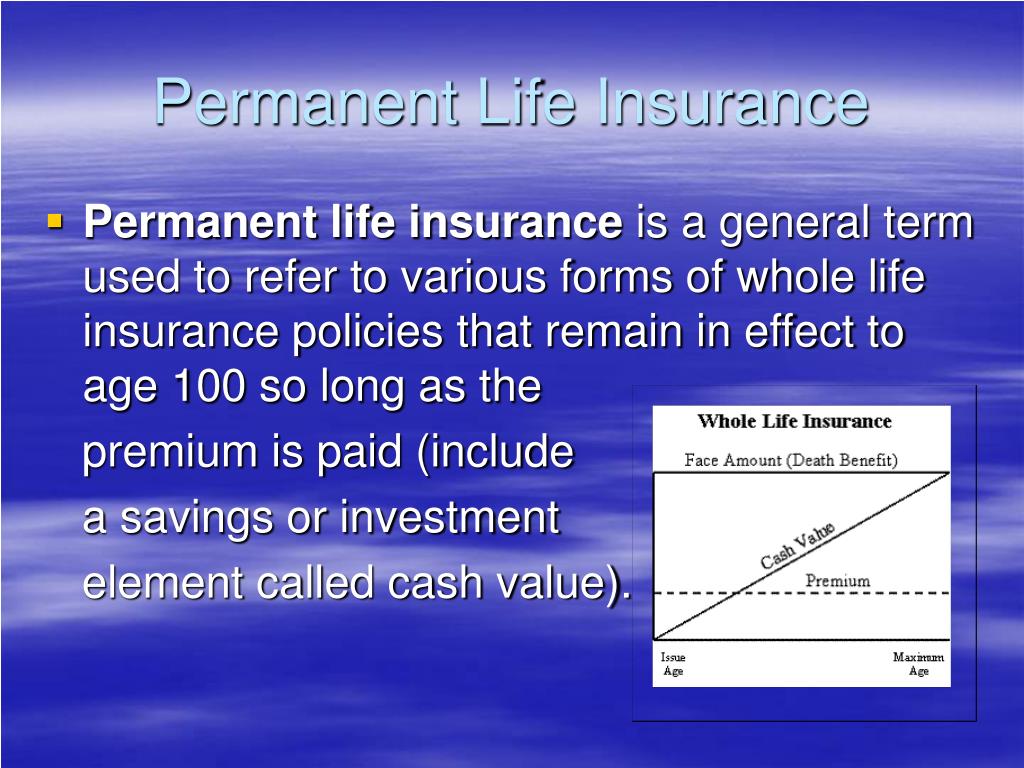
Given the severe limitations and high costs associated with fixed-term insurance at age eighty, financial professionals frequently direct seniors toward permanent insurance alternatives, such as final expense insurance (often structured as a small whole life policy) or guaranteed universal life.
Final expense policies are specifically designed for older adults, typically offering face amounts ranging from $5,000 to $25,000. These products feature fixed premiums that never increase, do not expire with age, and build a modest cash value over time. While the cost per thousand dollars of coverage is still relatively high due to the advanced entry age, final expense insurance avoids the catastrophic risk of outliving the policy that plagues fixed-term options.
| Feature | Fixed-Term Life Insurance (10-Year) | Final Expense Whole Life Insurance | Guaranteed Universal Life Insurance |
|---|---|---|---|
| Maximum Issue Age | Usually capped at 80 | Often available up to 85 | Varies, frequently capped at 80 |
| Policy Duration | Temporary (Expires after 10 years) | Permanent (Lifetime coverage) | Permanent (To age 100 or 121) |
| Premium Structure | Level for the term, unaffordable to renew | Fixed and level for life | Fixed and level, lower cash value focus |
| Medical Underwriting | Full medical exam and APS required | Simplified issue or guaranteed acceptance | Varies by carrier, often streamlined |
| Cash Value Accumulation | None | Yes (Modest, builds slowly) | Minimal to moderate |
| Primary Use Case | Short-term debt or specific estate liability | Burial, funeral, and final medical bills | Legacy building and estate liquidity |
As illustrated in the comparison above, each product type serves a fundamentally different purpose. Selecting the right vehicle depends entirely on whether the objective is temporary risk mitigation or permanent legacy planning.
Frequently Asked Questions
Can an 80-year-old qualify for a 20-year term life insurance policy?
In the vast majority of cases, no. Standard commercial insurance carriers cap the maximum issue age for 15-year and 20-year term products well below age eighty. An 80-year-old applicant looking for fixed-term coverage will generally be restricted to a 10-year term policy, assuming they meet the strict underwriting criteria required by the issuing carrier.
What happens if a policyholder outlives a fixed-term life insurance policy?
If the insured individual outlives the fixed term—such as surviving past age ninety on a 10-year policy purchased at age eighty—the policy expires. Once the term lapses, the coverage ceases entirely, no death benefit is paid to beneficiaries, and all accumulated premium payments are retained by the insurance provider without returning any cash value.
Are medical exams required for term insurance at age eighty?
Yes. Comprehensive medical underwriting is standard for fixed-term life insurance policies issued at advanced ages. Carriers require a paramedical exam, laboratory blood and urine analysis, and a thorough review of medical records to evaluate current health status and assign an accurate pricing tier.
Is permanent life insurance a better choice for an 80-year-old?
For most seniors, permanent options like final expense whole life insurance are more practical than fixed-term policies. Because term policies expire and cannot be renewed at advanced ages without prohibitive costs, permanent insurance ensures that the coverage remains active for the remainder of the insured's life, provided premiums are maintained.
How do insurance companies calculate premiums for eighty-year-old applicants?
Carriers rely heavily on actuarial mortality tables, which track the statistical probability of death within specific age brackets. At age eighty, the mortality curve steepens sharply, meaning the statistical likelihood of a payout within a 10-year window is exceptionally high. This elevated risk is directly reflected in high monthly or annual premium costs.
Conclusion and Next Actions
Purchasing fixed-term life insurance at age eighty requires careful navigation of strict underwriting standards, high premium costs, and the permanent risk of outliving the policy expiration date. Before committing to a contract, consumers should conduct a comprehensive financial audit to determine if a temporary 10-year policy genuinely aligns with their obligations, or if permanent final expense solutions offer a more secure and predictable path forward. Consulting with an independent insurance broker who has access to multiple specialized carriers can help clarify which products are realistically available based on current health status and financial goals.