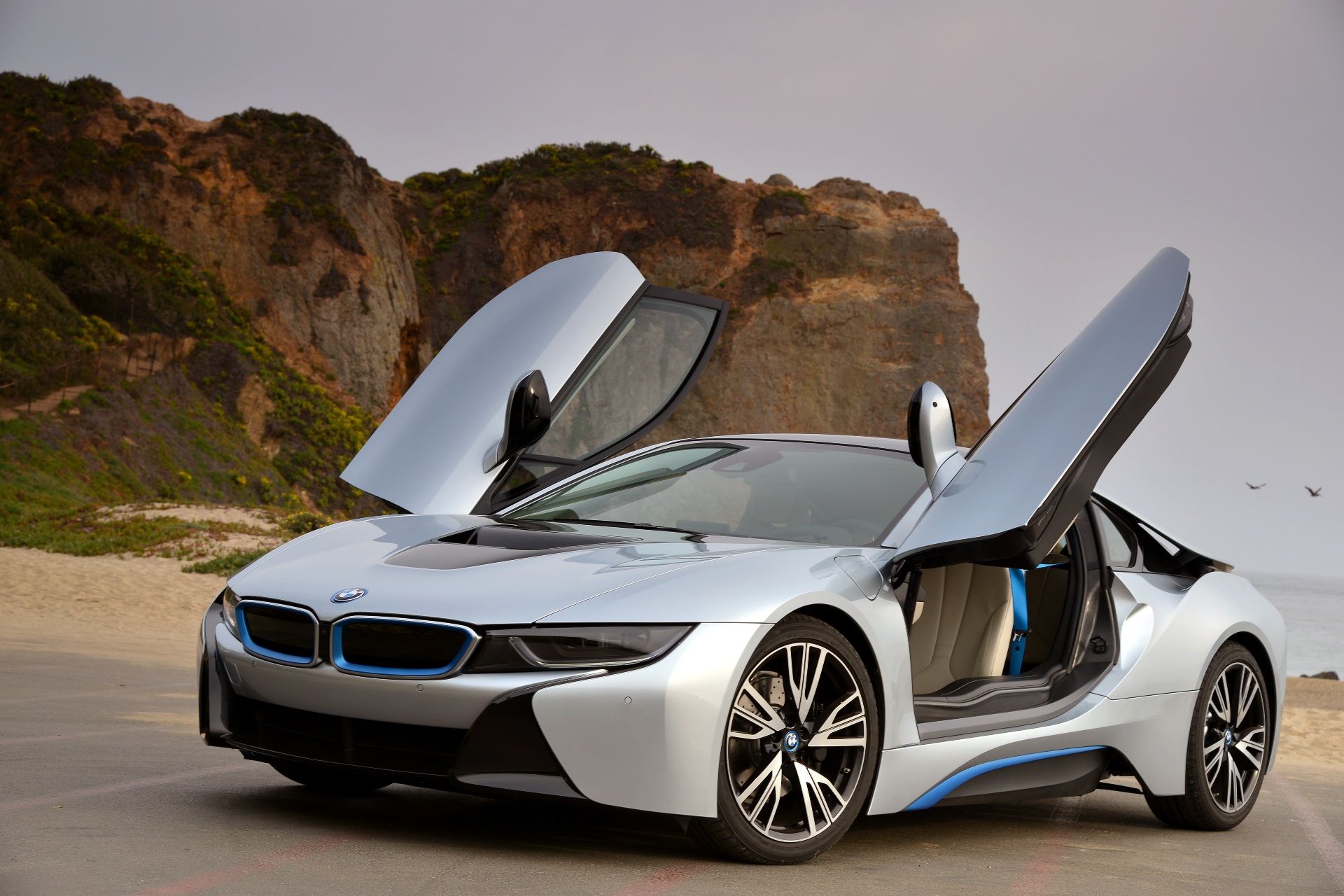
The BMW i8 utilizes a turbocharged 1.5-liter three-cylinder gasoline engine paired with an electric motor, achieving an EPA-rated 27 mpg combined when running on fuel alone, or up to 69 MPGe when combining electric and gas power. Premium unleaded gasoline is strictly required to support its high-compression, forced-induction powertrain.
Introduction to the BMW i8 Powertrain Architecture
When BMW introduced the i8 to the global market, it challenged conventional perceptions of sports car engineering. Rather than relying on a traditional, large-displacement V6 or V8 engine, the plug-in hybrid electric vehicle (PHEV) adopted an advanced, downsized powertrain designed to balance high-performance dynamics with notable efficiency. Understanding the BMW i8 gas use requires looking beyond a standard fuel economy window sticker. The vehicle operates on a complex dual-engine architecture where a traditional internal combustion engine works in tandem with an electric drive unit.
The configuration consists of a rear-mounted, 1.5-liter turbocharged three-cylinder gasoline engine derived from the MINI Cooper lineup, producing 228 horsepower and 236 lb-ft of torque. This engine drives the rear wheels via a 6-speed automatic transmission. Simultaneously, an electric motor mounted on the front axle delivers 129 horsepower and 184 lb-ft of torque to the front wheels through a 2-speed automatic transmission. This layout creates an intelligent all-wheel-drive system without a mechanical driveshaft connecting the front and rear axles. Consequently, the gasoline consumption characteristics of the i8 change drastically depending on battery state of charge, driving modes, and individual operator behavior.
Fact 1: EPA Fuel Economy Ratings and Real-World Efficiency
Evaluating the gas usage of the BMW i8 involves two distinct metrics established by the United States Environmental Protection Agency (EPA): fuel economy in hybrid mode and efficiency in Miles Per Gallon equivalent (MPGe).
When the high-voltage lithium-ion battery is depleted and the vehicle functions primarily as a conventional hybrid utilizing its gasoline engine, the i8 achieves an EPA-rated 28 mpg city, 29 mpg highway, and 27 mpg combined. For a performance sports car capable of accelerating from 0 to 60 mph in approximately 4.2 to 4.4 seconds, these figures represent exceptional efficiency compared to traditional sports cars of its era.
However, when factoring in the fully charged battery and operating on a combined gas-electric cycle, the EPA rates the i8 at 69 MPGe. This blended metric measures energy consumption over a standard test cycle that begins with a full charge. In daily driving, if an owner commutes within the electric-only range (approximately 15 to 18 miles depending on the model year), gasoline usage can drop to near zero for local trips. Conversely, sustained highway driving or spirited canyon runs quickly exhaust the battery reserves, shifting the energy burden entirely to the 1.5-liter turbocharged engine and decreasing real-world fuel economy closer to the 25–30 mpg range.
Fact 2: Premium Fuel Requirement and Compression Ratios
A critical factor influencing the operating cost of the BMW i8 gas use is its fuel grade requirement. The vehicle's 1.5-liter B38-derived three-cylinder engine features direct fuel injection and a twin-scroll turbocharger operating at high boost pressures, resulting in a high compression ratio of 9.5:1.
To prevent premature detonation, engine knock, and potential internal damage, BMW mandates the exclusive use of premium unleaded gasoline with a minimum octane rating of 91 AKI (Anti-Knock Index) / 95 RON. Using lower-octane fuel forces the engine management computer to retard ignition timing, which diminishes overall performance, reduces throttle response, and can negatively impact long-term engine reliability.
Because the fuel system operates under pressurized conditions to minimize vapor loss—a standard design choice for plug-in hybrids that store fuel for extended periods without combustion—owners must also adhere to specific fueling procedures. The vehicle requires a button press on the interior center console to depressurize the fuel tank before the fuel filler flap will unlock. Forcing the fuel door open without depressurization can damage the evaporative emissions control system.
Fact 3: Fuel Tank Capacity and Extended Touring Range
Despite its sports car positioning, the BMW i8 was designed with long-distance grand touring capability in mind. This is reflected in the physical capacity of its fuel storage system.
Early model years of the BMW i8 (2014 through 2017) feature a relatively small fuel tank holding approximately 11.1 US gallons (42 liters). Recognizing consumer demand for greater touring range between fuel stops, BMW updated the vehicle for the 2019 and 2020 model years alongside the introduction of the i8 Roadster. These later iterations expanded the fuel tank capacity to 11.9 US gallons (45 liters).
| Model Year Range | Fuel Tank Capacity | Electric Range (EPA) | Combined Gas/Electric Range |
|---|---|---|---|
| 2014 – 2017 (Coupe) | 11.1 US gallons (42 L) | ~15 miles (24 km) | ~330 miles (531 km) |
| 2019 – 2020 (Coupe & Roadster) | 11.9 US gallons (45 L) | ~18 miles (30 km) | ~360 miles (579 km) |
Combining the expanded fuel tank with the improved battery capacity of the later model years yields a total driving range of approximately 360 miles on a full tank of gas and a fully charged battery. This balanced ratio ensures that drivers do not experience frequent fuel stops during long highway journeys, mitigating one of the common limitations associated with early-generation electric and hybrid sports cars.
Fact 4: Fuel Aging and Pressurized Tank Management
One unique maintenance aspect of BMW i8 gas use stems from how plug-in hybrids consume fuel compared to conventional internal combustion vehicles. Because a dedicated daily commuter might complete all local errands using electric power from the high-voltage battery, the gasoline in the tank can remain unburned for extended periods.
Gasoline begins to degrade and oxidize after approximately three to six months, losing volatile compounds that ensure proper ignition. To address this, the BMW i8 features sophisticated engine management software capable of monitoring fuel age and condition. If the vehicle detects that the gasoline has remained in the tank without being replenished or burned, the internal combustion engine may automatically initiate a combustion cycle during a drive to consume the older fuel and prompt the driver to refuel with fresh gasoline.
Furthermore, the sealed, pressurized fuel tank design prevents ambient air from entering the tank and causing fuel to evaporate into the atmosphere, helping maintain fuel integrity over longer durations. Owners who frequently operate the vehicle in pure electric mode (eDrive) must still monitor fuel freshness and plan periodic highway trips to allow the three-cylinder engine to reach optimal operating temperatures, preventing moisture accumulation within the engine oil and exhaust system.
Fact 5: Driving Modes and Their Direct Impact on Gas Consumption
The manner in which the BMW i8 consumes gasoline is heavily dictated by the selected driving mode. The vehicle provides multiple configuration options via the Driving Dynamics Control switch and the gear selector lever, each altering the power split between the electric motor and the gasoline engine.
- Comfort Mode: This mode prioritizes balanced efficiency and everyday comfort. The vehicle starts in electric mode whenever possible, engaging the gasoline engine automatically when climbing hills, accelerating rapidly, or when battery state of charge drops below a predetermined threshold. Gas consumption in this mode is moderate and optimized for daily driving conditions.
- Eco Pro Mode: Designed to maximize efficiency, this mode alters throttle response, climate control intensity, and coasting characteristics. It enables maximum sailing and energy recuperation, lowering both electricity and gasoline consumption during extended commutes.
- Sport Mode: Activated by shifting the gear lever to the left (into manual/sport gate), this mode forces the three-cylinder gasoline engine to run continuously to ensure instant throttle response and maintain maximum electrical boost from the front motor. In Sport mode, gas usage increases significantly, but the powertrain delivers its maximum combined output of 369 horsepower.
- Driver Input / Driving Mode
- Comfort Mode
- Balanced Gas/Electric Split (Moderate Fuel Use)
- Eco Pro Mode
- Maximum Efficiency & Sailing (Lowest Fuel Use)
- Sport Mode
- Continuous Engine Operation (Highest Fuel Use)
- Comfort Mode
Comparative Overview of Performance Hybrid Fuel Use
To understand how the BMW i8 gas use compares within the broader luxury sports car market, examining similar high-performance hybrid architectures provides helpful context.
| Vehicle Model | Powertrain Configuration | EPA Combined Fuel Economy | Minimum Fuel Requirement |
|---|---|---|---|
| BMW i8 (Coupe/Roadster) | 1.5L Turbo 3-Cylinder + Electric Motor | 27 MPG (69 MPGe) | Premium Unleaded (91 AKI) |
| Acura NSX (2nd Gen) | 3.5L Twin-Turbo V6 + Three Electric Motors | 21 MPG combined | Premium Unleaded (91 AKI) |
| Porsche 918 Spyder | 4.6L Naturally Aspirated V8 + Dual Electric Motors | 22 MPG combined | Premium Unleaded (91 AKI) |
| Lexus LC 500h | 3.5L V6 + Multi-Stage Hybrid System | 29 MPG combined | Premium Unleaded (91 AKI) |
While dedicated supercars like the Porsche 918 Spyder and Acura NSX prioritize maximum track performance over fuel economy, the BMW i8 occupies a distinct niche by pairing lightweight carbon-fiber-reinforced plastic (CFRP) construction with a downsized three-cylinder engine to achieve superior daily efficiency.
Frequently Asked Questions
Can the BMW i8 run on regular 87 octane gasoline?
No. The BMW i8 requires premium unleaded gasoline with a minimum octane rating of 91 AKI (95 RON). Using lower-octane fuel triggers engine knock sensors, which retard ignition timing, reduce vehicle performance, and can cause long-term internal engine wear due to high compression and turbocharging pressures.
What is the real-world fuel economy of the BMW i8 on long highway trips?
On extended highway journeys where the battery is depleted within the first 15 to 18 miles, the BMW i8 typically delivers between 28 and 32 mpg, depending on cruising speed, terrain, and weather conditions.
Why does the BMW i8 fuel door require a button press to open?
The i8 utilizes a pressurized fuel tank system to reduce hydrocarbon emissions and prevent fuel evaporation while the vehicle runs on electric power. Pressing the dedicated interior button depressurizes the tank safely before unlocking the exterior fuel door.
How often should gasoline be burned if I mostly drive in electric mode?
BMW's engine management system monitors fuel age automatically. If you drive primarily on electricity and the fuel sits unused for several months, the car will prompt you or automatically run the internal combustion engine to consume the aging fuel and encourage fresh refills.
Does the gasoline engine charge the high-voltage battery while driving?
Yes. In Sport mode, or when utilizing specific charge-conservation settings via the vehicle's iDrive menu, the turbocharged three-cylinder engine acts as a generator to recharge the high-voltage lithium-ion battery pack while driving, though this process increases overall gasoline consumption.
Conclusion and Next Actions
Managing fuel use in a BMW i8 requires balancing electrical charging habits with an understanding of its forced-induction three-cylinder engine. To maintain optimal performance and efficiency, always use 91-octane or higher premium fuel, respect the pressurized tank release mechanism, and allow the gasoline engine to reach operating temperatures periodically if you primarily commute on electric power. For prospective owners or current operators, consulting official BMW technical documentation or scheduling an inspection with a certified BMW i-technician will ensure the hybrid powertrain remains in peak operating condition.