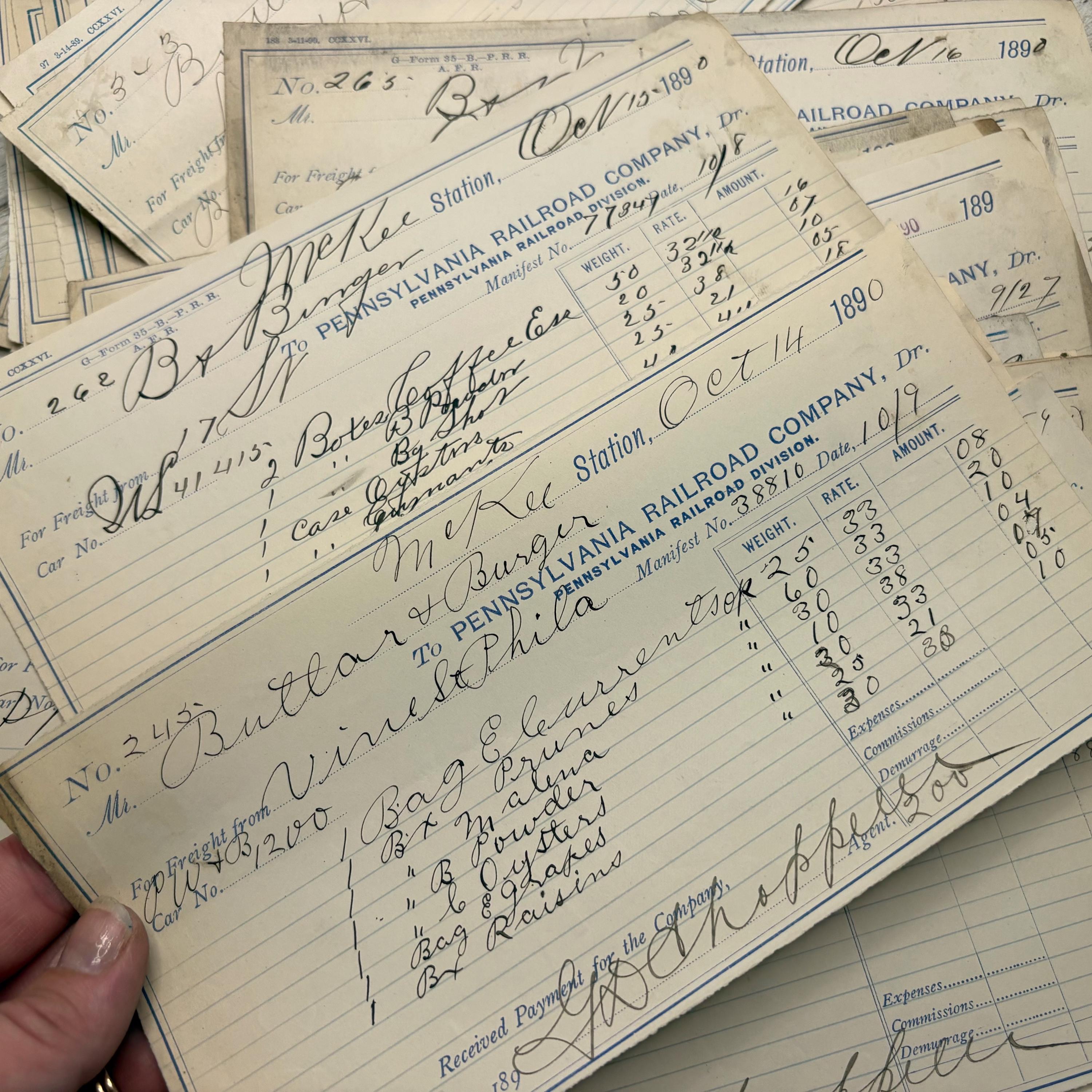
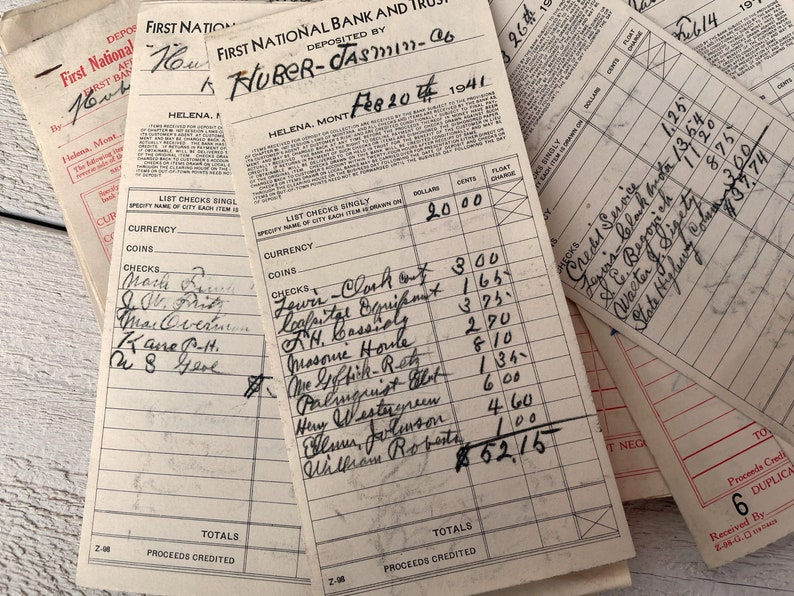
A handwritten receipt is a legally valid document confirming that a buyer paid a seller a specific amount of money for goods, services, or property. To satisfy business accounting rules and tax requirements, a handwritten receipt must clearly show the transaction date, vendor details, customer name, itemized breakdown of items or services, payment method, total amount received, and the seller’s signature.
What Is a Handwritten Receipt and Is It Legally Binding?
A handwritten receipt serves as proof of purchase when an electronic point-of-sale (POS) terminal, digital invoicing software, or cash register receipt printer is unavailable. Small business owners, landlords, independent contractors, craft vendors, and private sellers frequently use handwritten receipts written on receipt paper, carbon copy receipt books, or plain stationery to record cash, check, or direct transfer transactions.
From a legal standpoint, a handwritten receipt is fully binding provided it contains the core elements required by standard contract law and tax authorities. In the United States, the Internal Revenue Service (IRS) accepts legibly written receipts as valid documentary evidence for business expense deductions, provided the receipt establishes the amount, date, place, and essential character of the expense. However, an incomplete handwritten note—such as a scrap of paper that only displays a dollar figure without dates or business names—fails to meet legal proof-of-payment standards and will likely be rejected during a tax audit or legal dispute.
Using carbonless copy (NCR) receipt books is standard practice when issuing handwritten receipts. These duplicate or triplicate pads automatically generate a copy for the buyer while retaining an identical copy in the seller's physical receipt book for accounting reconciliations.
5 Examples of Handwritten Receipts for Common Transactions
Different transaction types require specific details to protect both parties and ensure accurate record-keeping. The following five examples illustrate how to format handwritten receipts across common business and personal sales scenarios.
1. General Cash Sale Receipt (Retail & Personal Goods)
General cash sale receipts document over-the-counter purchases, craft fair transactions, or second-hand equipment sales. Because cash transactions leave no electronic bank trail, this receipt must capture exact item details and quantities to substantiate the revenue for the seller and proof of ownership for the buyer.
Receipt Layout Example:
RECEIPT #: 1001Date: March 15, 2026Seller Name: Evergreen Antique Goods (Jane Doe)Address: 742 Evergreen Terrace, Springfield, ORPhone: (551) 019-2834
Sold To: Mark Stevenson
Items Purchased:
- Vintage Oak Dining Chair — Qty: 2 @ $75.00 = $150.00
- Solid Brass Table Lamp — Qty: 1 @ $45.00 = $45.00
Subtotal: $195.00Sales Tax (8%): $15.60Total Amount Paid: $210.60Payment Method: Cash
Received By: Jane Doe (Signature)
Key Elements Breakdown:This example explicitly itemizes individual unit costs, applies local sales tax, and references a sequential receipt number (#1001). Sequential numbering is critical for business audit trails, ensuring that income records contain no unaccounted gaps.
2. Residential Rent Payment Receipt
Landlords and property managers frequently issue handwritten rent receipts when tenants pay rent in cash or via cashier's check. A rental receipt must outline the specific rental property address and the precise coverage period to prevent disputes regarding unpaid rent or late fees.
Receipt Layout Example:
RENT RECEIPTReceipt Date: April 1, 2026Receipt No: RR-042
Received From: Michael ChangAmount Received: $1,450.00 (One Thousand Four Hundred Fifty Dollars)
For Rent of Property: 1204 Maple Street, Apt 3B, Seattle, WA 98101Rental Period Covered: April 1, 2026 – April 30, 2026
Payment Allocation:
- Monthly Rent: $1,400.00
- Designated Parking Space Fee: $50.00Total Paid: $1,450.00
Payment Method: Personal Check (#402)Current Balance Due: $0.00
Landlord/Manager Signature: Robert VancePrint Name: Robert Vance (Vance Property Management)
Key Elements Breakdown:Spelling out the payment amount in words alongside numerical figures ($1,450.00 / One Thousand Four Hundred Fifty Dollars) prevents fraudulent alteration of the paper slip. Clear identification of the payment allocation (rent vs. parking fee) ensures proper allocation in the landlord’s rental income ledgers.
3. Professional Service & Repair Receipt
Tradespeople, auto mechanics, plumbers, and home repair professionals use service receipts to separate labor costs from physical materials. Detailed service descriptions prevent warranty misunderstandings and help corporate clients claim proper business expense deductions.
Receipt Layout Example:
SERVICE & REPAIR RECEIPTDate: May 12, 2026Business Name: Apex Plumbing ServicesLicense #: PLB-99201-WAContact: (555) 014-9988 | service@apexplumbing.com
Customer: Sarah JenkinsService Location: 884 Oak Lane, Bellevue, WA
Description of Services & Parts:
- Emergency Drain Unclogging (Labor: 2 hrs @ $90/hr): $180.00
- Replacement Heavy-Duty P-Trap Pipe (Part #PT-44): $35.00
- Pipe Sealant Compound: $10.00
Subtotal: $225.00Tax: $18.00Total Paid: $243.00Payment Method: Credit Card (Auth Code: #883920)
Service Provider Signature: David Miller
Key Elements Breakdown:Including professional license numbers and separate lines for labor and materials supports commercial compliance. When businesses hire external service providers, the IRS guidelines on independent contractor payments require clear proof that the services were delivered and completed.
4. Deposit and Partial Payment Receipt
When a client pays an advance deposit or down payment for custom goods, vehicle purchases, or event bookings, a deposit receipt establishes the partial payment and documents the remaining outstanding balance.
Receipt Layout Example:
DEPOSIT RECEIPTDate: June 3, 2026Receipt #: DEP-2026-08
Issued By: Horizon Custom CabinetryIssued To: Elena Rostova
Project / Product Description: Custom Walnut Kitchen Island ConstructionTotal Agreed Contract Price: $5,000.00
Payment Details:
- Initial Deposit Paid Today: $2,000.00
- Payment Method: Bank Wire TransferRemaining Balance Due: $3,000.00Balance Due Date: Upon installation (Estimated July 15, 2026)
Terms: Deposit is non-refundable after materials are ordered on June 10, 2026.
Authorized Representative Signature: Marcus Vance
Key Elements Breakdown:Unlike a final sale receipt, a deposit receipt must state the total contract value, the deposit amount paid, the remaining balance, and explicit cancellation or refund terms to prevent pre-completion disputes.
5. Freelance & Independent Contractor Expense Receipt
Freelancers, consultants, and sole proprietors who incur reimbursable out-of-pocket expenses while executing client work issue specialized expense receipts to obtain immediate reimbursement.
Receipt Layout Example:
EXPENSE REIMBURSEMENT RECEIPTDate: July 19, 2026Payee (Freelancer): Alex Rivera (Design Consultant)Payer (Client): Nexus Marketing Group
Project Code: NMG-REBRAND-2026
Reimbursable Expense Items:
- High-Resolution Stock Photo Licenses (5 images): $150.00
- Color Proof Printing Fees (Print Shop Copy #441): $45.00
Total Expense Amount: $195.00Status: Paid in FullPayment Method: Cash
Received By: Alex RiveraApproved By Client: Claire Redfield (Marketing Director)
Key Elements Breakdown:This layout ties the expenditure directly to a client project identifier. Tying handwritten expense receipts to project codes simplifies bookkeeping for both the freelancer and the paying corporate entity.
Essential Elements Required for Tax Compliance and Audits
For a handwritten receipt to serve as verifiable audit evidence, it must satisfy statutory requirements set by tax authorities such as the IRS or HM Revenue & Customs. Omitting mandatory fields can lead tax examiners to disallow business expense deductions during an audit.
Essential Handwritten Receipt Annotation:
- Date & Receipt No.: RECEIPT #1084, Date: Oct 12, 2026
- Business Identification: Seller: Crestview Hardware Store, Address: 104 Main St, Austin, TX
- Buyer Identification: Customer: Solar Dynamics LLC
- Detailed Description & Itemized Pricing:
- 50ft Commercial Extension Cord: $45.00
- Heavy Duty Power Drill Bit Set: $30.00
- Total & Tax Breakdown: Subtotal: $75.00, Tax (8.25%): $6.19, TOTAL PAID: $81.19
- Payment Type: Payment Method: Cash
- Seller Signature: Received By: [Signature of Seller]
The core mandatory elements include:
- Transaction Date: The exact calendar day, month, and year the funds exchanged hands.
- Business or Vendor Identification: Full legal name, business operating name (DBA), street address, and contact telephone number or email.
- Buyer Identification: Name of the individual or company making the payment (essential for business expense deductions over standard thresholds).
- Itemized Description: Specific details of items sold or services performed. Broad notes like "goods" or "services" are insufficiently descriptive for tax verification.
- Financial Breakdown: Item subtotal, applicable local sales taxes, freight or delivery charges, and the final grand total paid.
- Payment Method: Specification of whether payment was made via cash, check (with check number), credit card, or bank transfer.
- Authorized Signature: Physical signature of the seller confirming receipt of funds.
Under IRS Publication 463 (Travel, Gift, and Entertainment Expenses), documentary evidence such as receipts is generally required for any business expense of $75 or more. However, retaining explicit handwritten receipts for all cash payments regardless of amount is standard accounting best practice.
Comparing Handwritten Receipt Types and Required Fields
The following matrix compares common handwritten receipt types, highlighting essential fields and operational requirements.
| Receipt Type | Primary Use Case | Required Fields | Key Tax Risk Area |
|---|---|---|---|
| General Cash Sale | Retail, pop-up shops, flea markets, personal equipment sales | Date, Vendor Name, Itemized List, Sales Tax, Total Amount | Unrecorded cash sales leading to income underreporting |
| Rent Receipt | Residential and commercial property lease payments | Date, Tenant Name, Property Address, Rental Period, Payment Method | Failing to separate monthly rental fees from security deposits |
| Service & Repair | Plumbers, mechanics, handymen, home renovators | Date, Business Name, License #, Parts vs. Labor Split, Tax | Inadequate itemization of labor and taxable materials |
| Deposit Receipt | Custom orders, vehicle sales, project retainers | Date, Buyer Name, Full Contract Price, Amount Paid, Remaining Balance, Non-refundability terms | Misclassifying partial deposits as fully earned income before performance |
| Freelance Expense | Out-of-pocket project costs reimbursed by clients | Date, Payee/Payer Names, Associated Project Code, Itemized Outlay | Missing underlying original receipts supporting the reimbursement request |
Common Mistakes When Writing or Accepting Handwritten Receipts
Handwritten documentation is prone to human error, legibility issues, and omission of key facts. Avoiding these frequent mistakes ensures your financial records remain bulletproof:
- Using Vague Descriptions: Writing broad terms like "stuff," "merchandise," or "consulting" makes it difficult to justify business relevance during tax reviews. Always use clear descriptions such as "2x Wood Desk Chairs" or "3 Hours Web Maintenance."
- Failing to Keep Duplicates: Issuing a single handwritten slip to a customer without retaining a carbon copy leaves the seller without physical proof of revenue. Always use pre-numbered carbonless duplicate books.
- Skipping Sales Tax Calculations: Small businesses collecting cash must separate gross receipts from applicable state or local sales tax. Failing to display sales tax on handwritten receipts does not exempt the business from remitting required taxes to state revenue agencies.
- Writing in Pencil: Receipts written in graphite pencil can be altered after issuance. Always write receipts using non-erasable blue or black ink.
- Omitting the Payment Method: Leaving off the payment method (cash, check, or wire transfer) complicates bank statement reconciliations during month-end closes.
How to Record and Digitalize Handwritten Receipts for Business Accounting
While physical paper receipts satisfy basic record-keeping demands, physical paper degrades over time. Thermal receipts fade completely, and standard paper can be misplaced or damaged by moisture. Modern cloud accounting workflows emphasize digital archiving.
Handwritten Receipt Digitalization Workflow:
- Write/Issue Dual Carbon Paper Slip
- Capture High-Res Scan/Photo (Mobile App)
- Run OCR & Extract Metadata (Date/$)
- Reconcile With Bank Ledger / Accounting ERP
- Secure Cloud Storage (IRS Compliant 7-Yr)
Digital Archiving Steps:
- Immediate Mobile Capture: Use a mobile scanning app or digital accounting tool (such as QuickBooks Online, Xero, or Expensify) to photograph the handwritten receipt immediately after signing.
- Optical Character Recognition (OCR) Verification: Verify that the automated accounting tool accurately reads the handwritten figures, date, and vendor name. Handwritten entries often require manual confirmation of digit values.
- Cloud Storage Backup: Store high-resolution image files (PDF or JPEG) in organized cloud directories formatted by tax year and category (e.g.,
2026/Expenses/Utilities). The IRS permits digital receipt images as long as they are legible, complete, and readily accessible upon request. - Physical Storage: Store hard copies of carbon receipt books in chronological order within climate-controlled filing boxes. Retain business receipts for a minimum of 3 to 7 years in accordance with standard statutory limitation periods.
Frequently Asked Questions About Handwritten Receipts
Are handwritten receipts legally valid for IRS tax deductions?
Yes, the IRS accepts handwritten receipts as valid documentary evidence for tax deductions provided they are legible, authentic, and contain all required information: transaction date, dollar amount, seller identity, and business purpose.
Do handwritten receipts require a physical signature?
While contract law does not require a signature for minor retail purchases, obtaining a physical signature on a handwritten receipt—especially for cash transactions, rental payments, or service contracts—provides essential evidence that funds were received by the recipient.
Can a buyer write their own handwritten receipt?
A buyer cannot unilaterally create a self-issued receipt to prove an expense. However, a buyer can draft a receipt form or voucher and present it to the seller at the time of payment for the seller to review, verify, and physically sign.
How long must a business retain handwritten receipts?
Businesses should retain handwritten receipts for a minimum of three years from the tax return filing date. If unrecorded income or bad debt claims are involved, tax authorities recommend keeping physical or scanned receipt archives for up to seven years.
What is the difference between a handwritten receipt and a handwritten invoice?
A handwritten invoice is a request for payment issued before or alongside delivery of goods and services, detailing terms and amounts due. A handwritten receipt is proof of payment issued after payment has been completed, confirming that money has been received.
Summary and Next Actions
Handwritten receipts remain a flexible, legally compliant tool for capturing business income and expenses when digital systems are offline or unavailable. By consistently using pre-numbered duplicate receipt books, documenting full transaction details, and capturing digital copies, you ensure clear records and reliable audit protection.
Recommended Next Actions:
- Obtain a standard, pre-numbered carbonless (NCR) receipt book for field sales or emergency backup use.
- Audit your current receipt routines to verify that all handwritten receipts capture mandatory fields: date, vendor details, customer name, itemization, taxes, payment method, and signature.
- Implement a cloud accounting scanner application to photograph and archive handwritten paper slips immediately upon issue.