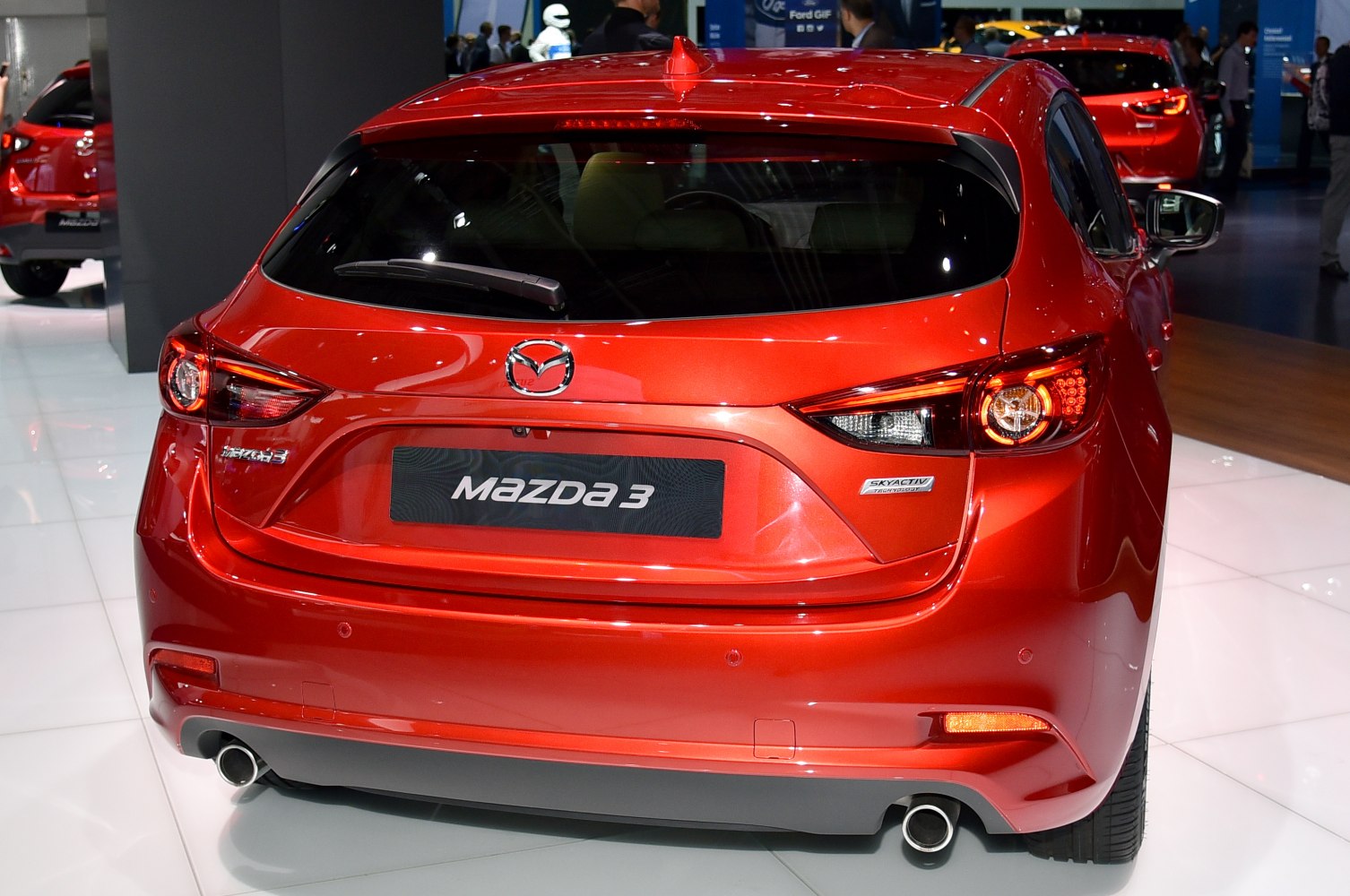
The most common Mazda 3 hatchback issues include persistent interior rattles, parasitic battery drain, thin exterior paint prone to chipping, infotainment "ghost touching" in older models, and transmission shuddering related to cylinder deactivation. While generally reliable, addressing these quirks through software updates, protective coatings, and proactive component replacement is essential for long-term vehicle health.
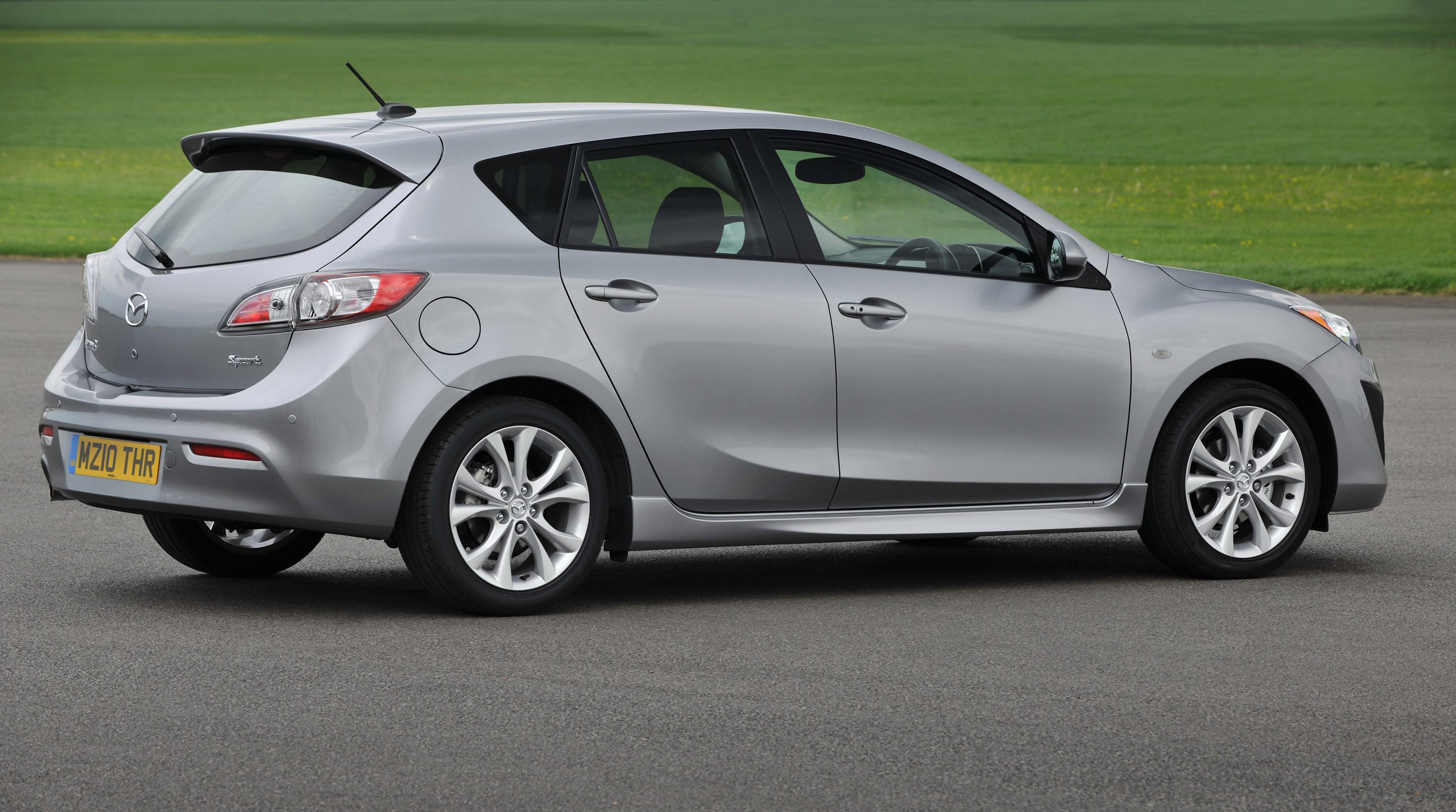
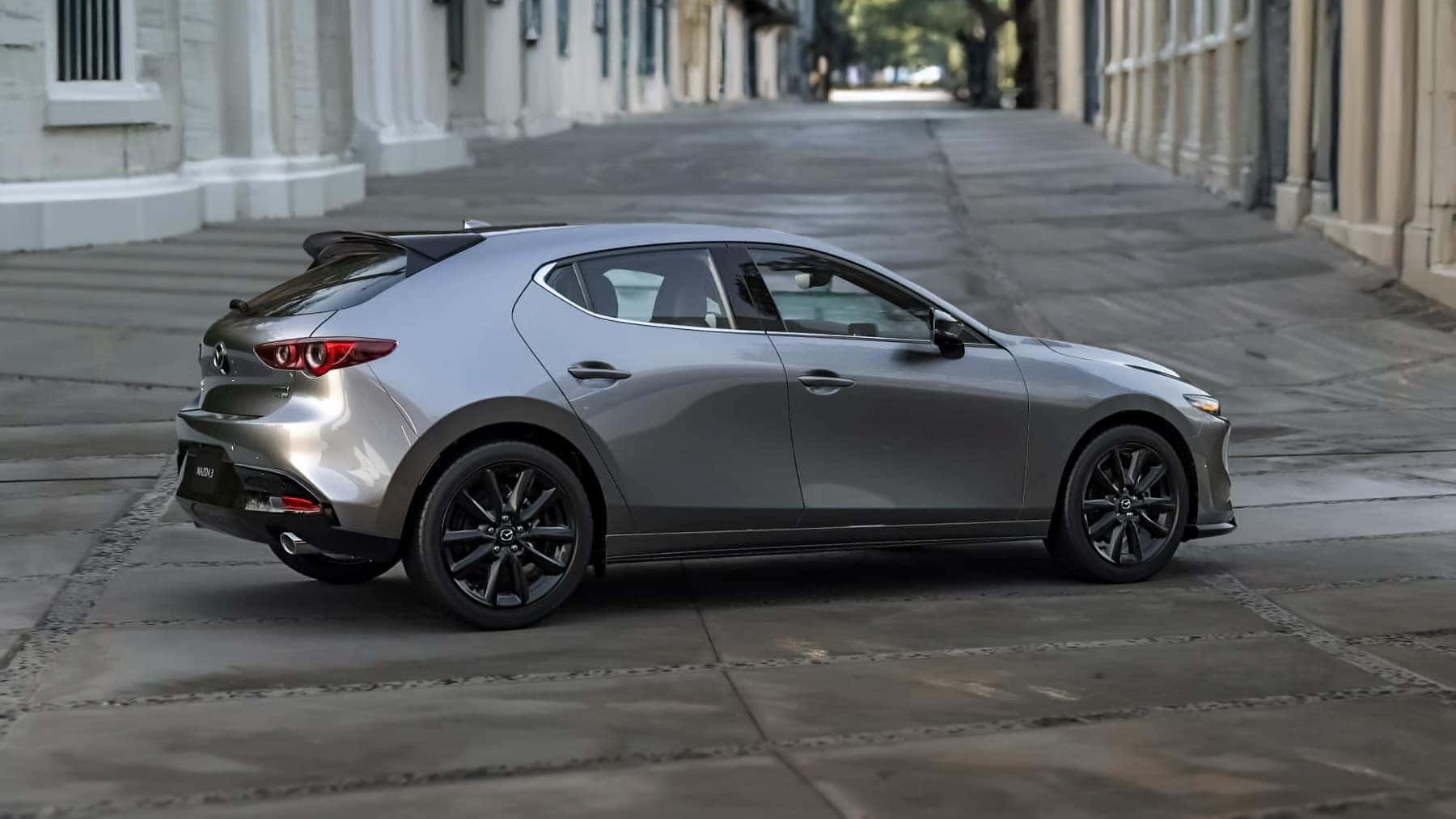
The Mazda 3 hatchback has long been a favorite among enthusiasts who prioritize driving dynamics and "Mazda Premium" interior design over the utilitarian nature of its competitors. However, no vehicle is without its flaws. As we look at the landscape of the Mazda 3 in 2026, ranging from the third-generation (BM/BN) to the mature fourth-generation (BP) models, specific patterns of mechanical and electrical wear have emerged. Understanding these issues is the first step toward maintaining the vehicle’s celebrated Kodo design and SkyActiv performance.
1. Interior Rattles and NVH Degradation
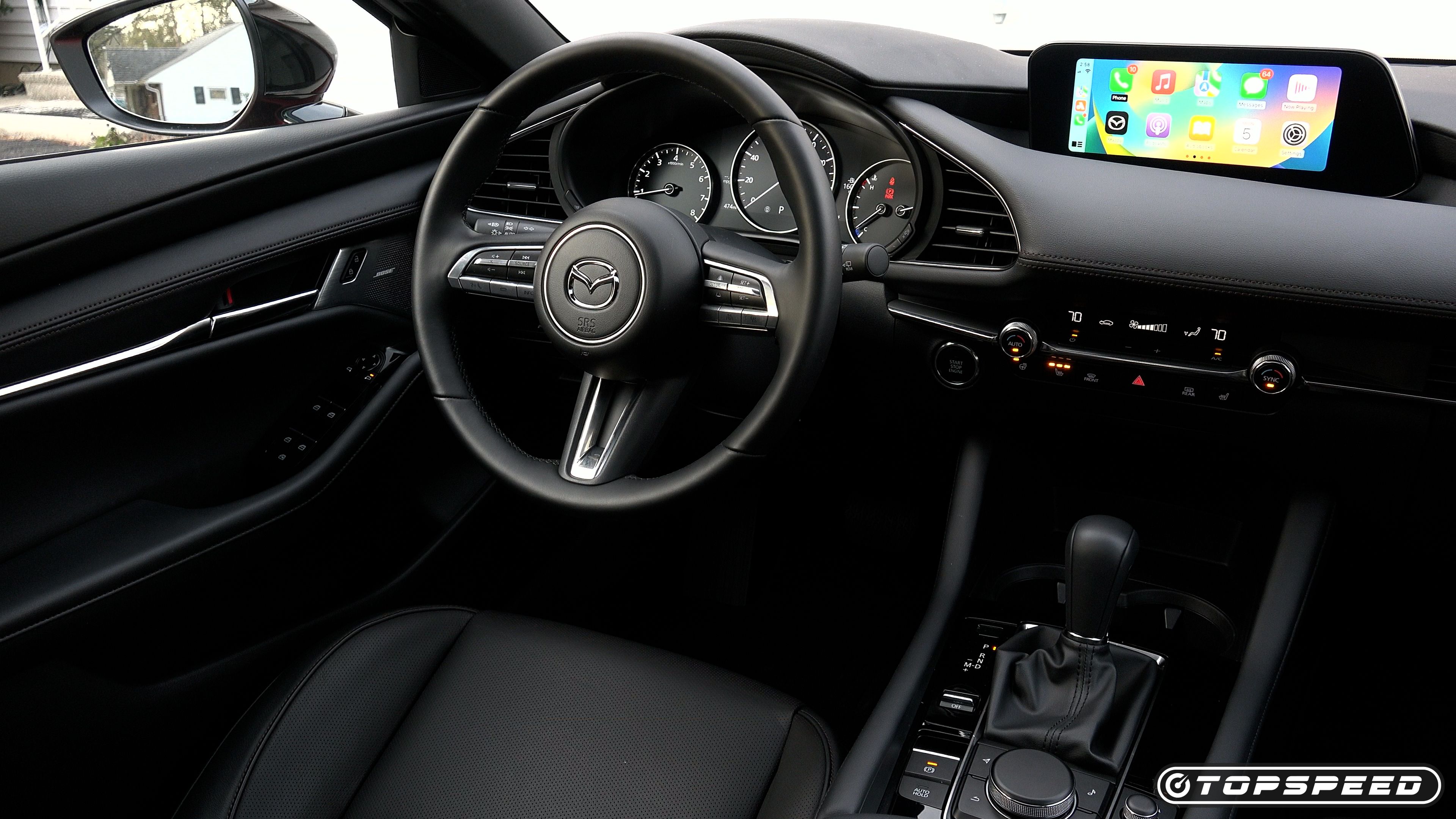
One of the most frequent complaints from Mazda 3 owners, particularly those with the fourth-generation (2019–present) models, involves persistent interior rattles and squeaks. While Mazda moved the brand upmarket with high-quality materials like soft-touch plastics and leatherette, the assembly of these components sometimes struggles with thermal expansion and vibration.
The Source of the Noise
The most common areas for these rattles include the A-pillars, the Head-Up Display (HUD) housing, and the overhead console near the sunglasses holder. In many cases, the clips used to secure the interior trim are made of a rigid plastic that can vibrate against the metal frame of the car or other plastic panels.
Environmental Factors
These issues often fluctuate with the weather. In colder climates, the plastic components contract, creating small gaps that allow for movement and "clicking" sounds. Conversely, in extreme heat, panels may expand and rub against one another, creating a "creaking" noise.
Technical Solutions
For owners experiencing these issues in 2026, the primary solution is the application of automotive felt tape or foam insulation behind the offending panels. Mazda has issued several Technical Service Bulletins (TSBs) over the years addressing specific rattle points. If the vehicle is still under a certified pre-owned warranty, dealerships often apply these fixes by adding dampening material to the clip interface points.
2. Parasitic Battery Drain and Electrical Gremlins
The modern Mazda 3 is a rolling computer, equipped with the i-Activsense safety suite, advanced keyless entry, and sophisticated engine management systems. This high level of integration has led to a recurring issue known as parasitic battery drain, where the car’s electrical systems fail to enter "Deep Sleep" mode after the ignition is turned off.
Identifying the Cause
The primary culprit is often the Body Control Module (BCM) or the keyless entry system. If the key fob remains too close to the vehicle (for example, hanging on a hook in a garage right next to the car), the vehicle’s sensors may remain "awake," constantly searching for a signal and draining the 12V battery overnight.
Symptoms of Battery Failure
- Slow engine cranking during startup.
- Random "Low Battery Risk" warnings on the instrument cluster.
- The infotainment screen resetting or flickering.
- Malfunction of the i-Stop (stop-start) system, which requires a high state of charge to operate.
Preventive Measures
In 2026, many owners have transitioned to high-performance AGM (Absorbent Glass Mat) batteries, which handle deep cycles better than the standard flooded lead-acid batteries originally supplied by the factory. Additionally, ensuring the vehicle has the latest BCM software update can often resolve logic errors that keep the electrical systems active.
3. Exterior Paint Fragility and "Soul Red" Issues
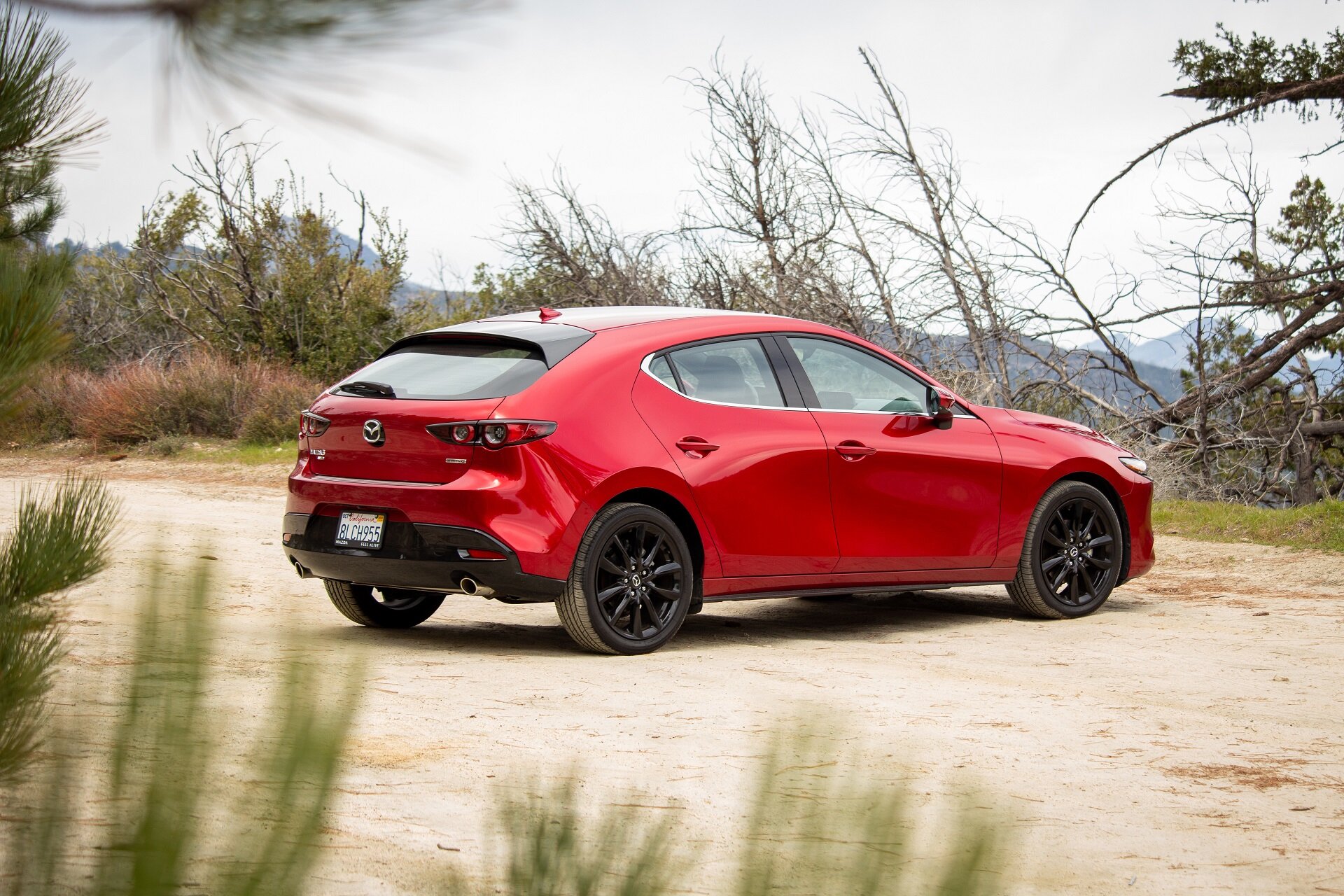
Mazda is world-renowned for its "Takuminuri" painting process, which produces deep, lustrous colors like Soul Red Crystal and Machine Gray. However, the beauty of these colors comes at a cost: the paint layers are exceptionally thin and brittle compared to industry standards.
The Physics of Chipping
The Mazda 3's paint often measures between 70 to 100 microns in thickness, whereas some competitors use 120+ microns. This thinness makes the front fascia, hood, and side mirrors highly susceptible to rock chips. Once the clear coat is compromised, the multi-layered paint is difficult to touch up perfectly because the color depends on the light reflecting through specific tinted layers.
Corrosion Concerns
In regions where road salt is used heavily during winter, these rock chips can quickly become entry points for surface rust. The hatchback’s rear wheel arches are particularly vulnerable to "sandblasting" from road debris kicked up by the tires.
Protection Strategies
For owners of newer models, the most effective solution is the application of Paint Protection Film (PPF) on high-impact areas. For existing chips, using a vehicle-specific paint pen from a reputable supplier is necessary, though matching the metallic flake of Soul Red remains a challenge for DIY repairs.
4. Infotainment System "Ghost Touching" and Delamination
This issue primarily affects the third-generation Mazda 3 (2014–2018) equipped with the MZD Connect touchscreen. As these vehicles age into 2026, the capacitive layer of the screen often begins to fail due to environmental exposure and internal heat.
What is Ghost Touching?
"Ghost touching" occurs when the infotainment system registers phantom inputs, causing the screen to jump between menus, change radio stations, or make phone calls without user intervention. This usually happens while the car is stationary, as the touchscreen is disabled by software once the vehicle exceeds 5 mph (unless modified).
The Root Cause: Delamination
The screen is composed of several layers bonded together with adhesive. Over time, this adhesive can fail (delaminate), creating bubbles or "spider-web" patterns around the edges of the display. This physical degradation confuses the electrical sensors in the capacitive layer.
Repair vs. Replacement
- Dealer Replacement: Historically, Mazda offered extended warranty coverage for this issue, but most third-generation cars are now outside that window. A full unit replacement can be expensive.
- DIY Fix: Some owners choose to disassemble the screen and simply disconnect the ribbon cable for the touch digitizer. Since the system can be fully controlled via the commander knob in the center console, this is a cost-effective way to stop the "ghost" inputs without replacing hardware.
5. Drivetrain Shudder and Cylinder Deactivation
The SkyActiv-G 2.5L engine found in many Mazda 3 hatchbacks features cylinder deactivation technology, designed to improve fuel economy by shutting down two of the four cylinders during light-load cruising. While efficient, the transition between these modes isn't always seamless.
Recognizing the Shudder
Owners have reported a noticeable vibration or "shudder" when the engine transitions from two-cylinder back to four-cylinder mode, typically between 30 and 50 mph. This is sometimes mistaken for a transmission slip or an unbalanced wheel.
Manual Transmission Quirks
In hatchback models equipped with the 6-speed manual transmission, some owners have noted a "notchy" feeling or resistance when shifting into second or third gear when the gearbox is cold. This is generally considered a characteristic of the high-tolerance synchros Mazda uses, but it can be alarming to those used to softer gearboxes.
Maintenance and Updates
The drivetrain shudder is often addressed via a Powertrain Control Module (PCM) software calibration. In 2026, it is highly recommended to ensure the vehicle's firmware is up to date, as Mazda refined the cylinder deactivation logic several times throughout the 2020s to smooth out these transitions.
Comparison of Repair Complexity and Costs
The following table outlines the estimated costs and severity of the five issues discussed, based on 2026 market averages for parts and labor.
| Issue | Severity | Estimated Repair Cost (USD) | Primary Solution |
|---|---|---|---|
| Interior Rattles | Low | $50 - $300 | Felt tape & foam dampening |
| Battery Drain | Moderate | $150 - $250 | AGM Battery & Software Update |
| Paint Chipping | Low/Aesthetic | $500 - $1,500 | PPF or Professional Respray |
| Ghost Touching | Moderate | $0 - $600 | Digitizer replacement or bypass |
| Drivetrain Shudder | High | $100 - $400 | PCM Software Flash |
Technical Specifications and Prerequisites for Troubleshooting
Before attempting to diagnose these issues yourself, ensure you have the necessary data and tools:
- OBD-II Scanner: A basic diagnostic tool is required to check for "Soft Codes" related to the BCM or PCM that may not trigger a Check Engine Light (CEL).
- Multimeter: Essential for testing the battery's resting voltage and checking for parasitic draw (the car should typically draw less than 50mA after sitting for 30 minutes).
- VIN Check: Always check the NHTSA Recalls Database or the official Mazda Recall Portal to see if your specific vehicle is eligible for a free repair under an existing TSB or safety recall.
- Service History: Verify if the previous owner performed regular "Carbon Cleaning." SkyActiv engines are Direct Injection (GDI), and carbon buildup on intake valves can sometimes mimic drivetrain shudders or rough idling.
Frequently Asked Questions
Is the Mazda 3 Hatchback a reliable car in 2026?
Yes, the Mazda 3 remains one of the most reliable vehicles in its class. Most of the issues discussed are "nuisance" problems rather than catastrophic mechanical failures. The core SkyActiv engines and 6-speed transmissions are known to exceed 150,000 miles with basic maintenance. Compared to competitors with CVTs or turbocharged small-displacement engines, the Mazda 3's naturally aspirated powertrain is remarkably robust.
Which model year of the Mazda 3 is the most reliable?
For the fourth generation, the 2022 and 2023 models are often cited as the "sweet spot." By these years, Mazda had addressed the initial software bugs of the 2019 launch year and refined the interior assembly processes to reduce rattles. For the third generation, the 2017–2018 (BN) facelift models are considered highly reliable as the infotainment hardware was improved.
Why is my Mazda 3 screen showing spider-web cracks?
This is a symptom of delamination, where the bonding agent between the LCD and the protective glass fails. This is almost always caused by heat exposure. If you live in a high-temperature region, using a sunshade can help prevent this issue. While it looks like a crack, it is usually internal to the screen assembly.
Does the Mazda 3 require special oil?
Mazda recommends 0W-20 synthetic oil for the SkyActiv-G engines. Using a high-quality full synthetic oil is critical because of the engine's high compression ratio (13:1 or 14:1 depending on the market). In 2026, it is also recommended to use "Top Tier" gasoline to minimize carbon buildup on the fuel injectors and intake valves.
Can I fix the paint chips myself?
While you can use a touch-up pen, the results on Mazda’s metallic colors are often noticeable. Because the paint is applied in layers (base, translucent mid-coat, clear coat), a simple one-step paint pen cannot replicate the depth of the factory finish. For small chips, a pen is sufficient to prevent rust, but for larger areas, professional blending is required.
Next Steps for Owners
If you are currently experiencing any of these issues, your first action should be to verify your battery health. Electrical instability is the "root of all evil" in modern Mazdas and can cause false sensor readings or infotainment glitches. Once the electrical system is confirmed healthy, consult a specialist for software updates before pursuing expensive hardware replacements. Regular maintenance, including GDI intake cleaning every 50,000 miles, will keep your Mazda 3 hatchback performing at its peak for years to come.