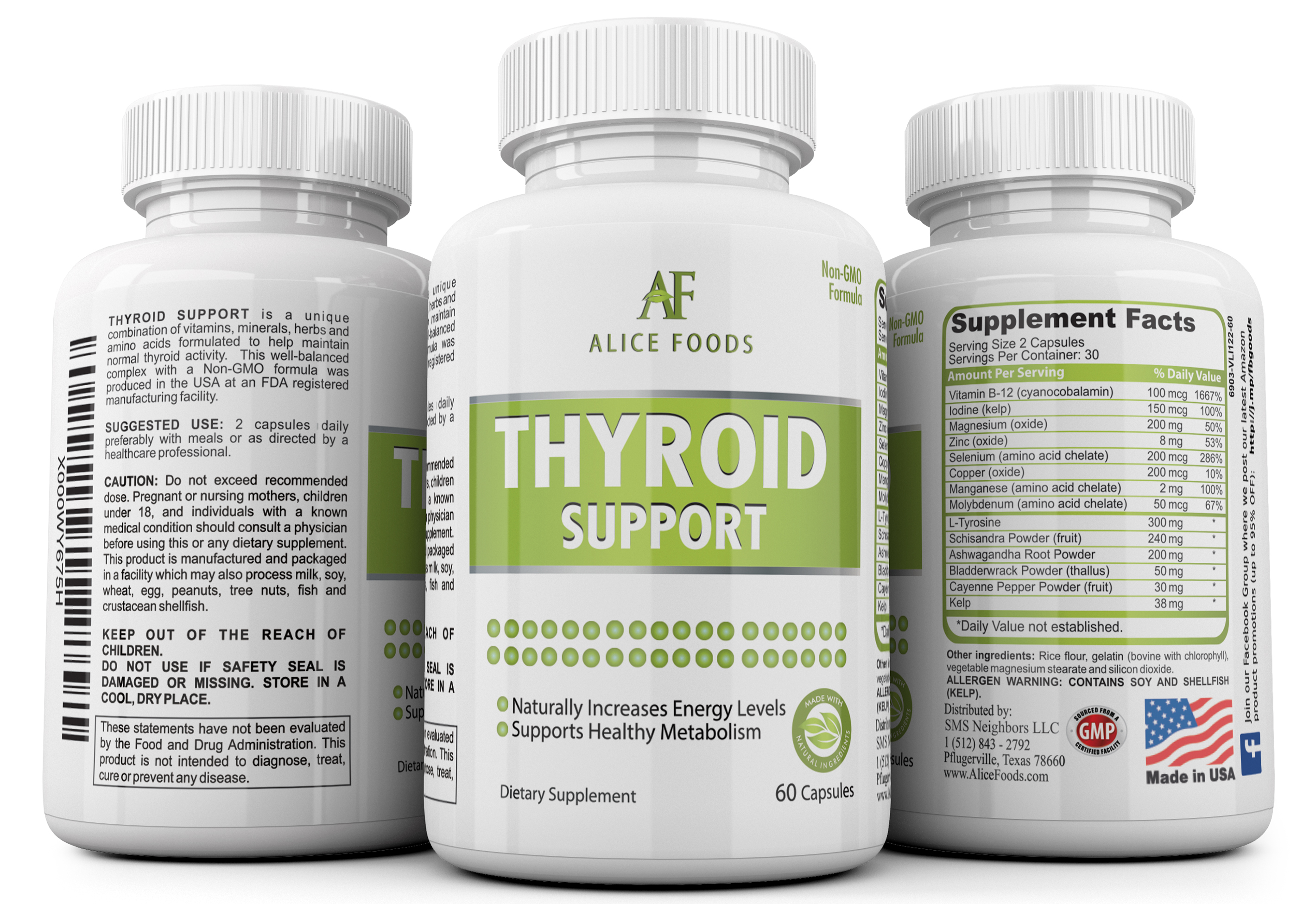
When dealing with low thyroid function, commonly known as hypothyroidism, targeted nutritional support can help bridge dietary gaps and support overall metabolic health. The five most frequently utilized supplements for this condition are selenium, zinc, vitamin D, iron, and L-tyrosine, each playing a distinct role in thyroid hormone synthesis, conversion, and immune modulation.
Understanding how these compounds interact with the endocrine system requires looking closely at both biochemical pathways and clinical evidence. While conventional levothyroxine replacement therapy remains the gold standard for clinical hypothyroidism, nutritional adjuncts are widely studied for their potential to alleviate symptoms, reduce inflammatory markers, and optimize residual gland function.
Navigating the supplement landscape safely requires careful consideration of blood levels, potential drug-nutrient interactions, and the underlying root causes of thyroid dysfunction, such as autoimmune Hashimoto’s thyroiditis.
Understanding Low Thyroid Function and Nutritional Needs
The thyroid gland relies on a precise cascade of micronutrients to manufacture and activate its primary hormones, thyroxine (T4) and triiodothyronine (T3). When the body lacks key cofactors, thyroid hormone production slows down, or the peripheral conversion of inactive T4 into active T3 becomes impaired. This systemic slowdown manifests as fatigue, weight gain, cold intolerance, dry skin, and cognitive fog.
It is critical to distinguish between primary hypothyroidism—where the thyroid gland itself fails to produce adequate hormones—and subclinical or nutritionally driven thyroid sluggishness. In cases of autoimmune thyroiditis (Hashimoto's disease), the immune system attacks the thyroid tissue, creating chronic inflammation that further depletes vital nutrient stores.
Before introducing any new supplement regimen, comprehensive lab testing is essential. This includes measuring thyroid-stimulating hormone (TSH), free T4, free T3, thyroid peroxidase antibodies (TPOAb), and specific micronutrient panels. Self-supplementing without identifying actual deficiencies can lead to adverse effects, mask underlying medical conditions, or interfere with prescription thyroid medications.
1. Selenium: The Antioxidant Defender
Selenium is an indispensable trace mineral concentrated heavily in the thyroid gland, which boasts the highest concentration of selenium per gram of tissue in the entire human body.
Mechanism and Thyroid Health
Selenium is a mandatory component of selenoproteins, specifically the family of enzymes known as iodothyronine deiodinases. These enzymes are responsible for converting the storage hormone T4 into the active T3 hormone throughout the body. Without adequate selenium, this conversion stalls, leaving tissues under-supplied with active thyroid hormone even if total T4 levels appear normal.
Furthermore, selenium functions as a powerful antioxidant via glutathione peroxidase enzymes. In autoimmune conditions like Hashimoto's, these enzymes neutralize the oxidative stress and hydrogen peroxide generated during thyroid hormone synthesis, protecting the thyroid tissue from ongoing immune-mediated destruction.
Dosage, Forms, and Precautions
- Recommended Form: L-selenomethionine or selenium yeast is typically utilized in clinical studies for its high bioavailability.
- Standard Dosage: Research on Hashimoto's thyroiditis frequently evaluates doses between 100 and 200 micrograms (mcg) daily. The tolerable upper intake level for adults is set at 400 mcg per day.
- Precautions: Excessive selenium intake can lead to toxicity (selenosis), characterized by hair loss, gastrointestinal distress, nail brittleness, and a metallic taste in the mouth. Always test baseline serum or whole-blood selenium levels before initiating high-dose supplementation.
2. Zinc: The Hormone Regulator
Zinc is a fundamental intracellular mineral involved in hundreds of enzymatic reactions, including the regulation of the hypothalamic-pituitary-thyroid (HPT) axis.
Mechanism and Thyroid Health
Zinc is required for the synthesis of thyrotropin-releasing hormone (TRH) in the hypothalamus and thyroid-stimulating hormone (TSH) in the pituitary gland. Adequate zinc levels ensure proper signaling communication between the brain and the thyroid gland. Additionally, zinc plays a supportive role in the structural integrity of thyroid hormone receptor proteins, enabling cells to properly receive and utilize circulating T3.
Zinc deficiency frequently co-occurs with hypothyroidism. Low thyroid hormone levels reduce the intestinal absorption of zinc, while low zinc concurrently impairs thyroid function, creating a self-perpetuating cycle of metabolic sluggishness.
Dosage, Forms, and Precautions
- Recommended Form: Zinc glycinate or zinc picolinate offers high absorption rates with minimal gastrointestinal side effects compared to zinc oxide.
- Standard Dosage: Supplemental ranges typically fall between 15 and 30 milligrams (mg) of elemental zinc daily.
- Precautions: Long-term high-dose zinc supplementation can induce a copper deficiency by competing for intestinal absorption pathways. It is often beneficial to balance zinc intake with small amounts of copper if supplementation extends beyond a few months. Zinc should also be taken away from iron supplements and certain antibiotics, as they bind to each other and reduce absorption.
3. Vitamin D: The Immune Modulator
Often classified as a prohormone rather than a simple vitamin, vitamin D plays a sweeping role in immune system regulation and gene expression across nearly every tissue in the body.
Mechanism and Thyroid Health
Epidemiological studies consistently demonstrate a high prevalence of vitamin D deficiency among individuals diagnosed with autoimmune hypothyroidism. Vitamin D receptors (VDR) are present on immune cells and thyroid cells alike. By modulating the immune response, adequate vitamin D levels help downregulate inflammatory Th17 cells and support regulatory T-cell function, which may reduce the intensity of the autoimmune attack on the thyroid gland in Hashimoto's patients.
Beyond immunology, vitamin D supports the systemic inflammatory balance required for normal metabolic function, helping mitigate the persistent fatigue and musculoskeletal aches associated with low thyroid states.
Dosage, Forms, and Precautions
- Recommended Form: Cholecalciferol (Vitamin D3) is significantly more effective at raising and maintaining serum 25-hydroxyvitamin D levels than plant-based ergocalciferol (Vitamin D2).
- Standard Dosage: Dosing should be guided by 25-hydroxyvitamin D blood test results. Maintenance doses generally range from 1,000 to 5,000 International Units (IU) daily, often taken with a fat-containing meal to enhance absorption.
- Precautions: Because vitamin D is fat-soluble, excessive intake can lead to hypercalcemia (abnormally high calcium levels in the blood), which can cause kidney stones and cardiovascular stress. Periodic blood level monitoring is strongly advised.
4. Iron: Essential for Thyroid Peroxidase
Iron is a critical component of multiple biological systems, most notably oxygen transport via hemoglobin. However, its role in endocrinology is equally vital, particularly regarding thyroid hormone synthesis.
Mechanism and Thyroid Health
Iron is an obligatory cofactor for the enzyme thyroid peroxidase (TPO). TPO is the master enzyme responsible for oxidizing iodide and attaching it to thyroglobulin residues during the initial steps of thyroid hormone manufacture. Without sufficient iron stores, TPO activity drops precipitously, impairing the gland's ability to produce T4.
Furthermore, iron is required for the peripheral conversion of T4 to T3 via deiodinase enzymes. Iron deficiency anemia frequently mimics or exacerbates hypothyroid symptoms—such as profound fatigue, weakness, and hair thinning—making differential diagnosis essential. It is entirely possible for a patient to have normal hemoglobin levels while experiencing cellular iron depletion indicated by a low ferritin level.
Dosage, Forms, and Precautions
- Recommended Form: Iron bisglycinate (gentle iron) is generally well-tolerated and less likely to cause the constipation and gastric upset associated with ferrous sulfate.
- Standard Dosage: Tailored strictly to serum ferritin and iron panel results. Supplementation should never be initiated blindly based on symptoms alone.
- Precautions: Iron overload is dangerous and can lead to organ damage. Crucially, iron supplements must be separated from thyroid hormone replacement medication (levothyroxine) by at least four hours, as iron directly binds to thyroid hormone in the gut, rendering the medication ineffective.
5. L-Tyrosine: The Amino Acid Building Block
L-Tyrosine is a conditionally essential amino acid that serves as the structural backbone for thyroid hormone molecules.
Mechanism and Thyroid Health
Each molecule of thyroxine (T4) is constructed by binding four iodine atoms to a core structure made from L-tyrosine and thyroglobulin. Under normal physiological conditions, the human body synthesizes sufficient tyrosine from phenylalanine. However, during periods of chronic stress, severe illness, or high metabolic demand, endogenous synthesis may fall short.
Supplementing with L-tyrosine provides a direct reservoir of the amino acid substrate required for thyroid hormone assembly, while also acting as a precursor for key neurotransmitters like dopamine, norepinephrine, and epinephrine, which help combat hypothyroid-related brain fog and lethargy.
Dosage, Forms, and Precautions
- Recommended Form: Free-form L-tyrosine or N-acetyl-L-tyrosine (NALT).
- Standard Dosage: Clinical usage typically ranges from 500 to 1,500 mg daily, often taken in divided doses on an empty stomach.
- Precautions: L-tyrosine can increase the production of catecholamines and should be avoided by individuals taking MAO inhibitors (MAOIs), those with hyperthyroidism (Graves' disease), or people with a history of malignant melanoma, as tyrosine is involved in melanin synthesis.
Comparing Thyroid Supplements: At a Glance
| Supplement | Primary Target / Mechanism | Common Form | Key Caution / Interaction |
|---|---|---|---|
| Selenium | T4-to-T3 conversion; antioxidant defense | L-selenomethionine | Avoid exceeding 400 mcg daily to prevent toxicity. |
| Zinc | TRH/TSH regulation; receptor support | Zinc glycinate / picolinate | May induce copper depletion with long-term high doses. |
| Vitamin D3 | Immune modulation; reduces inflammation | Cholecalciferol | Requires periodic blood level monitoring to prevent hypercalcemia. |
| Iron | Cofactor for thyroid peroxidase (TPO) | Iron bisglycinate | Must be separated from levothyroxine by at least 4 hours. |
| L-Tyrosine | Direct structural backbone for T4/T3 | Free-form L-tyrosine | Contraindicated in hyperthyroidism and MAOI usage. |
Practical Guidance and Safety Considerations
Integrating nutritional supplements into a thyroid management plan requires a strategic, methodical approach. Haphazardly combining multiple products increases the risk of adverse reactions, financial waste, and pharmacological interference.
- Test, Don't Guess: Always request comprehensive blood panels from a qualified healthcare provider to identify exact nutritional shortfalls before purchasing supplements.
- Review Medication Timing: Thyroid hormone replacement medications (such as Synthroid, Levoxyl, or NDT) are notoriously sensitive to absorption interference. Minerals such as iron, calcium, magnesium, and zinc must be spaced at least four hours away from prescription thyroid medication.
- Monitor and Reassess: Supplements should be re-evaluated every 3 to 6 months through follow-up blood work to verify efficacy and prevent over-supplementation.
- Prioritize Diet First: Whole-food sources—such as Brazil nuts for selenium, pumpkin seeds for zinc, fatty fish for vitamin D, and lean meats for iron—should form the foundation of any metabolic support protocol.
Frequently Asked Questions
Can supplements cure hypothyroidism permanently?
No, nutritional supplements cannot cure primary hypothyroidism or autoimmune Hashimoto's disease. While targeted supplementation can optimize thyroid hormone conversion, reduce localized inflammation, and correct underlying deficiencies, the vast majority of individuals with clinical hypothyroidism require lifelong hormone replacement therapy managed by a physician.
Should I take iodine if I have a low thyroid?
Iodine supplementation should only be undertaken if a documented deficiency is confirmed via testing. In cases of autoimmune Hashimoto's thyroiditis, high-dose iodine can actually trigger an autoimmune flare-up and worsen thyroid inflammation (known as the Wolff-Chaikoff effect), potentially accelerating thyroid tissue damage.
How do I know if my supplement is interfering with my thyroid medication?
The most reliable indicator of interference is an unexpected shift in your TSH and free hormone lab results, often accompanied by a return of hypothyroid symptoms like fatigue and weight fluctuations. To prevent absorption issues, always take your thyroid medication on an empty stomach with water, waiting at least 30 to 60 minutes before eating or consuming coffee, and separating calcium, iron, and multivitamin supplements by at least four hours.
Is it safe to combine all five of these supplements?
Combining multiple supplements can be safe, but only if specific deficiencies have been identified. Taking high doses of multiple minerals simultaneously can create competitive absorption issues in the gut. Consulting a clinical dietitian, endocrinologist, or functional medicine practitioner ensures that your specific combination is balanced and safe.
What lifestyle factors influence thyroid supplement effectiveness?
Chronic psychological and physical stress significantly depletes micronutrient reserves, impairs T4-to-T3 conversion via cortisol elevation, and exacerbates gut permeability. Ensuring adequate restorative sleep, managing stress, and maintaining gut health are critical foundational steps that allow targeted thyroid supplements to work effectively.