Choosing the right ski shell for aggressive riding requires a balance of bombproof weather protection, high breathability during intense physical exertion, and exceptional durability to withstand impacts, tree branches, and heavy packs. Unlike insulated jackets designed for resort cruising, a pure hardshell acts as a technical shield, allowing you to micro-adjust your layering system based on rapidly changing mountain weather and output levels.
When evaluating outerwear for aggressive skiing—whether you are charging steep couloirs, navigating tight tree runs, or hiking for untracked powder—standard resort jackets often fall short. Aggressive riders demand robust denier fabrics, articulation that prevents hem-lift when reaching overhead, helmet-compatible hoods that move naturally with your head, and uncompromising waterproof membranes. This guide examines five of the top-performing ski shells engineered specifically for skiers who push their gear to the absolute limit.
Understanding the Demands of Aggressive Skiing
Aggressive skiing is physically punishing on both the body and the equipment. Descending steep lines at high speeds, landing drops, and navigating variable snow conditions generate tremendous internal heat, while wind exposure and wet snow test the absolute limits of your outerwear.
Standard resort jackets often feature synthetic insulation that can trap moisture when you are boot-packing up a ridge, leading to dangerous post-exertion chill. Ski shells solve this problem by separating weather protection from thermal regulation. By utilizing advanced multi-layer waterproof-breathable membranes, a dedicated shell blocks wind and precipitation while allowing sweat vapor to escape.
Furthermore, aggressive riders subject their gear to high-friction environments. Brushing against abrasive granite walls, catching branches in dense glades, and carrying heavy skis on your shoulder or a backpack frame require high-denier face fabrics. A flimsy shell will quickly shred under these conditions, whereas a purpose-built technical shell uses rugged nylon weaves—often ranging from 40D to 80D or higher—to resist tears and punctures without sacrificing mobility.
Core Performance Features to Look For
Before examining specific models, it is essential to understand the technical specifications that separate a mediocre rain jacket from a world-class backcountry and big-mountain ski shell.
Membrane Technology and Waterproof Ratings
The heart of any high-end ski shell is its membrane. Industry standards rely on materials like GORE-TEX (Pro and ePE variants) or proprietary alternatives like Patagonia's H2No Performance Standard or Black Diamond's BD.dry. For aggressive riding, look for a 3-layer (3L) construction. In a 3L jacket, the waterproof membrane is sandwiched between a durable outer face fabric and a protective inner backer, creating a single cohesive, highly durable sheet that prevents friction-based degradation of the membrane.
Look for hydrostatic head waterproof ratings of at least 20,000mm, alongside high breathability ratings (often measured in RET or MVTR). Breathability is critical; if sweat cannot escape fast enough during a high-output climb or aggressive descent, condensation will build up inside the jacket, leaving you cold and wet from the inside out.
Articulation and Fit
Mobility is paramount when skiing aggressively. A well-designed shell features articulated sleeves and a tailored cut that accommodates dynamic movement. Look for features such as:
- Drop-tail hems: Provide extra coverage in the rear when leaning forward into a descent or sitting on a chairlift.
- Gusseted underarms: Prevent the jacket hem from lifting when you raise your poles or reach for a grip.
- Helmet-compatible hoods: Multi-adjustment points ensure the hood cinches securely around a ski helmet without obstructing your peripheral vision during critical line checks.
Pocket Placement and Storage
Aggressive riders often carry essential safety gear and navigation tools. Chest pockets should be positioned high enough to remain accessible even when wearing a backpack hip belt or a climbing harness. Internal drop-in skins pockets or zippered media pockets with headphone ports add everyday resort convenience, while a dedicated sleeve pocket for a pass keeps lift-line entry seamless.
The 5 Best Ski Shells for Aggressive Riders
The following selections represent the pinnacle of current ski shell engineering, chosen for their weather resistance, durability, feature sets, and performance under extreme duress.
1. Arc'teryx Sabre Jacket
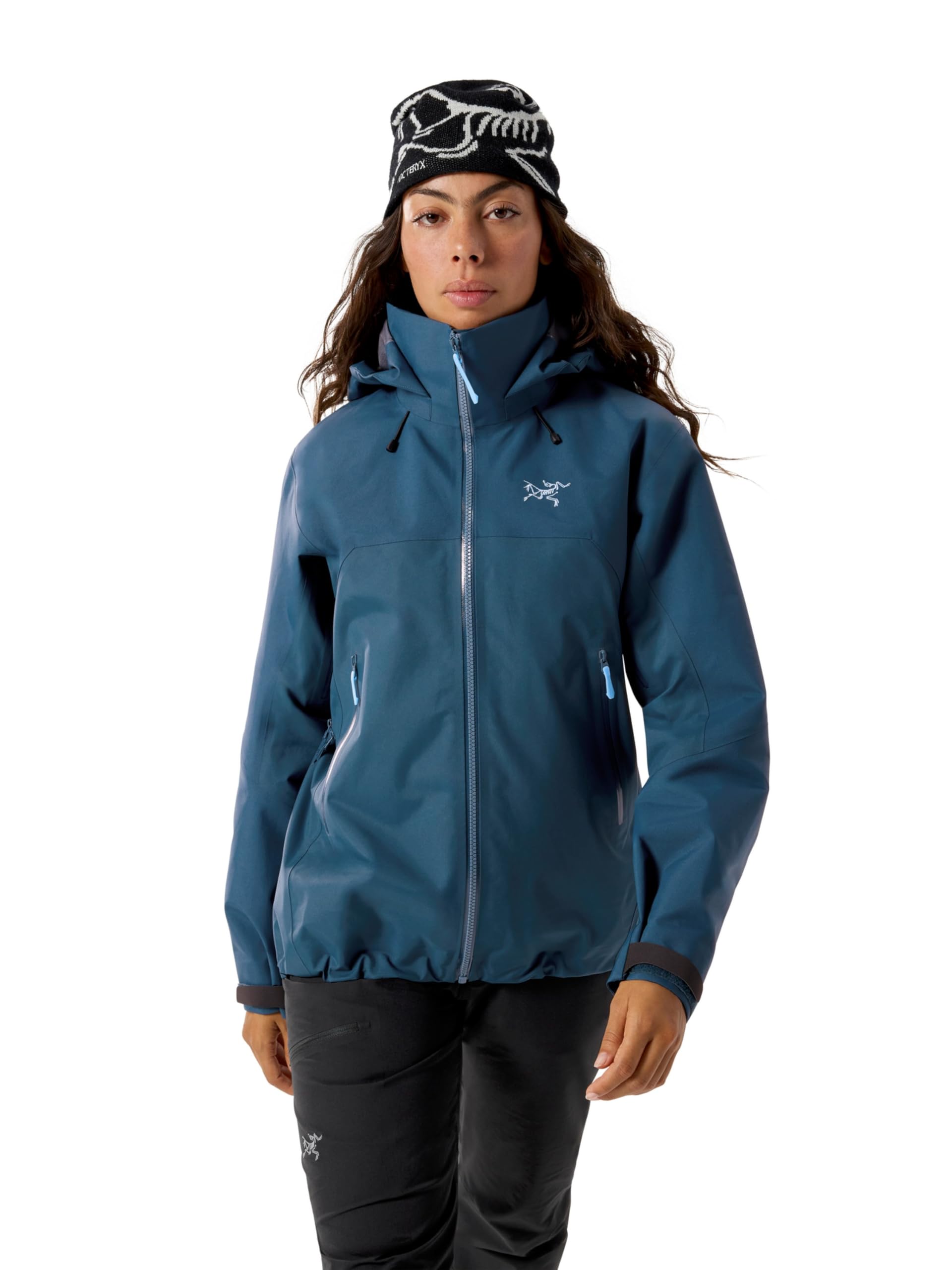
The Arc'teryx Sabre is widely considered the gold standard for big-mountain and freeride skiing. Redesigned with advanced ePE (expanded polyethylene) GORE-TEX fabric, the Sabre prioritizes a softer, more supple hand feel without sacrificing the legendary bombproof protection Arc'teryx is known for.
- Fabric: 3-Layer GORE-TEX with GORE C-KNIT backer technology.
- Fit: Relaxed, articulated freeride fit.
- Key Features: Embedded RECCO reflector, helmet-compatible StormHood, WaterTight pit zips, and powder skirt with slide-loc snap.
The Sabre excels in wet coastal snow as well as dry continental powder. Its face fabric strikes an ideal balance between weight and durability, easily shrugging off impacts with abrasive rock and ice. The pit zippers are exceptionally long, allowing for rapid heat dumping during strenuous boot-packs, and the pocket layout is intuitive for backcountry travel.
2. Patagonia Powder Town vs. PowSlayer Lineage (Focus on High-End Hardshells)
While Patagonia offers various options, their top-tier technical shells utilizing GORE-TEX Pro and H2No fabrics represent premier choices for eco-conscious aggressive riders. Built with 100% recycled face fabrics, these shells do not compromise on technical performance.
- Fabric: 3-Layer GORE-TEX Pro with recycled nylon face.
- Fit: Regular, tailored for layering.
- Key Features: Fair Trade Certified sewing, minimalist design to reduce weight, embedded RECCO, and Cohaesive embedded cord-lock system in hood and hem.
The focus on clean lines means fewer snags when skiing through dense timber. The GORE-TEX Pro membrane used in Patagonia's premier alpine shells offers industry-leading breathability, making it a favorite for human-powered skiers who charge hard both up and down the mountain.
3. Norrøna lofoten Gore-Tex Pro Jacket
Norrøna's lofoten series was born in the rugged, storm-battered coastal mountains of northern Norway, making it an ideal choice for skiers who encounter the harshest weather imaginable. This jacket is specifically tailored for aggressive, high-consequence skiing where gear failure is simply not an option.
- Fabric: Most rugged 3-Layer GORE-TEX Pro (70D to 200D reinforcements in high-wear areas).
- Fit: Technical freeride fit (slightly longer in the back).
- Key Features: Storm hood fitted for freeride helmets, asymmetric cuffs with integrated hand gaiters, two-way underarm ventilation, and a removable powder skirt.
The lofoten stands out for its uncompromising durability. Norrøna reinforces shoulder and elbow zones where backpack straps and impacts create the highest wear. The ventilation options are among the most versatile on the market, featuring two-way pit zips that can be opened from the top or bottom for customized airflow.
4. Black Diamond Recon Stretch Stance Shell
For riders who prioritize mobility and a less "crinkly" feel without sacrificing storm security, the Black Diamond Recon Stretch is an exceptional performer. Utilizing Black Diamond's proprietary BD.dry four-way stretch fabric, this shell moves organically with your body during aggressive turns and drops.
- Fabric: 3-Layer Stretch Woven with DWR finish.
- Fit: Modern, athletic fit.
- Key Features: Ski-helmet-compatible hood, PU-coated pit zips, two skin-compatible internal drop pockets, and a removable powder skirt.
The primary advantage of the Recon Stretch is comfort. Traditional hardshells can feel stiff and restrictive; the four-way stretch mechanical weave eliminates binding across the shoulders and back during aggressive pole plants and dynamic movements. Its waterproof rating (20,000mm) ensures complete dryness in heavy storm cycles.
5. Helly Hansen Odin Mountain Infinity Shell Jacket
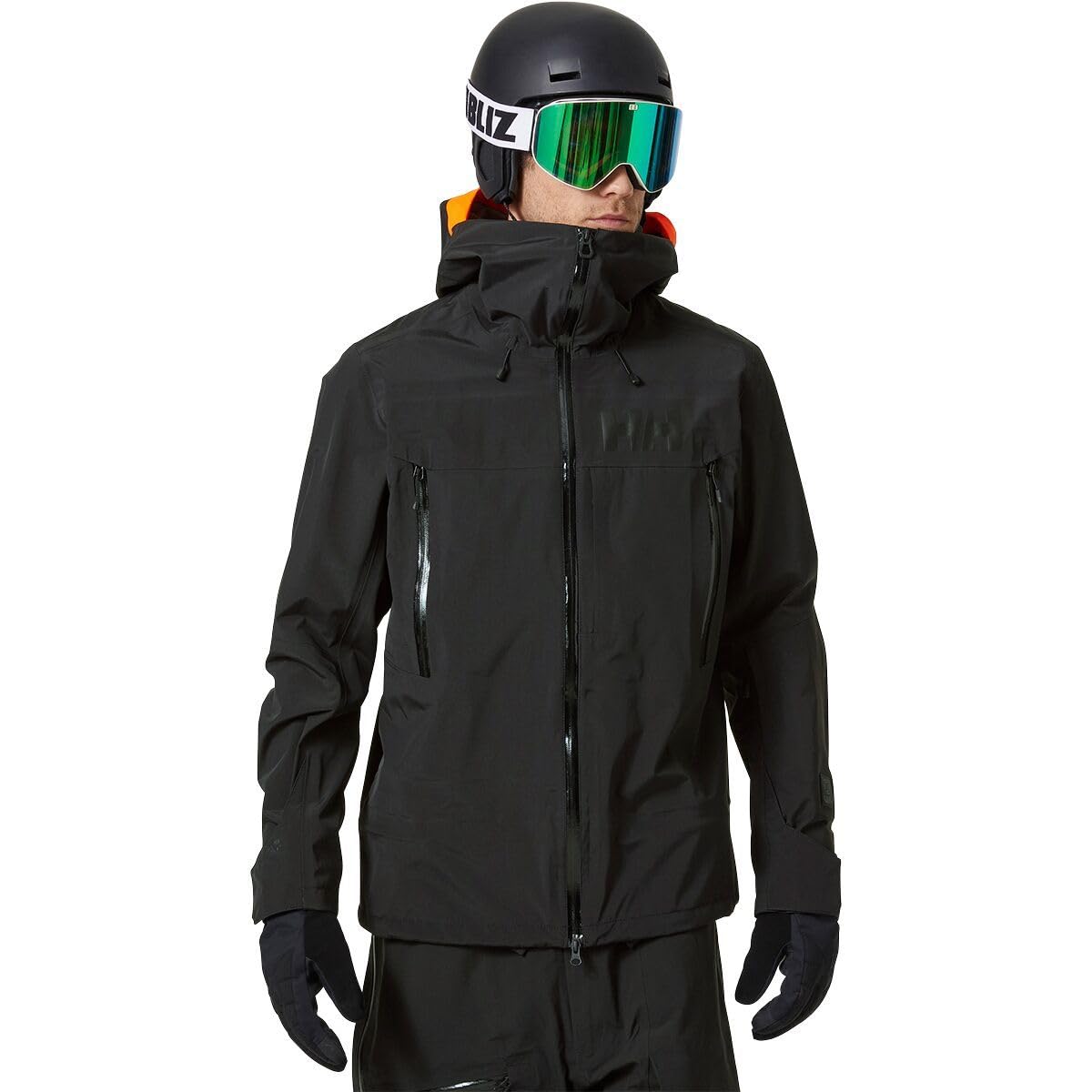
Helly Hansen utilizes their proprietary Lifa Infinity Pro technology in the Odin series, offering professional-grade waterproof protection without chemical treatments applied to the face fabric. This membrane is permanently hydrophobic, meaning it will never require chemical re-waterproofing (DWR) washes over its lifespan.
- Fabric: LIFA INFINITY PRO 3-Layer Construction.
- Fit: Active articulation and tailored fit.
- Key Features: RECCO Advanced Rescue system, backpack and harness-compatible pockets, highly visible brim, and laser-cut ventilation holes.
The Odin Mountain Infinity is an engineering marvel for frequent backcountry travelers and resort chargers alike. Its exceptional breathability, driven by the unique properties of LIFA fiber, keeps moisture accumulation to an absolute minimum during intense ascents. The jacket's rugged construction easily withstands the daily abuse dished out by professional guides and aggressive freeriders.
Comparison of Top Ski Shells
| Shell Model | Membrane Type | Face Fabric Durability | Primary Advantage | Best Suited For |
|---|---|---|---|---|
| Arc'teryx Sabre | 3L GORE-TEX (ePE) | High (Supple & Tough) | All-around balance, premium comfort | Big-mountain resort & sidecountry charging |
| Patagonia GORE-TEX Pro | 3L GORE-TEX Pro | Very High | Eco-conscious construction, breathability | Human-powered backcountry & steep lines |
| Norrøna lofoten Pro | 3L GORE-TEX Pro | Extreme (Reinforced) | Bombproof weather defense, durability | Extreme coastal storms & heavy abuse |
| Black Diamond Recon | BD.dry Stretch | Moderate-High | Four-way stretch mobility, comfort | Dynamic movement & active resort skiing |
| Helly Hansen Odin | LIFA Infinity Pro | High | Permanent hydrophobic tech, no DWR needed | Guides, tourers, and heavy storm days |
Layering Strategy for Aggressive Riders
Owning the best ski shell is only half the battle; how you manage your micro-climate underneath the shell dictates your comfort and performance. Because shells provide zero inherent insulation, aggressive riders must master a three-layer system:
- Base Layer: A moisture-wicking synthetic or high-grade merino wool layer next to your skin. Avoid cotton entirely, as it holds moisture against the body and induces rapid chilling.
- Mid Layer: A breathable active insulation piece (such as a grid fleece or a lightweight synthetic puffy with high air permeability like Polartec Alpha) worn only when temperatures demand it. Many aggressive riders pack their midlayer in a backpack during high-output climbs and don it only at the summit.
- Outer Shell: The hardshell acts as the barrier against wind, snow, and rain while venting excess body heat.
Common Mistakes to Avoid
When purchasing and maintaining a high-end ski shell, certain pitfalls can significantly reduce the lifespan and performance of your investment:
- Choosing Insulated Jackets Instead of Shells: If you ski aggressively, an insulated resort jacket will trap sweat during boot-packs, leaving you soaked and freezing on the subsequent descent. Stick to shells for maximum versatility.
- Neglecting Maintenance: Waterproof-breathable membranes rely on clean pores to function. Failing to wash your jacket with technical washes (like Nikwax Tech Wash) allows body oils and dirt to clog the membrane, destroying its breathability.
- Ignoring Venting Management: Do not wait until you are overheating to open your pit zips. Vent early during ascents or high-output runs to regulate body temperature before sweat production peaks.
Frequently Asked Questions
Are ski shells warm enough for cold winter days?
Ski shells do not contain insulation; their primary job is to block wind and moisture. To stay warm on frigid days, you must build a proper layering system underneath using technical base layers and active insulation pieces like fleece or lightweight synthetic jackets.
What is the difference between a ski shell and a mountaineering shell?
While both are waterproof hardshells, ski shells typically include ski-specific features such as a integrated powder skirt, a slightly more relaxed or articulated fit for dynamic twisting movements, and a pass pocket on the sleeve. Mountaineering shells are often shorter in the hem to accommodate climbing harnesses and feature higher pockets.
How often should I wash my GORE-TEX ski shell?
You should wash your ski shell whenever it becomes visibly dirty or when water stops beading on the outer fabric. Regular washing restores the Durable Water Repellent (DWR) finish and clears microscopic pores in the membrane to maintain optimal breathability.
Is GORE-TEX Pro worth the extra cost for aggressive skiing?
Yes, if you subject your gear to severe abuse, abrasive rock, wet maritime snow, and heavy physical exertion. GORE-TEX Pro utilizes denser, tougher face fabrics and tighter internal membranes designed specifically for professional guides and extreme mountain athletes.
Do I need a powder skirt if I mostly ski groomed runs?
A powder skirt is extremely helpful if you occasionally venture off-piste or take a spill in deep snow, as it prevents snow from packing up your back. Many modern freeride shells feature removable powder skirts if you prefer a cleaner look for resort-only days.
Conclusion and Next Actions
Selecting the best ski shell for aggressive riding ultimately comes down to matching your primary terrain and climate with the right technical feature set. If you need a balanced, luxurious daily driver for resort charging, the Arc'teryx Sabre is difficult to outperform. If you demand maximum durability against severe storms and abrasive alpine environments, the Norrøna lofoten Pro stands ready.
Assess your local snow climate, determine whether your skiing leans toward resort freeride or human-powered backcountry touring, and invest in a high-denier 3-layer shell that will protect you season after season. Before your next trip, inspect your current layering system, wash your shell with a technical cleaner to restore breathability, and ensure your kit is dialed for maximum performance on the mountain.