When users encounter a 300 x 250 ad for Globe Life Insurance across various websites, they are looking at a standardized digital advertising placement known as a medium rectangle banner. This specific visual unit directs prospective insurance buyers to policy information, quotes, and enrollment forms for Globe Life Inc., a major financial services holding company known for its direct-to-consumer life insurance products.
The Role of Medium Rectangle Banners in Digital Insurance Marketing
The 300 x 250 pixel display format, frequently referred to in the digital advertising industry as the medium rectangle, represents one of the most widely deployed units on the internet. Publishers across news portals, financial blogs, and lifestyle websites reserve this specific slot because it balances visibility with user experience. For a financial services provider like Globe Life Insurance, maintaining a robust presence in this ad dimension allows the brand to capture attention without overwhelming the primary editorial content of a webpage.
Digital marketing campaigns utilizing these banners typically rely on programmatic advertising exchanges. Instead of negotiating individual ad placements with every single website, large insurance enterprises utilize demand-side platforms to bid on ad inventory in real-time. When a user with a specific demographic profile or browsing history visits a participating publisher's site, an ad auction occurs within milliseconds, frequently serving a Globe Life banner designed to prompt interest in low-cost life insurance options, such as their well-known one-dollar introductory policies.
Furthermore, the physical dimensions of the 300 x 250 ad unit provide adequate canvas space for a compelling value proposition, a clear call to action, and mandatory regulatory disclaimers. Because insurance is a heavily regulated financial product, advertisements must often include specific disclosures regarding policy terms, underwriting caveats, or state-specific availability. Squeezing this text into smaller display formats can prove challenging, making the medium rectangle a preferred choice for compliance and marketing teams alike.
Anatomy and Content of Globe Life Insurance Banner Advertisements
A typical 300 x 250 ad associated with Globe Life Insurance is meticulously engineered to drive conversions through direct-response marketing principles. While exact creative assets rotate frequently based on seasonal campaigns, target audiences, and A/B testing results, certain structural elements remain remarkably consistent across their digital footprint.
Core Visual and Textual Elements
- Brand Recognition: The Globe Life logo is prominently displayed to establish immediate institutional credibility and trust.
- The Hook: Copy often emphasizes low barrier-to-entry pricing, such as highlighting introductory rates starting at $1 for the first month.
- Target Demographic Signals: Imagery frequently features families, seniors, or adults looking toward retirement security, aligning with their primary market segments of term life and whole life insurance.
- Call to Action (CTA): Buttons or text prompts like "Get a Free Quote," "See If You Qualify," or "Learn More" encourage immediate click-through behavior.
- Regulatory Fine Print: Miniature text at the bottom of the creative outlines policy limitations or references specific subsidiary issuers, such as Globe Life And Accident Insurance Company.
The psychological objective behind these design choices is friction reduction. Life insurance is frequently perceived as a complex, intimidating, or morbid purchase. By presenting a simple, affordable entry point within a compact visual space, the ad seeks to transform abstract financial anxiety into a concrete, manageable next step: clicking through to an online landing page.
User Journey: From Banner Click to Policy Evaluation
Understanding what happens after a user interacts with a 300 x 250 ad clarifies the broader context of these digital campaigns. Clicking the medium rectangle redirects the visitor to a dedicated landing page controlled by the insurer or its authorized marketing partners.
Step-by-Step Conversion Path
- Impression Delivery: The 300 x 250 ad renders on a publisher page as the user scrolls into view.
- User Interaction: The consumer clicks the ad, signaling active interest in life insurance products.
- Landing Page Transition: The browser loads a specialized intake form designed to capture basic demographic data, such as age, gender, tobacco use, and state of residence.
- Quote Generation: The system processes the initial inputs to provide an estimated premium rate for available coverage tiers, such as $50,000 or $100,000 policies.
- Underwriting and Application: Unlike some modern term products that feature instantaneous algorithmic approvals without medical exams, traditional direct-response policies may require answering health background questions or reviewing a formal application package delivered by mail or digital channels.
| Marketing Phase | Operational Objective | Consumer Experience |
|---|---|---|
| Top of Funnel (300x250 Ad) | Brand awareness and initial lead generation | Viewing a banner highlighting low introductory rates and general financial protection. |
| Middle of Funnel (Landing Page) | Capturing user interest and filtering eligibility | Entering basic demographic and health data to review estimated pricing tiers. |
| Bottom of Funnel (Application) | Formal underwriting and policy issuance | Completing health questionnaires and selecting payment methods to secure coverage. |
Consumer Considerations and Regulatory Frameworks
When evaluating life insurance offers encountered through digital display advertising, consumers should approach the purchasing process with a clear understanding of how direct-response products function. Globe Life primarily operates through simplified issue and guaranteed acceptance models, which differ significantly from medically underwritten policies that require physical examinations and blood draws.
Simplified issue policies do not require a medical exam, but applicants must answer a series of health questions on the application. Premium rates are generally fixed based on age at the time of issuance, but buyers should carefully examine whether rates increase as they age or if coverage amounts decrease over time. Additionally, introductory rates—such as the widely advertised initial month for a nominal fee—typically transition to standard premium rates thereafter.
Insurance advertising is heavily monitored by state insurance commissioners and the Federal Trade Commission to prevent deceptive claims. Consequently, legitimate 300 x 250 ads for established carriers must adhere to strict guidelines regarding transparency. Consumers can verify the licensing and financial strength ratings of insurers like Globe Life through independent rating agencies such as A.M. Best, as well as their respective state department of insurance websites, ensuring the company maintains the fiscal capacity to fulfill long-term death benefit obligations.
Frequently Asked Questions
Why do I keep seeing Globe Life Insurance 300 x 250 ads on different websites?
This repetition is the result of programmatic retargeting and audience segmentation. If you have previously searched for life insurance terms, visited financial education websites, or matched the demographic profile of the insurer's target market, ad networks will continue to serve these medium rectangle banners as you browse participating web properties.
Are the rates shown in these banner ads guaranteed for life?
Most introductory rates featured in digital ads apply only to the initial promotional period, such as the first month of coverage. Subsequent months and years transition to the standard rate schedule associated with your age bracket at the time of policy purchase. You should always review the complete policy contract and rate schedule before finalizing coverage.
Do I need a medical exam to qualify for policies featured in these ads?
Many of the direct-to-consumer products advertised by Globe Life utilize simplified underwriting models. This means coverage can often be secured by answering health-related questions on an application without requiring a physical medical examination or laboratory testing.
How can I stop seeing these specific insurance ads?
You can manage or reduce the frequency of targeted ads by adjusting your browser privacy settings, clearing your cookies, or utilizing ad-preference tools provided by major advertising networks such as Google's Ad Settings. Blocking a specific ad unit does not impact your ability to contact the insurer directly if you wish to purchase coverage.
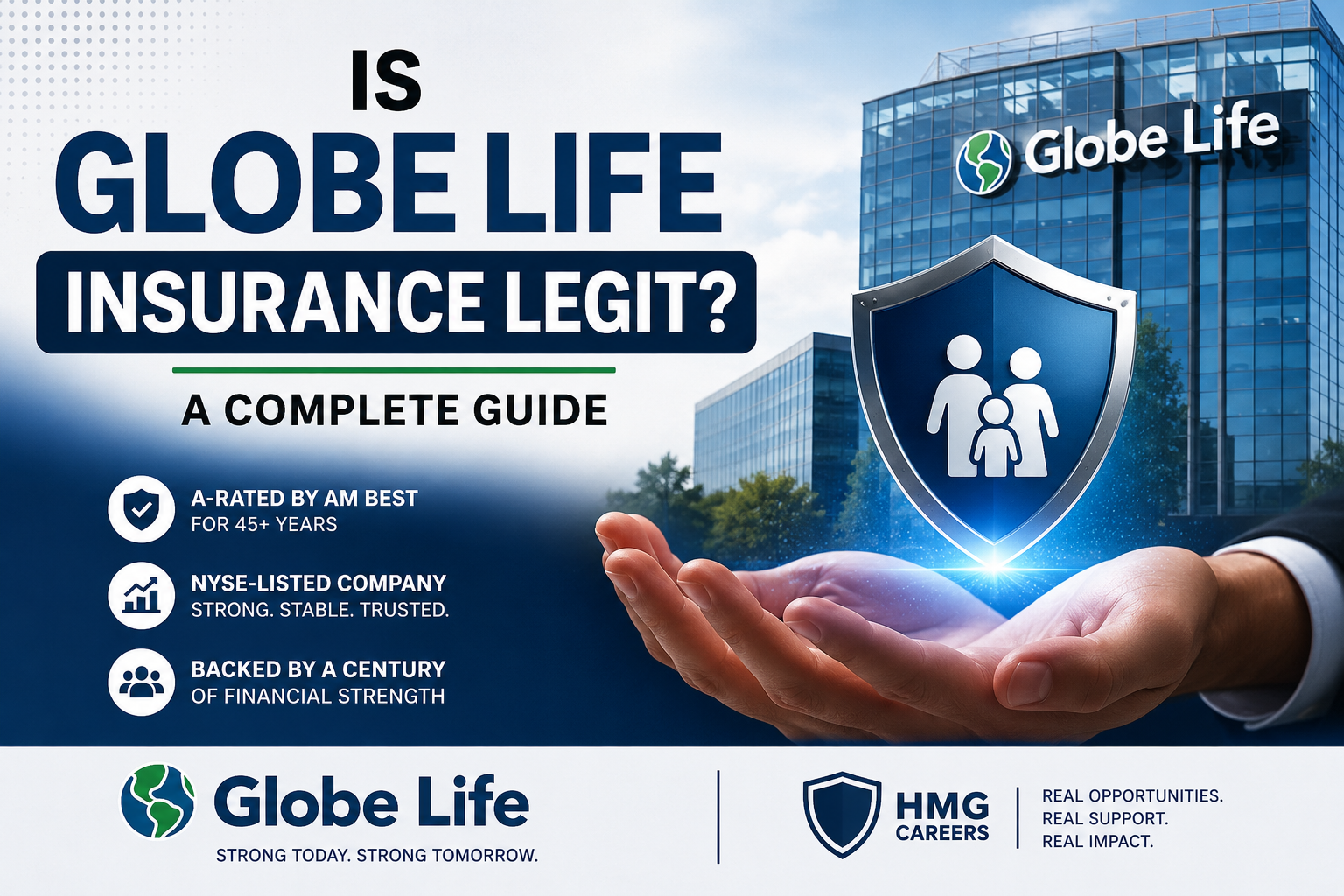
Is Globe Life Insurance a legitimate company?
Yes, Globe Life Inc. is a publicly traded financial services holding company with multiple operational insurance subsidiaries, such as Globe Life And Accident Insurance Company. Consumers can verify their current financial strength ratings and licensing status directly through official state insurance department databases.
Practical Next Steps for Prospective Buyers
If you have clicked or are considering clicking a 300 x 250 ad for Globe Life Insurance, treat the banner as an initial introduction rather than a complete financial plan. Assess your family's actual income replacement needs, existing debt obligations, and final expense requirements before committing to a monthly premium. Compare quotes across multiple providers, read the fine print regarding policy exclusions and renewal terms, and consult with a licensed independent insurance advisor if you require personalized guidance tailored to your long-term estate planning goals.