U.S. Route 278 is an east-west highway stretching nearly 1,100 miles from the Atlantic coast of South Carolina to the Ouachita Mountains of Arkansas. Known as a "quiet corridor of Americana," it offers travelers a preserved glimpse into the small-town life, historical landmarks, and diverse landscapes of the American Southeast and Mid-South.
For the traveler in 2026, the allure of the open road has shifted away from the frantic pace of the Interstate Highway System toward "slow travel." U.S. Route 278 (US 278) stands as a premier example of this movement. Unlike the legendary Route 66, which has become a neon-heavy tourist destination in its own right, US 278 remains an authentic, working corridor. It passes through the heart of the Lowcountry, the rolling hills of the Piedmont, the industrial history of the Deep South, and the fertile plains of the Mississippi Delta. To drive this road is to witness the evolution of the American spirit across five states: South Carolina, Georgia, Alabama, Mississippi, and Arkansas.
The Geographic Scope: From the Atlantic to the Ouachitas
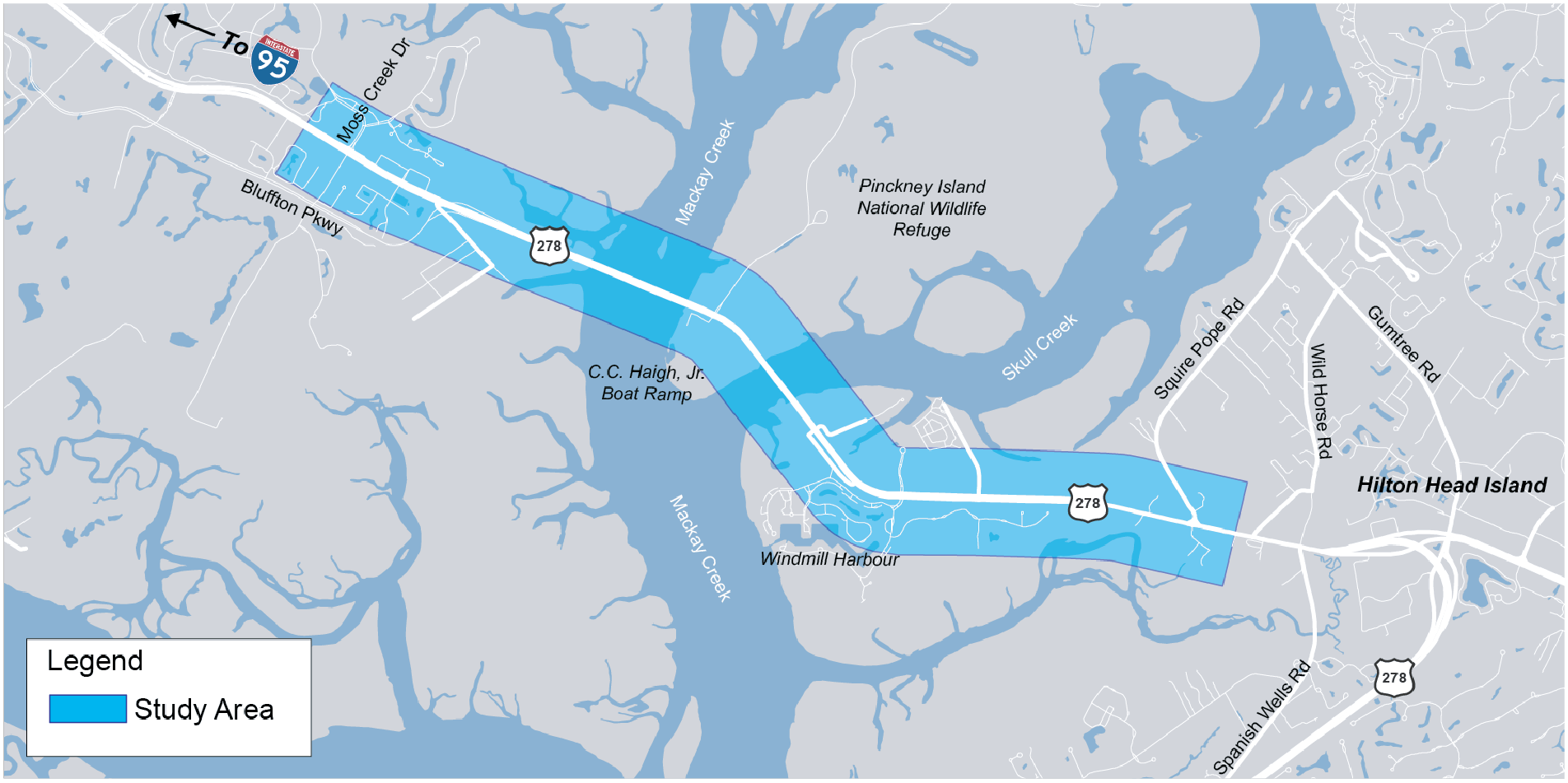
The journey along US 278 begins at the edge of the Atlantic Ocean in Hilton Head Island, South Carolina. In 2026, this area continues to represent the "Coastal Americana" aesthetic—manicured landscapes, salt marshes, and maritime forests. However, as the road moves westward, the luxury of the coast quickly gives way to the agricultural heart of the South.
The Lowcountry and the Savannah River Basin
Leaving the coast, the road traverses the South Carolina Lowcountry. This segment is characterized by long stretches of pine forests and small agricultural hubs like Hampton and Barnwell. Travelers should note that this portion of the road maintains a rhythmic, almost hypnotic quality. The "Americana" here is found in the roadside produce stands—still thriving in 2026—and the transition from tidal wetlands to the red clay of the inland regions.
Crossing the Savannah: Georgia’s Historic Heart
As US 278 enters Georgia at Augusta, the character of the road changes. Augusta, famous for its golf heritage and medical centers, serves as the first major urban anchor. Beyond Augusta, the road winds through towns like Madison, often cited as one of the most beautiful small towns in America. The preservation of antebellum architecture and the classic "town square" layout in these Georgia communities provides a literal blueprint of 19th-century American town planning.
The Alabama Highlands and Industrial Echoes
In Alabama, US 278 climbs into the Appalachian foothills. This section is more rugged and topographically diverse. Passing through Gadsden and Cullman, the road offers a look at Alabama’s industrial and poultry-farming heritage. The landscape is defined by rock outcroppings and deep woods, offering a stark contrast to the flat plains of the states to the east and west.
Cultural Landmarks and the Americana Aesthetic
What makes US 278 a "quiet corridor" is its proximity to significant historical events without the commercialized "museum feel" of more famous routes. It is a living history.
The Musical Heritage of Tupelo, Mississippi
Perhaps the most iconic stop on the entire route is Tupelo, Mississippi. This is the birthplace of Elvis Presley, and in 2026, the site remains a pilgrimage point for those seeking the roots of American rock and roll. The modest two-room house where Presley was born epitomizes the "Americana" theme: humble beginnings leading to a global cultural revolution. Beyond Elvis, Tupelo marks the intersection of US 278 and the Natchez Trace Parkway, another historic travel artery.
The Mississippi Delta: Blues and Soil
Heading west from Tupelo, the road descends into the Mississippi Delta. Crossing the Tallahatchie River, travelers enter a region that has defined American music and agriculture. The "quiet" nature of the road is most palpable here. The vast cotton and soybean fields stretch to the horizon, punctuated by small towns like Clarksdale (nearby) and Greenville. The Delta is where the "Americana" becomes more complex, reflecting both the struggle and the soul of the rural South.
The Arkansas Finish: Timber and Mountains
The final leg of US 278 crosses the Mississippi River into Arkansas. The road passes through the timberlands of South Arkansas before terminating near Wickes, in the Ouachita National Forest. This end-point provides a naturalistic conclusion to the journey, replacing the Atlantic’s salt air with the scent of pine and the elevation of the Ouachita Mountains.
Technical Specifications and Travel Preparation
Driving a 1,100-mile secondary highway requires different preparation than a standard interstate trip. As of 2026, infrastructure for various vehicle types has matured, but the rural nature of US 278 still demands foresight.
Road Conditions and Navigation
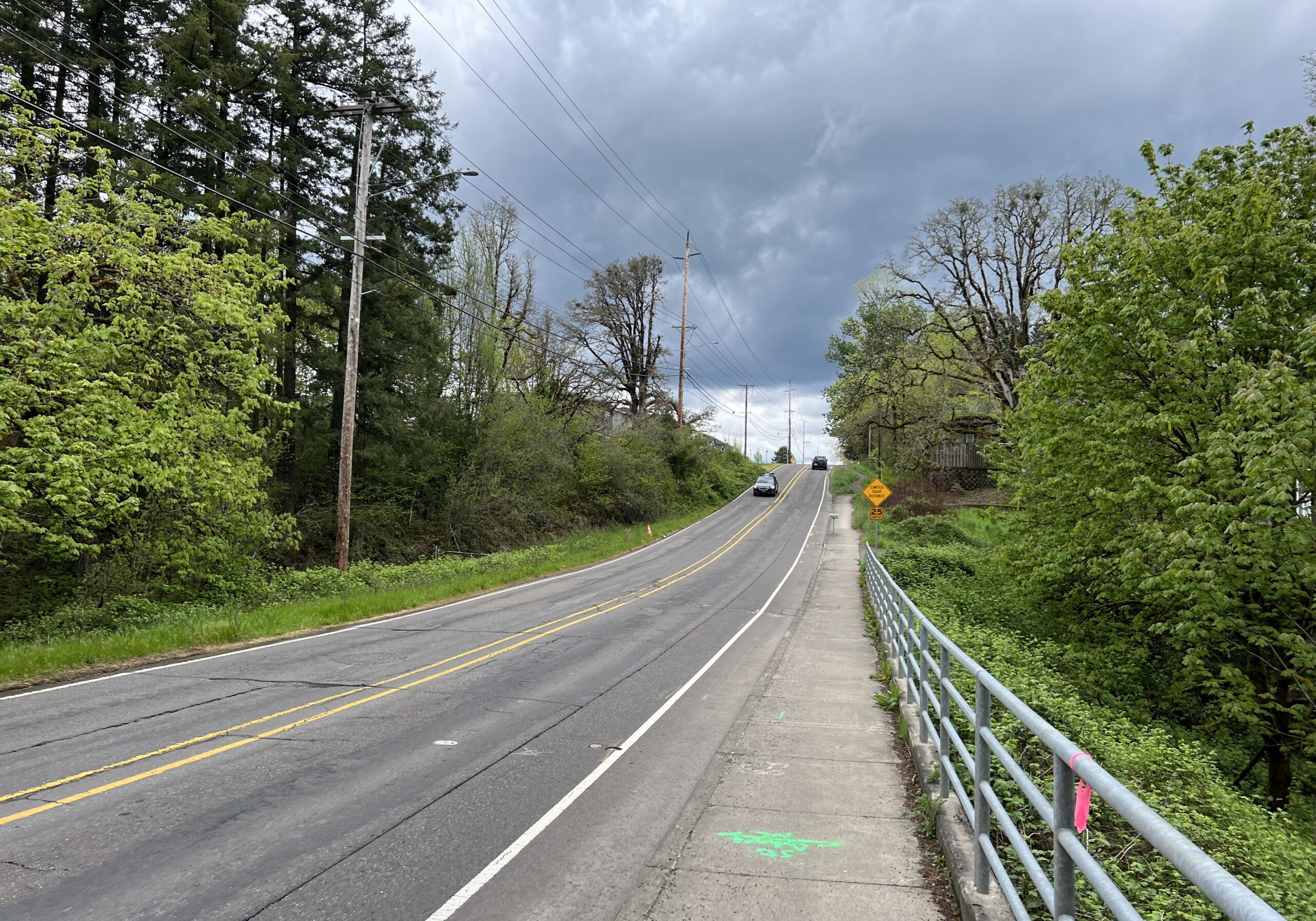
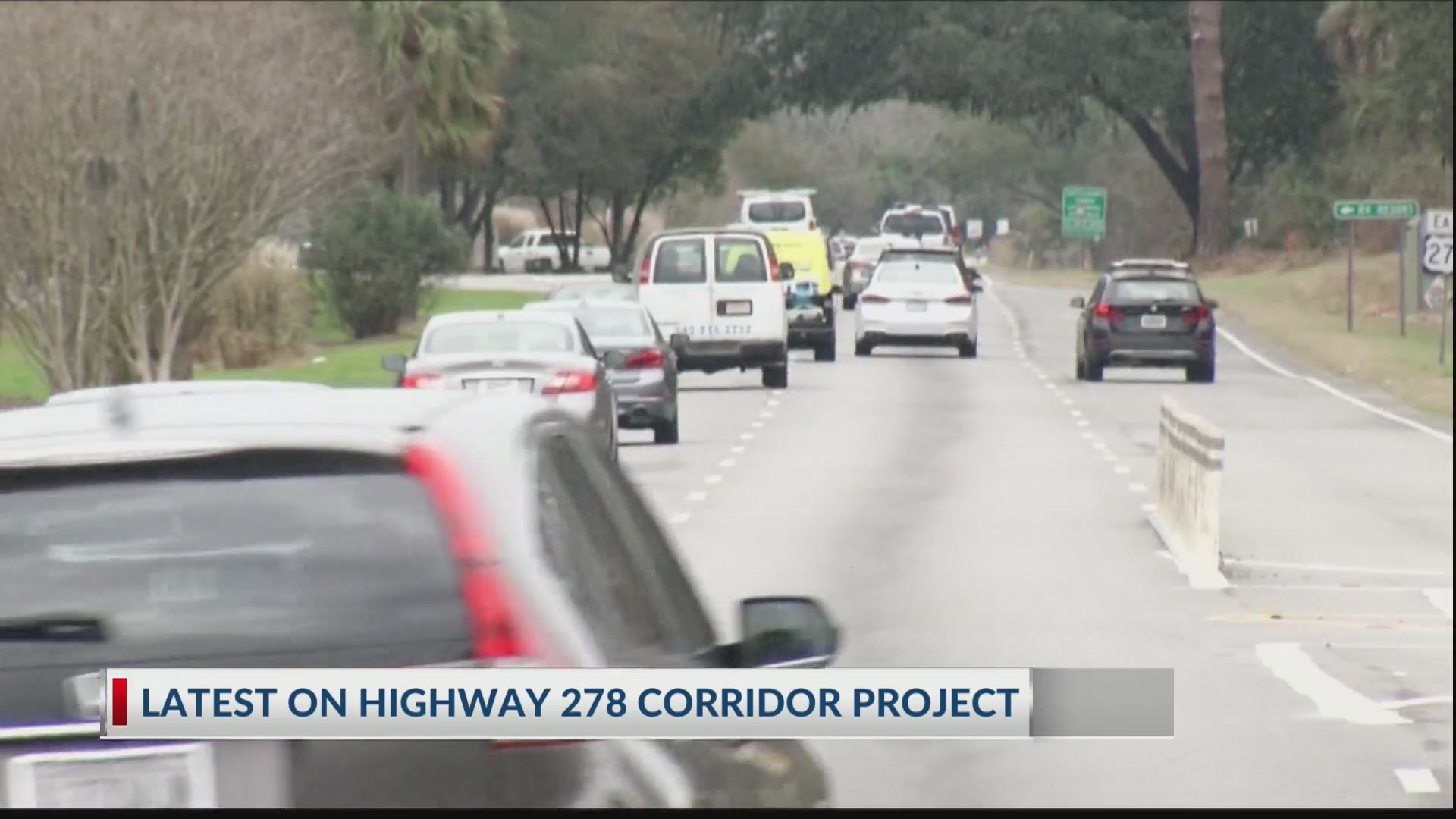
US 278 is primarily a two-lane or four-lane undivided highway. While major segments near cities like Augusta and Birmingham (via connecting routes) are modern, much of the road retains its original mid-century footprint.
- Pavement Quality: Generally high in South Carolina and Georgia; can be variable in the Mississippi Delta due to soil expansion and contraction.
- Speed Limits: Vary significantly. Expect frequent drops to 25 or 35 mph when passing through small-town jurisdictions.
- Fuel and Charging: While gas stations are plentiful, Electric Vehicle (EV) drivers should plan carefully through the rural stretches of eastern South Carolina and the Arkansas timberlands. High-speed DC charging is more concentrated in hubs like Augusta, Tupelo, and Monticello.
Vehicle Suitability
- RVs and Trailers: Fully accessible, but drivers should be comfortable with narrower lanes in older town centers.
- Motorcycles: Highly recommended for the Alabama and Arkansas segments due to the elevation changes and curves.
- Classic Cars: US 278 is a favorite for "Great American Road Trip" enthusiasts using vintage vehicles, as the mechanical stress is lower than high-speed interstate driving.
Segment Comparison: The Five Faces of US 278
| State | Key Gateway | Landscape Type | Primary Americana Theme | Notable Stop |
|---|---|---|---|---|
| South Carolina | Hilton Head | Coastal / Pine Savanna | Maritime & Plantation History | Barnwell Sundial |
| Georgia | Augusta | Rolling Piedmont | Antebellum Architecture | Madison Town Square |
| Alabama | Gadsden | Appalachian Foothills | Industrial & Rural Farming | Noccalula Falls |
| Mississippi | Tupelo | Delta & Prairie | Music History & Civil Rights | Elvis Birthplace |
| Arkansas | Monticello | Timberland & Mountains | Natural Frontier & Forestry | Ouachita National Forest |
Why "Quiet" Defines the Experience
In the context of 2026 travel, "quiet" does not mean "empty." Rather, it refers to the lack of "filter" between the traveler and the environment. On US 278, you are not separated from the world by sound barriers and massive interchanges.
- Direct Access to Local Commerce: You park on the street in front of a 1950s-era hardware store or a local diner. There is no "feeder road" or "exit ramp."
- Uninterrupted Visuals: The billboards on US 278 are fewer and often local—advertising high school football games, church revivals, or local festivals rather than national fast-food chains.
- Auditory Immersion: In the Delta or the Ouachitas, the silence of the landscape is a core part of the Americana experience. It allows for a level of reflection that is impossible on U.S. I-20 or I-10, which run roughly parallel but offer none of the character.
Challenges and Considerations for Travelers
While US 278 is a scenic corridor, it presents specific challenges that travelers must navigate to ensure a successful journey.
Navigational Complexity
US 278 is not always a straight shot. In several locations, it "multiplexes" or shares the road with other highways (such as US 78 or various state routes). In 2026, GPS is reliable, but the physical signage can sometimes be confusing in older town centers where multiple routes converge at a single intersection.
The "Sunday Closure" Phenomenon
Much of US 278 runs through the "Bible Belt." Travelers should be aware that in the smaller towns of rural Alabama and Mississippi, many local restaurants and shops remain closed on Sundays. To fully experience the local "Americana" flavor (the mom-and-pop diners and antique shops), planning the trip for mid-week or Saturday is essential.
Seasonal Weather Hazards
- Spring: Tornado season is a serious consideration in Alabama, Mississippi, and Arkansas.
- Summer: Extreme humidity and heat, particularly in the Lowcountry and the Delta.
- Autumn: Generally considered the best time to travel, with harvest season in full swing and cooler temperatures.
Common Mistakes to Avoid
- Rushing the Schedule: Attempting to drive the entire 1,100 miles in two days defeats the purpose of the corridor. A minimum of four to five days is required to actually see the "Americana" rather than just the pavement.
- Over-reliance on Chains: While national chains exist near the larger cities, the best experiences on US 278 are found in the independent businesses. Skipping the local "Meat and Three" diner in Georgia for a familiar fast-food joint results in a loss of the road's primary value.
- Ignoring Local History: Many of the most significant sites are marked only by small historical plaques. Taking the time to stop and read about the Revolutionary War skirmishes in South Carolina or the Civil Rights milestones in Alabama enriches the trip significantly.
Frequently Asked Questions
Is U.S. Route 278 safe for solo travelers?
Generally, yes. US 278 passes through many tight-knit, friendly communities. Standard travel safety protocols apply, especially when stopping in isolated areas of the Mississippi Delta or Arkansas timberlands at night. The road is well-patrolled by state and local law enforcement.
What is the best vehicle for this trip in 2026?
A fuel-efficient crossover or a comfortable sedan is ideal. If you are an enthusiast, a convertible or a classic car enhances the "Americana" feel, especially through the scenic Georgia and Alabama stretches. For EV owners, a vehicle with at least 250 miles of range is recommended to navigate the sparser charging zones in rural sections.
Can I see the "Real South" on this road?
US 278 is often cited by cultural historians as one of the most accurate cross-sections of the American South. It avoids the "Disney-fied" versions of Southern culture found in major tourist traps, offering instead a look at the actual working landscapes and historic towns that have remained largely unchanged for decades.
How does US 278 compare to Route 66?
Route 66 is a diagonal route from Chicago to LA and is heavily focused on mid-century kitsch and pop culture. US 278 is an east-west southern route that feels more grounded in agricultural and civil history. It is "quieter" because it attracts fewer international tourists, making it feel more like a "hidden gem."
Are there any tolls on US 278?
As of 2026, the majority of US 278 is toll-free. The most notable exception has historically been the Cross Island Parkway on Hilton Head Island, though even that saw changes in tolling structures in recent years. For the vast majority of the 1,100 miles, you will not encounter toll booths.
Recommendations for Next Actions
For those ready to explore this quiet corridor of Americana, the first step is to segment the trip based on interest. If you prefer history and architecture, focus on the South Carolina to Georgia stretch. If you are a fan of music and natural beauty, the Mississippi to Arkansas segment is the priority.
Before departing, ensure your vehicle’s cooling system and tires are in top condition, as the southern heat can be taxing. Download offline maps for the rural stretches of the Mississippi Delta where cellular signals can occasionally dip. Finally, carry a physical atlas or road map; in the spirit of Americana, there is no better way to navigate a historic highway than with a paper map spread across the dashboard.