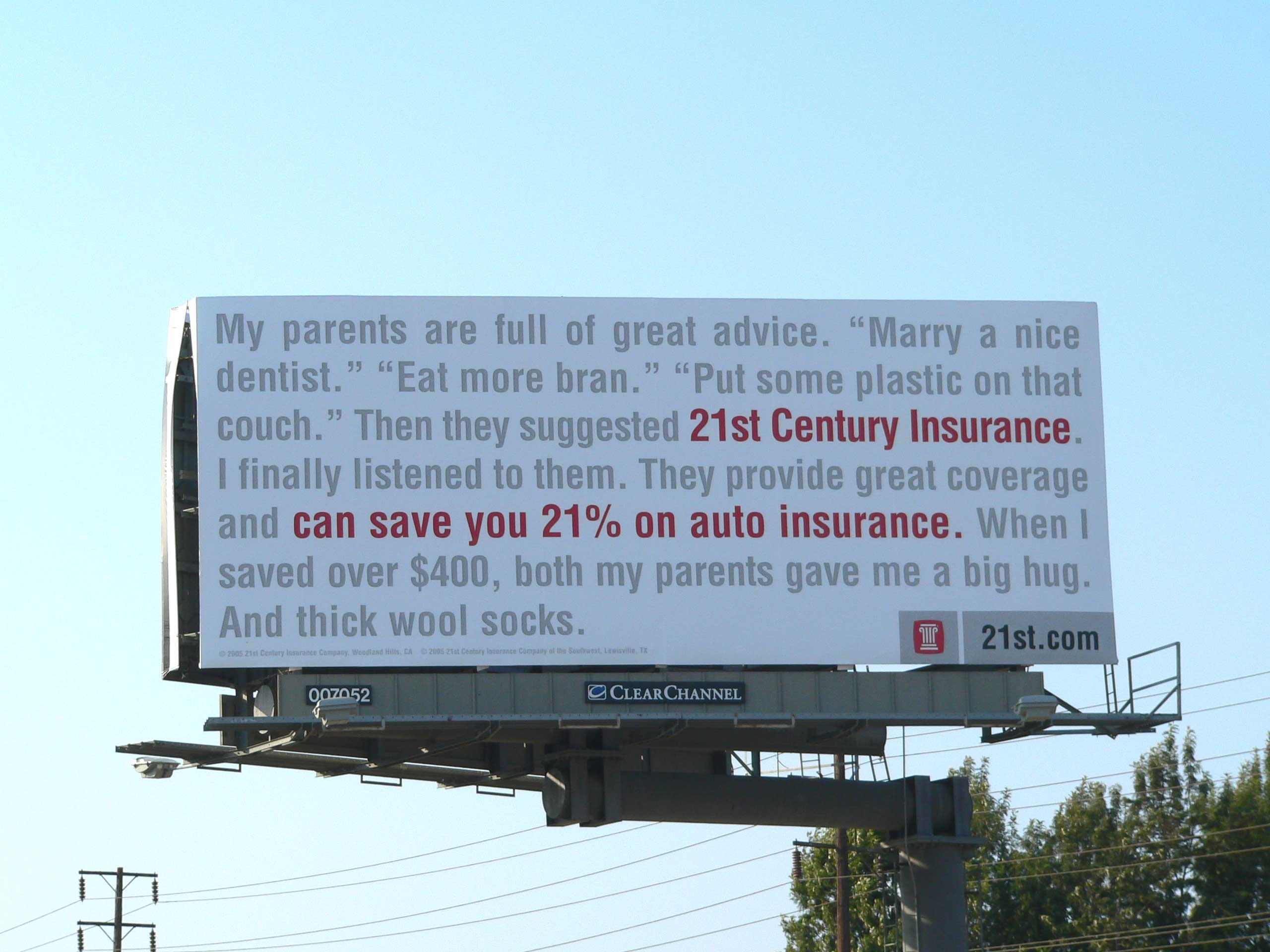
21st Century Insurance operates as a direct-to-consumer auto insurance provider known for leveraging digital platforms, mobile applications, and streamlined underwriting to offer customizable policies without traditional agent intermediaries. As a brand operating under the broader umbrella of Farmers Insurance Group, it serves motorists seeking flexible coverage options, digital account management, and competitive pricing structures adapted to modern driving habits.
Introduction to Modern Automotive Insurance
The landscape of personal lines insurance has transformed dramatically over the past two decades. Traditional insurance models relied heavily on local brick-and-mortar agencies, paper documentation, and manual underwriting processes that often lengthened the time required to secure a policy or file a claim. Today, the modern motorist expects instant access, real-time quote generation, and self-service portals capable of handling endorsements, payments, and loss reporting at any hour of the day or night.
In this ecosystem, companies like 21st Century Insurance positioned themselves at the forefront of the direct-to-consumer revolution. By eliminating intermediaries and utilizing centralized digital infrastructure, the organization reduced operational overhead and passed potential savings directly to policyholders. However, navigating this digital-first approach requires an understanding of how online policies function, what coverage options are available, how claims are processed without a local agent, and what factors influence premium calculations in the contemporary market.
The Evolution and Corporate Structure of 21st Century Insurance
Understanding the current operational framework of 21st Century Insurance requires examining its corporate heritage and integration into the broader insurance industry. Originally founded as a direct writer, the company expanded its footprint across multiple states by offering straightforward, phone- and internet-based auto insurance products.
In 2009, Farmers Insurance Group acquired 21st Century Insurance from American International Group (AIG). Following this acquisition, policy administration, underwriting backing, and claims processing transitioned into the broader Farmers ecosystem while maintaining the distinct direct-to-consumer branding in select markets. This backing provides policyholders with the financial stability and claims-paying backing of a major national insurer, combined with the streamlined, web-centric interface that attracted digital-native consumers in the first place.
When evaluating coverage through a direct writer, consumers interact primarily through proprietary websites and mobile applications rather than independent brokers. This shift places the responsibility of selecting appropriate coverage limits and deductibles squarely on the insured, making insurance literacy a vital prerequisite for securing adequate protection.
Core Coverage Offerings and Policy Structures
A comprehensive auto insurance policy consists of several distinct coverage components designed to protect against financial loss resulting from vehicular accidents, theft, vandalism, and liability claims. 21st Century Insurance structures its policies around standard industry categories while offering flexible limits to accommodate varying budgetary requirements.
Liability Coverage
Liability insurance forms the legal foundation of auto insurance in almost all jurisdictions. It is divided into two primary categories:
- Bodily Injury Liability: Covers medical expenses, legal defense costs, and settlement or judgment amounts if the policyholder causes an accident that injures another person or pedestrians.
- Property Damage Liability: Pays for the repair or replacement of other vehicles, structures, or property damaged by the insured driver during a covered incident.
State minimum limits dictate the lowest acceptable coverage amounts a driver must legally maintain. However, financial advisors and insurance experts consistently recommend purchasing limits higher than the state minimum to protect personal assets from catastrophic lawsuits.
Physical Damage Coverage
Unlike liability, which protects third parties, physical damage coverages protect the policyholder's own vehicle:
- Collision Coverage: Pays for damage to the insured vehicle resulting from a collision with another vehicle or object, such as a guardrail, tree, or building, regardless of fault.
- Comprehensive Coverage: Addresses losses independent of traffic collisions, including theft, fire, vandalism, glass breakage, animal strikes (such as hitting a deer), and weather events like hail or floods.
Physical damage coverages are typically subject to a deductible—the out-of-pocket amount the insured agrees to pay before the insurance coverage begins disbursing funds. Selecting higher deductibles lowers the periodic premium, whereas lower deductibles increase the premium but reduce out-of-pocket expenses at the time of a claim.
Supplementary and Specialty Coverages
Modern policies often include or offer endorsements for additional protections:
- Uninsured/Underinsured Motorist Coverage: Protects the policyholder if they are struck by a driver who carries no insurance or insufficient coverage to pay for resulting medical bills and vehicle repairs.
- Medical Payments (MedPay) or Personal Injury Protection (PIP): Covers medical expenses, lost wages, and other related costs for the driver and passengers regardless of fault, depending on state regulations.
- Roadside Assistance: Provides 24/7 dispatch for towing, flat tire changes, jump-starts, and emergency fuel delivery.
- Rental Car Reimbursement: Covers the cost of a rental vehicle while the insured car is undergoing repairs following a covered claim.
Digital Tools, Quoting, and Policy Management
The primary differentiator for direct-to-consumer insurers is their suite of digital tools designed to empower users to manage their insurance lifecycle independently.
- The Digital Insurance Lifecycle
- Online Quoting: Enter vehicle, driver, and history
- Customization: Adjust limits, deductibles, add-ons
- Purchase: Digital signature & instant proof
- Management: Mobile app, claims filing, billing
The Online Quoting Process
Securing a quote typically requires the user to input specific data points via a web interface. Essential information includes:
- Driver Information: Full legal name, date of birth, driver's license number, and driving history (including accidents and traffic violations over the past three to five years).
- Vehicle Details: Vehicle Identification Number (VIN), make, model, year, annual mileage estimates, and primary garaging zip code.
- Coverage Preferences: Desired liability limits, deductible choices, and optional coverages.
The quoting engine cross-references this data with motor vehicle reports (MVR), credit-based insurance scores (where permitted by state law), and comprehensive loss underwriting exchange (C.L.U.E.) reports to generate an accurate premium estimate.
Ongoing Policy Administration
Once active, policyholders utilize self-service portals to perform routine administrative tasks without speaking to a representative. Common portal capabilities include:
- Downloading digital insurance identification cards for display on mobile devices.
- Setting up automatic recurring payments (Electronic Funds Transfer) or managing paperless billing preferences.
- Submitting policy endorsement requests, such as adding a new vehicle or updating a residential address.
- Initiating and tracking the status of property or liability claims.
Cost Factors, Premium Calculation, and Discounts
Insurance pricing is actuarial, meaning it is calculated based on statistical risk analysis. Understanding the variables that influence pricing helps consumers manage their insurance expenditures effectively.
Key Rating Factors
- Driving Record: Clean driving records without moving violations or at-fault accidents yield the lowest rates. Points from speeding tickets or DUI convictions significantly escalate premiums.
- Location: Urban areas with higher traffic congestion, higher rates of vehicle theft, and frequent vandalism typically experience higher premiums than rural areas.
- Vehicle Make and Model: High-performance sports cars, luxury imports, and vehicles with expensive sensor-laden windshields cost more to insure due to higher repair and replacement costs.
- Credit History: In states where permitted, insurance scoring utilizes credit history to predict the likelihood of future claims, with higher scores correlating to lower premiums.
- Coverage Selections: Higher liability limits and lower deductibles naturally increase the total cost of the policy.
Available Discount Structures
Direct-to-consumer models frequently incorporate promotional and performance-based discounts to lower costs for qualified policyholders:
- Multi-Car Discount: Applied when insuring more than one vehicle under a single policy.
- Paperless and Auto-Pay Discounts: Rewarding customers who opt out of physical billing and utilize automated payments.
- Good Driver Discount: Offered to motorists who maintain an accident- and violation-free record over a specified multi-year period.
- Telematics and Usage-Based Discounts: Programs that monitor driving behavior (such as speed, braking habits, and mileage) via a mobile application or plug-in device to offer customized rate adjustments based on actual driving performance.
Comparison of Direct-to-Consumer vs. Traditional Agency Models
Choosing between a direct writer and a traditional agency model involves balancing autonomy against personalized advisory services.
| Feature | Direct-to-Consumer (e.g., 21st Century) | Traditional Agency Model |
|---|---|---|
| Primary Interaction | Web portals, mobile apps, phone support | Local agents, face-to-face consultations |
| Quote Speed | Instant online generation (minutes) | Requires agent scheduling or office visit |
| Policy Customization | Self-directed selection of limits and add-ons | Guided recommendations from a licensed agent |
| Claims Process | Centralized digital submission and tracking | Agent-assisted or direct central reporting |
| Overhead Costs | Typically lower due to lack of local storefronts | Higher, factored into agency commission structures |
| Relationship Depth | Transactional, digital-first engagement | Ongoing, advisory relationship with a specific agent |
Claims Handling and Emergency Procedures
Navigating the aftermath of a vehicular accident requires adherence to specific protocols to ensure personal safety, legal compliance, and a seamless insurance claim experience.
Immediate Post-Accident Steps
- Ensure Safety: Move vehicles to the shoulder if safe to do so. Check all occupants for injuries and call emergency services (911) if medical attention is required.
- Document the Scene: Take clear photographs of vehicle damage, final resting positions, road conditions, and relevant traffic signs.
- Exchange Information: Collect names, contact details, insurance company names, policy numbers, and license plate numbers from all involved drivers. Gather contact information from witnesses.
- File a Police Report: Request an official police report, particularly in accidents involving significant property damage, injuries, or disputes regarding liability.
Filing and Tracking a Claim
With a digital-first insurer, claims can be reported immediately via the mobile app or online portal. The policyholder provides the date, time, location, and a detailed description of the incident, along with uploaded photographs. An assigned claims adjuster reviews the documentation, coordinates vehicle inspections (often via photo-submission apps or network repair shops), and determines coverage applicability based on policy terms.
Common Misconceptions and Troubleshooting
Navigating digital insurance products can occasionally lead to misunderstandings regarding coverage scope and policy administration.
- Misconception: Comprehensive insurance covers mechanical breakdowns.
- Reality: Comprehensive and collision coverages apply exclusively to external accidental damage, weather events, theft, and collisions. They do not cover engine failure, transmission wear, or standard mechanical maintenance.
- Misconception: Digital-only means zero human support.
- Reality: While policy management is digitized, licensed customer service and claims representatives remain available via telephone to assist with complex inquiries or dispute resolutions.
- Troubleshooting Address and Vehicle Updates: Failing to update a new garaging address promptly can result in claim denials or rate adjustments. Policyholders must update residential and parking details immediately via the online portal following any move.
Frequently Asked Questions
What is the relationship between 21st Century Insurance and Farmers Insurance?
21st Century Insurance is a subsidiary of Farmers Insurance Group, which acquired the brand in 2009. While retaining its distinct direct-to-consumer identity in certain markets, its policies are backed by the financial strength and underwriting framework of the Farmers organization.
How can I get proof of insurance if I lose my paper cards?
Policyholders can log into the mobile application or online account portal at any time to view, download, or print digital insurance identification cards recognized by law enforcement agencies in most jurisdictions.
Does 21st Century Insurance offer usage-based telematics programs?
Yes, like many modern auto insurers, participating programs track driving habits through mobile applications or device integrations to reward safe driving practices with potential premium discounts.
Are rates with direct-to-consumer insurers always lower?
While eliminating local agency commission structures can reduce operational overhead, rates ultimately depend on individual risk profiles, including driving history, vehicle type, geographic location, and credit history.
What should I do if my claim is denied?
If a claim is denied, review the explanation of benefits and policy contract language provided by the adjuster. Policyholders have the right to request a formal re-evaluation, submit additional evidence, or contact their state department of insurance to file a formal complaint if they believe the denial violates state regulations or policy terms.
Conclusion and Next Action
Evaluating auto insurance requires balancing cost against coverage adequacy, financial stability, and service accessibility. To take the next step, gather your current policy declarations page, review your existing coverage limits, and utilize online quoting tools to compare direct-to-consumer options against traditional rates to determine the optimal balance for your driving needs.