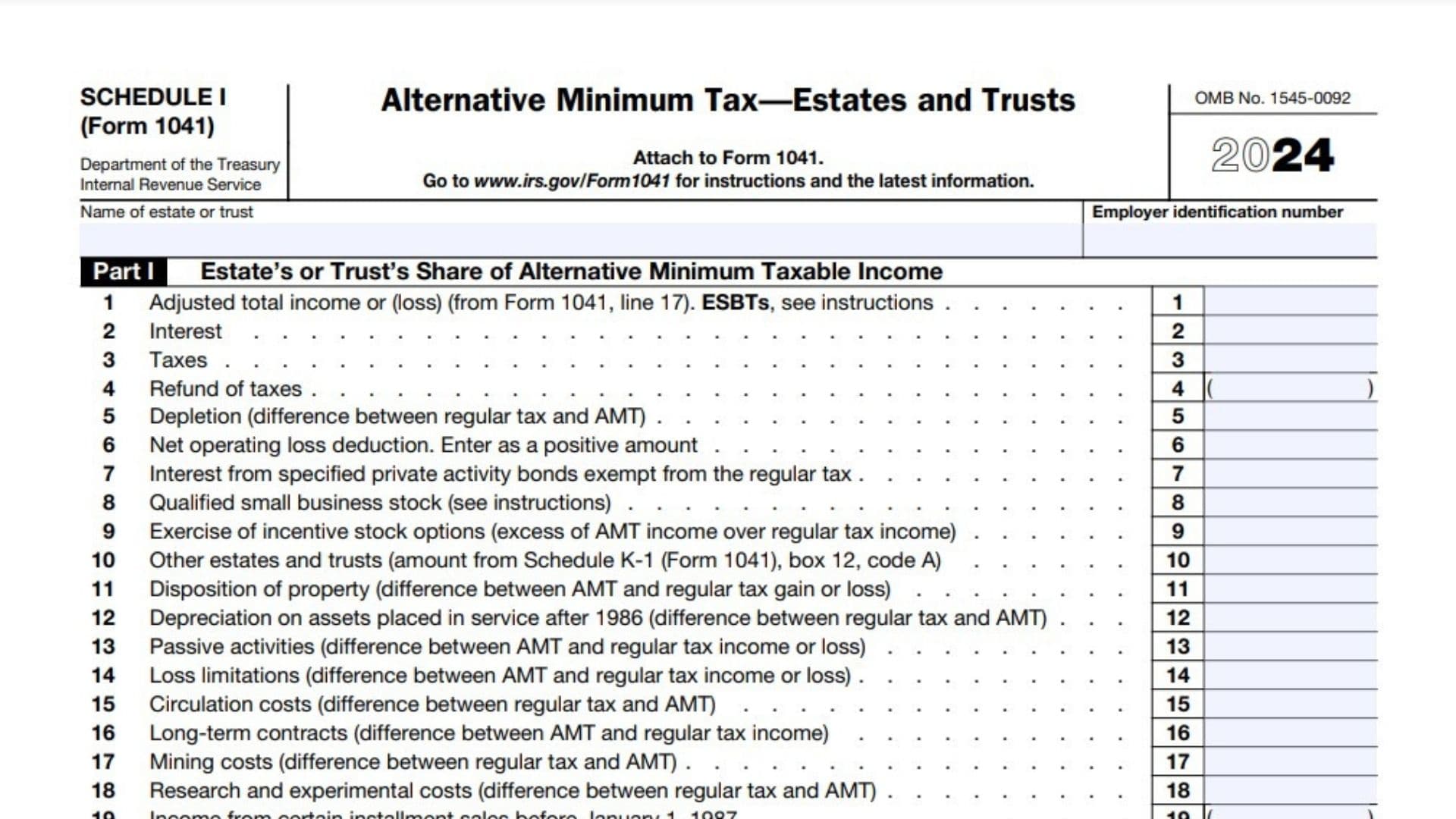
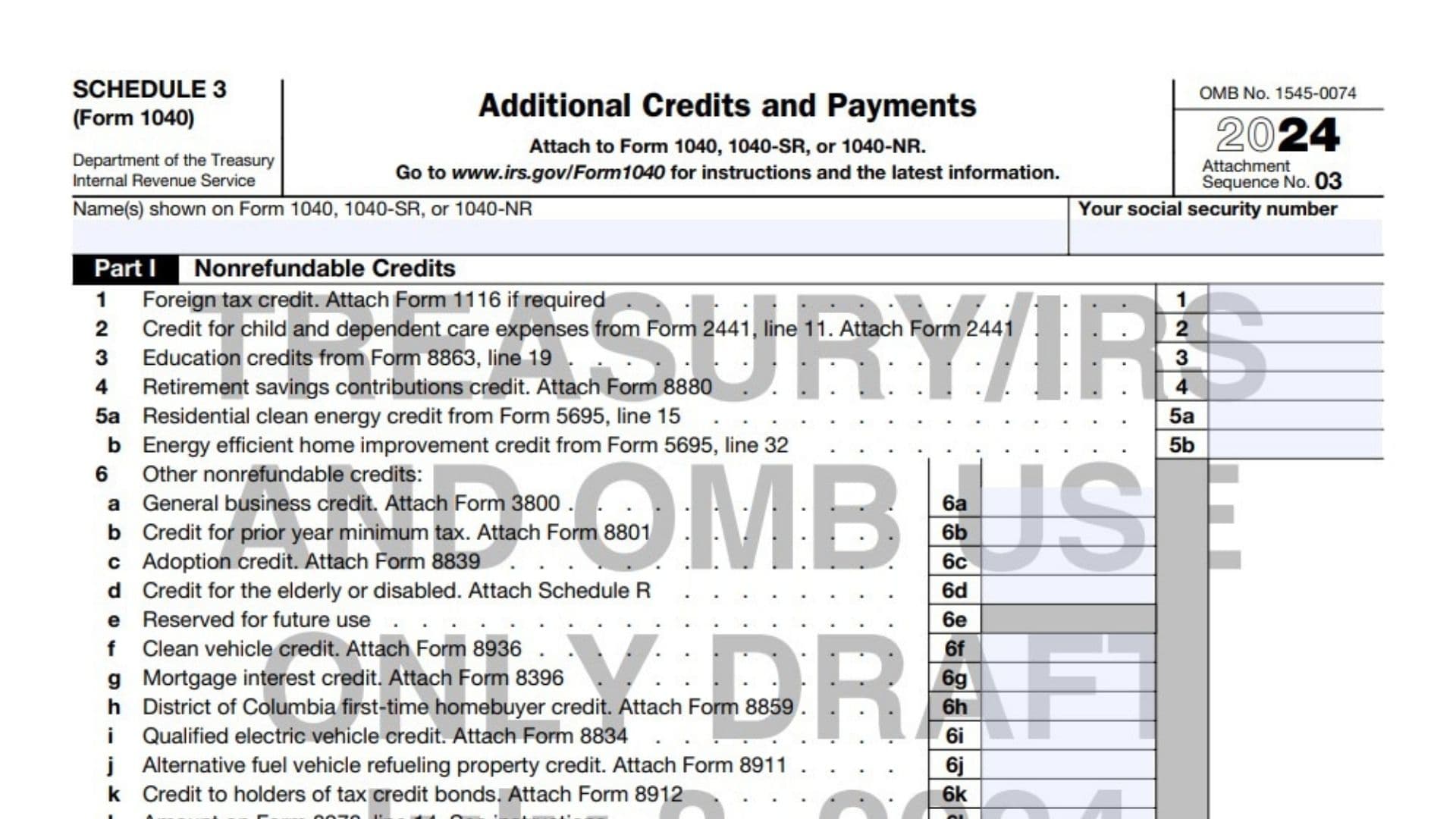
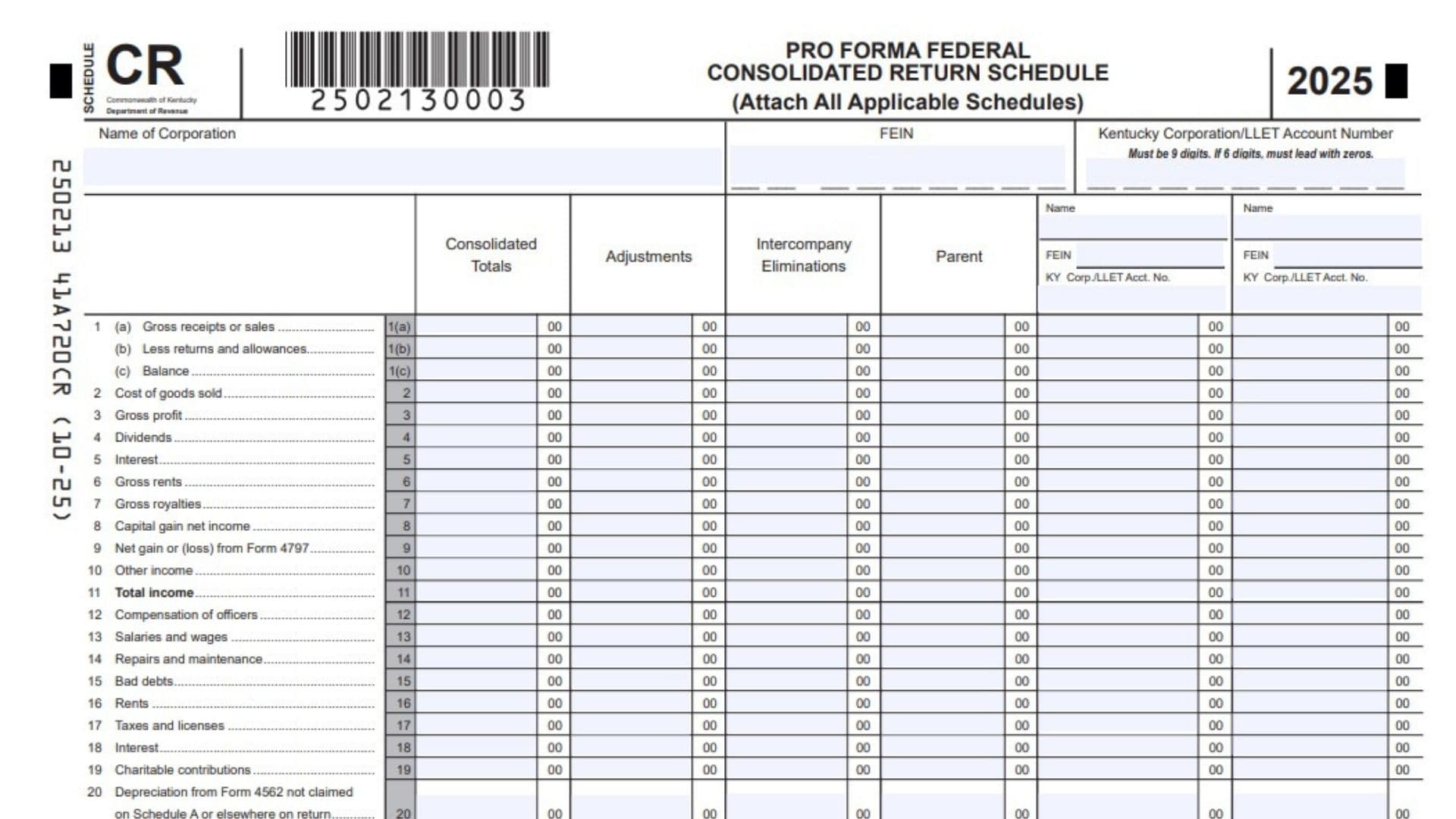
Schedule 1-A is a specialized tax form attachment used to report specific financial information—such as capital gains, local income taxes, or specific state-level deductions—depending on the exact jurisdiction and tax agency requiring it. Taxpayers must carefully align these entries with their primary return to prevent processing delays, audits, or mathematical discrepancies.
Understanding the Purpose and Scope of Schedule 1-A
Navigating tax documentation requires an understanding of how individual forms interact with master returns. Schedule 1-A acts as an auxiliary reporting mechanism designed to capture specialized financial transactions, adjustments, or calculations that do not fit onto the primary tax return document. Because tax codes feature numerous line items for deductions, credits, and specialized income categories, regulatory bodies utilize supplemental schedules to maintain clarity on the main return while capturing granular data.
When examining the instructions for Schedule 1-A, taxpayers must first identify whether they are filing at the federal or state level, as the specific nomenclature and exact requirements of "Schedule 1-A" can vary significantly depending on the taxing authority. For state tax forms, Schedule 1-A frequently handles itemized deductions, adjustments to income, or specific local tax credits. For federal filings, related schedules handle additional income and adjustments to income, making it vital to cross-reference the exact form title with the tax year in question.
Why Supplemental Schedules Matter
Supplemental schedules serve several essential functions within tax compliance frameworks:
- Data Segregation: They separate complex calculations (such as multi-asset capital gains or intricate itemized deductions) from the primary 1040 or state return pages.
- Audit Trail Generation: They provide auditors and automated processing systems with a clear lineage of how a specific total was derived.
- Compliance Enforcement: They force taxpayers to attest to specific eligibility criteria by answering targeted questions or listing individual transaction details.
Failing to attach a required supplemental schedule or misinterpreting its instructions can result in automatic notices from tax authorities, delayed refunds, or the disallowance of claimed deductions and credits.
Eligibility and Prerequisites for Filing
Before completing Schedule 1-A, taxpayers must determine whether their financial situation triggers the requirement to file. Not every filer needs to submit supplemental schedules; doing so unnecessarily can complicate processing, while omitting a mandatory schedule invites penalties.
Identifying Filing Triggers
The trigger conditions for Schedule 1-A generally stem from specific financial events or thresholds realized during the tax year. Common triggers include:
- Specific Adjustments to Income: Claiming deductions that require itemized proof or specialized calculation worksheets beyond standard adjustments.
- State-Specific Credits: Applying for localized tax credits, such as property tax relief, renter's credits, or specialized energy-efficiency incentives managed at the state level.
- Allocation of Multi-State Income: Reporting income earned across multiple jurisdictions, requiring an auxiliary schedule to apportion taxes paid.
Reviewing the instructions provided by the issuing tax agency is the most reliable way to confirm filing obligations. Taxpayers should gather all foundational documents—such as Form W-2, various 1099 statements, brokerage summaries, and receipts for eligible deductions—before attempting to fill out the schedule lines.
Step-by-Step Walkthrough of the Instructions
Completing Schedule 1-A requires a methodical approach, moving sequentially through identification fields, calculation sections, and final totals. While exact line numbers vary by jurisdiction and tax year, the general architecture of these instructions remains consistent.
Step 1: Personal Information and Taxpayer Identification
The top section of Schedule 1-A requires baseline identification data to ensure the schedule is correctly matched to the primary tax return.
- Enter the primary taxpayer’s legal name as it appears on the main tax return.
- Provide the correct Taxpayer Identification Number (TIN) or Social Security Number (SSN). For joint returns, ensure both identifiers or the primary filer's identifier matches the master form instructions.
Step 2: Transferring Data from Source Worksheets
Most sections of Schedule 1-A rely on figures calculated on separate worksheets.
- Do not estimate figures. Pull exact dollar amounts from your supporting financial documents or prior calculation pages.
- Respect rounding rules. Most tax agencies require amounts to be rounded to the nearest whole dollar. Ensure consistency between your main return and all supplemental schedules.
Step 3: Completing Calculation Lines
As you move through the body of the schedule, follow the mathematical instructions listed beside each line (e.g., "Add lines 3 through 7" or "Subtract line 12 from line 11").
- Pay close attention to conditional phrasing such as “If zero or less, enter -0-” or “If you answered ‘Yes,’ go to line 14.”
- Double-check negative numbers. Tax forms handle negative values in specific ways, often requiring them to be enclosed in parentheses or explicitly designated as negative inputs.
Step 4: Carrying Totals to the Master Return
The final line of Schedule 1-A yields a definitive figure—such as a total adjusted deduction or a specific credit amount—that must be transferred to a designated line on the primary tax return.
- Verify that the line reference on the master return matches the destination indicated at the bottom of Schedule 1-A.
- Attach the completed schedule to your tax submission package, whether filing electronically via approved tax software or submitting a paper return by mail.
| Form Section | Primary Purpose | Required Documentation | Common Error to Avoid |
|---|---|---|---|
| Header Identification | Links schedule to master return | SSN, Full Legal Name | Mismatched SSN or misspelled names |
| Calculation Body | Computes specialized deductions/credits | W-2, 1099, receipts, worksheets | Mathematical errors, skipping conditional lines |
| Final Transfer Line | Exports final total to primary return | Completed Schedule 1-A | Transferring the wrong line total to the 1040/state form |
Common Mistakes and Troubleshooting
Taxpayers frequently encounter pitfalls when dealing with supplemental schedules. Recognizing these common errors can save hours of administrative frustration and prevent contact from tax regulators.
Mathematical and Transfer Discrepancies
The most frequent cause of processing holds is a mismatch between the total calculated on Schedule 1-A and the number reported on the primary tax return.
- Solution: Always complete the supplemental schedules before finalizing the main tax return. This ensures that final calculated values flow seamlessly into the master document without requiring manual edits across multiple pages.
Overlooking State vs. Federal Distinctions
Taxpayers often confuse federal supplemental schedules with state-specific forms sharing similar alphanumeric designations.
- Solution: Verify the agency logo and form title at the top left or right corner of the document. Ensure you are utilizing the correct version corresponding to the specific tax year being filed.
Missing Supporting Documentation
Certain entries on Schedule 1-A require contemporaneous records or explanatory statements to be attached to the return. Failing to include these can trigger automatic disallowance of the claimed amount.
- Solution: Check the instruction booklet for phrases like "Attach statement" or "Keep for your records." If an attachment is mandatory, ensure it is securely stapled to a paper filing or properly uploaded within your digital filing software package.
Frequently Asked Questions
What should I do if I realize I made a mistake on Schedule 1-A after filing?
If you discover an error after submitting your return, you will typically need to file an amended return using the appropriate adjustment form (such as Form 1040-X for federal returns or the state equivalent). You must recalculate Schedule 1-A with the corrected figures, attach the revised schedule to your amended return, and clearly document the changes made.
Is Schedule 1-A required for electronic filing?
Yes, if your financial situation triggers the requirement for Schedule 1-A, electronic tax preparation software will automatically generate and populate the schedule based on your interview answers. It is transmitted electronically along with your primary return data.
Can I leave lines blank on Schedule 1-A?
You should leave lines blank only if the instructions or your specific financial situation dictate that the line does not apply to you. If a line requires a calculation resulting in zero, enter zero or "-0-" rather than leaving it empty, unless directed otherwise by the form instructions.
Where can I find official instructions for Schedule 1-A?
Official instructions are published directly by the tax authority issuing the form—typically available on the official government revenue department website or through authorized tax preparation software portals. Always consult the official publication corresponding to the specific tax year you are filing.
Conclusion and Next Actions
Filing Schedule 1-A correctly requires careful attention to detail, accurate financial record-keeping, and strict adherence to the issuing agency's guidelines. Begin by gathering all necessary source documents, verify whether your specific financial profile triggers the requirement for the schedule, and complete all calculations sequentially before transferring your final totals to the master return. For complex financial situations involving multi-state income or intricate deductions, consider consulting a qualified certified public accountant or tax professional to ensure total compliance.