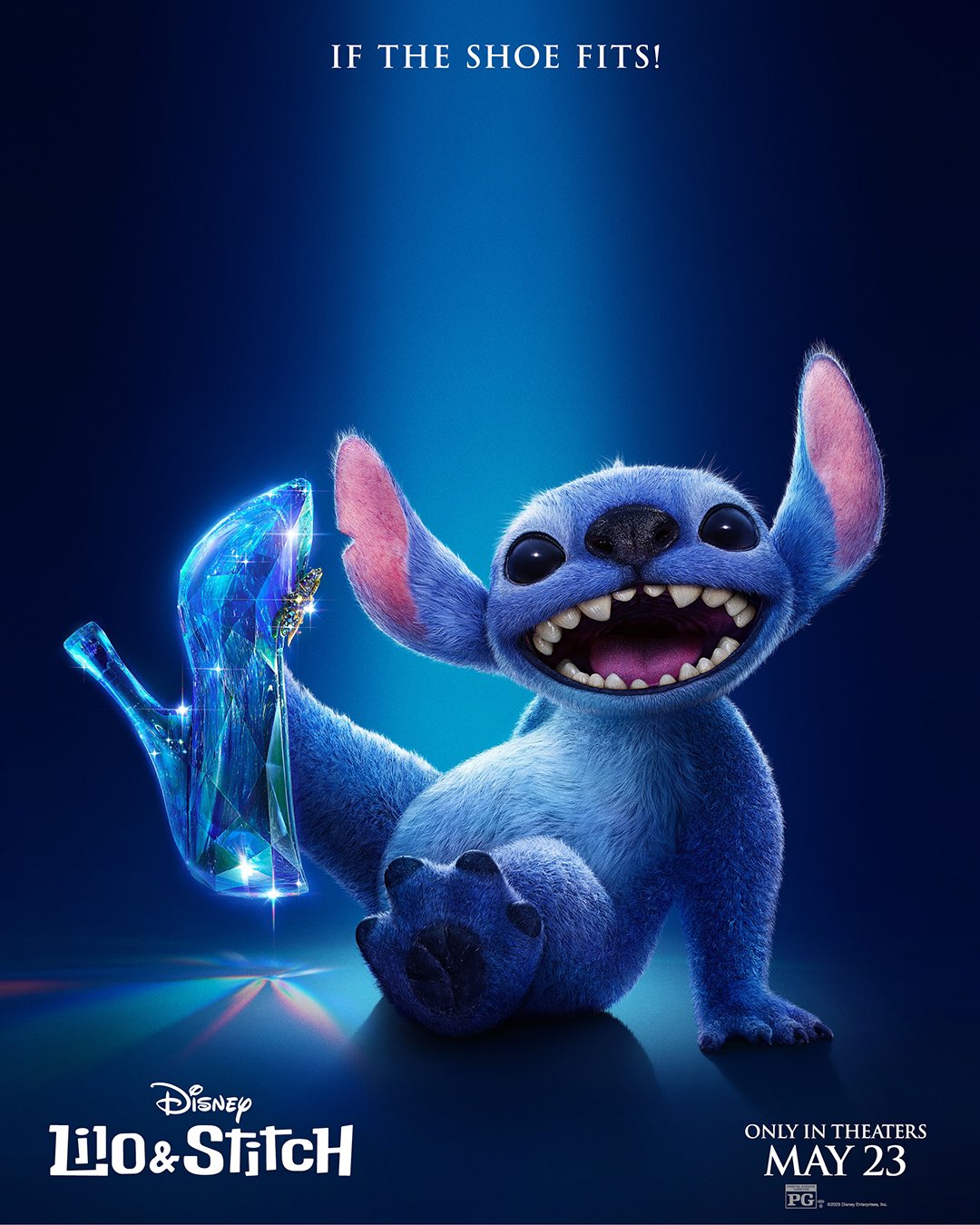
The 2025 reimagining of Lilo & Stitch transforms the beloved 2002 animated classic into a live-action/CGI hybrid, introducing significant visual and narrative updates. Key differences include a photorealistic CGI Stitch, a modernized exploration of Hawaiian social dynamics, and expanded character backstories, all culminating in a theatrical release that followed a complex seven-year production timeline.
The Production Odyssey: A Detailed Timeline (2018–2025)
The journey to bring Lilo & Stitch into the live-action realm was one of the most protracted in Disney’s recent history. Understanding the differences between the two versions requires looking at how the project evolved through various creative hands and global events.
2018–2020: Announcement and Initial Concept
In October 2018, Disney first announced that a live-action remake of the 2002 film was in development. Producers Dan Lin and Jonathan Eirich, fresh off the success of the Aladdin remake, were attached to the project. During this phase, the primary question was whether the film would be a direct "shot-for-shot" remake or a reimagining. Early scripts by Mike Van Waes suggested a focus on blending the whimsical alien elements with a more grounded depiction of Kaua'i.
2021–2022: Directorial Shifts and Creative Vision
In November 2020, reports surfaced that Jon M. Chu was in talks to direct, but by July 2022, Dean Fleischer Camp—the director of the Academy Award-nominated Marcel the Shell with Shoes On—was officially hired. This was a pivotal moment that defined the visual difference of the 2025 film. Fleischer Camp’s experience with integrating small, expressive CGI characters into real-world environments signaled that the 2025 Stitch would prioritize emotional texture over cartoonish exaggeration.
2023: Casting and Principal Photography
Casting began in early 2023, revealing the first major "human" differences. Newcomer Maia Kealoha was cast as Lilo in March 2023. However, the production faced significant hurdles. In May 2023, a fire broke out in a production trailer on the Hawaii set, causing minor delays. More substantially, the SAG-AFTRA and WGA strikes of 2023 halted filming mid-production. This delay allowed the VFX teams more time to refine the "uncanny" elements of the CGI Stitch, which had been a point of contention among fans after early leaked set photos of a stand-in puppet circulated.
2024–2025: Post-Production and Global Release
Filming concluded in early 2024. Throughout the year, teaser footage at D23 showed the 2025 Stitch's design, which retained the large eyes and blue fur of the original but added realistic fur physics and reactive lighting. The film finally premiered in theaters on May 23, 2025, marking a shift from its originally rumored Disney+ exclusive debut to a full theatrical event.
Visual Evolution: 2D Watercolor vs. Photorealistic CGI
One of the most striking differences in the 2025 Lilo & Stitch is the departure from the original's unique aesthetic. The 2002 film was famous for its use of watercolor backgrounds—a technique Disney hadn’t used extensively since Dumbo in 1941. This gave the original a soft, storybook feel that balanced the chaotic energy of Experiment 626.
The Realism of 2025
The 2025 version replaces watercolor with the high-definition, lush reality of the Hawaiian islands. Filmed on location in Kaua'i, the live-action version utilizes the natural saturation of the Pacific landscape. This change shifts the tone; the world feels more "lived-in" and the stakes of Lilo and Nani’s potential separation feel more grounded in reality rather than an animated fable.
Redesigning Stitch (Experiment 626)
Stitch himself underwent a massive technical overhaul. In the 2002 version, Stitch is a marvel of expressive line work. In 2025, he is a photorealistic alien. The challenge for the VFX team was maintaining the character’s "cuteness" while acknowledging his biological nature as a destructive creature. The 2025 Stitch features:
- Tactile Fur: Visible texture that reacts to water, sand, and wind.
- Anatomical Detail: Muscles and skeletal movements that suggest a real biological entity.
- Vocal Consistency: Crucially, Chris Sanders returned to voice Stitch, providing the most significant bridge between the two versions.
Narrative and Character Adjustments
While the core plot—an alien fugitive posing as a dog is adopted by a dysfunctional family—remains intact, the 2025 film introduces several narrative refinements to better suit a modern audience and a live-action format.
Nani and the Economic Reality
In the 2002 original, Nani’s struggle to find work is a recurring theme. The 2025 version expands on this, highlighting the specific economic pressures of living in modern Hawaii, including the impact of tourism on local residents. This makes Nani’s character, played by Sydney Agudong, feel more like a modern guardian fighting against a system, rather than just a stressed older sister.
The Role of Cobra Bubbles
There was significant speculation during production that the character of Cobra Bubbles would be replaced by a new character, Mrs. Kekoa (played by Jolene Purdy). However, it was later confirmed that Courtney B. Vance would portray Cobra Bubbles. The difference lies in his portrayal; while the animated Bubbles was a formidable, Men-in-Black-style caricature, Vance’s version is a more nuanced social worker with a mysterious past, emphasizing his duty to the child's safety over his "government agent" persona.
Cultural Representation and Authenticity
The 2025 film leans more heavily into authentic Hawaiian culture. While the 2002 film was praised for its soundtrack and setting, the remake utilized cultural consultants to ensure that the dialogue, hula sequences, and family dynamics reflected "Ohana" with deeper ethnographic accuracy. This includes a more prominent use of the Hawaiian language (ʻŌlelo Hawaiʻi) in background dialogue and signage.
Comparison of Key Features: 2002 vs. 2025
| Feature | 2002 Animated Version | 2025 Live-Action Version |
|---|---|---|
| Animation/VFX Style | Traditional 2D Hand-drawn | Live-action with Photorealistic CGI |
| Background Aesthetic | Watercolor paintings | On-location Hawaiian cinematography |
| Stitch's Voice | Chris Sanders | Chris Sanders |
| Cobra Bubbles Role | Imposing, comedic social worker | Nuanced, serious investigator |
| Primary Theme | Finding family (Ohana) | Preservation of family under modern pressure |
| Musical Style | Elvis Presley & Alan Silvestri | Elvis covers & modernized Hawaiian score |
| Release Format | Theatrical | Theatrical (May 23, 2025) |
Technical Depth: The Challenges of Live-Action Integration
Moving Lilo & Stitch to live-action presented unique technical hurdles that the 2002 team never had to face. Integrating a character as chaotic as Stitch into a real-world environment requires a sophisticated understanding of "interaction physics."
Interaction with Water
Much of the story takes place on the beach or in the ocean. In animation, water is stylized. In the 2025 film, the VFX team had to simulate how a CGI creature’s fur interacts with the salt water and sand of Hawaii. This required "wet fur" sims that are among the most complex in modern CGI. When Stitch surfs in the 2025 version, the spray and displacement of the water are real, with the digital character layered in through precise match-moving.
Lighting and Plate Photography
To make Stitch feel real, the director used "stuffies" (physical puppets) on set. This allowed the actors, particularly Maia Kealoha, to have a tangible object to interact with. These puppets were then replaced by CGI in post-production. The benefit of this method is that it captures real shadows and light reflections on the actors' skin, which are then mirrored on the digital Stitch model, preventing him from looking "pasted on" to the scene.
The Cultural Impact of the Remake
The 2025 film arrived at a time when Disney’s strategy of remaking its "Rennaisance" and "Post-Rennaisance" hits was under heavy scrutiny. The differences in Lilo & Stitch represent a broader trend of trying to add "prestige" and "realism" to stories that were originally built on the logic of cartoons.
The 2002 film was a sleeper hit that saved Disney during a period of experimental failures (like Treasure Planet). By contrast, the 2025 film was a massive, high-budget gamble intended to anchor the summer box office. The narrative differences—specifically the deeper dive into Lilo’s grief and Nani’s parental anxiety—reflect a 2025 audience that expects more psychological depth from their blockbusters.
FAQ: Understanding the 2025 Changes
Is the 2025 Stitch scary or "uncanny"?
The design team worked extensively to avoid the "Sonic the Hedgehog" controversy. While the 2025 Stitch is photorealistic, his proportions were slightly adjusted to maintain his "chibi" (large head, small body) appeal. Most viewers found that while it takes a few minutes to adjust to a "furry" Stitch, his expressive eyes—driven by the same performance logic as the original—keep him endearing.
Does the 2025 movie include the same Elvis Presley songs?
Yes, the 2025 film retains the iconic Elvis soundtrack, but with a twist. While some original recordings are used, there are also new covers by contemporary artists and a more expanded orchestral score that incorporates traditional Hawaiian instruments like the ipu and ukulele more prominently than the 2002 version.
Why was the character of David changed?
David Kawena (played by Kaipo Dudoit) remains Nani’s love interest and Lilo’s friend. The primary difference is the development of his character. In the 2025 version, David’s role as a fire dancer and his connection to the local community are expanded, providing a broader look at the "extended Ohana" that supports Lilo and Nani.
Are Jumba and Pleakley in the 2025 version?
Yes, Jumba Jookiba and Agent Pleakley are central characters. Zach Galifianakis provides the voice and motion capture for Jumba, while Billy Magnussen plays Pleakley. Their designs are perhaps the most different from the original; as aliens, their "realistic" forms are more extraterrestrial and less "squishy" than their 2002 counterparts.
Does the story still take place in the early 2000s?
No, the 2025 film is set in the present day. This introduces modern elements like smartphones and social media, which are used to highlight Lilo’s isolation. In a world where everyone is connected, her preference for "weird" things and her struggle to fit in with her peers feels even more poignant.
Final Recommendation: Which Version to Watch?
For those seeking the nostalgic, whimsical, and purely artistic expression of Disney’s 2D era, the 2002 original remains the definitive version. Its watercolor beauty and zany pacing are unique artifacts of its time.
However, the 2025 live-action remake is highly recommended for viewers who want a deeper emotional exploration of the themes of "Ohana" and family loss. The 2025 film excels at making the stakes feel real, using the natural beauty of Hawaii and the incredible technical achievement of a "living" Stitch to create a movie that feels like a heartfelt drama punctuated by alien chaos. If you have already seen the original, the 2025 version offers enough new cultural context and character depth to justify a return trip to the islands.