In this 2026 retrospective, we analyze the 2024 landscape of GLP-1 receptor agonists, a year that redefined these drugs from simple weight-loss aids to foundational tools for cardiovascular and metabolic health. The 2024 updates were characterized by critical regulatory expansions, the rise of dual-agonist dominance, and a shift toward long-term outcomes data.
The term "GLP-1 inhibitor" is frequently used in common parlance, though it is scientifically more accurate to refer to these agents as GLP-1 Receptor Agonists (GLP-1 RAs). Unlike inhibitors, which block a biological process, these drugs mimic the natural glucagon-like peptide-1 hormone to stimulate insulin secretion, inhibit glucagon, and slow gastric emptying. In 2024, the landscape for these therapies transitioned from managing Type 2 Diabetes (T2D) to a comprehensive approach involving obesity, chronic kidney disease (CKD), and major adverse cardiovascular events (MACE).
The 2024 Paradigm Shift: From Weight Loss to Cardiovascular Health
The most significant development in 2024 was the formal recognition by regulatory bodies that GLP-1 RAs are not merely "lifestyle" medications. This shift was largely driven by the SELECT trial results, which demonstrated that semaglutide (Wegovy) reduced the risk of heart attack, stroke, or cardiovascular death by 20% in adults with obesity and established cardiovascular disease but without diabetes.
In March 2024, the U.S. Food and Drug Administration (FDA) officially approved a new indication for Wegovy to reduce the risk of cardiovascular death, heart attack, and stroke in adults with cardiovascular disease and obesity or overweight. This approval was a watershed moment for the insurance landscape, as it provided a clinical justification for coverage that moved beyond the "cosmetic" stigma often associated with weight management medications.
The Impact on Clinical Guidelines
Following the FDA’s lead, major medical associations updated their 2024 guidelines. The American Diabetes Association (ADA) and the American College of Cardiology (ACC) began emphasizing GLP-1 RAs as first-line or early-intervention therapies for patients with high cardiovascular risk, regardless of their baseline A1c levels. This 2024 update solidified the "metabolic health" framework, where obesity is treated as a root-cause pathology rather than a secondary symptom.
Semaglutide vs. Tirzepatide: The Battle for Potency
The 2024 landscape was dominated by two primary players: Novo Nordisk (Semaglutide) and Eli Lilly (Tirzepatide). While semaglutide pioneered the market, 2024 saw tirzepatide (marketed as Mounjaro for T2D and Zepbound for obesity) gain significant market share due to its dual-agonist mechanism.
Tirzepatide: The GIP/GLP-1 Dual Agonist
Tirzepatide represents a "twincretin" approach, targeting both the GLP-1 receptor and the glucose-dependent insulinotropic polypeptide (GIP) receptor. Throughout 2024, clinical data suggested that the dual-agonist approach generally resulted in higher percentages of body weight loss compared to semaglutide. In the SURMOUNT-OSA trials published in mid-2024, tirzepatide also showed remarkable efficacy in reducing the severity of obstructive sleep apnea in patients with obesity, further expanding its clinical utility.
Semaglutide: Expanding the Evidence Base
While facing stiff competition from tirzepatide, Novo Nordisk’s semaglutide focused on diversifying its therapeutic applications. The 2024 update on the FLOW trial was particularly noteworthy. This trial, which focused on kidney outcomes in patients with T2D and chronic kidney disease (CKD), was stopped early due to clear signs of efficacy. The results showed that semaglutide significantly reduced the risk of kidney failure and death from kidney-related causes, positioning the drug as a powerful tool in nephrology.
The 2024 Pipeline: Next-Generation "Triple Agonists" and Small Molecules
By 2024, the pharmaceutical pipeline began moving beyond simple injections. Researchers focused on two main fronts: increasing potency through multi-receptor targeting and improving patient adherence through oral delivery systems.
Retatrutide: The Triple Agonist
Perhaps the most discussed experimental agent in 2024 was Eli Lilly’s Retatrutide. As a triple hormone receptor agonist (targeting GLP-1, GIP, and Glucagon receptors), it showed early-phase results indicating weight loss levels exceeding 24% over 48 weeks. The addition of the glucagon receptor is thought to increase energy expenditure, distinguishing it from earlier models that focused primarily on appetite suppression.
Oral GLP-1 RAs: Overcoming the "Injection Barrier"
In 2024, the development of oral semaglutide (at higher doses) and new small-molecule agonists like Orforglipron gained momentum. The goal was to provide an alternative to the once-weekly subcutaneous injection.
- Orforglipron: A non-peptide, oral GLP-1 RA that does not require the strict fasting protocols associated with Rybelsus.
- Danuglipron: Pfizer’s oral entry faced setbacks in late 2023, but 2024 saw a pivot toward a once-daily formulation, highlighting the technical challenges of maintaining bioavailability in oral formats.
Supply Chain Realities and Compounding in 2024
One cannot discuss the 2024 GLP-1 landscape without addressing the severe shortages. The demand for Wegovy and Zepbound consistently outstripped supply, leading to significant patient distress and a rise in "compounded" alternatives.
The Rise of Compounding Pharmacies
Because these drugs were on the FDA’s official shortage list for much of 2024, Section 503A and 503B compounding pharmacies were legally permitted to produce "essentially copies" of the patented medications. This created a complex regulatory environment. The FDA issued multiple warnings regarding the safety of "salt" versions (like semaglutide sodium), which are not the same as the base form of the drug used in clinical trials.
Manufacturing Infrastructure Investments
In response, 2024 saw massive capital expenditures from Eli Lilly and Novo Nordisk. Novo Nordisk’s parent company, Novo Holdings, announced the acquisition of Catalent, a major contract manufacturer, for $16.5 billion to secure fill-finish capacity. Eli Lilly simultaneously invested billions in new facilities in Indiana and Germany. These 2024 investments were the precursors to the stabilized supply we see here in 2026.
Comparison of Key GLP-1 Receptor Agonists (2024 Status)
| Drug Name (Brand) | Manufacturer | Primary Mechanism | 2024 Key Indications | Typical Delivery |
|---|---|---|---|---|
| Semaglutide (Wegovy) | Novo Nordisk | GLP-1 Agonist | Obesity, CV Risk Reduction | Weekly Subcutaneous |
| Semaglutide (Ozempic) | Novo Nordisk | GLP-1 Agonist | Type 2 Diabetes | Weekly Subcutaneous |
| Tirzepatide (Zepbound) | Eli Lilly | GIP/GLP-1 Agonist | Obesity, (OSA in trials) | Weekly Subcutaneous |
| Tirzepatide (Mounjaro) | Eli Lilly | GIP/GLP-1 Agonist | Type 2 Diabetes | Weekly Subcutaneous |
| Liraglutide (Saxenda) | Novo Nordisk | GLP-1 Agonist | Obesity (First Gen) | Daily Subcutaneous |
| Retatrutide (Experimental) | Eli Lilly | GIP/GLP-1/GCG Agonist | Obesity (Phase III) | Weekly Subcutaneous |
Safety Profiles and Adverse Effects in 2024
As millions of people began using these therapies in 2024, the safety profile became more refined. While generally safe, the "2024 update" emphasized the importance of managing gastrointestinal (GI) side effects.
Common Side Effects
Most patients experienced mild to moderate nausea, vomiting, or diarrhea, particularly during the dose-escalation phase. Clinical guidance in 2024 shifted toward slower titration schedules to improve patient retention.
Serious Risks and Monitoring
Throughout 2024, the medical community monitored rare but serious side effects:
- Pancreatitis: While rare, patients with a history of pancreatitis were generally advised against GLP-1 RAs.
- Gastroparesis (Stomach Paralysis): A small number of reports emerged regarding prolonged gastric emptying even after discontinuation, leading to "GLP-1-associated gastroparesis" becoming a topic of litigation and study.
- Muscle Mass Loss: A significant concern in 2024 was the quality of weight loss. Data indicated that a portion of the weight lost was lean muscle mass. This led to the rise of "companion therapies" involving protein-rich diets and resistance training.
- Suicidal Ideation: The European Medicines Agency (EMA) concluded a review in early 2024 stating that current evidence did not show a direct causal link between GLP-1 RAs and suicidal thoughts, providing some regulatory relief.
Cost, Coverage, and Economic Impact
In 2024, the list price for these medications hovered between $900 and $1,350 per month in the United States. This created a massive economic divide.
Insurance and Employer Trends
Many employers began dropping coverage for weight-loss medications in early 2024 due to skyrocketing premiums. However, the FDA's approval for Wegovy’s cardiovascular indication changed the math for Medicare. While Medicare is legally prohibited from covering drugs for "weight loss," it can cover them for "cardiovascular risk reduction." This nuances the 2024 landscape, as many seniors gained access to Wegovy for heart health even if they were technically using it for weight management.
International Pricing
Outside the U.S., prices were significantly lower due to government price negotiations. In 2024, countries like the UK and Germany restricted GLP-1 RAs to patients with high BMIs and specific comorbidities to manage the strain on national health budgets.
Frequently Asked Questions
What was the biggest update to GLP-1 inhibitors in 2024?
The most significant update was the FDA approval of Wegovy (semaglutide) for the reduction of Major Adverse Cardiovascular Events (MACE). This was the first time a weight-loss medication was approved specifically to help prevent life-threatening heart conditions, effectively moving the drug category from aesthetic weight loss to essential metabolic medicine.
Are GLP-1 inhibitors the same as SGLT2 inhibitors?
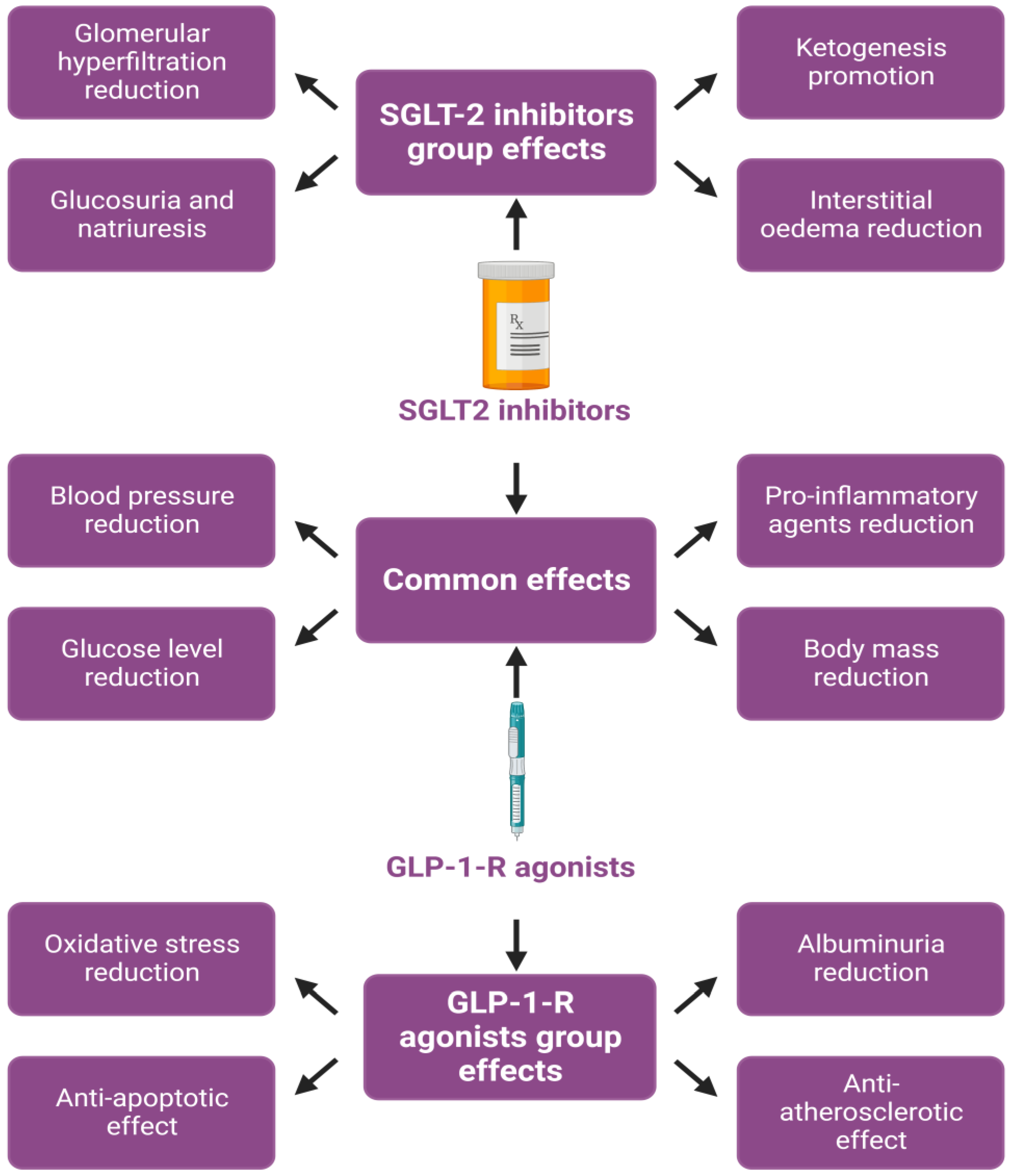
No. GLP-1 RAs (often mislabeled as inhibitors) work primarily by mimicking hormones that affect appetite and insulin in the gut and brain. SGLT2 inhibitors (like Jardiance or Farxiga) work by preventing the kidneys from reabsorbing sugar, causing it to be excreted in the urine. While both are used for diabetes and heart health, they have entirely different mechanisms of action.
Why were there so many shortages of GLP-1 drugs in 2024?
The shortages were caused by a "perfect storm" of high demand and manufacturing complexity. The surge in off-label use for weight loss, combined with the difficulty of manufacturing the specialized injector pens and the biological peptide itself, meant that production could not keep up with global demand throughout 2024.
What is a "triple agonist" in the context of the 2024 landscape?
A triple agonist refers to a single molecule that targets three different receptors: GLP-1, GIP, and Glucagon. In 2024, the most prominent example was Retatrutide. By stimulating these three pathways, the drug aims to suppress appetite while simultaneously increasing the body's rate of calorie burning, potentially leading to greater weight loss than dual or single agonists.
Did GLP-1 medications cause "stomach paralysis" in 2024?
There were reported cases of gastroparesis (severely delayed stomach emptying) in 2024, which led to some lawsuits. However, the FDA and other regulatory bodies maintained that these occurrences are rare. Most gastrointestinal issues are dose-dependent and resolve as the body adjusts to the medication, although some patients may be more susceptible to long-term motility issues.
Strategic Recommendations for Patients and Clinicians
Looking back from 2026, the lessons of 2024 remain clear. For those navigating the GLP-1 landscape, the following steps are essential:
- Prioritize Comprehensive Care: GLP-1 RAs should never be used as a standalone solution. Successful long-term outcomes in 2024 were highest among patients who combined medication with structured resistance training to preserve muscle mass.
- Verify Source Credibility: Given the prevalence of compounded semaglutide, patients must ensure their medication comes from a pharmacy that uses the base peptide form, not salt versions, and follows rigorous sterile compounding standards.
- Monitor Cardiovascular Metrics: Patients on these medications should work with their physicians to track not just weight and A1c, but also blood pressure and lipid profiles, as the 2024 data suggests these drugs offer holistic cardiovascular benefits.
- Plan for Long-term Use: Data from 2024 confirmed that weight regain is common upon discontinuation. Patients should discuss a "maintenance dose" or long-term metabolic strategy with their endocrinologist.
Professional-Advice Limitation: This article is for informational purposes only and does not constitute medical advice. The GLP-1 receptor agonist landscape involves prescription medications with significant contraindications. Always consult a licensed healthcare provider before starting or changing any medication regimen. Jurisdictional availability and insurance coverage for these drugs vary significantly.