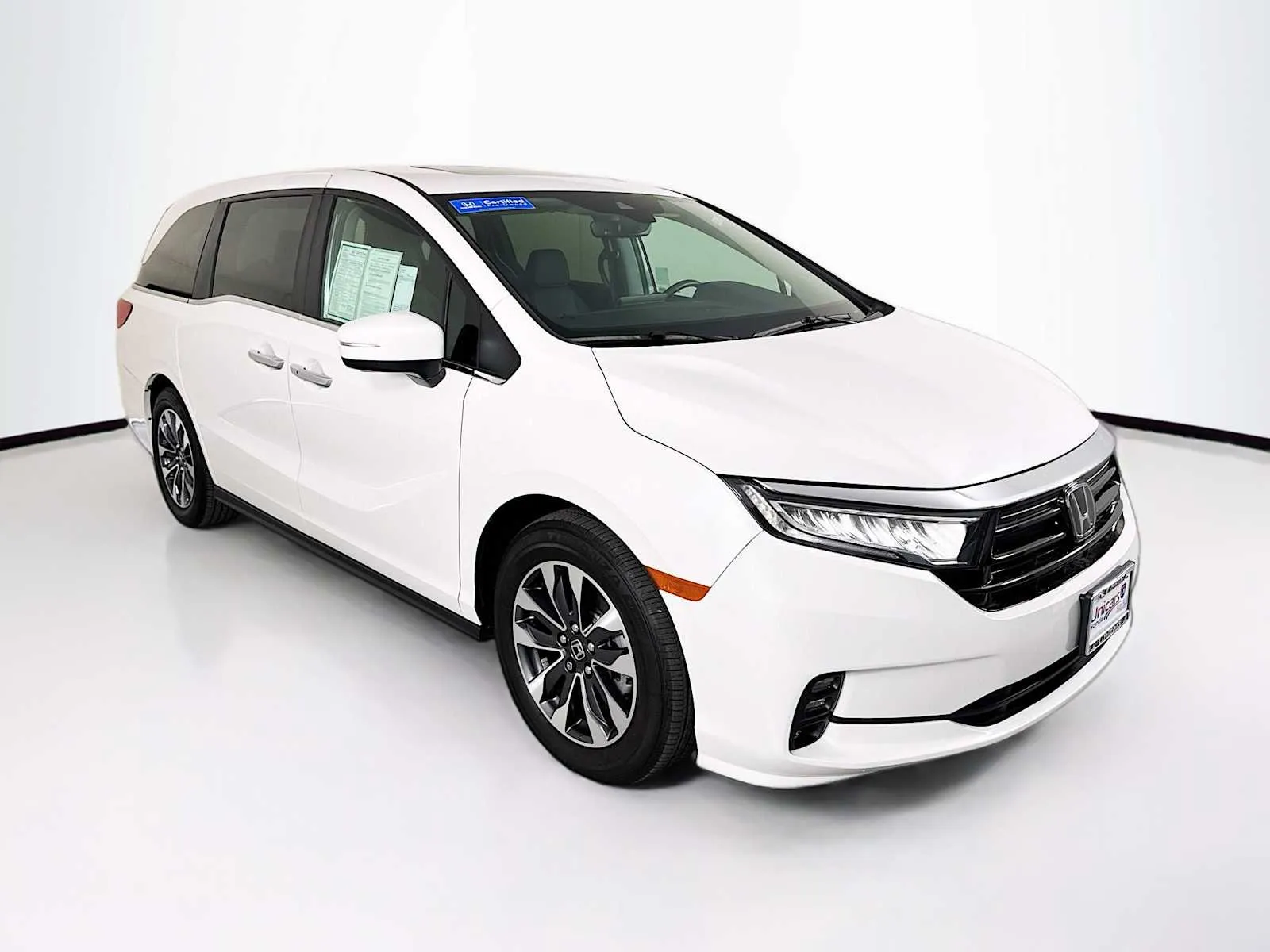
The 2016 Honda Odyssey remains a benchmark in the minivan segment, prized for its versatile seating, robust powertrain, and family-oriented safety features. By 2026, this vehicle is frequently sought by second-hand buyers who prioritize reliability and utility. Understanding its specific trim levels, powertrain capabilities, and dimensional constraints is essential for informed purchasing and ongoing maintenance.
Understanding the 2016 Honda Odyssey Platform
The 2016 model year represents the final iteration of the fourth-generation Honda Odyssey (North American market). This platform is characterized by its unibody construction, emphasizing a balance between passenger comfort and mechanical durability. Unlike later iterations that shifted toward more aggressive styling, the 2016 model focuses on maximizing interior volume and accessibility.
For potential owners, it is critical to recognize that this model shares mechanical DNA with other Honda vehicles of the era, most notably the Pilot and the Accord. This high degree of component commonality simplifies the sourcing of replacement parts, as many sensors, suspension components, and engine seals are widely available across the aftermarket.
Powertrain and Performance Metrics
At the heart of the 2016 Honda Odyssey lies the 3.5-liter i-VTEC V6 engine. This powerplant is engineered to provide a smooth torque curve, which is essential for hauling heavy loads or transporting a full cabin of passengers.
Engine Architecture
- Displacement: 3,471 cc (3.5 Liters)
- Valvetrain: SOHC 24-valve i-VTEC
- Horsepower: 248 hp @ 5,700 rpm
- Torque: 250 lb-ft @ 4,800 rpm
- Fuel Delivery: Multi-Point Programmed Fuel Injection (PGM-FI)
The Variable Cylinder Management (VCM) system is a defining feature of this engine. It allows the vehicle to transition between six, four, and three-cylinder modes depending on the current load. When cruising on the highway, the engine deactivates cylinders to improve fuel economy. While this system significantly benefits long-range travel, it also requires owners to be diligent with oil maintenance, as the VCM system relies on precise oil pressure to actuate the cylinder-deactivation solenoids.
Transmission and Drivetrain
The 2016 Odyssey is exclusively front-wheel drive (FWD). The transmission paired with this engine is a six-speed automatic. This transmission was a significant update over the five-speed units found in earlier versions of the fourth generation, providing a more refined shift pattern and better fuel efficiency during highway driving.
Trim Levels and Feature Distribution
Honda offered the 2016 Odyssey in several distinct trim levels. These trims dictate not only the exterior appearance but also the inclusion of advanced safety systems and luxury features.
- LX: The entry-level model. It provides the core mechanical platform and seating for seven. It is a no-frills, utilitarian choice.
- EX: The most popular trim, adding the convenience of power-sliding doors, the Honda LaneWatch system, and an upgraded audio interface.
- SE (Special Edition): Introduced to bridge the gap between EX and EX-L, the SE features a rear-seat entertainment system and a 115-volt power outlet.
- EX-L: Adds leather-trimmed seating, a power tailgate, and an optional navigation system.
- Touring and Touring Elite: These top-tier trims include premium audio systems, integrated vacuum cleaners (a signature feature of this era), and advanced exterior lighting packages.
Comparative Trim Overview
| Feature | LX | EX | EX-L | Touring Elite |
|---|---|---|---|---|
| Seating Capacity | 7 | 8 | 8 | 8 |
| Wheels | 17-inch Steel | 17-inch Alloy | 17-inch Alloy | 18-inch Alloy |
| Power Tailgate | No | No | Yes | Yes |
| Rear Entertainment | No | No | Optional | Standard |
| HondaVAC | No | No | No | Standard |
Dimensional Specifications and Interior Versatility
The appeal of the 2016 Odyssey lies in its "packaging." Honda designers prioritized what they call "Magic Seat" configurations, which allow the third row to fold flat into the floor and the second row to be reconfigured or removed entirely.
- Wheelbase: 118.1 inches
- Length: 202.9 inches
- Width: 79.2 inches
- Height: 68.4 inches
- Ground Clearance: 4.5 inches
The interior volume is categorized by the EPA as "Large." With all seats in place, the cargo area behind the third row offers approximately 38.4 cubic feet of space. With the third row folded and the second row removed, the total cargo capacity expands to a massive 148.5 cubic feet. Owners should note that the second-row seats are heavy; while they are removable, doing so frequently requires physical effort or assistance.
Safety and Structural Integrity
The 2016 Honda Odyssey was designed with a focus on structural crashworthiness. It utilizes Honda’s Advanced Compatibility Engineering (ACE) body structure, which is designed to distribute crash energy more evenly throughout the frame during frontal collisions.
Standard safety features across all trims include:
- Vehicle Stability Assist (VSA) with Traction Control.
- Anti-lock Braking System (ABS) with Electronic Brake Distribution (EBD).
- Three-row side curtain airbags with a rollover sensor.
- Tire Pressure Monitoring System (TPMS).
In terms of advanced driver-assistance systems (ADAS), the 2016 model is somewhat limited by modern standards. LaneWatch—a camera system mounted on the passenger-side mirror that displays the blind spot on the center screen when the turn signal is activated—is standard on EX trims and above. However, full-suite forward collision warning or lane-keeping assist features were generally restricted to the top-tier Touring Elite trim.
Maintenance Requirements and Considerations
As the vehicle approaches the 10-year mark in 2026, prospective buyers must account for the specific maintenance milestones associated with this generation.
Timing Belt Service
The 3.5L V6 engine utilizes a timing belt rather than a timing chain. This is a critical service item. Honda recommends replacement every 105,000 miles or seven years, whichever comes first. If you are purchasing a 2016 Odyssey today, verify if the timing belt, water pump, and tensioner have been replaced. Failure to perform this maintenance can lead to catastrophic engine failure due to piston-to-valve interference.
Transmission Fluid
The six-speed automatic transmission is sensitive to fluid quality. It is widely recommended among Honda technicians to perform a "drain and fill" of the transmission fluid every 30,000 to 45,000 miles rather than following the long-range intervals suggested by the onboard computer (Maintenance Minder).
Fuel Economy
Given the vehicle's size and weight, it is not an economy car. Expect to see an EPA-estimated 19 mpg city and 28 mpg highway. Real-world results often fluctuate depending on tire pressure, the use of roof racks, and driving style.
Frequently Asked Questions
Does the 2016 Honda Odyssey require premium fuel? No, the 3.5-liter V6 is designed to run on regular unleaded fuel (87 octane). Using premium fuel provides no additional performance benefit for this engine.
Can the HondaVAC be retrofitted to lower trims? The integrated HondaVAC system found in the Touring Elite is heavily integrated into the vehicle's interior panels and electrical wiring. Retrofitting it into a lower trim is practically infeasible due to the complexity of the installation and the cost of the necessary body parts.
What is the maximum towing capacity? When properly equipped with a dealer-installed tow package, the 2016 Odyssey can tow up to 3,500 pounds. This is suitable for small utility trailers or pop-up campers, but owners must be mindful of the tongue weight and total vehicle payload.
Are there known issues with the VCM system? Some owners report engine vibration or spark plug fouling related to the VCM system. Regular maintenance and, in some cases, the installation of a VCM "disabler" device are popular methods among enthusiasts to mitigate these concerns.
How do I check the manufacturing date of my Odyssey? The manufacturing date is located on the driver-side door jamb sticker. This information is helpful when ordering parts, as some mid-year production changes occurred.
Expert Recommendation for Prospective Buyers
If you are currently in the market for a 2016 Honda Odyssey in 2026, prioritize vehicles that have verifiable service records, particularly documentation of timing belt replacement. While the vehicle is highly reliable, the cost of rectifying neglected maintenance—specifically the timing belt and transmission cooling system—can quickly offset the savings of a lower purchase price.
Focus your search on the EX-L trim. It offers the best balance of features, such as leather seating and the power liftgate, without the added complexity of the integrated vacuum or high-end navigation systems, which are prone to becoming obsolete or difficult to repair as the vehicle ages. Ensure you conduct a pre-purchase inspection that includes a test of all electronic sliding doors and an inspection of the engine bay for signs of oil leaks around the spool valve assembly.