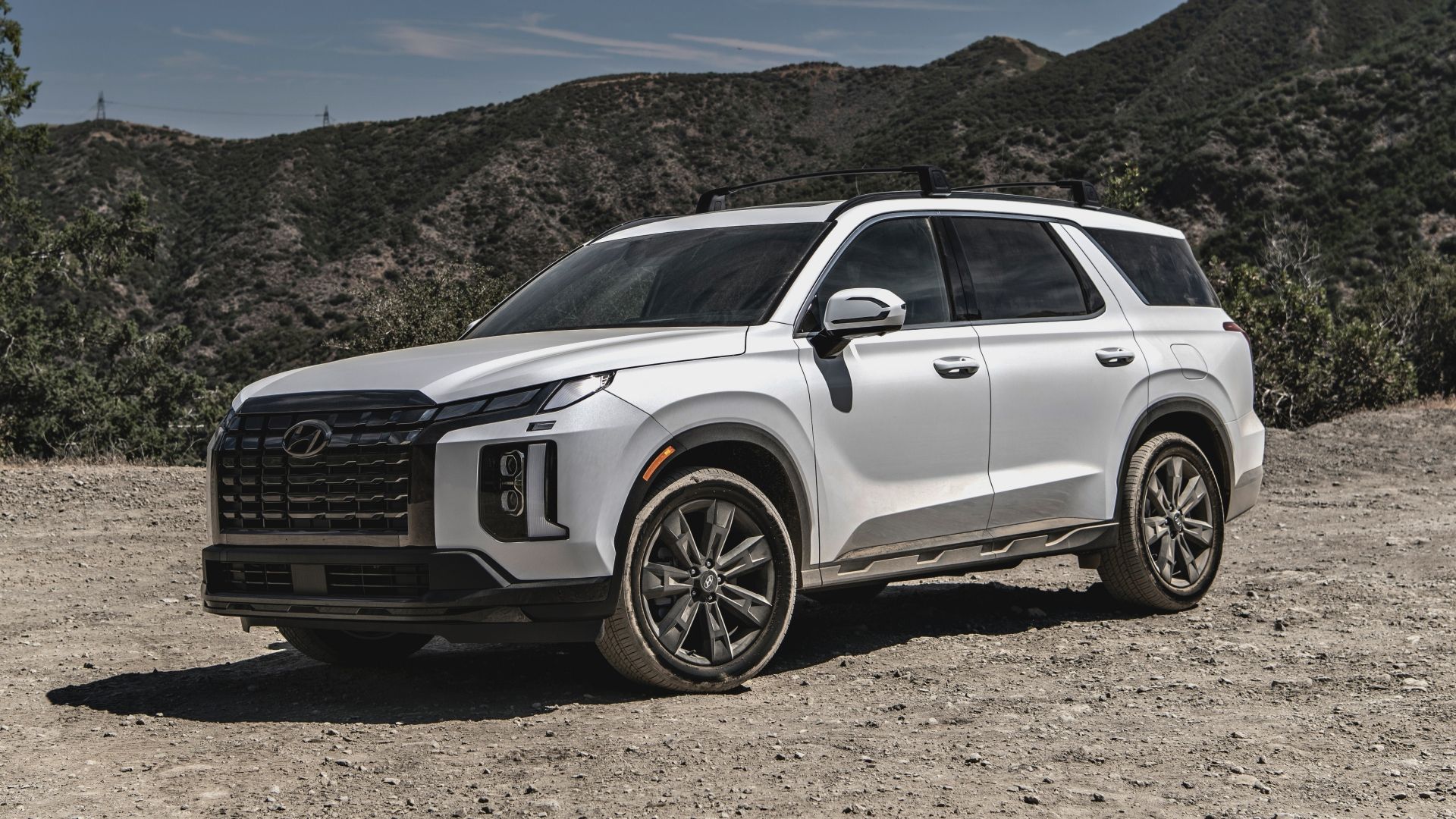
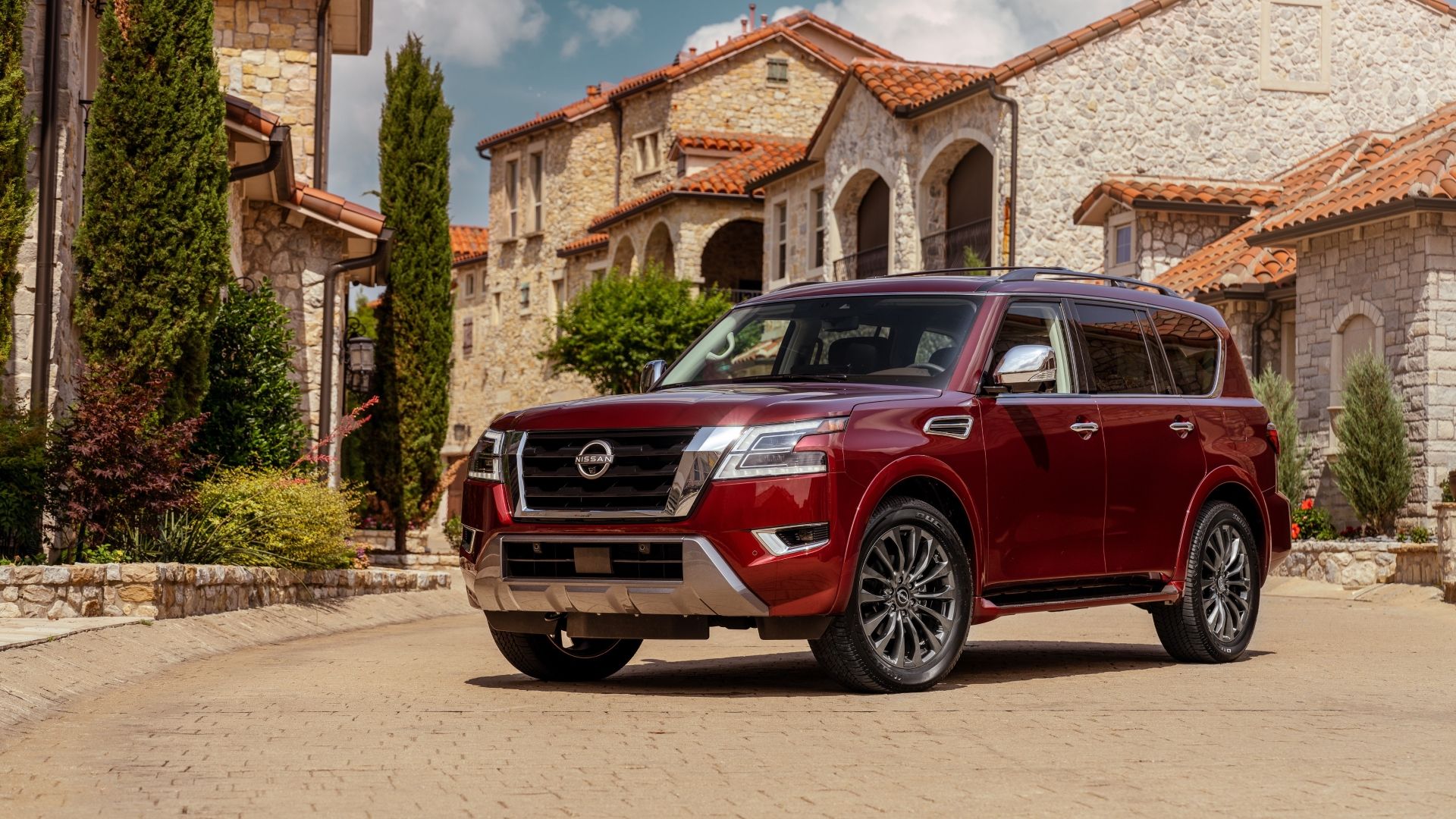
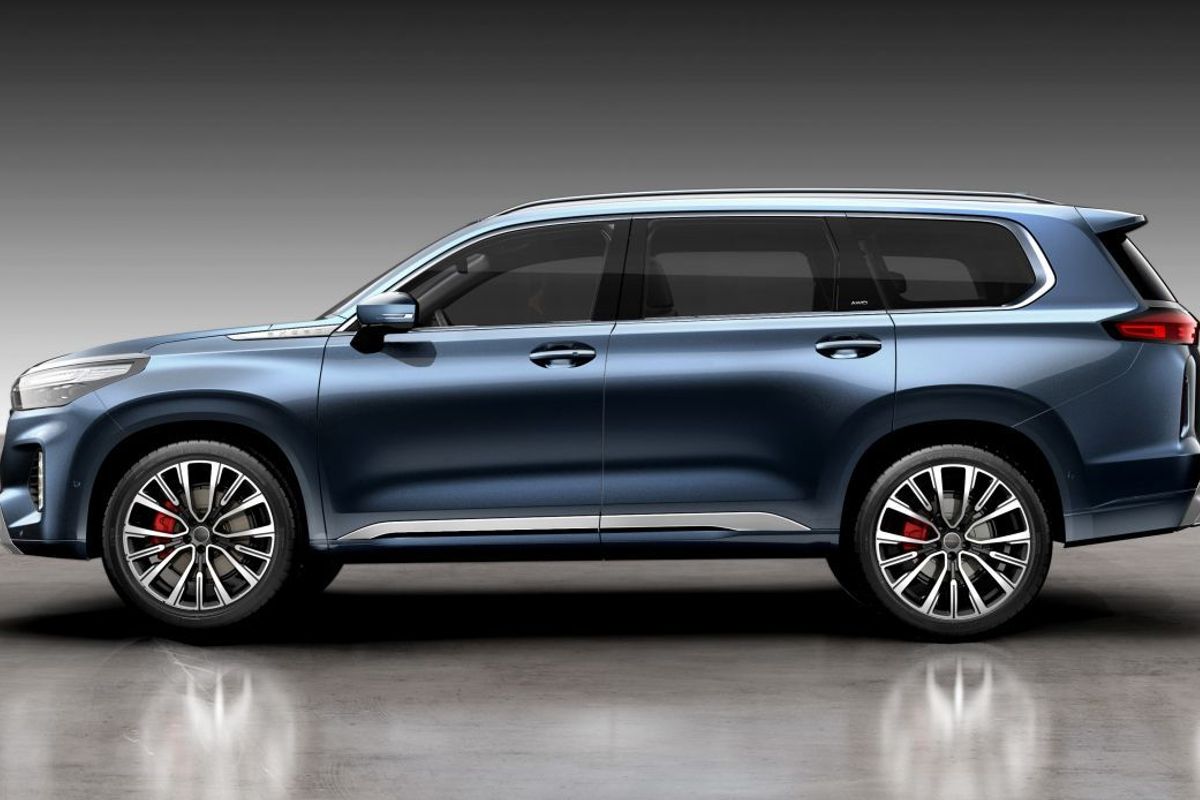
Selecting a 2024 full size SUV that seats seven passengers requires balancing physical dimensions, towing capacity, and interior utility. These vehicles represent the pinnacle of automotive engineering for large families, offering substantial cargo volume and robust performance, typically built on truck-based ladder-frame chassis designed to handle heavy loads and challenging driving conditions.
Defining the Full Size SUV Segment
When shopping for a vehicle in this category, it is essential to distinguish between a mid-size SUV with a third row and a true full size SUV. The 2024 full size segment is characterized by body-on-frame construction, which provides superior structural rigidity for towing and off-roading compared to the unibody architecture used in crossovers.
Most vehicles in this class offer a standard seven-seat configuration, typically featuring captain’s chairs in the second row. This layout significantly enhances interior accessibility and comfort for second-row passengers, while simultaneously simplifying ingress and egress for those seated in the third row. Understanding that these vehicles are large—often exceeding 200 inches in length—is the first prerequisite for any potential buyer, as parking and garage storage capacity become critical operational constraints.
Key Performance and Utility Specifications
The primary draw of a full size SUV is its versatility. Buyers typically prioritize engine output, fuel efficiency, and trailering capabilities. In the 2024 model year, manufacturers emphasized forced induction—turbocharging or supercharging—to maintain high torque outputs while attempting to optimize fuel economy across heavy platforms.
Towing Capacity and Engine Dynamics
For families planning to pull travel trailers or boats, the towing rating is the most critical metric. Full size SUVs generally utilize large-displacement V8 engines or high-output twin-turbo V6 powerplants.
- Torque vs. Horsepower: In towing applications, torque is the measurement that dictates the vehicle’s ability to pull mass from a standstill and maintain speed on inclines.
- Transmission Gearing: Most 2024 models utilize 10-speed automatic transmissions, which allow the engine to remain in its optimal power band during towing without excessive hunting for gears.
Interior Space and Cargo Configuration
Seating seven often implies a compromise in cargo space when all rows are occupied. However, full size SUVs offer the best balance in this regard. Buyers should examine the "cargo volume behind the third row." In shorter-wheelbase versions, this space may be limited to grocery bags or small suitcases, whereas extended-wheelbase versions (often designated by names like "MAX," "ESV," or "L") provide substantial deep-well storage behind the rearmost seats.
Comparative Analysis of Leading 2024 Models
The following table outlines key attributes of representative vehicles that were available in the 2024 model year. These figures represent the standard configurations designed for seven-passenger occupancy.
| Model | Drive Type | Standard Engine | Towing Capacity (Max) |
|---|---|---|---|
| Chevrolet Tahoe | RWD/4WD | 5.3L V8 | ~8,400 lbs |
| Ford Expedition | RWD/4WD | 3.5L Twin-Turbo V6 | ~9,300 lbs |
| Toyota Sequoia | RWD/4WD | 3.4L Twin-Turbo Hybrid | ~9,520 lbs |
| Cadillac Escalade | RWD/4WD | 6.2L V8 | ~8,200 lbs |
| Jeep Wagoneer | RWD/4WD | 3.0L Twin-Turbo I6 | ~10,000 lbs |
Note: Towing capacities depend heavily on tow packages, rear-axle ratios, and trim levels. Always verify the specific vehicle's door jamb sticker for precise Gross Vehicle Weight Rating (GVWR) and payload capacity.
Evaluating Daily Operational Requirements
Owning a full size SUV is an exercise in resource management. Unlike standard sedans or smaller crossovers, these vehicles require higher maintenance costs related to tires, braking components, and fuel consumption.
- Fuel Consumption: Because of their high curb weight—often exceeding 5,500 pounds—these vehicles typically fall into the lower tier of fuel economy. Prospective owners should anticipate frequent refueling during long-distance road trips.
- Parking and Maneuverability: Navigating tight urban environments or compact parking structures is a primary operational challenge. Many 2024 models include advanced 360-degree camera systems and front-facing parking sensors to assist with low-speed navigation; however, these are aids, not replacements for careful driving in confined spaces.
- Tire Maintenance: The high torque produced by these engines, combined with the vehicle weight, accelerates tire wear. Maintaining proper tire pressure is essential not only for fuel economy but for the safety of all seven passengers, especially during heavy-load highway driving.
Common Considerations for Buyers
When selecting a model, verify the accessibility of the third row. Some vehicles feature "power-folding" third-row seats, which are advantageous for families frequently switching between passenger capacity and cargo hauling. Others require manual folding, which can be physically demanding depending on the seat mechanism.
Furthermore, check the availability of climate controls for the rear passengers. In larger SUVs, the distance between the front HVAC unit and the third row is significant. Models with dedicated ceiling-mounted vents and independent rear climate control are far superior for ensuring cabin comfort in extreme weather conditions.
Frequently Asked Questions
Are captain's chairs better than a bench seat for the second row? Captain's chairs are generally preferred for seven-seat configurations because they create a center walkway, making it easier to reach the third row without moving the middle seats. They also provide better comfort for adults; however, a bench seat is superior if you occasionally need to seat eight people instead of seven.
How do 2024 full size SUVs handle in snow or rain? Because of their significant curb weight and wheelbase, these vehicles are generally stable in inclement weather. When equipped with four-wheel drive (4WD) or all-wheel drive (AWD), they provide excellent traction. However, their weight also means that braking distances in ice or snow are often longer than in lighter vehicles, necessitating cautious driving habits.
Is an extended-wheelbase version necessary? If you plan to use all three rows of seats simultaneously while transporting luggage, an extended-wheelbase version is highly recommended. Standard-wheelbase models often sacrifice most of their rear cargo floor space once the third row is upright, limiting their utility for multi-family road trips.
Do these vehicles require premium fuel? Many luxury-oriented models, such as the Cadillac Escalade, specify premium fuel to achieve their stated horsepower figures. While many can run on regular gasoline, it often results in a decrease in performance and fuel efficiency. Consult the owner’s manual for the specific engine’s requirements.
Are there hybrid options for full size SUVs? Yes, several 2024 models incorporate hybrid technology. For example, the Toyota Sequoia uses a twin-turbo hybrid powertrain exclusively. These systems often provide a significant boost in torque and improved low-end acceleration compared to traditional naturally aspirated V8 engines.
What is the "Gross Vehicle Weight Rating" (GVWR) and why does it matter? The GVWR is the maximum weight the vehicle is designed to carry, including the vehicle itself, passengers, and cargo. It is critical to stay within this limit to ensure that the suspension, braking system, and tires operate within safe parameters.
Final Recommendations for Success
Before finalizing a purchase, schedule a test drive specifically focused on the third row. Ensure that your intended passengers can reach the back comfortably and that there is sufficient legroom for the duration of your typical trips. Check the towing requirements of your equipment against the manufacturer’s documentation for the specific trim you are considering, as "maximum" towing ratings are often only achievable on base trims without heavy optional equipment. Finally, evaluate your available parking space; a vehicle that is too long for your garage can become a significant source of daily frustration. Always confirm the specific vehicle's window sticker or VIN-based specs to ensure the features you prioritize are present on that individual unit.