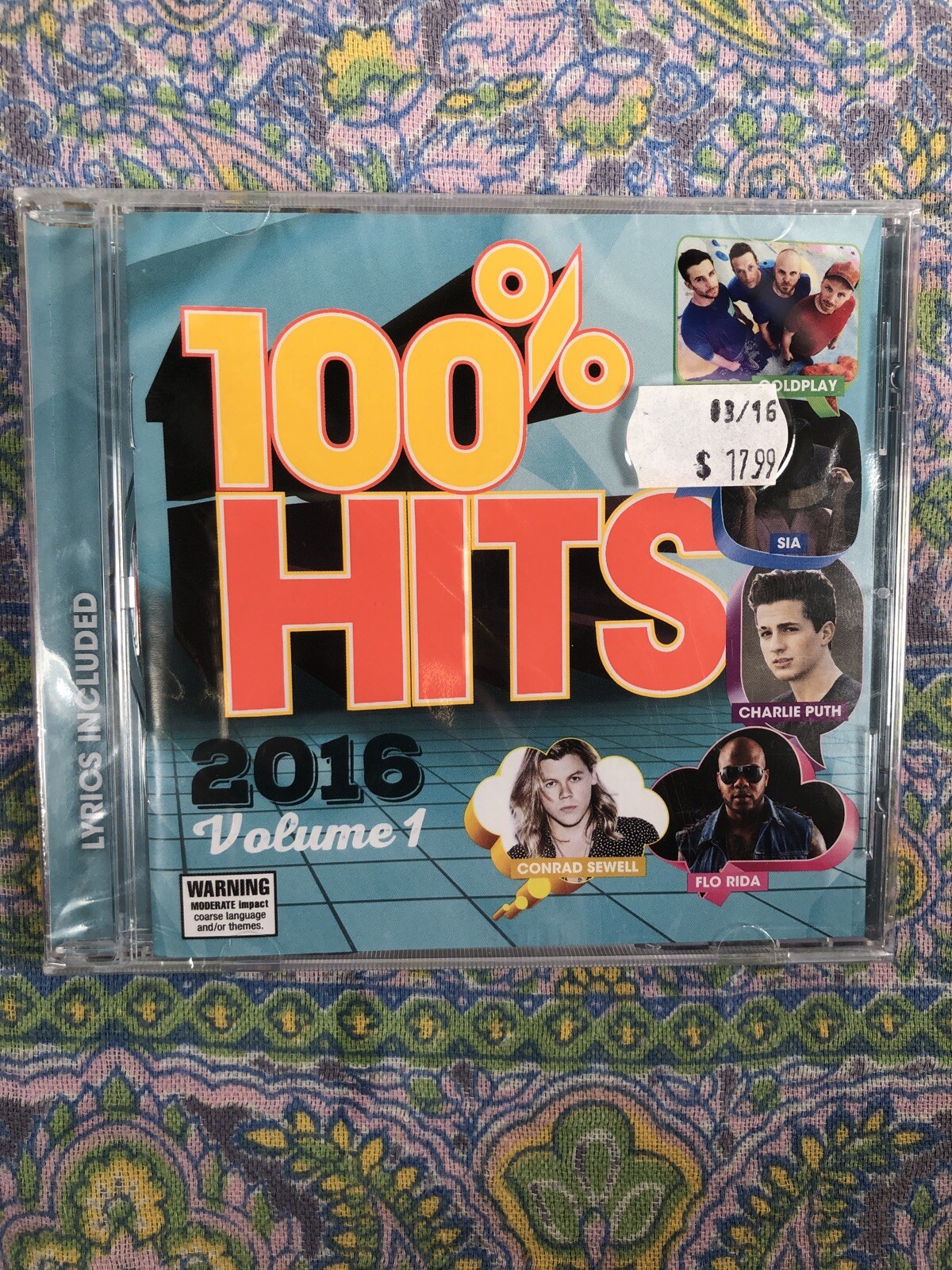
In 2016, radio hits were defined by a massive shift toward tropical house, dancehall-infused pop, and the unprecedented dominance of streaming-first artists. Key tracks like Justin Bieber’s "Love Yourself," Drake’s "One Dance," and The Chainsmokers’ "Closer" ruled the airwaves, representing a transition point where traditional FM radio began to align fully with digital consumption patterns.
The Sound of 2016: A Cultural and Technical Overview
As we look back from the perspective of 2026, the year 2016 stands out as a unique "golden era" for a specific kind of polished, electronic-leaning pop. It was the year that the "Millennial Whoop"—a melodic interval of a major third—seemed to permeate every chorus, and the year that genres previously relegated to the "world music" or "club" categories officially moved into the mainstream.
The 2016 radio landscape was not just about the melodies; it was about a fundamental change in how hits were manufactured and consumed. By this time, the Billboard Hot 100 had integrated streaming data into its rankings for several years, but 2016 was when streaming truly began to dictate which songs radio programmers would "add" to their rotations. If a song went viral on Spotify or early-stage social media platforms, it was almost guaranteed a spot on Top 40 radio within weeks.
The Rise of Tropical House and Minimalist Production
If there was one "texture" that defined 2016 radio hits, it was tropical house. Characterized by synthetic pan flutes, marimbas, and a relaxed, mid-tempo BPM (usually between 100 and 115 beats per minute), this sound was popularized by artists like Kygo and adopted by global superstars.
Justin Bieber’s Purpose album was the primary vehicle for this sound. Tracks like "What Do You Mean?" and "Sorry" utilized "vocal chops"—sampled voices sliced and pitched to sound like instruments—which became a staple of 2016 production. This minimalist approach allowed for cleaner radio transmissions and worked exceptionally well on smartphone speakers, which influenced how producers mixed their tracks.
The Dominance of Justin Bieber and the "Purpose" Era
Justin Bieber’s transformation in 2016 remains one of the most successful image rehabilitations in music history. After a series of personal controversies, his 2015 album Purpose yielded a string of hits that stayed in heavy radio rotation throughout 2016.
- "Love Yourself": Written by Ed Sheeran, this track was a departure from the high-energy dance tracks of the time. Its sparse arrangement—mostly a single guitar and a trumpet solo—made it a favorite for adult contemporary and pop radio alike. It eventually claimed the #1 spot on the Billboard Year-End Hot 100 for 2016.
- "Sorry": This song was a dancehall-pop powerhouse. Produced by Skrillex and BloodPop, it showcased the "vocal chop" technique mentioned earlier. Its infectious rhythm made it an anthem in gyms, clubs, and cars globally.
Bieber’s success in 2016 proved that the "teen idol" could transition into a mature pop star by aligning with cutting-edge electronic producers.
Drake and the Dancehall Influence
While Bieber was reclaiming his throne, Drake was solidifying his status as the most-streamed artist on the planet. His 2016 album, Views, spent 13 non-consecutive weeks at number one on the Billboard 200.
The Global Impact of "One Dance"
"One Dance," featuring Wizkid and Kyla, was arguably the defining song of the summer of 2016. It tapped into the UK Funky and Afrobeats movements, bringing those sounds to the American Heartland via FM radio. Technically, the song was a masterpiece of "looping" culture, using a sample of Kyla’s "Do You Mind" to create a hypnotic, repetitive groove that worked perfectly for the emerging "lean back" listening habits of streaming users.
Drake’s ability to blend hip-hop, R&B, and global pop allowed him to dominate multiple radio formats simultaneously. He wasn't just a "rap artist" anymore; he was a global pop entity.
The EDM-Pop Crossover: The Chainsmokers Phenomenon
No discussion of 2016 radio hits is complete without mentioning the meteoric rise of The Chainsmokers. The duo, consisting of Andrew Taggart and Alex Pall, successfully bridged the gap between the waning EDM (Electronic Dance Music) "big room" sound and radio-friendly indie-pop.
"Closer" and the Power of Relatability
"Closer," featuring Halsey, spent 12 weeks at number one. Its lyrics—referencing specific brands like Range Rover and cities like Boulder, Colorado—created a sense of "aspirational relatability" that resonated with the millennial demographic. Musically, it relied on a simple, four-chord progression and a catchy synthesizer hook that was easy to hum, making it a "sticky" radio hit.
The Chainsmokers also had success in 2016 with "Don't Let Me Down" featuring Daya, which won a Grammy for Best Dance Recording. This track utilized a heavier, trap-influenced drop, showing that radio audiences in 2016 were becoming more comfortable with aggressive electronic textures.
Twenty One Pilots and the Alt-Pop Breakthrough
2016 was also the year that "alternative" music made a massive comeback on Top 40 radio, albeit in a highly stylized form. The duo Twenty One Pilots (Tyler Joseph and Josh Dun) achieved rare "crossover" success with three major hits:
- "Stressed Out": A moody, nostalgic track about the transition to adulthood. Its reggae-inspired beat and rap-singing style appealed to a wide range of listeners.
- "Ride": A track that leaned heavily into rock and reggae, proving that radio listeners still had an appetite for live instrumentation, provided it was polished for the modern ear.
- "Heathens": Released as part of the Suicide Squad soundtrack, this track cemented the band's place as a staple of 2016 pop culture.
Twenty One Pilots represented a "genre-blind" approach to music that has since become the standard in 2026. They didn't fit into a single box, and neither did their radio audience.
Key 2016 Radio Hits: A Comparison of Performance
To understand the scale of these hits, we can look at their performance across charts and certifications. The following table highlights the most impactful radio hits of 2016.
| Song Title | Lead Artist | Genre | Billboard Peak | RIAA Certification (as of 2026) |
|---|---|---|---|---|
| Love Yourself | Justin Bieber | Pop / Acoustic | #1 | 9x Platinum |
| One Dance | Drake | Dancehall / Pop | #1 | Diamond (10x Platinum) |
| Closer | The Chainsmokers | EDM-Pop | #1 | Diamond (15x Platinum) |
| Cheap Thrills | Sia | Synth-Pop | #1 | 8x Platinum |
| 7 Years | Lukas Graham | Soul-Pop | #2 | 7x Platinum |
| Stressed Out | Twenty One Pilots | Alt-Hip Hop | #2 | Diamond |
| Work | Rihanna | Dancehall / R&B | #1 | 9x Platinum |
| Can't Stop the Feeling! | Justin Timberlake | Disco-Pop | #1 | 4x Platinum |
| Starboy | The Weeknd | R&B / Electropop | #1 | 11x Platinum |
| Panda | Desiigner | Hip Hop / Trap | #1 | 5x Platinum |
The Female Powerhouses: Rihanna, Sia, and Adele
While male artists dominated the top three spots of the year-end charts, female artists delivered some of the most culturally significant hits of 2016.
Rihanna and "Work"
Rihanna’s "Work," featuring Drake, was a cultural milestone. It spent nine weeks at number one and was praised for its authentic use of Jamaican Patois. The song's minimalist production (built around a "riddim") was polarizing at first but became a massive radio success because of its infectious, repetitive chorus.
Sia’s Dominance
Sia, the elusive songwriter-turned-superstar, hit number one with "Cheap Thrills." Originally written for Rihanna, the song’s tropical beat (a recurring theme of 2016) made it a staple of summer radio. Sia’s success was notable because she maintained a high level of airplay while remaining largely anonymous behind her signature wigs.
Adele’s "25" Holdover
Though "Hello" was released in late 2015, its impact was felt throughout the first half of 2016. Adele proved that powerful, traditional balladry still had a place on a radio dial increasingly crowded with synthesizers and drum machines. Her album 25 continued to move massive units well into the year.
Technical Requirements for a 2016 Radio Hit
In 2016, "making it" on the radio required more than just a good song. It required a multi-pronged strategy that accounted for the changing digital landscape.
- The "Spotify-to-Radio" Pipeline: Radio programmers in 2016 looked at Spotify’s "Viral 50" and "Global Top 50" charts to de-risk their playlists. If a song was already getting millions of streams, it was considered a "safe bet" for FM rotation.
- Loudness War Finality: By 2016, the "loudness war" (the trend of increasing audio levels in recording to make them stand out) had reached a plateau. Engineers focused on "perceived loudness" and side-chain compression—a technique where the bass/drums "duck" the other instruments—to make tracks pump through car speakers.
- Cross-Platform Viral Moments: Desiigner’s "Panda" is a prime example of a song that started as a digital phenomenon and was eventually picked up by Kanye West for his album The Life of Pablo. This association propelled the song to the top of the radio charts, despite its non-traditional structure.
Troubleshooting Common Misconceptions About 2016 Music
Many listeners look back and assume 2016 was "just another year" of pop music, but several misconceptions persist.
- "Pop was dying": Far from it. While rock and indie were struggling for airtime, "pop" was simply absorbing those genres. The 2016 sound was a hybrid of everything.
- "Radio was irrelevant": In 2016, radio still accounted for a huge percentage of music discovery for older millennials and Gen X. While Gen Z moved to streaming, radio remained the primary way "blockbuster" hits were solidified in the public consciousness.
- "It was all EDM": While EDM influenced the production, the songs themselves were very traditional in their songwriting. Many of the year's biggest hits, like "7 Years" or "Love Yourself," were essentially folk songs with modern dressing.
The Legacy of 2016 Radio Hits
From our vantage point in 2026, 2016 appears to be the last year of the "monoculture." This was the final era before algorithms became so personalized that everyone’s "radio" became different. In 2016, we were all still listening to the same ten songs on the way to work.
The year paved the way for the "genre-less" music of the 2020s. Without the success of Drake’s dancehall experiments or Twenty One Pilots' alt-pop, the landscape of music today would be far more siloed. 2016 taught the industry that the public was ready for global sounds and unconventional structures, as long as the hook was undeniable.
FAQ
What was the #1 song of 2016?
According to the Billboard Year-End Hot 100, "Love Yourself" by Justin Bieber was the number one song of 2016. It was followed closely by "Sorry" (also Bieber) and "One Dance" by Drake. While "Closer" by The Chainsmokers was massive, it peaked later in the year, affecting its total year-end ranking.
Why did so many 2016 songs sound like "Tropical House"?
Tropical house became a trend because it offered a "chill" alternative to the aggressive, high-energy EDM of the early 2010s. Its use of organic-sounding synths (marimbas, flutes) felt fresh and worked well for both daytime radio and evening parties. It was a "lifestyle" sound that fit the aesthetic of Instagram and early travel vlogging.
Did any rock bands have hits in 2016?
Traditional rock was largely absent from the top of the charts, but Twenty One Pilots and Panic! At The Disco had significant "alt-pop" success. Twenty One Pilots' "Stressed Out" and "Ride" were the closest the year came to traditional rock instrumentation reaching the top 5.
How did "One Dance" become so popular without a music video?
Drake’s "One Dance" is a rare example of a #1 hit that succeeded without a traditional music video during its peak. Its success was driven by its massive streaming numbers on Spotify and Apple Music, and its near-constant play on rhythmic and urban radio stations.
What is the "Millennial Whoop" found in 2016 hits?
The "Millennial Whoop" is a vocal pattern that alternates between the fifth and third notes of a major scale, usually with an "Oh-ah-oh-ah" sound. It was identified by musician Patrick Metzger in 2016 and can be heard in various hits from that era, including tracks by Katy Perry and The Lumineers, contributing to the "familiar" feeling of 2016 radio.
Recommended Next Actions
If you are looking to recreate the 2016 sound or build a definitive playlist, start by exploring the RIAA's Diamond-certified list for that era. For producers, studying the minimalist arrangements of "Love Yourself" or the vocal processing in "Sorry" will provide a masterclass in mid-2010s pop construction. Finally, to see how these songs have aged, check their current "All-Time" rankings on streaming platforms, as many 2016 hits remain in the top 100 most-played songs of all time as of 2026.