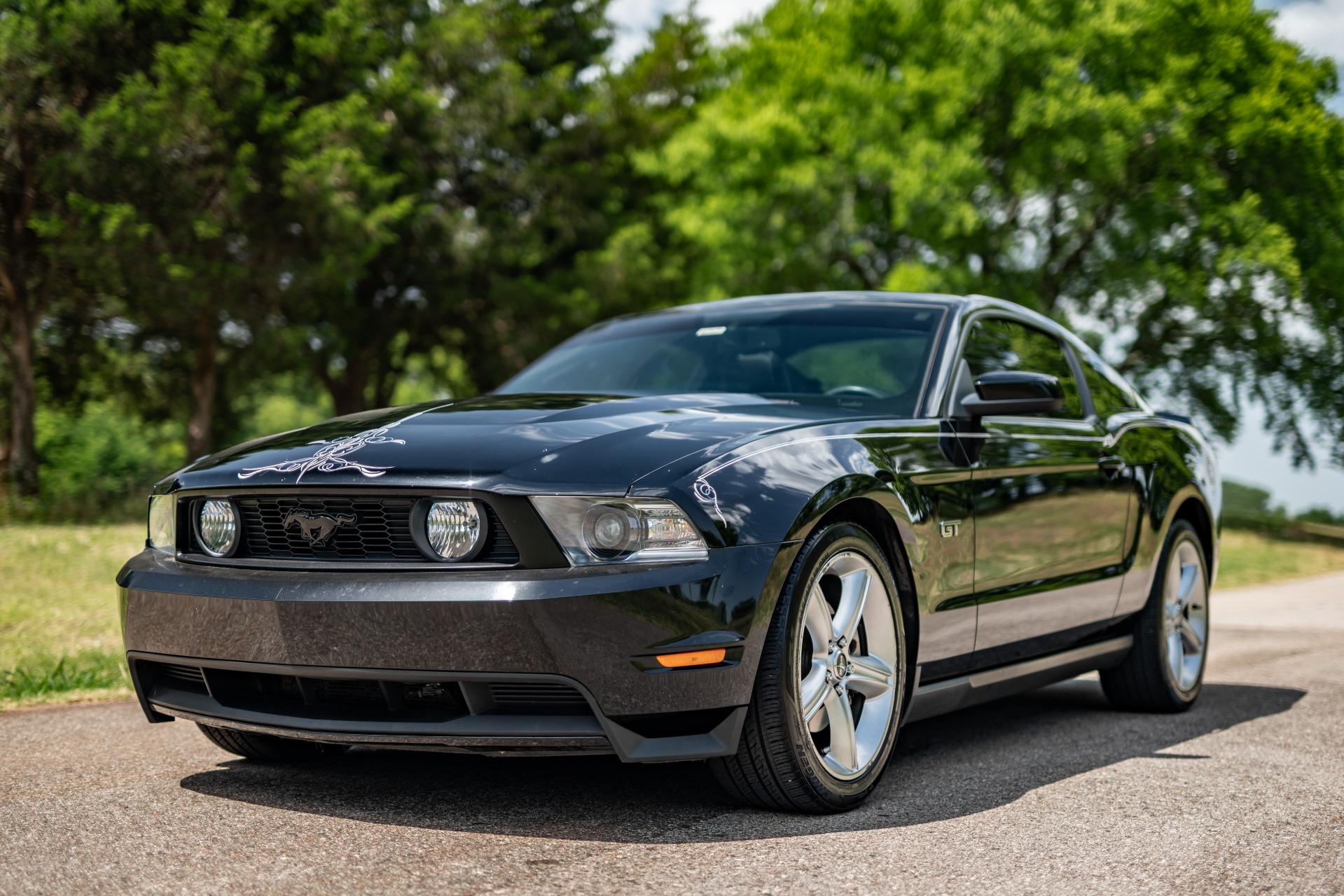
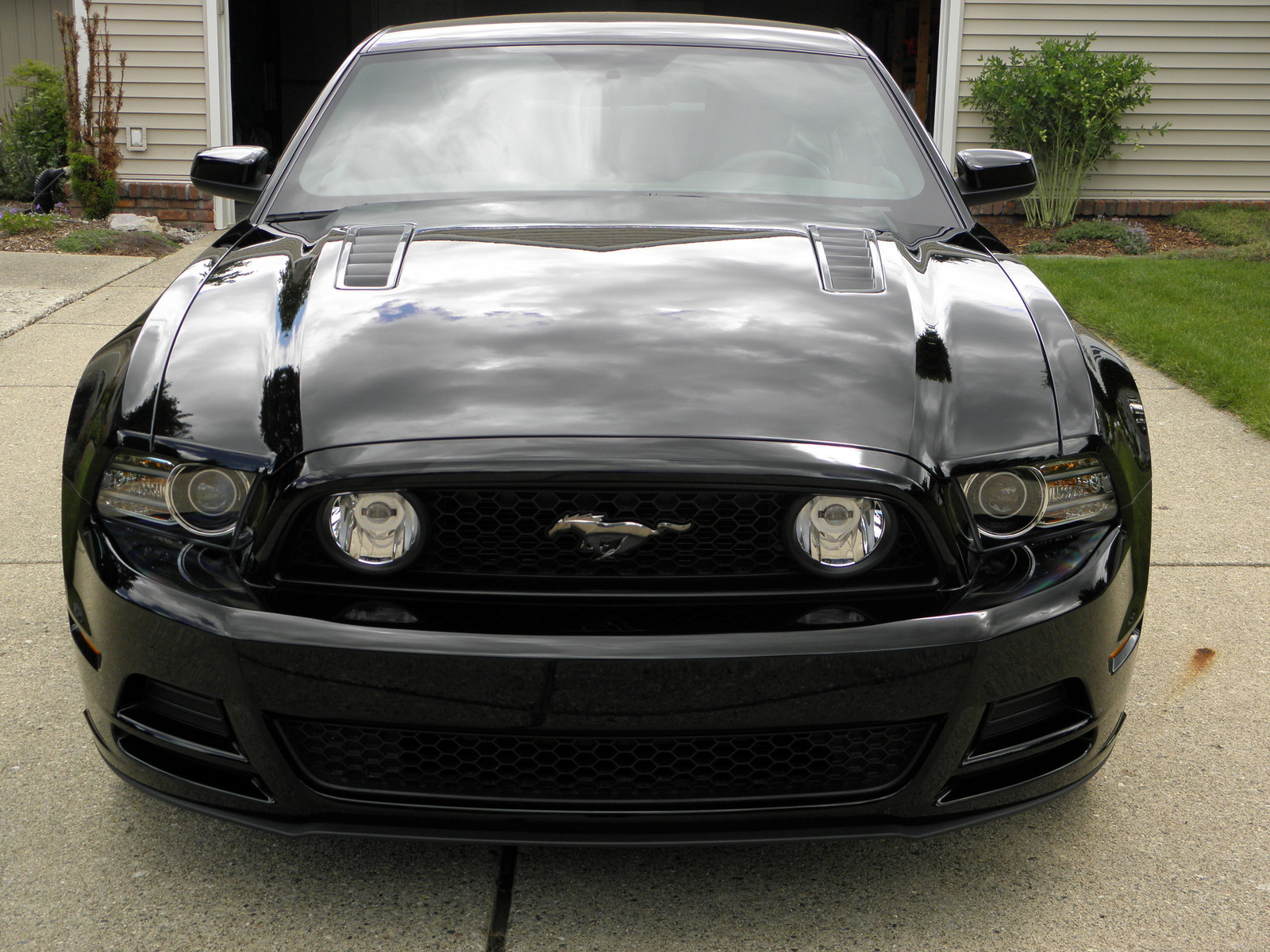
The 2010 Ford Mustang accelerates from 0 to 60 mph in approximately 5.2 seconds for the high-performance GT V8 model equipped with a manual transmission, while the base V6 model takes roughly 7.1 to 7.3 seconds. These sprint times established a competitive benchmark for American muscle cars during the transition into the modern automotive era.
Evaluating the performance capabilities of a vehicle requires looking past the window sticker and understanding the mechanical architecture, powertrain options, and environmental variables that influence straight-line acceleration. The 2010 model year marks a significant transitional milestone for Ford’s legendary pony car. While it retained the S197 platform architecture of its predecessors, it introduced a heavily refreshed exterior design, an overhauled interior, and distinct mechanical refinements. For automotive enthusiasts, drag racers, and prospective buyers, understanding how this machine performs in a 0 to 60 mph sprint requires a detailed breakdown of its engine variants, transmission choices, axle ratios, and real-world driving conditions.
Evolution of the S197 Platform and the 2010 Model Year Context
The 2010 Ford Mustang occupies a fascinating space in automotive history. Released in the spring of 2009 for the 2010 model year, it arrived just one year before Ford executed a radical powertrain revolution for the 2011 models, which brought the legendary 5.0L Coyote V8 and the durable 3.7L Duratec V6. Consequently, the 2010 model is often viewed as a bridge between the outgoing retro-styled aesthetic of the mid-2000s and the high-output mechanical renaissance that followed shortly after.
Despite carrying over the 4.0L V6 and the 4.6L 3-valve V8 from the 2005–2009 generation, Ford engineers implemented several critical updates to the 2010 iteration. The body was subjected to extensive wind-tunnel testing, resulting in a sleeker profile that reduced aerodynamic drag by roughly 4 percent on base models and 7 percent on GT variants. Furthermore, suspension tuning was revised across the board. Spring rates, damper valving, and stabilizer bar diameters were adjusted to improve body control without sacrificing ride quality, laying a more stable foundation for launches from a dead stop.
Base Model Performance: The 4.0-Liter V6 Engine
For buyers prioritizing fuel economy, insurance savings, or daily commuting practicality over raw straight-line speed, the base 2010 Ford Mustang V6 served as the entry point into pony car ownership.
Engine Specifications and Output
Under the hood of the V6 model sits a 4.0-liter Cologne V6 engine. This powerplant utilizes a cast-iron block and aluminum heads, pushing out 210 horsepower at 5,250 rpm and 240 lb-ft of torque at 3,500 rpm. While these figures appear modest by modern standards, they were adequate for a vehicle weighing approximately 3,450 pounds in standard configuration.
0 to 60 MPH Times and Quarter-Mile Metrics
When paired with the standard 5-speed manual transmission (Tremec T-5) or the optional 5-speed automatic (5R55S), the V6 Mustang achieves a 0 to 60 mph time ranging from 7.1 to 7.3 seconds. Completing the quarter-mile drag strip run typically requires roughly 15.4 to 15.6 seconds, with trap speeds crossing the finish line at around 89 to 91 mph.
Real-World Acceleration Factors
Achieving optimal acceleration in the V6 variant requires careful management of the clutch and throttle, particularly because the engine's power band peaks relatively low in the rev range. Drivers launching the manual version must slip the clutch gently to prevent bogging down the engine, as the low-end torque is sufficient to break traction on cold or slick pavement, yet insufficient to maintain wheelspin through a clean power band without losing momentum.
Performance Flagship: The 4.6-Liter GT V8 Engine
Drivers seeking authentic muscle car acceleration gravitated directly toward the 2010 Ford Mustang GT, which housed the proven 4.6-liter modular V8 engine.
Engine Specifications and Output
The 4.6-liter 3-valve per cylinder SOHC V8 engine received a minor bump in output for the 2010 model year, largely thanks to a cold-air induction system borrowed from the limited-edition 2008 Mustang Bullitt. This brought output to 315 horsepower at 6,000 rpm and 325 lb-ft of torque at 4,250 rpm. The redline was also extended slightly to 6,250 rpm, allowing drivers to hold gears longer through sweeping corners and drag strips.
0 to 60 MPH Times and Quarter-Mile Metrics
Independent track testing conducted by automotive publications upon the car's release consistently yielded 0 to 60 mph times of 5.2 to 5.3 seconds for GT models equipped with the 5-speed manual transmission (TR-3650). Models equipped with the 5-speed automatic transmission generally posted times between 5.5 and 5.7 seconds due to wider gear ratios and torque converter slippage. The quarter-mile sprint for a manual GT typically concludes in 13.8 to 14.0 seconds at a trap speed of approximately 101 to 103 mph.
Track Pack and Axle Ratio Impact
Ford offered an optional "GT Track Pack" for the 2010 model year, which fundamentally altered the car's acceleration dynamics. This package substituted the standard 3.31:1 rear axle ratio with a much shorter 3.55:1 limited-slip differential (or an aggressive 3.73:1 ratio available via Ford Racing).
- Shorter Gears: By multiplying engine torque more effectively at the rear wheels, vehicles equipped with the optional axle ratios typically shaved 0.1 to 0.2 seconds off their 0 to 60 mph times.
- Traction Challenges: The trade-off for this instantaneous low-end punch was an increased tendency for the rear tires to break loose upon launch, requiring skilled throttle modulation to prevent wheel hop and excessive spin.
2010 Ford Mustang Performance Comparison Table
| Model Variant | Engine Type | Horsepower | Torque (lb-ft) | Transmission Options | 0–60 MPH Time (Manual) | 1/4 Mile Time (Manual) |
|---|---|---|---|---|---|---|
| V6 Base | 4.0L SOHC V6 | 210 @ 5,250 rpm | 240 @ 3,500 rpm | 5-speed manual / 5-speed auto | 7.1 – 7.3 sec | 15.4 – 15.6 sec |
| GT V8 | 4.6L 3V SOHC V8 | 315 @ 6,000 rpm | 325 @ 4,250 rpm | 5-speed manual / 5-speed auto | 5.2 – 5.3 sec | 13.8 – 14.0 sec |
| GT with Track Pack | 4.6L 3V SOHC V8 | 315 @ 6,000 rpm | 325 @ 4,250 rpm | 5-speed manual | 5.0 – 5.1 sec | 13.6 – 13.8 sec |
Environmental and Mechanical Variables Impacting Acceleration
Factory specifications are recorded under controlled laboratory and test-track conditions. In everyday driving, several physical and mechanical variables influence whether a 2010 Mustang achieves its optimal 0 to 60 mph benchmark.
Tire Compound and Condition
Power is transmitted to the pavement exclusively through the contact patch of the rear tires. Stock 2010 GT models typically rolled off the assembly line with all-season or performance tires measuring 235/50R18 or 245/45R19 depending on wheel options. Over time, rubber hardens, and tread depth diminishes. A Mustang GT riding on bald or economy-grade touring tires will suffer severe wheelspin off the line, often increasing 0 to 60 mph times by half a second or more. Upgrading to modern high-performance summer compounds or dedicated drag radials is essential for replicating factory test numbers.
Ambient Temperature and Density Altitude
Internal combustion engines rely on atmospheric oxygen to generate power. High ambient temperatures, high humidity, and elevated altitudes decrease air density, reducing volumetric efficiency. A 2010 Mustang GT tested at sea level on a crisp 55-degree autumn morning will produce noticeably more punch than the exact same vehicle tested on a 95-degree summer afternoon in a high-elevation desert city.
Vehicle Weight and Modifications
Curb weight plays a definitive role in acceleration physics. The base V6 coupe tips the scales at roughly 3,450 lbs, while the GT Coupe weighs around 3,550 to 3,600 lbs. Convertibles add approximately 150 to 200 lbs of structural reinforcement and top mechanisms, adding dead weight that slows straight-line acceleration. Conversely, popular modifications—such as cold air intakes, custom engine tunes, aftermarket exhaust systems, and lower differential gears—frequently alter these performance metrics.
Common Mistakes When Testing 0 to 60 Times
Drivers attempting to measure or experience maximum acceleration in a 2010 Ford Mustang often encounter common pitfalls that skew results and strain mechanical components.
- Dumping the Clutch: Dropping the clutch at high RPMs on the stock live-axle rear suspension frequently induces violent "wheel hop," where the rear axle bounces uncontrollably. This not only destroys momentum and ruins the 0 to 60 run, but it also stresses universal joints and axle shafts.
- Ignoring Tire Pressure: Running excessive tire pressure reduces the contact patch, while running pressure that is too low creates excessive sidewall flex. Maintaining proper performance tire pressures is vital for maximum grip.
- Shifting Too Late or Too Early: The 4.6L 3-valve V8 makes peak horsepower at 6,000 rpm. Revving past 6,250 rpm yields diminishing returns because power drops off sharply before the electronic fuel cutoff engages.
Frequently Asked Questions
What is the stock 0 to 60 time for a 2010 Ford Mustang GT?
A stock 2010 Ford Mustang GT equipped with a 5-speed manual transmission achieves 0 to 60 mph in approximately 5.2 to 5.3 seconds under ideal testing conditions. Automatic transmission models are slightly slower, averaging 5.5 to 5.7 seconds.
Is the 2010 Mustang GT faster than the 2009 model?
Yes, marginally. While both use the same 4.6-liter 3-valve V8 engine architecture, the 2010 model received a factory cold-air induction upgrade that increased output from 300 horsepower (2009) to 315 horsepower (2010), resulting in a slight improvement in acceleration metrics.
How does the V6 Mustang performance compare to the GT?
The base 4.0L V6 produces 210 horsepower and records a 0 to 60 mph time of roughly 7.1 to 7.3 seconds. The GT V8 produces 315 horsepower and cuts that time down to roughly 5.2 seconds, making the V8 substantially quicker across the drag strip.
What modifications help a 2010 Mustang accelerate faster?
Common performance modifications for the 2010 model include installing aftermarket rear axle gear ratios (such as 3.73 or 4.10 gears), adding a performance engine calibration tune, running sticky summer tires or drag radials, and installing lighter aluminum driveshafts to reduce rotational mass.
Does the 2010 Mustang have independent rear suspension?
No. The 2010 Ford Mustang utilizes a traditional solid-axle (live-axle) rear suspension setup. While traditional live axles are robust and favored for drag racing, they can struggle with traction over bumpy mid-corner surfaces compared to independent rear suspension systems introduced in later generations.
Final Recommendation for Enthusiasts
Evaluating a 2010 Ford Mustang requires recognizing its specific position in automotive history. For buyers seeking a daily driver with classic muscle car styling and respectable highway power, the V6 model offers simplicity and manageable fuel costs. However, for those searching for genuine thrills, the 4.6L V8 GT delivers the signature exhaust note and a 5.2-second 0 to 60 mph punch that defines traditional American performance. Prioritize models with documented maintenance histories, inspect the condition of the rear differential and clutch, and invest in high-quality performance tires to ensure the vehicle operates safely at its maximum potential.