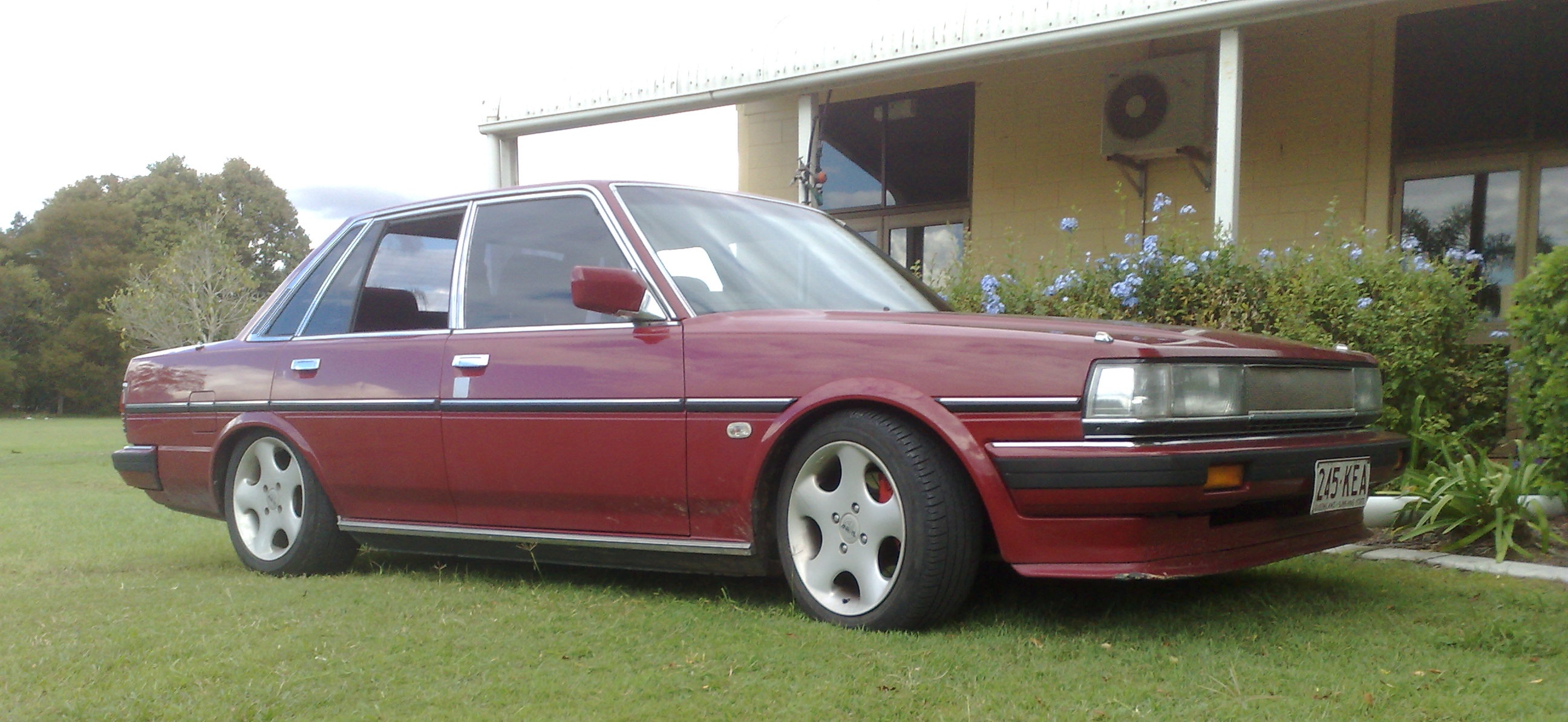
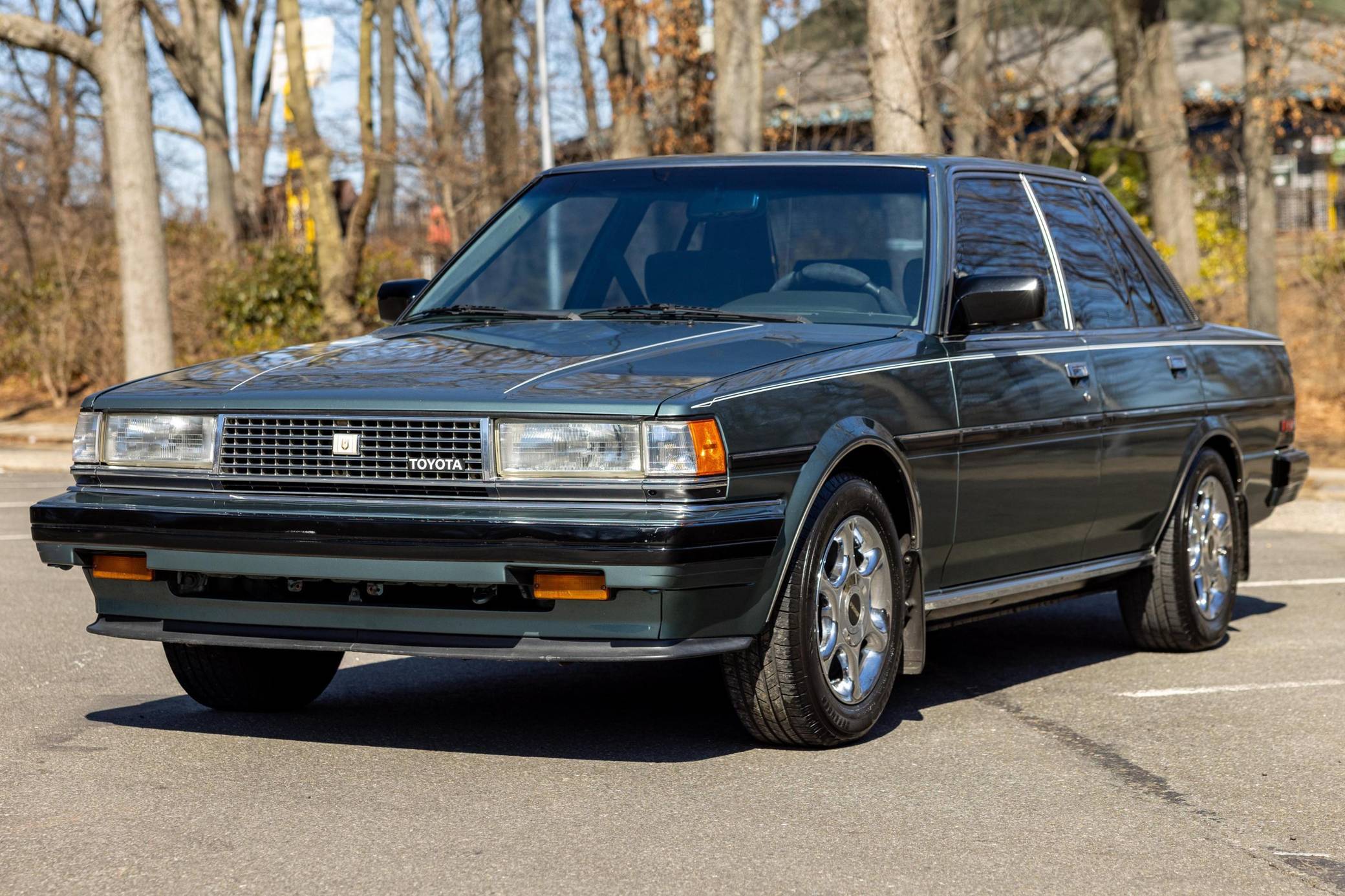
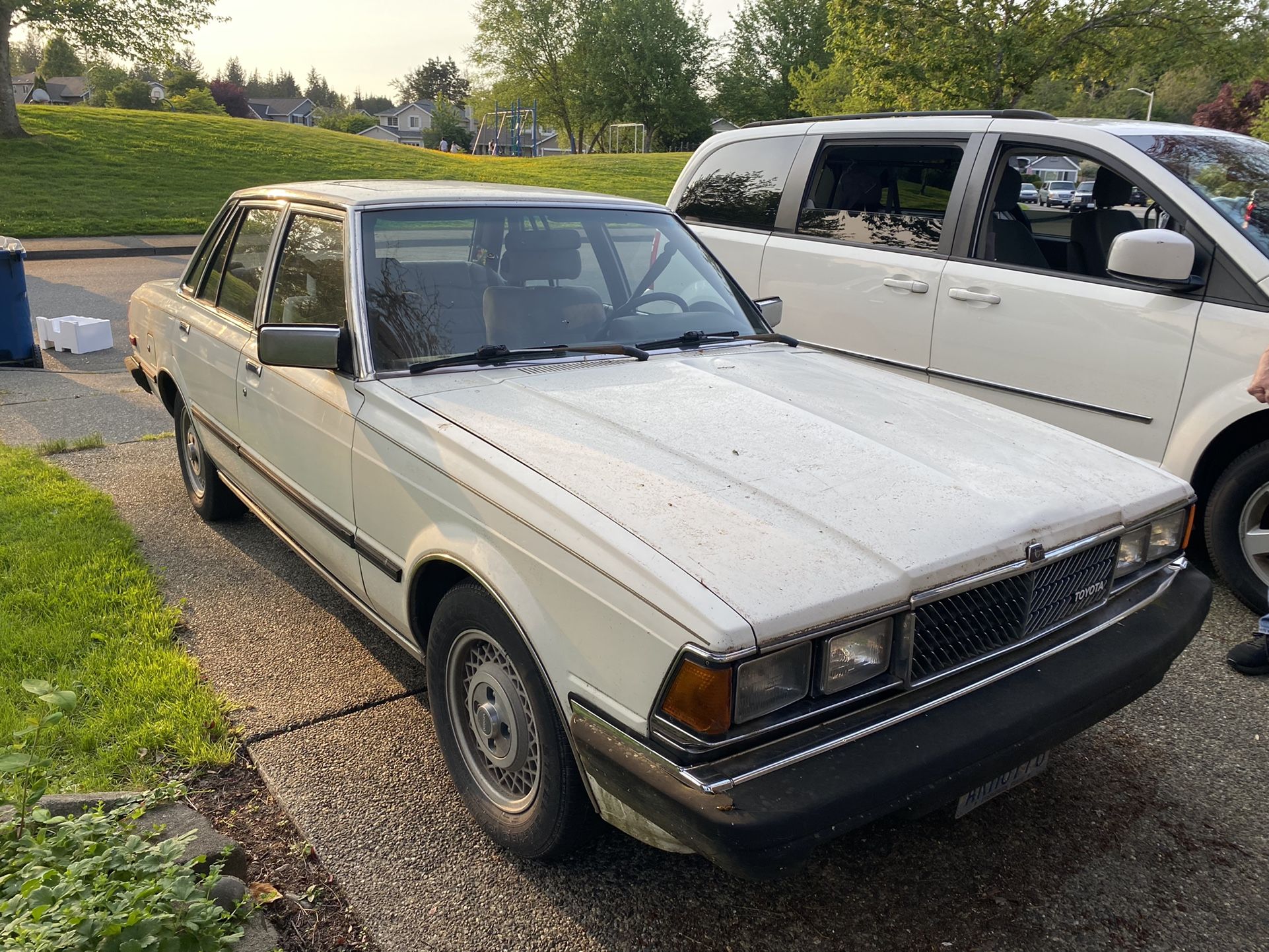
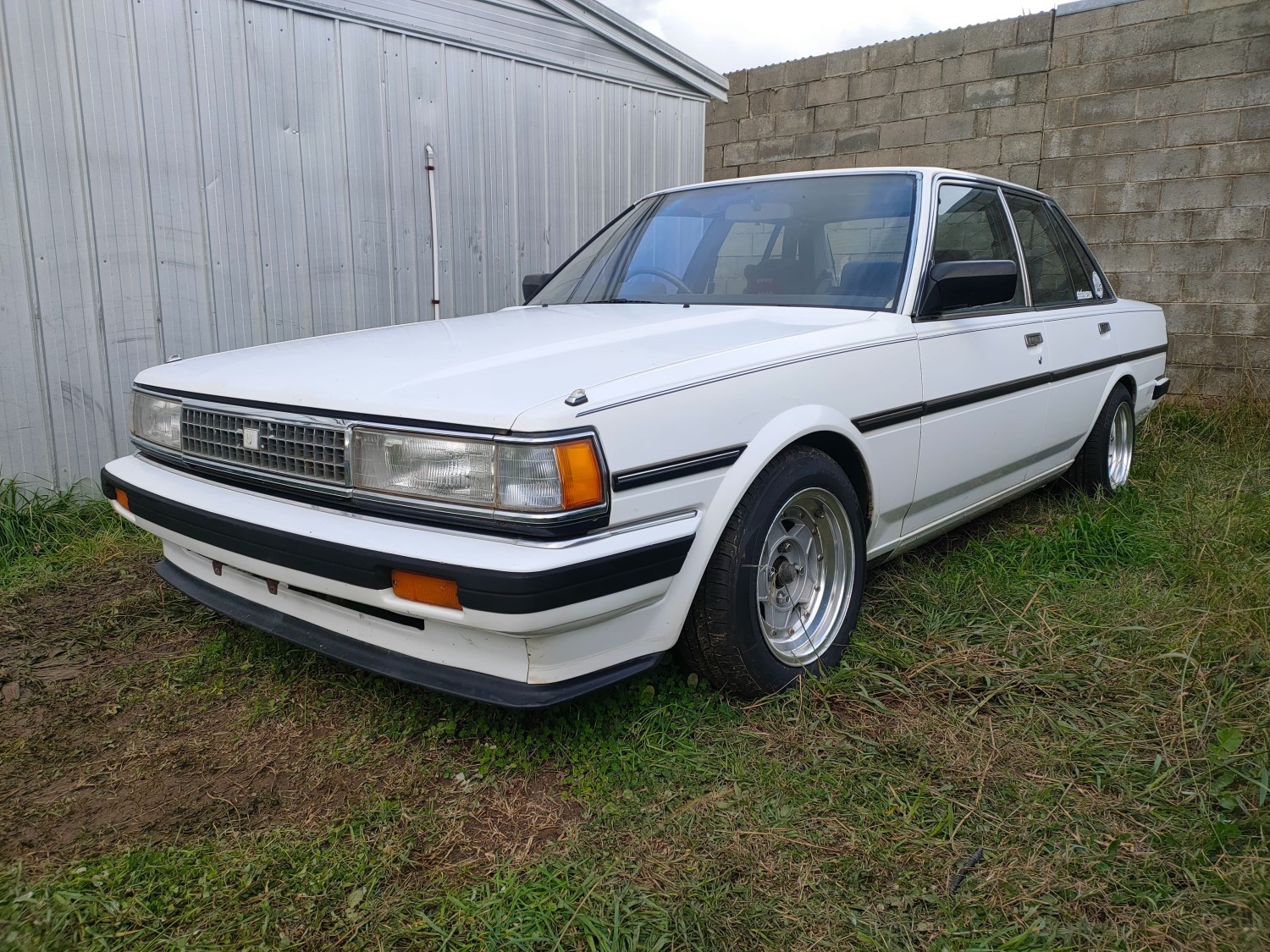
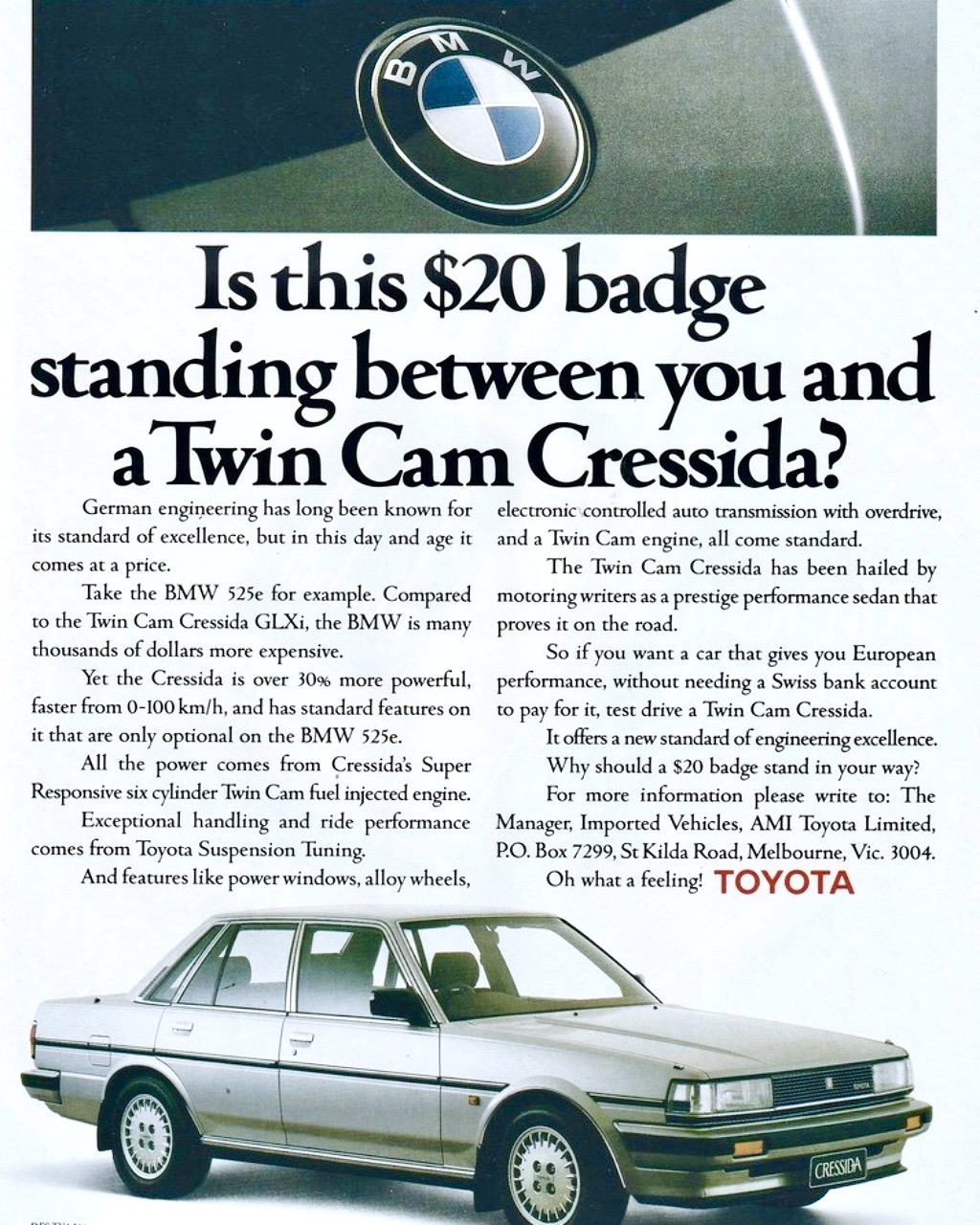
The 1985 Toyota Cressida (MX73) represents a high-water mark for Japanese luxury, blending the robust performance of the Supra's 5M-GE inline-six engine with a sophisticated, rear-wheel-drive sedan chassis. In 2026, it remains a highly sought-after classic due to its legendary reliability, tuning potential, and refined 1980s aesthetic.
The Engineering Heart: 5M-GE Performance Dynamics
The cornerstone of the 1985 Toyota Cressida’s performance is the 2.8-liter 5M-GE engine. This dual-overhead-cam (DOHC), 12-valve inline-six was shared with the Celica Supra of the same era, marking a significant departure from the more utilitarian powerplants found in contemporary family sedans. By 1985, Toyota had refined the fuel injection system and internal components to produce approximately 156 horsepower and 165 lb-ft of torque.
While these figures might seem modest by 2026 standards, the delivery of that power is what defined the Cressida experience. The inline-six configuration is inherently balanced, providing a turbine-like smoothness that rivaled European luxury marques such as BMW and Mercedes-Benz. The torque curve was broad, allowing for effortless cruising and respectable highway merging capabilities.
Transmission and Drivetrain Configuration
Most 1985 Cressidas were equipped with the A43DE four-speed automatic transmission. This unit featured an electronically controlled overdrive and a "Power/Economy" mode switch, allowing drivers to sharpen shift points for more spirited driving. For the purist, a limited number of models featured the W58 five-speed manual transmission, though these are exceptionally rare in the current 2026 survivor market.
The power is sent exclusively to the rear wheels, providing a balanced weight distribution that favors handling and steering feel. This rear-wheel-drive (RWD) layout is a primary reason why the MX73 chassis remains a favorite for enthusiasts who appreciate traditional driving dynamics or those looking to perform engine swaps with more modern JZ-series powerplants.
Suspension and Braking Systems
The 1985 model year introduced the fourth-generation (MX73) body style, which brought significant improvements to the suspension geometry. It utilized a MacPherson strut arrangement in the front and a sophisticated semi-trailing arm independent rear suspension. This setup was designed to prioritize ride comfort without sacrificing high-speed stability.
Stopping power was equally advanced for the time, featuring four-wheel power-assisted disc brakes. The inclusion of ventilated front rotors helped dissipate heat during heavy braking, a feature often reserved for performance cars in the mid-80s. In 2026, many owners upgrade these components with modern pads and rotors to bring the stopping distances closer to modern safety standards.
Interior Sophistication and 1980s Luxury
Stepping inside a 1985 Toyota Cressida reveals why it was often marketed as the "flagship" of the Toyota lineup before the Lexus brand was established. The cabin was a showcase of Japanese electronic prowess and ergonomic design.
Technological Innovations
For 1985, the Cressida offered features that were revolutionary. High-trim models often featured a digital instrument cluster, which replaced traditional needles with glowing vacuum fluorescent displays (VFD) for speed, RPM, and fuel levels. While some 2026 collectors prefer the classic look of analog gauges, the digital dash remains a hallmark of the "techno-luxury" era.
Other notable features included:
- Automatic Climate Control: A sophisticated system that maintained a set temperature, a rarity in 1985.
- Technics Audio Systems: High-fidelity cassette decks with multi-band equalizers.
- Power Everything: Windows, locks, mirrors, and even an optional power sunroof were standard or widely available.
Material Quality and Comfort
The seats in the 1985 Cressida were often upholstered in high-quality velour or optional leather. Toyota's "Luxury Cloth" was particularly durable, and many well-maintained examples in 2026 still retain their original interior integrity. The sound insulation was also top-tier for its class, utilizing extensive dampening materials to isolate the cabin from road and engine noise, further emphasizing its role as a "baby Supra" in a tuxedo.
1985 Toyota Cressida Pricing: Historical vs. 2026 Market Value
Understanding the pricing of the 1985 Toyota Cressida requires looking at its original market position and its current status as a "Radwood-era" classic. When it was new, the Cressida was positioned against the BMW 3-Series and the Nissan Maxima, offering more features for a slightly lower price point.
Original 1985 Pricing
In 1985, the base MSRP for a Toyota Cressida sedan was approximately $15,690 to $16,500, depending on the region and dealer markups. When adjusted for inflation to 2026 dollars, this original price represents a luxury investment of nearly $45,000 to $50,000. It was a vehicle for the successful professional who valued Japanese engineering over European prestige.
Current 2026 Market Valuation
The market for the MX73 Cressida has seen a significant upswing over the last decade. As younger collectors enter the market, the demand for clean, unmolested 80s Japanese sedans has outpaced supply.
| Condition Category | Estimated 2026 Price Range | Description |
|---|---|---|
| Concours / Survivor | $18,000 – $28,000 | Low mileage (<50k miles), original paint, pristine interior, full service history. |
| Excellent / Daily Driver | $10,000 – $17,000 | Well-maintained, 100k-150k miles, minor cosmetic wear, mechanically sound. |
| Project / High Mileage | $4,000 – $8,500 | Running condition but needs paint or interior work. High mileage (>200k). |
| Modified / Drift Build | $12,000 – $22,000 | Often features 1JZ/2JZ engine swaps, coilovers, and upgraded drivetrain. |
Note: Prices vary significantly based on the presence of the rare 5-speed manual transmission or the digital dashboard option.
Reliability and Common Maintenance Concerns
The 1985 Cressida is famous for its longevity, with many examples reaching 300,000 miles on the original engine. However, as these vehicles surpass the 40-year mark in 2026, specific age-related maintenance becomes critical for preserving performance.
The 5M-GE Head Gasket Issue
The most documented technical flaw of the M-series engines is the tendency for head gasket failure. This was often caused by the factory torque specifications for the head bolts being slightly too low. Most survivors in 2026 have already had this addressed with updated gaskets and higher torque settings (often 55-60 ft-lbs), but it remains a primary inspection point for buyers.
Electrical and Vacuum Systems
While the electronics are surprisingly robust, the vacuum-actuated systems (such as cruise control and some climate control vents) can become brittle. Additionally, the digital dash power supply capacitors may leak over time, requiring specialized electronic repair to prevent the display from flickering or failing entirely.
Rust and Body Integrity
Like many 1980s vehicles, the MX73 is susceptible to corrosion in specific areas. Buyers should inspect:
- Wheel Arches: Moisture traps behind the chrome trim.
- Sunroof Drains: If clogged, water can settle in the rocker panels.
- Spare Tire Well: A common spot for trunk seal leaks to manifest as rust.
Tuning Potential: The "Sleeper" Legacy
A significant portion of the 1985 Cressida's value in 2026 stems from its interchangeability with other Toyota performance parts. Because the chassis shares DNA with the MKII Supra, many suspension components are bolt-on affairs.
Enthusiasts often perform "JZ" swaps, replacing the aging 5M-GE with a 1JZ-GTE or 2JZ-GTE turbocharged engine from the later Chaser or Supra models. The MX73's large engine bay makes this one of the more straightforward engine swaps in the vintage Japanese car world. When paired with modern coilovers and a limited-slip differential (LSD), the 1985 Cressida transforms from a quiet luxury cruiser into a formidable performance sedan that can compete with modern sports cars.
Comparing the 1985 Cressida to its Rivals
To fully appreciate the 1985 Cressida's performance and pricing, one must look at what else was available on the showroom floor in 1985.
- BMW 528e: While the BMW offered more brand prestige and slightly sharper handling, the Cressida’s 5M-GE was significantly more powerful and smoother than the "eta" efficiency-focused engine in the BMW. The Toyota also featured far more standard electronic equipment.
- Nissan Maxima (PU11): This was the Cressida’s closest rival. The Maxima had moved to a front-wheel-drive platform in 1985. While the Maxima was technologically advanced (including a "talking" warning system), driving enthusiasts generally preferred the Cressida’s rear-wheel-drive dynamics and inline-six engine over Nissan's V6.
- Mercedes-Benz 190E: The "Baby Benz" offered superior build quality and safety, but at a significantly higher price point. To get performance comparable to the Cressida, one had to step up to the much more expensive 2.3-16 valve variant.
Frequently Asked Questions
Is the 1985 Toyota Cressida a good daily driver in 2026?
While the Cressida is remarkably reliable, using one as a primary daily driver in 2026 requires a commitment to proactive maintenance. Parts like alternators, starters, and belts are still accessible, but specific trim pieces and body panels are becoming difficult to source. It is best suited as a high-frequency weekend car or a "rolling project" for an enthusiast.
What is the fuel economy of the 1985 Cressida?
Expect approximately 18–22 MPG in combined driving. The 5M-GE is not an economy engine by modern standards, and the four-speed automatic lacks the efficiency of contemporary multi-speed transmissions. However, for a luxury sedan of its era, these figures were competitive.
Are parts still available for the MX73 chassis?
Mechanical parts are relatively easy to find because the engine and drivetrain were shared across several high-volume Toyota models. However, "soft" parts—such as dashboard pads, interior upholstery, and weatherstripping—are largely discontinued. The 2026 market relies heavily on 3D-printed replacements and enthusiast forums for these items.
Does the 1985 Cressida have any safety features?
By 1985 standards, it was well-equipped, featuring power steering, power brakes, and three-point seatbelts. However, it lacks modern essentials like airbags, Anti-lock Braking Systems (ABS was not standard on the '85 US model), and crumple zone technology found in 21st-century vehicles.
Final Recommendations for Buyers and Owners
The 1985 Toyota Cressida is a unique bridge between the analog 1970s and the high-tech 1990s. For those seeking a classic Japanese performance sedan, the MX73 offers a blend of Supra-derived power and executive comfort that is hard to match.
If you are looking to purchase one in 2026, prioritize vehicles with a documented head gasket replacement and minimal rust. While the digital dash and leather interior are desirable, the mechanical health of the 5M-GE and the A43DE transmission should be your primary concern. For current owners, preserving the exterior trim and interior electronics is the best way to ensure the vehicle's value continues to appreciate in the burgeoning vintage Japanese car market.