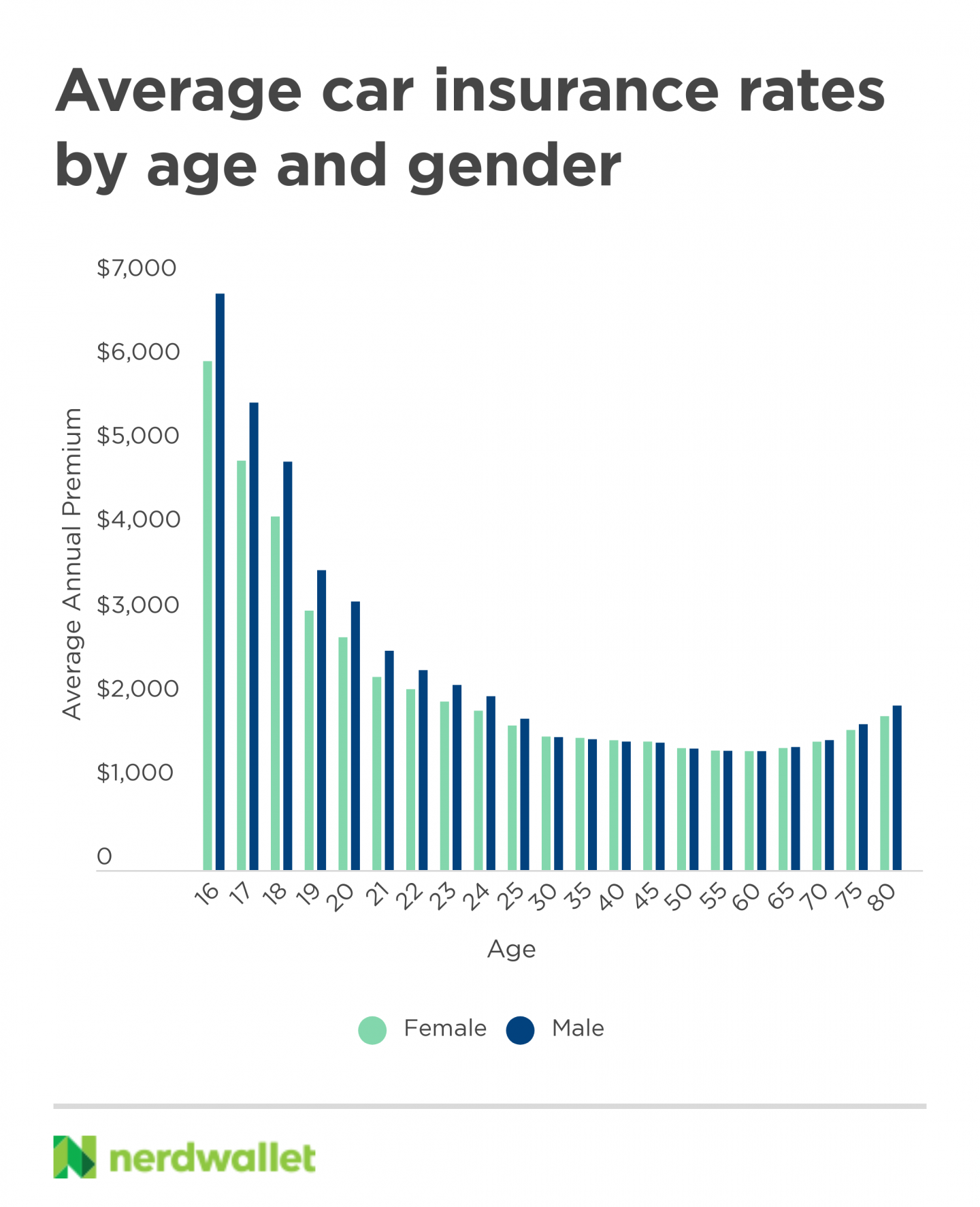
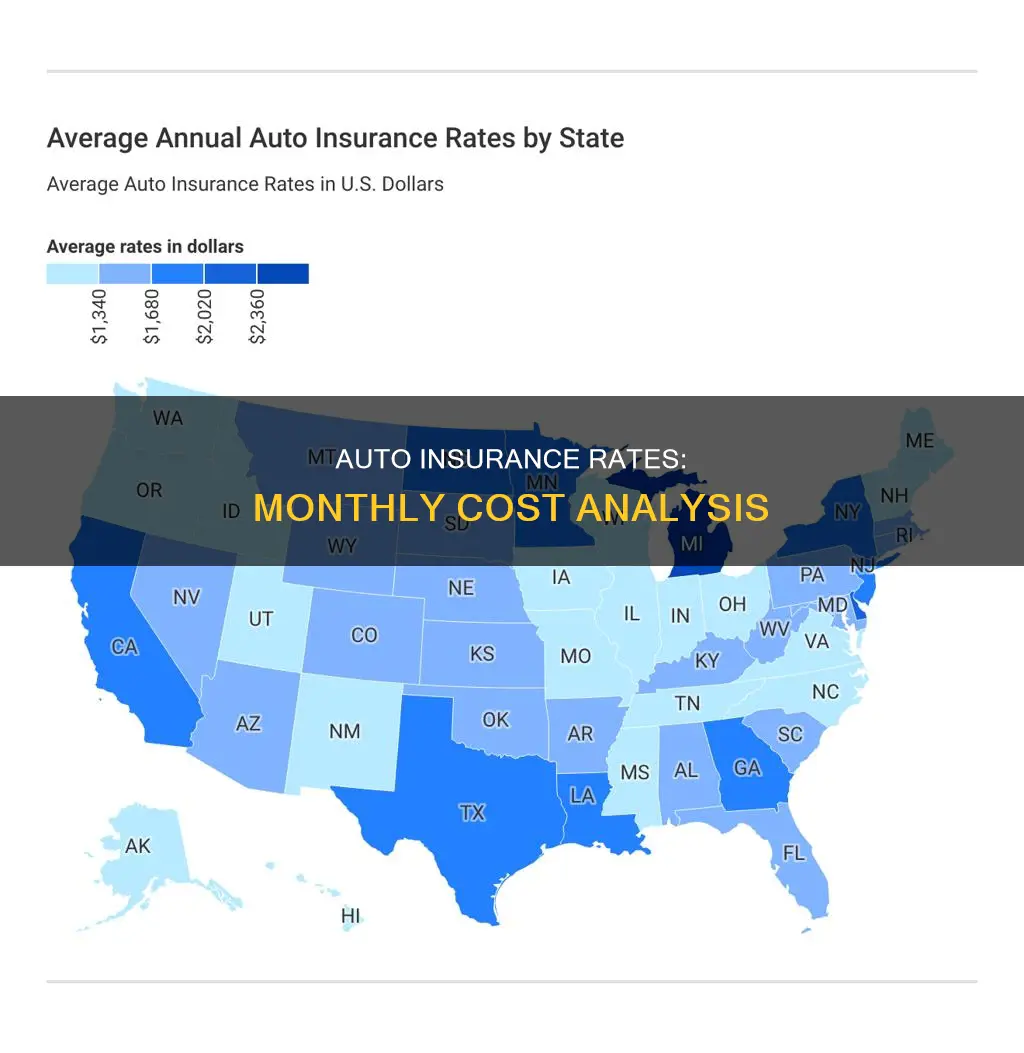
Securing auto insurance for an 18-year-old driver in Florida is notoriously expensive, with average annual premiums often exceeding $4,000 to $6,000 for a standalone policy due to high state litigiousness, severe weather risks, and the statistical inexperience of youthful drivers.
Introduction to Florida Auto Insurance Realities for Young Drivers
Navigating the financial landscape of auto insurance for an 18-year-old driver in the Sunshine State is a daunting challenge for parents and young adults alike. Florida consistently ranks among the most expensive states in the United States for motor vehicle coverage. When combining this state-specific market volatility with the high-risk demographic profile of an 18-year-old driver, insurance premiums reach unprecedented heights. Understanding the average cost requires a deep examination of why insurers price these policies so aggressively, how state laws dictate minimum coverages, and what practical steps families can take to manage these burdensome expenses.
Insurance pricing is never arbitrary; it relies on complex actuarial tables that weigh historical claims data, regional traffic density, and driver age. For an 18-year-old, the lack of a robust driving history means underwriters must rely entirely on demographic risk factors. In Florida, these risk factors are compounded by high rates of uninsured motorists, fraudulent claims, and heavy tourism-driven traffic. This comprehensive guide breaks down the financial realities, legal mandates, and effective strategies surrounding the 18 yr auto insurance average cost in FL.
Why 18-Year-Old Drivers Face High Insurance Premiums in Florida
The cost of insuring an 18-year-old driver is a product of statistical probability and state-specific economic pressures. Insurance companies operate on risk assessment. Statistically, drivers between the ages of 16 and 19 have the highest crash rates per mile driven of any age group. Their developing cognitive maturity, combined with a lack of behind-the-wheel experience, makes them significantly more likely to be involved in collisions.
Furthermore, Florida's unique legal and environmental landscape exacerbates these baseline youthful driver rates. Florida is a no-fault state that requires Personal Injury Protection (PIP), but it also operates under tort law, allowing accident victims to step outside the no-fault system to sue negligent drivers if injuries meet certain thresholds. This creates a highly litigious environment where personal injury lawsuits are common, driving up bodily injury liability costs for everyone, especially high-risk demographics. Additionally, Florida's vulnerability to tropical storms and hurricanes introduces comprehensive insurance risks, as vehicles are frequently subjected to total-loss flood and wind damage.
The Impact of Experience and Credit History
For an 18-year-old, the insurance timeline is extremely compressed. Having held a license for only two years at most, the driver has virtually no record of safe driving habits to leverage for discounts. Compounding this, many 18-year-olds have little to no established credit history. In Florida, insurers are permitted to use credit-based insurance scores to help determine rates. Young adults who have not yet built credit often face higher premiums because statistical models link thin credit files to a higher probability of filing claims.
Breaking Down Average Costs: Standalone vs. Family Policies
When analyzing the 18 yr auto insurance average cost in FL, it is vital to distinguish between a young driver securing their own standalone policy and an 18-year-old added to an existing parent or family policy. The financial difference between these two approaches is staggering.
An 18-year-old purchasing an individual, standalone auto insurance policy in Florida can easily expect to pay anywhere from $4,500 to over $7,000 annually for basic liability coverage, and significantly more for full coverage (comprehensive and collision). Because insurance companies view a young adult on their own policy as fully independent and financially responsible for their own vehicles, the rates reflect the maximum statistical risk.
Conversely, adding an 18-year-old to a parent or household policy is almost universally the most cost-effective route. While adding a teen will still cause the family’s overall premium to spike—typically increasing the bill by 100% to 150%—the total household expenditure is usually thousands of dollars lower than maintaining a separate policy. Under this arrangement, the insurer spreads the risk across multiple experienced drivers and established vehicles.
| Coverage Type | Estimated Annual Cost (Standalone Policy) | Estimated Annual Cost (Added to Family Policy) | Primary Risk Factor |
|---|---|---|---|
| Minimum Liability Only | $4,500 – $5,500 | $1,800 – $2,800 (Added cost to parent policy) | Lack of driving history, state minimum limits |
| Full Coverage (Comp & Coll) | $6,500 – $9,000+ | $3,000 – $4,500 (Added cost to parent policy) | Vehicle value, high repair costs, youth risk |
| High-Risk / Accidents | $8,500 – $11,000+ | $4,500 – $6,500+ (Added cost to parent policy) | Prior tickets, at-fault accidents, DUI |
Note: Insurance rates fluctuate based on exact zip codes, vehicle makes and models, and specific driving histories. These figures represent general statewide averages for Florida.
Florida Legal Requirements and Minimum Coverage Mandates
To legally operate a motor vehicle in Florida, all drivers—including 18-year-olds—must carry specific minimum amounts of insurance. Failing to maintain these coverages can result in severe penalties, including the suspension of driving privileges and vehicle registration.
Florida is one of a handful of states that does not legally mandate Bodily Injury Liability (BIL) for standard private passenger vehicles, though carrying it is strongly recommended to protect personal assets in a severe accident. The mandatory state minimum coverages include:
- 10,000 Personal Injury Protection (PIP): This covers medical bills and lost wages for the policyholder regardless of who caused the accident.
- $10,000 Property Damage Liability (PDL): This covers damage that the driver causes to another person’s property or vehicle.
Relying solely on Florida state minimums is risky, especially for young drivers. If an 18-year-old causes an accident that results in $25,000 worth of vehicle damage or severe medical bills exceeding the $10,000 PIP limit, they—or their parents, if the teen is a minor or on their household policy—can be held personally liable for the remaining balance through civil lawsuits. Therefore, purchasing higher liability limits, such as 50/100/50 or 100/300/100, is a prudent financial safeguard despite the higher upfront cost.
Key Factors Influencing Rates for 18-Year-Olds in Florida
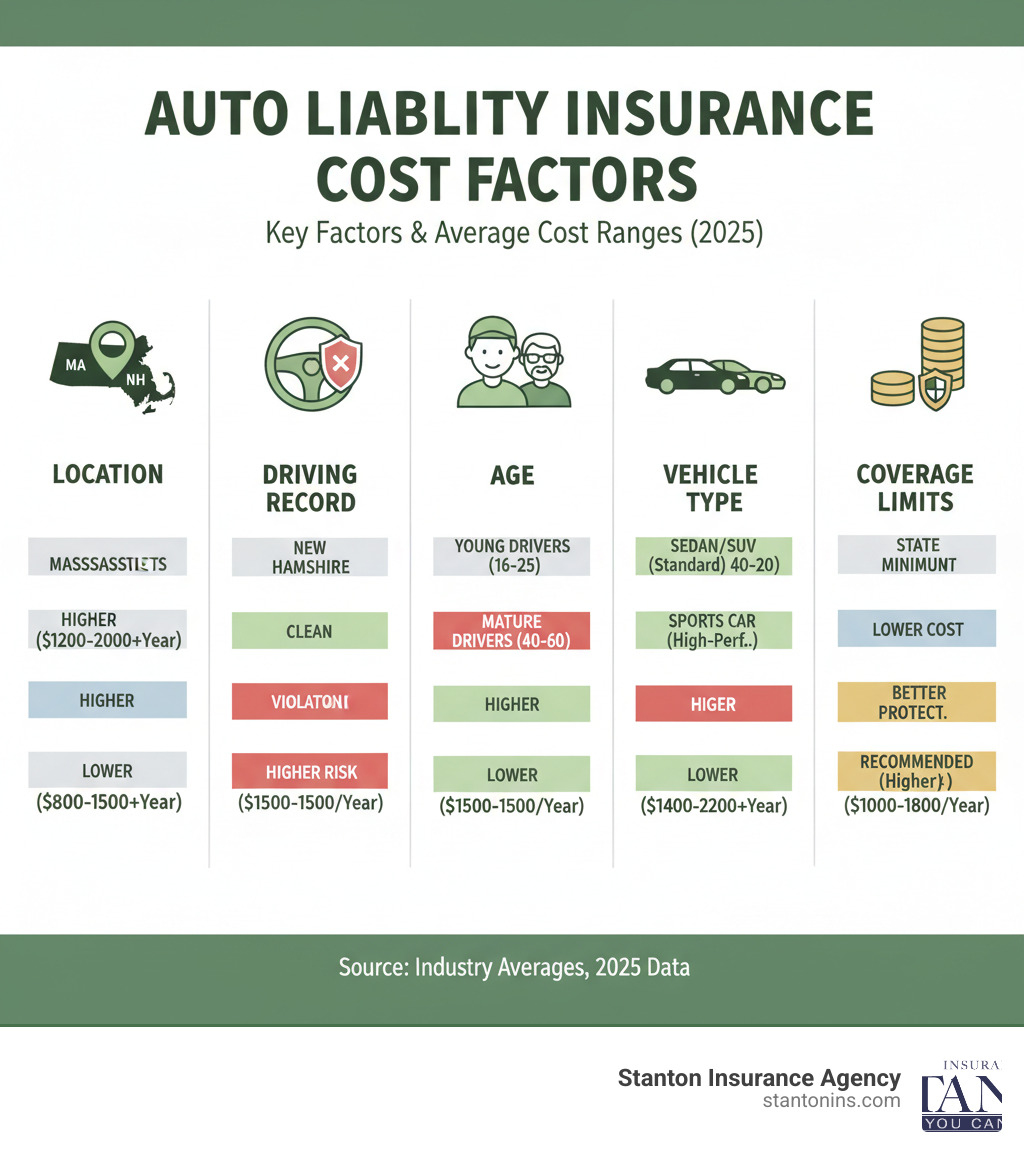
Several granular variables dictate the exact price an 18-year-old will pay for car insurance in Florida. Insurance underwriters evaluate these elements to calculate individual risk scores:
Geographic Location Within Florida
Where a vehicle is garaged plays a massive role in pricing. Urban centers like Miami, Hialeah, Fort Lauderdale, and Orlando feature heavily congested roadways, higher rates of vehicle theft, and more frequent litigation, resulting in some of the highest insurance rates in the country. Conversely, rural counties in the Florida Panhandle or parts of North Florida typically feature lower average premiums.
Vehicle Make, Model, and Safety Rating
The type of car an 18-year-old drives directly impacts the insurance cost. High-horsepower sports cars, luxury vehicles, and models with expensive electronic components or difficult-to-source parts command exorbitant insurance rates. Insurance companies favor practical, mid-sized sedans, crossovers, and vehicles equipped with advanced safety features, electronic stability control, and high crash-test ratings from organizations like the Insurance Institute for Highway Safety (IIHS).
Academic Standing and Good Student Discounts
Many insurance providers operating in Florida offer substantial discounts for high school or college students who maintain a "B" average or better (typically a 3.0 GPA or higher). Insurers have found a statistical correlation between academic diligence and responsible driving habits, making this one of the most accessible ways for an 18-year-old to reduce their premium.
Proven Strategies to Lower Auto Insurance Costs in Florida
Given the steep financial hurdle of insuring an 18-year-old in Florida, implementing targeted cost-saving measures is essential. Families can employ several strategies to mitigate these expenses without sacrificing necessary protection:
- Prioritize Group Policies: Keep the 18-year-old listed on the family or parental insurance policy rather than purchasing a standalone policy. This leverages the parents' tenure and clean driving records.
- Select a Practical Vehicle: Avoid purchasing brand-new sports cars or heavy trucks for young drivers. Opt for a safe, reliable, used sedan with standard safety features.
- Opt for Higher Deductibles: If carrying comprehensive and collision coverage, raising the deductible from $500 to $1,000 can significantly lower the monthly or annual premium, provided the family has emergency savings to cover the higher out-of-pocket cost in an emergency.
- Enroll in Telematics Programs: Many modern insurers offer app-based tracking programs (such as Progressive Snapshot or State Farm Drive Safe & Save) that monitor driving habits like speed, braking, and phone usage. Safe driving habits can yield substantial discounts.
- Complete Driver Education Courses: While traditional driver's ed is usually completed before age 18, advanced defensive driving courses can sometimes earn additional policy credits depending on the insurer.
Frequently Asked Questions About 18-Year-Old Auto Insurance in Florida
Can an 18-year-old in Florida get car insurance without a parent?
Yes, an 18-year-old is a legal adult in Florida and can legally purchase and enter into a binding contract for an auto insurance policy on their own. However, doing so will result in significantly higher rates because they lack a long-term credit history and an established driving record as a primary policyholder.
Why is Florida auto insurance so much more expensive than in other states?
Florida features unique risk factors, including a high percentage of uninsured motorists, heavy tourist traffic, severe weather risks like hurricanes, and a legal environment that encourages frequent litigation and personal injury lawsuits. These factors drive up claim payouts for insurance companies, leading to higher baseline rates.
Does an 18-year-old need full coverage in Florida?
Legally, Florida only requires Personal Injury Protection (PIP) and Property Damage Liability (PDL). However, if the 18-year-old is driving a financed or leased vehicle, the lender will strictly require comprehensive and collision coverage. If the vehicle is fully paid off, full coverage is optional, though recommended if the car's replacement value would cause financial hardship.
Are there good student discounts available for 18-year-olds in Florida?
Yes, most major auto insurance carriers offering coverage in Florida provide "Good Student Discounts." To qualify, the 18-year-old typically must be enrolled full-time in high school, college, or university and maintain a cumulative grade point average (GPA) of 3.0 (a "B" average) or higher.
How can I find the cheapest insurance company for an 18-year-old in Florida?
There is no single "cheapest" company, as rates are personalized based on zip code, vehicle VIN, and specific driver profiles. The most effective approach is to obtain quotes from at least three different national and regional insurers to compare coverage limits, deductibles, and total premium costs.
Final Recommendations for Florida Families
Navigating the insurance market for an 18-year-old driver requires careful planning, comparison shopping, and proactive risk management. Because Florida's insurance climate is uniquely volatile, locking in the lowest rate demands utilizing multi-policy bundles (such as combining home and auto insurance), maintaining high school or college academic discounts, and choosing safe, reliable vehicles. Always review policy limits annually to ensure adequate protection against underinsured motorists and potential liability claims, balancing affordability with genuine financial security on the road.