Public health problems encompass widespread health conditions, systemic issues, and environmental threats that impact entire populations rather than individuals. Addressing these challenges requires coordinated interventions from government agencies, international organizations, and healthcare systems to protect community well-being, prevent disease outbreaks, and reduce health disparities.
Public health spans a wide array of disciplines, including epidemiology, biostatistics, environmental health, health policy, and behavioral science. Unlike clinical medicine, which focuses on diagnosing and treating individual patients, public health focuses on prevention, health promotion, and the social determinants of health. Analyzing specific public health problem examples illuminates the complex interplay between human behavior, biology, environment, and socioeconomic status.
Evaluating these issues helps researchers, policymakers, and health practitioners design effective interventions, allocate resources efficiently, and formulate evidence-based policies. The following sections examine ten prominent public health problem examples, detailing their causes, systemic impacts, and strategies for mitigation.
1. Infectious Disease Outbreaks and Pandemics
Infectious diseases caused by pathogens such as viruses, bacteria, parasites, and fungi represent a continuous threat to global health security. Pathogens can spread rapidly across borders due to international travel, global trade, and shifting ecological boundaries. Historical pandemics, alongside modern outbreaks such as COVID-19, seasonal influenza strains, and viral hemorrhagic fevers like Ebola, demonstrate how quickly localized infections can escalate into global crises.
The primary driver of infectious disease spread is the capacity of pathogens to mutate and adapt, alongside human population density and urbanization. Public health agencies utilize surveillance systems, vaccination programs, and contact tracing to contain outbreaks. However, challenges such as vaccine hesitancy, supply chain vulnerabilities, and antimicrobial resistance continue to complicate disease management. Strengthening healthcare infrastructure and fostering international cooperation remain critical requirements for mitigating pandemic risks.
2. Non-Communicable Diseases (NCDs)
Non-communicable diseases—primarily cardiovascular diseases, cancers, chronic respiratory diseases, and diabetes—are responsible for the majority of deaths worldwide. According to the World Health Organization (WHO), NCDs account for approximately 74% of all deaths globally. Unlike infectious diseases, NCDs are driven by long-term physiological, environmental, and behavioral factors rather than acute pathogenic invasion.
Key modifiable risk factors for NCDs include tobacco use, physical inactivity, harmful use of alcohol, and unhealthy diets high in sodium, sugar, and saturated fats. Non-modifiable risk factors include aging and genetic predisposition. Public health interventions focus on primary prevention through health education, taxation on sugary beverages and tobacco, and urban planning that promotes active lifestyles. Managing NCDs also requires robust healthcare systems capable of providing continuous, long-term chronic disease management and equitable access to essential medicines.
3. Antimicrobial Resistance (AMR)
Antimicrobial resistance occurs when bacteria, viruses, fungi, and parasites evolve to withstand the effects of medications that once successfully treated them. This phenomenon renders standard treatments ineffective, leading to prolonged illnesses, higher medical costs, and an increased risk of mortality from common infections. AMR is accelerated by the overuse and misuse of antibiotics in human medicine and agriculture, poor infection control practices, and inadequate sanitation.
Addressing AMR requires a multidisciplinary "One Health" approach that recognizes the interconnection between human, animal, and environmental health. Strategies include optimizing antibiotic stewardship programs in clinical settings, restricting non-therapeutic antibiotic use in livestock, and investing in the research and development of new antimicrobial drugs and rapid diagnostic tools. Without sustained global action, routine medical procedures and minor injuries could become life-threatening.
4. Mental Health Disorders and Substance Use
Mental health conditions, including depression, anxiety, schizophrenia, and bipolar disorder, combined with substance use disorders, represent a leading cause of disability and disease burden globally. Social stigma, institutional barriers, and a chronic shortage of mental health professionals often prevent individuals from receiving timely care. Substance use disorders, particularly involving opioids, alcohol, and synthetic drugs, further compound public health crises by driving overdose rates and infectious disease transmission through unsafe injection practices.
Public health approaches to mental health and substance use emphasize community-based care, early intervention in schools and workplaces, and the integration of mental health services into primary healthcare. Harm reduction strategies, such as needle exchange programs and supervised consumption sites, alongside expanded access to evidence-based addiction treatment, are essential for reducing morbidity and mortality associated with substance use.
5. Environmental Pollution and Climate Change
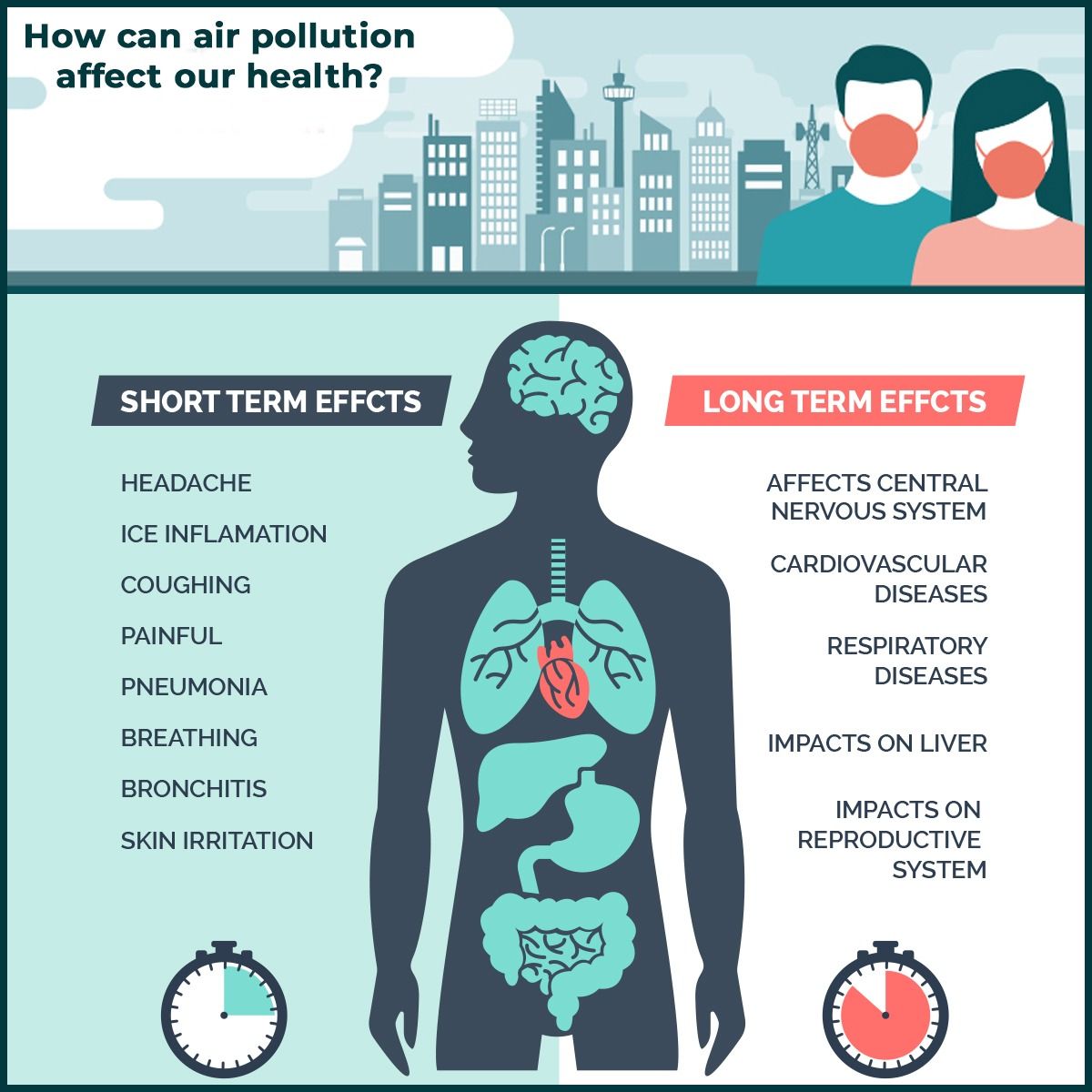
Environmental degradation, including air pollution, water contamination, and climate change, poses profound risks to human health. Ambient and household air pollution from the burning of fossil fuels and solid biomass contributes to millions of premature deaths annually, primarily due to stroke, heart disease, chronic obstructive pulmonary disease, and lung cancer. Climate change amplifies these risks by expanding the geographic range of vector-borne diseases like malaria and dengue, increasing the frequency of extreme weather events, and threatening global food and water security.
Public health strategies addressing environmental threats involve transitioning to renewable energy sources, enforcing stricter industrial emission standards, protecting watershed ecosystems, and developing resilient healthcare infrastructure capable of withstanding climate-related disasters. Policy frameworks must also address environmental justice, ensuring that marginalized communities disproportionately affected by pollution receive adequate protection and resources.
6. Maternal and Child Mortality
Maternal and child mortality rates serve as critical indicators of the overall quality, accessibility, and equity of a nation's healthcare system. While global rates have declined over recent decades, preventable deaths related to pregnancy, childbirth, and early childhood development remain unacceptably high, particularly in low- and middle-income regions. Major causes of maternal mortality include severe bleeding, infections, hypertensive disorders, and obstructed labor. Child mortality is frequently driven by neonatal complications, pneumonia, diarrhea, malnutrition, and vaccine-preventable diseases.
Interventions to improve maternal and child health include expanding access to skilled birth attendants, prenatal and postnatal care, comprehensive reproductive health services, and routine childhood immunizations. Nutritional supplementation programs, clean water initiatives, and educational campaigns focusing on breastfeeding and early childhood care further contribute to reducing mortality rates and supporting long-term developmental outcomes.
7. Nutritional Deficiencies and Obesity
Malnutrition manifests in multiple forms, including undernutrition (stunting, wasting, and micronutrient deficiencies) and overnutrition (overweight and obesity), often coexisting within the same communities and households. Undermining immune function and cognitive development, undernutrition primarily affects infants and young children in resource-limited settings. Conversely, the global rise in obesity is driven by the widespread availability of energy-dense, nutrient-poor ultra-processed foods, contributing to the epidemic of diabetes and cardiovascular diseases.
Public health initiatives targeting malnutrition encompass agricultural policies that promote diverse crop production, fortification of staple foods with essential micronutrients, and school feeding programs. Addressing obesity requires regulatory measures such as front-of-pack nutritional labeling, restrictions on marketing unhealthy foods to children, and community-based programs that improve access to fresh, affordable foods and safe spaces for physical activity.
8. Injury and Violence
Intentional and unintentional injuries—ranging from road traffic accidents and workplace hazards to interpersonal violence and self-directed harm—represent a major public health burden. Road traffic crashes alone account for over a million deaths annually, disproportionately affecting young adults. Interpersonal violence, including intimate partner violence and community violence, inflicts severe physical and psychological trauma while straining emergency medical and social support services.
Public health frameworks approach injury and violence through the lens of prevention rather than solely criminal justice or emergency response. Strategies include enforcing strict traffic safety laws (such as mandatory seatbelt and helmet use, speed limits, and sobriety checkpoints), implementing occupational safety standards, and establishing community-based violence intervention programs that address the underlying socioeconomic drivers of conflict and trauma.
9. Tobacco Use and Substance Addiction
Tobacco use remains the leading preventable cause of disease, disability, and death globally. It is directly linked to numerous cancers, cardiovascular diseases, and chronic respiratory conditions. In addition to traditional combustible cigarettes, the proliferation of electronic nicotine delivery systems (vapes) has introduced new public health challenges, particularly regarding nicotine addiction among adolescents and the long-term pulmonary effects of aerosol inhalation.
Effective tobacco control measures are grounded in the WHO Framework Convention on Tobacco Control (FCTC). These measures include implementing comprehensive smoke-free workplace and public space laws, running high-impact mass media anti-smoking campaigns, banning tobacco advertising, promotion, and sponsorship, and significantly increasing excise taxes on tobacco products to reduce consumption and deter initiation.
10. Healthcare Access and Health Disparities
Systemic inequities in healthcare access and quality create pronounced disparities in health outcomes across different racial, ethnic, socioeconomic, and geographic populations. Barriers to care include lack of health insurance, prohibitive out-of-pocket costs, shortages of healthcare facilities in rural or underserved urban areas, and language or cultural barriers between providers and patients. These disparities result in delayed diagnoses, inadequate chronic disease management, and higher rates of preventable morbidity and mortality among marginalized groups.
Addressing health disparities requires structural reforms aimed at achieving universal health coverage, strengthening safety-net health systems, and investing in community health worker programs. Furthermore, public health research must actively address the social determinants of health—such as housing stability, income inequality, and education—to ensure equitable opportunities for health and well-being.
Comparison of Public Health Challenges
The following table summarizes key characteristics, primary drivers, and core interventions for selected public health problems:
| Public Health Problem | Primary Drivers | Key Interventions | Target Population |
|---|---|---|---|
| Infectious Diseases | Pathogen mutation, global travel, urbanization | Vaccination, surveillance, contact tracing | General population / Global |
| Non-Communicable Diseases | Tobacco, poor diet, physical inactivity, aging | Health education, taxation, primary care management | Adults / Aging populations |
| Antimicrobial Resistance | Antibiotic overuse in medicine and agriculture | Stewardship programs, One Health approach, new drugs | Clinical and agricultural sectors |
| Mental Health & Substance Use | Social stigma, service shortages, socioeconomic stress | Community-based care, harm reduction, expanded access | Individuals with disorders |
| Environmental Pollution | Industrial emissions, fossil fuels, climate change | Emission standards, renewable energy, disaster preparedness | Populations in affected regions |
Frequently Asked Questions
What is the difference between clinical medicine and public health?
Clinical medicine focuses on diagnosing, treating, and caring for individual patients who are already sick or injured. Public health focuses on protecting and improving the health of entire communities and populations through disease prevention, health promotion, policy development, and epidemiological research.
How do social determinants of health impact public health problems?
Social determinants of health are the non-medical factors—such as income, education, employment, housing, and social inclusion—that significantly influence health outcomes. Disparities in these areas often drive inequalities in disease prevalence, healthcare access, and overall life expectancy.
Why is a "One Health" approach important for public health?
The One Health approach recognizes that human health is inextricably connected to the health of animals and shared environments. This framework is essential for managing zoonotic diseases, antimicrobial resistance, and environmental threats that cross species and ecological boundaries.
What role do government agencies play in addressing public health problems?
Government health agencies establish regulatory frameworks, monitor disease surveillance data, fund scientific research, manage emergency responses to outbreaks, and implement population-wide health policies and vaccination campaigns to safeguard public safety.
How can communities address local public health challenges?
Communities can address local challenges by mobilizing grassroots organizations, advocating for evidence-based local policies, improving access to recreational spaces and nutritious foods, and supporting community health worker initiatives that bridge gaps in clinical care.
Practical Next Steps for Public Health Engagement
Addressing public health problems requires active participation from individuals, community leaders, and policymakers. To contribute to local and global health improvements:
- Stay Informed: Rely on verified scientific data from recognized public health institutions, such as the World Health Organization and national public health agencies, to understand prevailing health risks.
- Support Evidence-Based Policies: Advocate for local and national policies that promote preventive care, environmental sustainability, mental health funding, and equitable healthcare access.
- Practice Preventive Health: Utilize routine immunizations, engage in balanced nutrition and physical activity, and adhere to medical guidance regarding medication use and screenings.