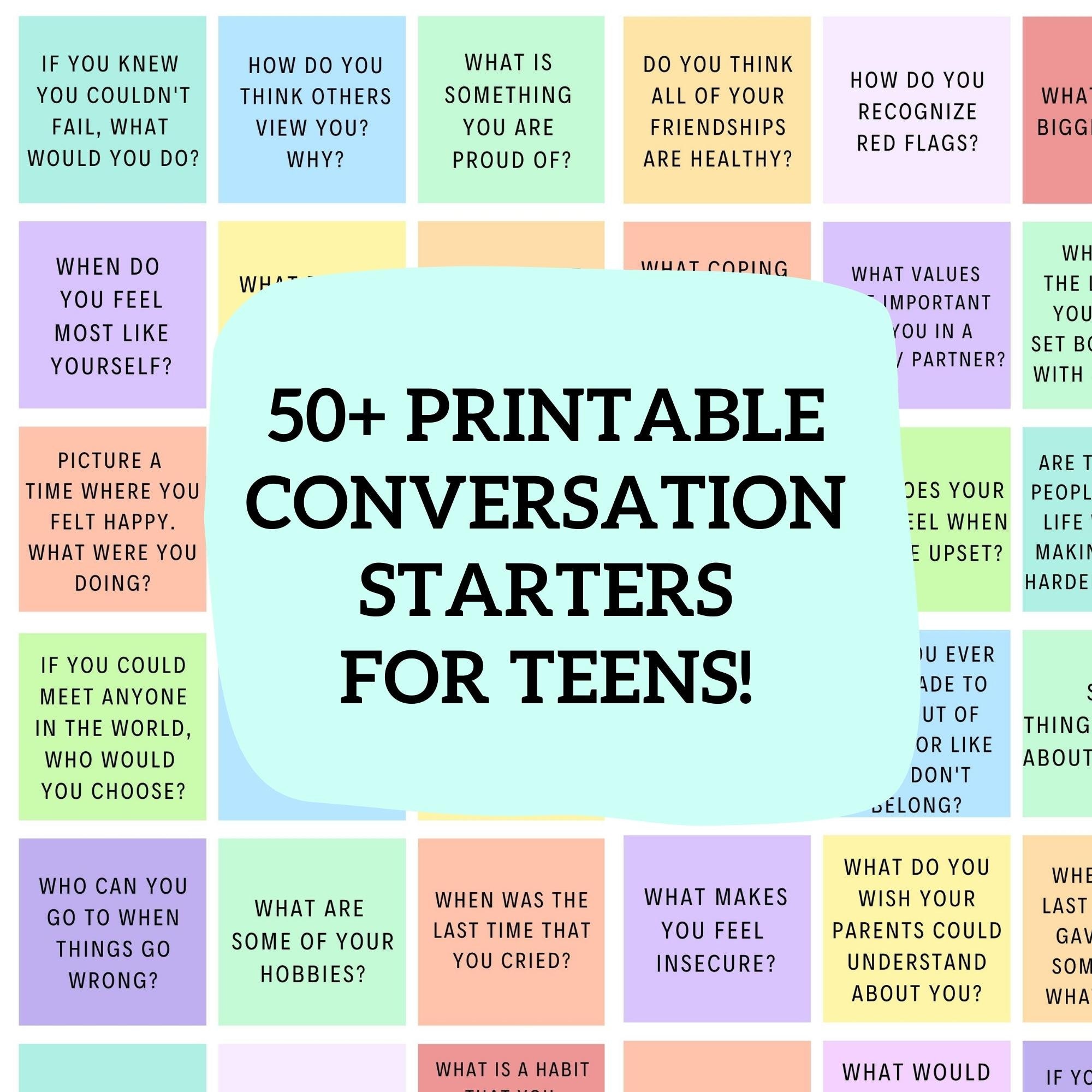
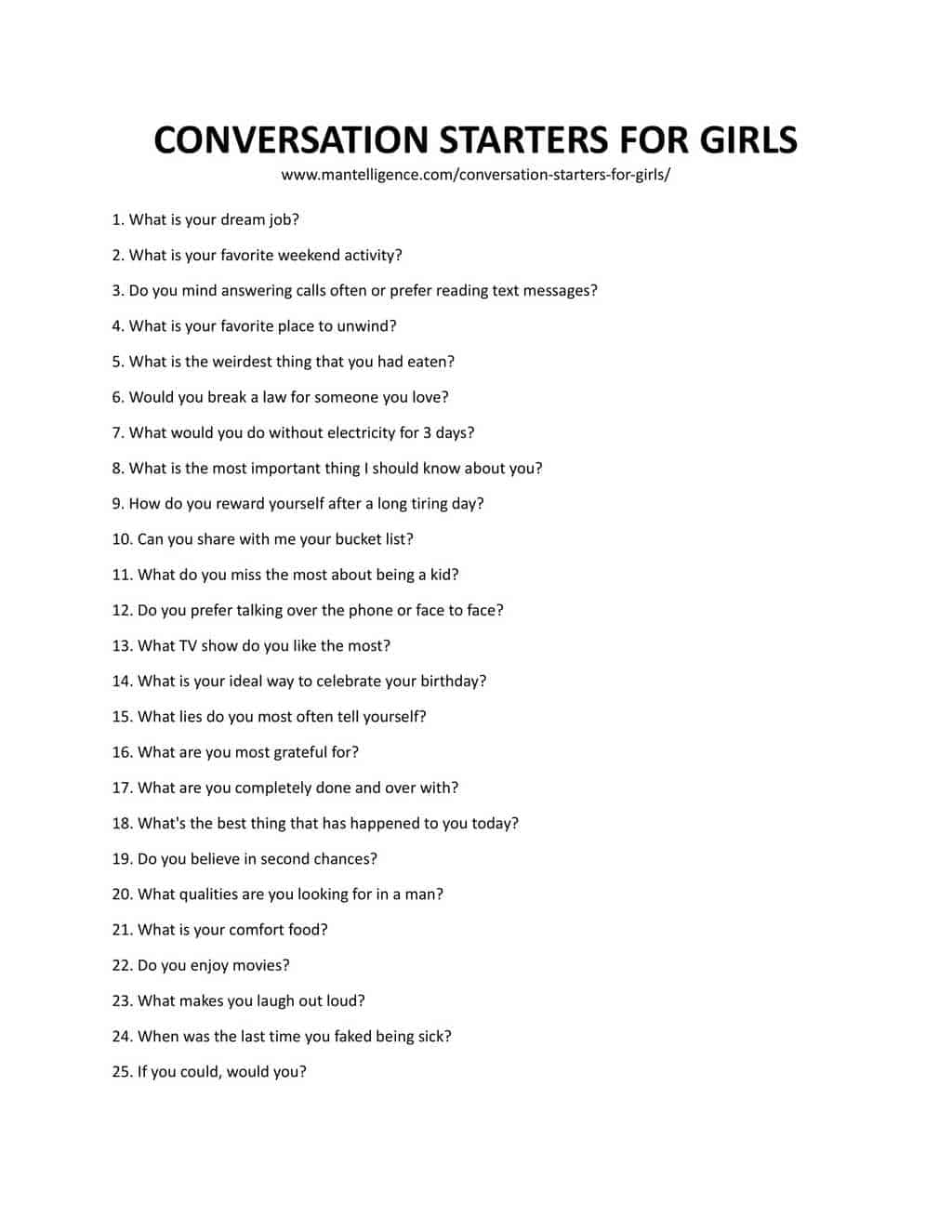
FaceTime video calls are a cornerstone of modern personal communication, yet staring at a screen can sometimes lead to conversational lulls, awkward silences, or repetitive updates about the weather and daily routines. Having a curated list of engaging, unexpected, and lighthearted conversation starters helps break the monotony, deepen connections, and revitalize virtual hangouts with friends, family, or romantic interests.
Understanding the Dynamics of Virtual Communication
Communicating through a screen changes the natural cadence of human interaction. Physical cues are often limited to the chest up, eye contact is technically broken because lenses and displays are separated, and internet latency can interrupt the flow of dialogue. These minor digital barriers make it remarkably easy for conversations to drift into surface-level territory, such as recapping work schedules or debating the quality of local takeout.
Recognizing these digital limitations is the first step toward overcoming them. When physical environments cannot be shared directly, verbal and imaginative stimulation must fill the gap. Using strategic conversation starters shifts the focus from passive observation to active engagement. Whether connecting with a long-distance partner, catching up with an old college roommate, or checking in on elderly relatives, tailoring the approach ensures that the dialogue remains stimulating for both parties.
1. The "Around the Room" Physical Audit
Instead of starting with a generic "How are you?", leverage the unique advantage of video calling: you are looking right into each other's physical environments. Asking someone to share a specific item from their immediate surroundings instantly grounds the conversation in reality and offers personal insights.
- How to phrase it: "Look around wherever you are sitting right now. What is the weirdest, oldest, or most sentimental object within arm's reach that you can show me on camera?"
- Why it works: It forces a physical movement away from just staring at the screen, introduces elements of surprise, and naturally leads into storytelling about where an object came from or why it has sentimental value.
- Technical tip: Ensure your device is propped up securely if you need to briefly lean out of frame to grab an item, and keep your lighting balanced so details are visible on screen.
2. Low-Stakes Hypothetical Scenarios
Hypothetical questions are powerful tools for unlocking creativity and humor. They bypass real-world constraints and allow people to reveal their underlying values, problem-solving styles, and absurd preferences in a fun environment.
- How to phrase it: "If you were legally required to wear a costume representing your current profession or daily routine for the rest of the year, what would it look like?" or "If you had to survive a week-long power outage using only three items currently in your kitchen, what is your strategy?"
- Why it works: These questions require zero preparation from the listener, spark immediate laughter, and quickly pivot into creative debate. They work universally across different age groups and relationship dynamics.
3. Nostalgia and Memory Mining
Revisiting positive shared memories or exploring formative past experiences creates an immediate sense of warmth and emotional closeness. This approach is particularly effective for long-distance relationships or friendships that span many years.
- How to phrase it: "What is a specific food, smell, or song that instantly transports you back to being ten years old?"
- Why it works: Sensory memories are deeply wired into the human brain. Discussing them triggers vivid storytelling, humorous recollections, and a deeper layer of personal intimacy that everyday updates simply cannot match.
4. Entertainment and Media Deep Dives
Pop culture, media consumption, and artistic preferences provide endless material for discussion. However, instead of asking a broad question like "What are you watching?", narrow the scope to spark a more passionate response.
- How to phrase it: "What is a universally beloved movie, book, or album that you secretly think is entirely overrated, and what is your defense?"
- Why it works: Hot takes and polite, playful debates inject immediate energy into a sluggish call. People love defending their contrarian opinions, and it opens the floor for lively banter without generating genuine conflict.
5. Food, Cravings, and Culinary Experiments
Food is a universal unifier. Discussing culinary triumphs and disasters bridges the physical distance by engaging the senses through imagination and memory.
- How to phrase it: "If a private chef could teleport into your kitchen right now and cook you any meal of your choice, what are you ordering down to the exact ingredients?"
- Why it works: It appeals to sensory desires and often leads down amusing rabbit holes about past cooking disasters, secret family recipes, or local restaurant recommendations.
6. Travel, Geography, and Dream Destinations
Discussing travel opens up possibilities and allows both participants to dream about future adventures or reminisce about past trips that shaped their worldview.
- How to phrase it: "If you were given a fully funded, one-way ticket to live in any foreign city for a year, where would you go and why?"
- Why it works: It shifts the mind away from daily stressors and mundane routines into a space of aspiration. You learn about what environments energize the other person, whether they crave bustling neon-lit metropolises or quiet mountain cabins.
7. Skill Acquisition and Hidden Talents
Everyone has quirky interests, obscure hobbies, or secret skills they rarely get to showcase in everyday conversation. Asking about these areas validates personal passions.
- How to phrase it: "If you had an entire month with no obligations and unlimited funding to master any obscure skill—like glassblowing, lockpicking, or competitive whistling—what would you choose?"
- Why it works: It uncovers hidden dimensions of a friend, family member, or partner that you might never discover through casual status updates.
8. Childhood Aspirations vs. Reality
Reflecting on the contrast between childhood dreams and adult realities offers a humorous, self-reflective lens on personal growth and the unpredictability of life.
- How to phrase it: "What career did your seven-year-old self stubbornly believe you were going to have, and how close or far off is your current reality?"
- Why it works: It bridges the gap between past innocence and present maturity, often resulting in funny anecdotes about outlandish childhood logic.
9. Rapid-Fire "Would You Rather"
When energy levels are low and neither person wants to think too hard, a series of snappy, absurd "Would You Rather" questions serves as a quick mental espresso shot.
- How to phrase it: "Would you rather have fingers as long as your legs or legs as short as your fingers?" or "Would you rather only be able to whisper or only be able to shout for the rest of your life?"
- Why it works: The binary choice requires an immediate answer, keeping the conversational momentum high and preventing overthinking.
10. The Gratitude and Highs/Lows Check-In
While fun and games are fantastic for breaking the ice, deep connections thrive on emotional resonance. Concluding a FaceTime call with a structured reflection creates a safe space for vulnerability.
- How to phrase it: "What was the absolute highlight of your week, and what is one thing that drained your energy that you are glad is behind you?"
- Why it works: It provides a structured framework for emotional support, ensuring that both participants feel heard, validated, and genuinely cared for.
Comparing Conversation Starter Categories
To help you choose the right approach for your specific FaceTime partner and mood, use the following comparison table:
| Category | Best Suited For | Energy Level Required | Primary Goal |
|---|---|---|---|
| Physical Audit | Casual friends, family | Low | Grounding the call in the immediate environment |
| Hypothetical Scenarios | Groups, romantic partners | Medium | Sparking creativity and laughter |
| Nostalgia & Memory | Close friends, family | Low to Medium | Fostering emotional warmth and intimacy |
| Media Deep Dives | Pop culture fans, peers | High | Creating playful debate and banter |
| Food & Cravings | Universal appeal | Low | Engaging sensory imagination and comfort |
| Highs and Lows | Close relationships, partners | Medium | Providing emotional support and active listening |
Troubleshooting Common FaceTime Communication Barriers
Even with the best conversation starters, virtual calls can occasionally stumble due to technical or psychological hurdles. Applying practical troubleshooting strategies ensures smoother interactions:
- Overcoming Zoom Fatigue: Video call exhaustion is real. If both participants have had screen-heavy days, switch to an audio-only FaceTime walk where both people pace outside while talking.
- Managing Talk-Over Delays: Audio latency can cause people to talk over one another. Pause slightly longer after asking a question to allow the other person processing time before responding.
- Avoiding Interrogation Mode: Do not rapid-fire questions like an interviewer. Use the conversation starters as a springboard, allowing the dialogue to naturally meander based on what the other person says.
Frequently Asked Questions
What should I do if my FaceTime partner gives one-word answers?
If someone responds with minimal detail, pivot away from abstract questions toward physical observations or immediate sensory inputs. Asking them to show you their pet, their coffee mug, or the view outside their window requires zero intellectual heavy lifting and often unlocks more expressive communication.
How do I gracefully end a FaceTime call when the conversation dies?
Instead of letting an awkward silence linger, signal the transition clearly by combining appreciation with a logistical wrap-up. Use phrases like, "It was so great catching up and hearing your take on that movie—I need to run and handle some dinner prep, but let us lock in a time to chat again next week."
Are these conversation starters suitable for professional FaceTime calls?
Most of these starters are designed for personal relationships. For professional or networking video calls, stick to industry-relevant icebreakers, such as discussing recent projects, professional development goals, or remote work setups.
How can I make virtual calls feel less like an interview?
The secret to avoiding an interview dynamic is reciprocity. Always share your own answer to the question immediately after your partner answers, rather than simply moving straight on to the next prompt.
What is the ideal length for a casual FaceTime call?
For most social calls, 30 to 45 minutes is the sweet spot. It provides enough time to move past superficial updates into meaningful conversation without overstaying its welcome or causing screen fatigue.
Final Recommendation
Do not try to rush through all ten conversation starters in a single sitting. Instead, pick one or two that match the current mood of your call and let the dialogue flow naturally from there. By focusing on curiosity, active listening, and shared amusement, you can transform ordinary video check-ins into memorable, engaging experiences.