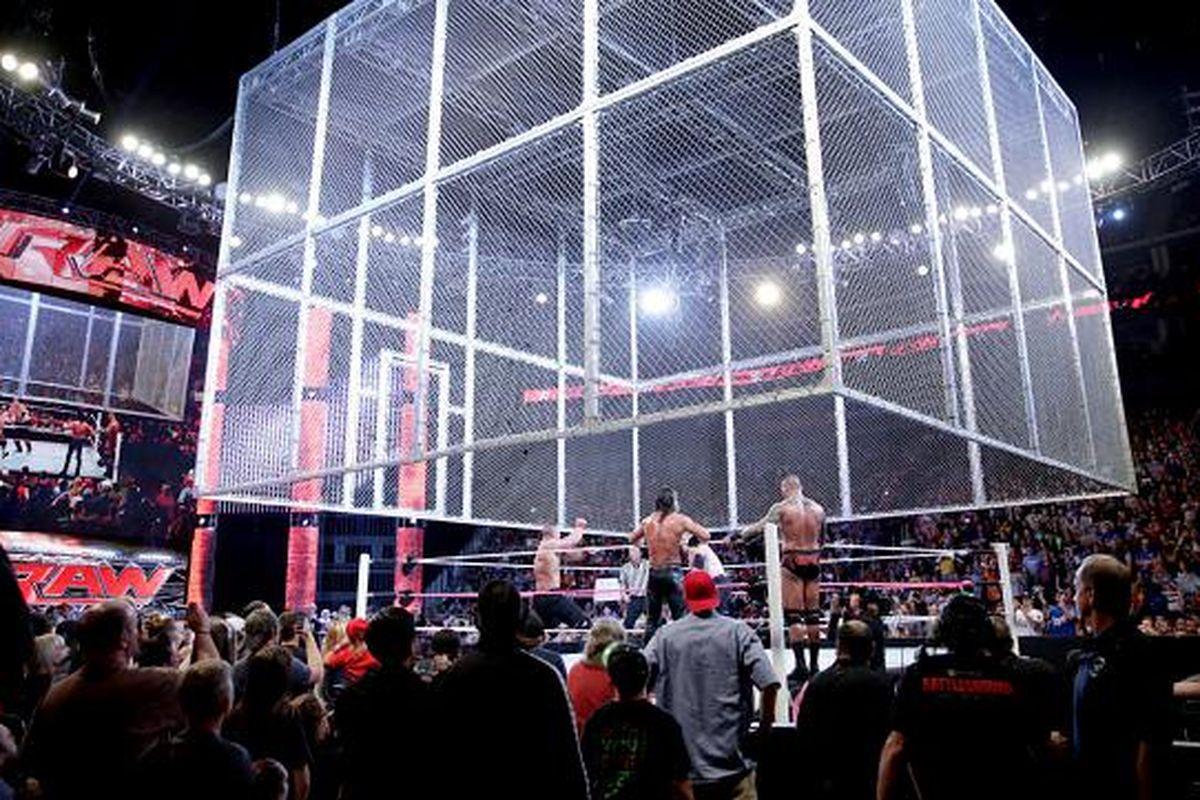
An estimated attendance of around 10,000 fans gathered at the Golden 1 Center in Sacramento, California, for WWE Hell in a Cell 2019, an event that became deeply infamous for its controversial main event finish, intense crowd backlash, and a pivotal moment in modern professional wrestling broadcasting history.
Introduction and Event Overview
When World Wrestling Entertainment (WWE) brought its annual Hell in a Cell pay-per-view event to the Golden 1 Center in Sacramento, California, on October 6, 2019, expectations from the live audience were high. Live gate and attendance figures reported around 10,000 fans packed into the modern arena, creating a volatile and passionate atmosphere. However, what began as a standard autumn pay-per-view transformed into one of the most polarizing nights in contemporary sports entertainment history.
To fully understand the dynamic among the 10,000 fans at Hell in a Cell 2019, one must examine the event's venue capacity, the creative landscape of WWE at the time, the infamous main event finish between Seth Rollins and "The Fiend" Bray Wyatt, and the immediate fallout that reverberated throughout the industry. Far from being remembered for standard in-ring excellence, the night cemented itself as a case study in how booking decisions can dramatically alienate a live crowd and trigger widespread digital discourse.
Venue Infrastructure and Attendance Logistics: Golden 1 Center in 2019
The Golden 1 Center, located in downtown Sacramento, opened in 2016 as a state-of-the-art multi-purpose indoor arena primarily serving the Sacramento Kings of the National Basketball Association (NBA). For professional wrestling events, the arena's configuration typically allows for a capacity ranging anywhere from 11,000 to over 14,000 depending on stage placement, production requirements, and camera blockades.
Seating Configuration and Market Demand
For Hell in a Cell 2019, ticket sales settled around the 10,000 mark. While this did not represent a complete sell-out of the absolute maximum arena capacity—which can stretch higher for basketball or massive concert setups featuring floor seating adjustments—it constituted a strong turnout for a standalone, non-Big-Four WWE pay-per-view event in a secondary West Coast market.
- Lower Bowl: Completely filled, creating a dense wall of sound directly facing the broadcast cameras.
- Upper Deck: Moderately populated, with sections curtained off opposite the hard camera to maintain the visual illusion of a packed house on television.
- Floor Seating: Arranged tightly around the signature red steel Hell in a Cell structure, housing the most vocal segment of the audience.
Local Market Dynamics
Sacramento has historically possessed a reputation as a fiercely loyal yet intensely critical wrestling audience. Fans in the region often display a deep knowledge of industry inner-workings and show little hesitation in voicing their displeasure when creative directions stall or fail to deliver satisfying conclusions. This local temperament played a massive role in the escalation of crowd reactions as the night progressed from the opening matches into the twilight hours of the broadcast.
The Undercard: Building Tension in the Arena
Before the infamous main event defined the legacy of the evening, the 10,000 fans witnessed a card featuring several high-profile championship bouts and rivalry culminations. Understanding the mood of the audience requires analyzing how these earlier matches set expectations that were ultimately upended.
Becky Lynch vs. Sasha Banks (WWE Raw Women's Championship)
The evening opened with a high-stakes Hell in a Cell match for the Raw Women's Championship between champion Becky Lynch and challenger Sasha Banks. Utilizing the steel structure immediately, both competitors engaged in a fast-paced, brutal encounter involving Kendo sticks, steel chairs, and innovative high-risk maneuvers. The Sacramento crowd responded with thunderous approval, validating the positioning of a women's match in the opening slot of a major gimmick pay-per-view. Lynch ultimately retained her title, satisfying the live audience and establishing a high benchmark for the physical intensity of the cell structure.
Roman Reigns and Daniel Bryan vs. Erick Rowan and Luke Harper
In a tag team match showcasing physical power and veteran psychology, Roman Reigns and Daniel Bryan teamed up to face Erick Rowan and Luke Harper in a Tornado Tag Team match. This bout played heavily into the traditional, grounded style of wrestling that Sacramento crowds historically embrace. The energetic execution and clean finish allowed the 10,000 fans to remain invested and primed for the remainder of the card.
Bayley vs. Charlotte Flair (WWE SmackDown Women's Championship)
Continuing the theme of championship bouts inside and around the steel structure, Bayley defended her SmackDown Women's Championship against Charlotte Flair. This match featured a stark character shift for Bayley, who leaned into a villainous persona. Flair captured the victory and the championship, sparking mixed reactions from the crowd, though the decision was accepted as a standard narrative development within the ongoing weekly television arcs.
The Main Event Controversy: Seth Rollins vs. The Fiend
The core reason Hell in a Cell 2019 remains etched in industry lore centers entirely on the Universal Championship match between champion Seth Rollins and challenger Bray Wyatt, performing under his supernatural "The Fiend" persona.
Narrative Setup and Character Mechanics
By late 2019, "The Fiend" had emerged as one of the most compelling and popular characters in professional wrestling. Bray Wyatt's horror-inspired persona possessed an aura of invulnerability, absorbing massive amounts of offensive punishment on television before turning the tide against opponents. Rollins, meanwhile, was experiencing a friction-filled run as the heroic face of the company, with fans increasingly rejecting his optimistic characterization in favor of Wyatt's dark mystique.
Match Escalation and Excessive Violence
As the match progressed inside the red-lit Hell in a Cell structure, the intensity escalated far beyond standard professional wrestling psychology. Rollins subjected Wyatt to an unprecedented level of physical devastation:
- Multiple consecutive stomps onto steel chairs.
- The deployment of a sledgehammer—an implement historically forbidden or treated as a definitive disqualification threat in standard match rules.
- Dozens of weapon strikes directly to the head and torso.
Despite absorbing punishment that would have ended any normal match on the roster, "The Fiend" continuously sat back up, channeling psychological horror tropes that whipped the 10,000 fans into a frenzy of anticipation. The audience wanted to see a definitive conclusion, whether that meant Wyatt completing his meteoric rise to the championship or Rollins finding a miraculous way to overcome the monster.
Crowd Backlash and the Referee Stoppage
Instead of a clean pinfall, submission, or decisive narrative payoff, the match concluded in administrative confusion.
The Stoppage Sequence
As Rollins retrieved a steel sledgehammer and prepared to deliver what was framed as a potentially lethal blow to the incapacitated Wyatt—who was trapped beneath a mountain of heavy steel stairs, chairs, and toolboxes—ringsider officials and referees panicked. Fearing that the brutality had crossed acceptable scripted thresholds or that Rollins was violating safety guidelines, the referee called for the bell, ruling the match a no contest due to referee stoppage.
Reaction of the 10,000 Fans
The reaction from the live crowd in Sacramento was immediate, hostile, and sustained. Fans in attendance had paid premium ticket prices to witness a definitive main event conclusion to a pay-per-view built entirely around a structure designed for decisive, violent finishes.
- Chants: The arena erupted into deafening chants of "Bullsh*t," "AEW," "Refund," and "Restart the match."
- Physical Protests: Reports and fan footage from inside the Golden 1 Center documented fans throwing garbage into the ring and booing vociferously as the broadcast feed went dark.
- Arena Lighting: In an unusual visual choice, arena officials illuminated the house lights while Rollins stood bewildered in the ring, highlighting the raw, unfiltered anger of the 10,000 fans trapped in a venue with an unresolved main event.
Immediate Industry Fallout and Historical Legacy
The fallout from Hell in a Cell 2019 extended far beyond the confines of the Golden 1 Center, sparking intense debate across wrestling journalism, social media platforms, and corporate boardrooms regarding WWE's creative direction.
| Aspect | Pre-Event Expectation | Event Reality | Post-Event Impact |
|---|---|---|---|
| Attendance & Gate | Solid regional turnout (~10,000 fans) | Met projections with strong lower bowl density | Validated Sacramento as a viable yet highly vocal market |
| Main Event Booking | Definitive blow-off to a major feud | Indecisive referee stoppage via excessive violence | Severe fan alienation and prolonged creative pivots |
| Fan Reception | High anticipation for "The Fiend" | Open rebellion, trash throwing, and hostile chants | Accelerated discussions on audience trust and booking logic |
Creative Adjustments and Corporate Response
In the days following the event, WWE executives and creative leads faced heavy scrutiny. The finish violated an unwritten covenant with pay-per-view consumers: that a Hell in a Cell match cannot end in a standard referee stoppage without completely undermining the purpose of the steel enclosure. While subsequent programming attempted to course-correct—ultimately leading to Wyatt capturing the Universal Championship at Crown Jewel later that month—the damage to Rollins' babyface momentum proved difficult to reverse in the short term.
Retrospective Analysis in 2026
Looking back from the vantage point of 2026, Hell in a Cell 2019 is frequently cited by analysts as a turning point in how WWE manages hyper-violent stipulations and audience expectations. The night serves as a permanent reminder that even a passionate crowd of 10,000 fans, willing to invest financially and emotionally in a live event, can quickly turn adversarial when creative execution fails to respect the narrative logic built over months of television programming.
Frequently Asked Questions
How many fans attended WWE Hell in a Cell 2019?
An estimated 10,000 fans attended the event live at the Golden 1 Center in Sacramento, California. While the venue is capable of holding more guests for certain configurations, ticket sales and production setups settled around this robust regional figure for the autumn pay-per-view.
Why did the main event of Hell in a Cell 2019 receive such heavy backlash?
The match between Seth Rollins and Bray Wyatt ended in a referee stoppage after Rollins struck Wyatt in the head with a sledgehammer amid a pile of steel chairs and stairs. Fans felt cheated out of a decisive winner, especially given the violent gimmick nature of the Hell in a Cell structure, leading to mass chanting and garbage throwing in the arena.
Was Hell in a Cell 2019 a sell-out?
The event did not achieve a complete 100% capacity sell-out of the absolute maximum arena layout, as sections of the upper bowl opposite the camera were curtained off. However, the lower bowl and floor sections were densely packed, providing a loud and vibrant live audience for the majority of the card.
What happened to Bray Wyatt's character after this event?
Despite the controversial finish halting his immediate momentum, Bray Wyatt ("The Fiend") recovered creatively in the short term by defeating Seth Rollins for the Universal Championship weeks later at Crown Jewel in Saudi Arabia, though the memory of the Sacramento ending remained a frequent talking point among fans for years.
Conclusion and Recommendations for Research
For researchers, historians, and enthusiasts examining modern professional wrestling history, Hell in a Cell 2019 stands as a masterclass in crowd psychology and the perils of over-scripted television finishes. To gain a complete understanding of the event, review the unedited network broadcast of the undercard matches—particularly the women's opener—to appreciate the high standard of athletic performance that preceded the main event controversy, then study contemporary fan forums and observer reports to gauge the immediate shockwave sent through the industry.