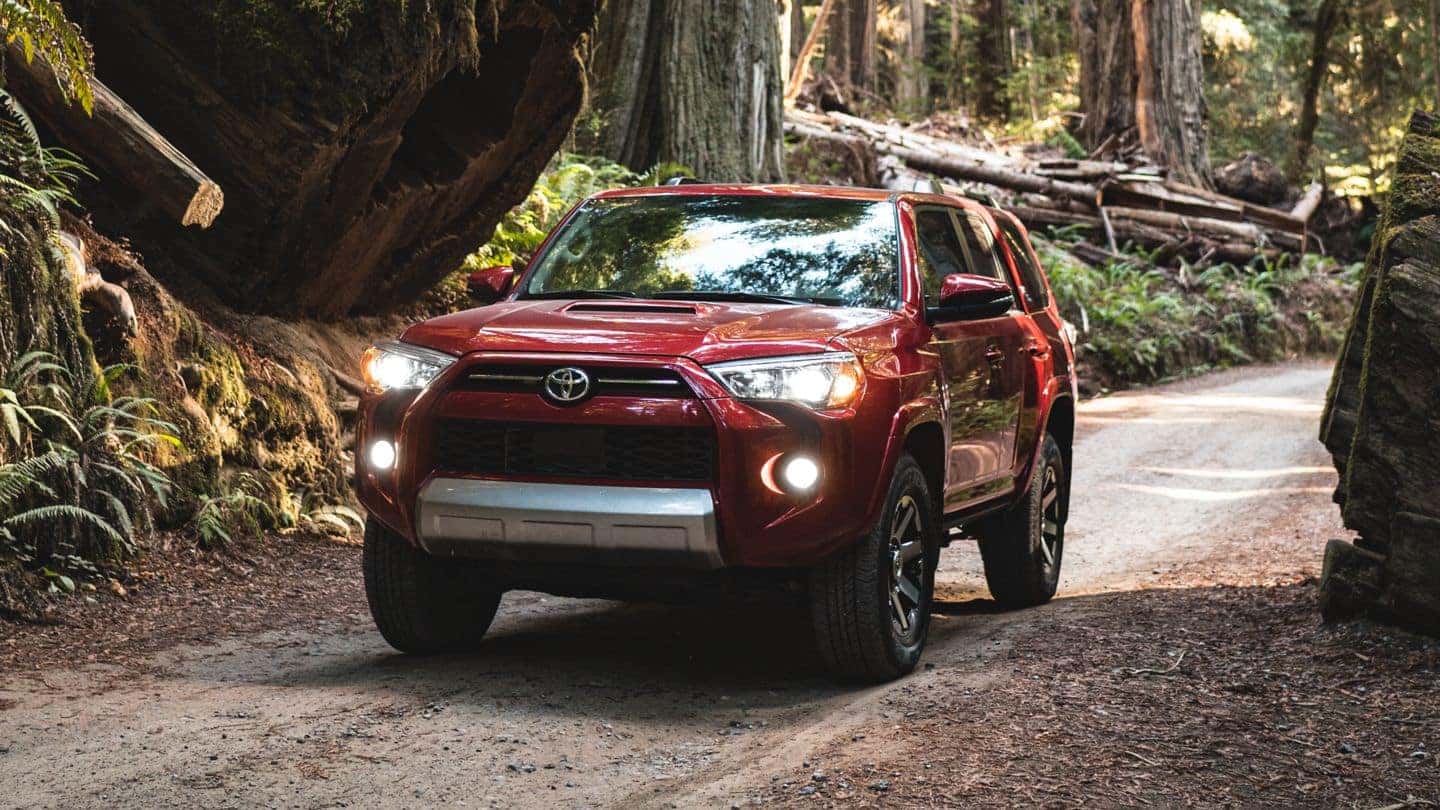
Choosing between a Subaru crossover and a Toyota 4Runner involves weighing two completely different automotive philosophies: a car-based, unibody platform built for all-weather utility against a heavy-duty, truck-based, body-on-frame architecture engineered for punishing off-road terrain. This comparison overview examines how these vehicles differ across capability, comfort, utility, and daily driving mechanics to help buyers match their lifestyle to the right machine.
Understanding the Automotive Philosophies
The fundamental difference between a Subaru SUV (such as the Outback, Ascent, or Forester, which often represent the brand in cross-shopping scenarios against the 4Runner) and the Toyota 4Runner lies in their structural foundations. Subaru vehicles utilize a unibody construction, integrating the body and frame into a single structure. This design prioritizes ride comfort, weight savings, fuel efficiency, and responsive handling on paved surfaces.
In contrast, the Toyota 4Runner employs a traditional body-on-frame architecture. A rigid steel ladder frame supports a separate body shell, a layout shared with pickup trucks like the Toyota Tacoma. This construction provides exceptional structural rigidity when navigating deeply rutted trails, twisting rock gardens, or towing heavy loads. However, it imparts a stiffer, more truck-like ride quality during daily commuting.
When evaluating these vehicles, buyers must decide whether their everyday driving consists primarily of highway commuting, winter tarmac, and light camping access, or if they require robust, trail-rated hardware capable of sustaining heavy impacts over boulders and deep mud.
Capability and Off-Road Engineering
Off-road performance represents a major dividing line for buyers comparing these options.
Subaru Symmetrical All-Wheel Drive
Subaru utilizes its signature Symmetrical All-Wheel Drive system across its lineup. Paired with features like X-MODE and generous ground clearance (often 8.7 inches or more on Wilderness trims), these vehicles excel in slippery conditions such as heavy rain, deep snow, mud, and loose gravel. The system continuously transfers power to the wheels with the best traction. However, unibody crossovers lack traditional low-range gearing and heavy-duty suspension articulation, meaning they can struggle when clearing large obstacles or traversing steep, boulder-strewn grades.
Toyota 4Runner Four-Wheel Drive Systems
The Toyota 4Runner is a dedicated off-road instrument. Depending on the trim level, it features part-time four-wheel drive with a two-speed transfer case (providing a dedicated low-range for crawling) or a full-time multi-mode four-wheel-drive system with a Torsen limited-slip center differential. Higher trims, like the TRD Pro or TRD Off-Road, include electronic-locking rear differentials, multi-terrain select systems, crawl control, and Kinetic Dynamic Suspension System (KDSS) sway-bar disconnects. These mechanical advantages allow the 4Runner to tackle extreme off-road environments straight from the factory.
Interior Comfort, Daily Driving, and Ergonomics
Daily drivability heavily favors the Subaru approach for the average commuter.
On-Road Dynamics and Handling
Subaru models offer low centers of gravity due to their horizontally opposed Boxer engines. This layout yields car-like handling, responsive steering, and minimal body roll in tight corners. Ride quality is plush, soaking up highway expansions joints and minor road imperfections with ease.
The 4Runner behaves much more like a traditional truck. Drivers experience noticeable body roll when cornering, a firmer ride over broken pavement, and more steering feedback from uneven road surfaces. The high step-in height requires a more deliberate entry, though it affords a commanding, elevated seating position.
Cabin Layout and Technology
Subaru interiors focus on ergonomic efficiency, passenger visibility, and family-friendly storage. Cabin materials, infotainment interfaces (such as the Starlink touchscreen systems), and safety suites like EyeSight Driver Assist are tailored for modern connectivity and seamless daily operation.
The 4Runner is known for its rugged, utilitarian interior design featuring large, glove-friendly physical dials and knobs. While recent generations have updated their technology suites, the 4Runner cabin prioritizes durability and ease of cleaning over plush luxury, utilizing heavy-duty plastics and weather-resistant materials in adventure-focused trims.
Specification and Performance Comparison
| Feature / Metric | Subaru Crossover Approach (e.g., Outback Wilderness) | Toyota 4Runner Approach |
|---|---|---|
| Platform Construction | Unibody (Integrated frame and body) | Body-on-Frame (Truck-based ladder frame) |
| Drivetrain Layout | Symmetrical All-Wheel Drive (AWD) | Part-Time or Full-Time 4WD with Low-Range |
| Ground Clearance | Typically 8.7 to 9.5 inches | Typically 9.0 to 9.6 inches (Trim dependent) |
| Primary Suspension Focus | Ride comfort, dampening, all-weather stability | Articulation, impact resistance, off-road durability |
| Typical Engine Options | 2.5L Naturally Aspirated or 2.4L Turbocharged Boxer | 4.0L V6 (or newer turbocharged i-FORCE variants) |
| Fuel Economy (EPA Est.) | Generally higher (approx. 22-30 mpg highway) | Generally lower (approx. 16-19 mpg combined) |
| Towing Capacity | Typically 2,700 to 3,500 lbs | Up to 5,000 lbs |
Utility, Cargo Space, and Practicality
Both vehicles offer versatile cargo spaces, but they cater to different packing styles.
Subaru wagons and crossovers feature long, wide cargo floors with low liftover heights. This design makes loading bicycles, camping gear, and large boxes straightforward. Roof rails are standard across most trims, engineered to support heavy rooftop tents and gear carriers.
The 4Runner provides a boxy cargo area that accommodates tall items easily. Many trims offer a sliding rear cargo deck or third-row seating options (though rear seats are cramped). The signature power-rolling rear liftgate window allows long items, such as lumber or surfboards, to poke through the back without opening the entire tailgate.
Ownership Costs, Fuel Economy, and Reliability
Long-term ownership involves balancing purchase price, fuel consumption, and maintenance schedules.
Fuel Economy and Environmental Impact
Subaru models generally boast superior fuel economy due to lighter unibody weights and more aerodynamic profiles. Drivers with lengthy daily commutes will spend significantly less on fuel in a Subaru than in a V6 or turbocharged 4Runner.
Reliability and Longevity
The Toyota 4Runner holds an exceptional reputation for long-term mechanical durability and high resale value. Its older, proven powertrain components and rugged frame make it a vehicle that routinely surpasses 200,000 miles with basic preventative maintenance. Subaru vehicles are also dependable, particularly with routine servicing of their all-wheel-drive systems and boxer engines, but they operate in a higher state of mechanical complexity regarding modern electronics and continuously variable transmissions (CVTs).
Frequently Asked Questions
Which vehicle is better for heavy off-roading?
The Toyota 4Runner is substantially better suited for heavy off-roading. Its body-on-frame architecture, available low-range transfer case, locking rear differential, and superior wheel articulation allow it to navigate extreme terrain that would damage a unibody crossover.
Are Subaru vehicles better for daily commuting?
Yes. Subaru models provide car-like handling, a more compliant ride over highway bumps, lighter steering, and significantly better fuel economy, making them much more comfortable for daily driving and long road trips on paved roads.
How do their towing capacities compare?
The Toyota 4Runner generally offers higher towing capability, rated up to 5,000 pounds across most recent configurations. Subaru models typically max out between 2,700 and 3,500 pounds, making them suitable for small utility trailers, pop-up campers, or lightweight watercraft, but less appropriate for heavy loads.
Which vehicle holds its resale value better?
The Toyota 4Runner is renowned for exceptionally strong residual and resale values, often ranking near the top of its class due to high demand, limited production changes, and a reputation for bulletproof reliability.
Can a Subaru handle deep snow as well as a 4Runner?
In standard winter weather conditions—such as snowy highways, unplowed residential streets, and icy commutes—Subaru's Symmetrical AWD system provides exceptional traction and stability. For unplowed deep snowdrifts or off-road winter trails where ground clearance and low-range momentum are required, the 4Runner has the physical advantage.
Final Recommendation
Select a Subaru if your driving routine consists of daily commuting, highway road trips, adverse weather conditions, and light-to-moderate outdoor recreation, and you prioritize fuel economy, ride comfort, and ease of handling. Choose the Toyota 4Runner if your lifestyle demands serious off-road capability, frequent towing, rock crawling, maximum cargo versatility, and a rugged, long-lasting vehicle built to withstand harsh environments.