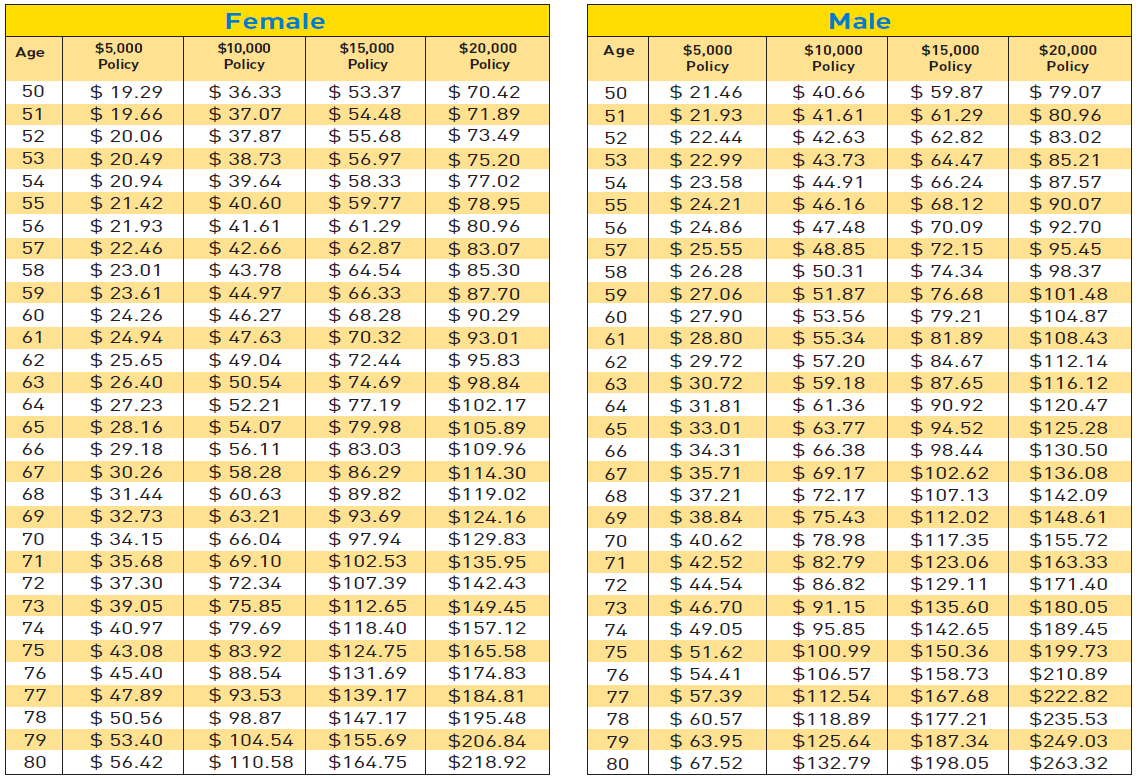
Colonial Penn’s whole life insurance program is specifically marketed to older adults who seek guaranteed coverage without the hurdle of a medical examination. At age 75, applicants often prioritize simplicity and immediate acceptance; however, this product’s unique structure involves graded benefits and specific premium tiers that require careful financial consideration before enrollment.
Understanding the Colonial Penn Product Structure
Colonial Penn, a brand owned by Bankers Life and Casualty Company, focuses its marketing efforts on the "Guaranteed Acceptance" model. For a 75-year-old, this typically means that as long as the applicant falls within the eligible age range (usually 50 to 85) and resides in a state where the policy is available, they will not be denied coverage based on their health history.
Unlike traditional whole life insurance policies that require underwriting—where a medical examiner reviews your records and potentially conducts blood tests—this policy bypasses these requirements entirely. This is a significant feature for seniors who may have pre-existing conditions that would disqualify them from standard insurance plans. However, this convenience comes with trade-offs. The most prominent feature is the "unit" system. Instead of selecting a specific face value, such as $25,000, you purchase "units" of coverage. The cash value and death benefit of these units are determined by your age, gender, and state of residence at the time of purchase.
The Graded Benefit Clause
For a 75-year-old considering Colonial Penn, it is critical to understand the concept of a "graded" death benefit. Many guaranteed acceptance policies do not pay the full face value if the insured passes away within the first two or three years of the policy’s life, unless the cause of death is accidental.
If you die of natural causes during this initial period, the policy usually pays out only a return of premiums paid plus a small percentage of interest. It is essential to consult your specific policy documents, as the waiting period varies by state law. If you are seeking immediate, full-coverage protection for final expenses, this waiting period acts as a significant constraint that must be weighed against the ease of application.
Financial Considerations at Age 75
At 75, the cost of life insurance is heavily influenced by mortality risk. Premiums for guaranteed acceptance policies are often higher per thousand dollars of coverage compared to medically underwritten plans. Because the insurer is taking on the risk of insuring individuals without knowing their health status, the premiums are priced to offset that uncertainty.
When reviewing the cost, consider the total amount you will pay over the next 10 to 15 years compared to the death benefit provided. In many cases, if a 75-year-old lives well into their 90s, the total cumulative premiums paid might exceed the death benefit payout. This does not necessarily make the policy a "bad" investment, but it shifts its purpose from a traditional wealth transfer tool to a specific vehicle for covering immediate end-of-life expenses, such as funeral costs or outstanding medical bills.
Comparing Guaranteed Acceptance vs. Simplified Issue
To evaluate the suitability of Colonial Penn, one must understand how it stacks up against other life insurance types available to seniors.
| Feature | Guaranteed Acceptance (Colonial Penn) | Simplified Issue Whole Life |
|---|---|---|
| Medical Exam | None | None |
| Health Questions | None | 3–10 basic health questions |
| Acceptance | Guaranteed | Conditional on health answers |
| Waiting Period | Typically 2 years (graded) | Usually immediate |
| Death Benefit | Fixed by unit | Usually higher potential |
For a 75-year-old in relatively good health, "Simplified Issue" policies—which ask a few health questions but do not require a medical exam—may offer better value. These policies often provide immediate full coverage from day one. Colonial Penn’s primary advantage is for those who would be declined even by simplified issue carriers due to severe chronic conditions.
Prerequisites and Eligibility
Before starting the application process, you must verify your eligibility. Colonial Penn operates under state-specific licenses. While they are available in most U.S. states, there are variations in the policy forms, pricing, and availability.
- Age Verification: You must be within the company's designated age window (50–85).
- Residency: You must be a legal resident of a state where the policy is authorized.
- Capacity: As the applicant, you must be the person being insured. If you are applying on behalf of a parent or relative, you must ensure they have the legal capacity to enter into a contract, and you must have an "insurable interest" in the individual.
- Payment Method: The company typically requires automatic bank withdrawals for monthly premium payments.
The Application Process: What to Expect
The process is designed for convenience, often handled through direct mail or online portals.
- Phase 1: Information Gathering: You select the number of units you wish to purchase based on the premium you can afford.
- Phase 2: Enrollment: You provide personal identification information and banking details for premium payments.
- Phase 3: Issuance: Once the application is submitted and the first premium is processed, the policy is generally issued shortly thereafter. There is no waiting for an underwriter to review your file.
- Phase 4: Review Period: After receiving the policy documents, you typically have a "free-look" period (usually 10–30 days, depending on your state) to review the terms. If you decide the coverage does not meet your needs, you can cancel the policy during this time for a full refund of any premiums paid.
Potential Drawbacks and Limitations
Every financial product has limitations, and for a 75-year-old, these should be examined clearly:
- Premium Stagnation: While the premiums are generally level, the face value of the policy is also fixed. Inflation may erode the purchasing power of that death benefit over time. A benefit that covers a $10,000 funeral today may not cover the same services in ten years.
- Lack of Flexibility: Once you are locked into the unit-based system, it is difficult to adjust coverage without opening a new policy.
- Comparison to Alternatives: Many seniors fail to realize that even with minor health issues, they might qualify for "graded" or "modified" whole life plans from other carriers that may offer a higher death benefit for the same monthly premium.
FAQ: Common Questions for Seniors
1. Is my coverage cancelled if I develop a health condition later? No. Once the policy is in force, it is a "guaranteed renewability" contract. As long as you pay your premiums on time, the company cannot cancel your coverage or raise your rates, regardless of changes in your health status.
2. Can I use this for anything other than funeral expenses? Yes. The payout from a whole life insurance policy is paid to your designated beneficiary. They can use the money for funeral costs, debts, taxes, or any other purpose they deem necessary.
3. What happens if I miss a premium payment? There is typically a grace period (usually 30 or 31 days) to catch up on missed payments. If you do not pay during the grace period, the policy will lapse, and the coverage will terminate.
4. Does the death benefit decrease as I get older? No. With a whole life policy, the death benefit remains level for the duration of the policy, provided the premiums are paid.
5. Should I buy multiple units? You can purchase multiple units to increase your total death benefit, but you should calculate the total monthly premium to ensure it remains sustainable on a fixed retirement income.
Final Recommendation for the 75-Year-Old Applicant
If you are 75 and have significant health issues that make you uninsurable with other companies, Colonial Penn provides a reliable way to secure a modest amount of death benefit for final expenses without the stress of a medical exam.
However, before you commit, perform a simple "due diligence" check. Contact at least one or two other reputable life insurance carriers and request a quote for a "Simplified Issue Whole Life" policy. If those companies offer you a lower premium for a higher face value—and you can answer "no" to their few health questions—that would be a more efficient financial path. Always keep a copy of your policy in a location accessible to your executor or beneficiaries, as the speed of a claim depends largely on your family knowing that the policy exists and how to contact the company when the time comes.