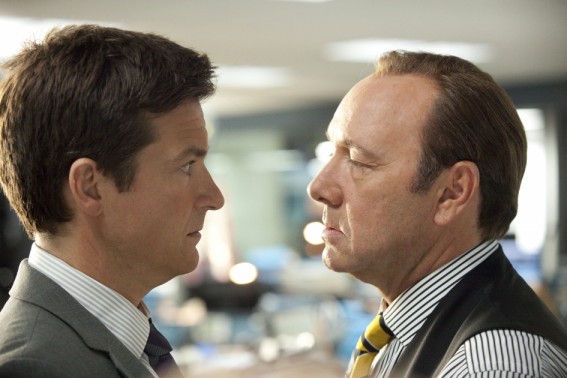
The primary reason there is no Horrible Bosses 3 as of 2026 is a significant decline in box office performance and critical reception for the second installment, compounded by a lack of creative momentum from the lead cast. While the original 2011 film was a financial and cultural success, the 2014 sequel failed to capture the same audience enthusiasm, effectively stalling the franchise's trajectory.
The Financial Disparity Between Two Films
To understand why a third film has not materialized, one must first look at the economics of the franchise. Horrible Bosses (2011) was produced on a budget of approximately $35 million. It was a breakout hit for Warner Bros., grossing over $209 million worldwide. The formula—a dark, R-rated comedy featuring an ensemble of recognizable stars like Jason Bateman, Charlie Day, and Jason Sudeikis—was fresh and resonated with audiences looking for an "office-from-hell" comedy.
However, the sequel, Horrible Bosses 2 (2014), encountered the common pitfall of diminishing returns. Despite bringing back the core trio and adding high-profile actors like Christoph Waltz and Chris Pine, the film’s budget increased to roughly $42 million, but its global box office revenue dropped significantly to approximately $107 million. In the film industry, a sequel that earns less than half of its predecessor is rarely viewed as a candidate for a trilogy. By 2026, the data confirms that studio investment in original intellectual property or high-concept comedy has shifted, making a return to this specific project financially unattractive for major distributors.
The Problem of Diminishing Creative Returns
Beyond the raw numbers, the creative consensus played a pivotal role in the series' stagnation. The first film benefited from a tight script and the novelty of its premise: three employees conspiring to kill their respective tormentors. This "high-concept" hook provided clear stakes and allowed the cast to lean into their archetypal performances.
When the second film shifted the plot to the trio starting their own business and dealing with a kidnapping scheme, it moved away from the core premise that defined the title Horrible Bosses. Critics and audiences alike felt that the sequel lacked the sharp, character-driven humor of the first, relying instead on increasingly frantic scenarios that felt disconnected from the grounded, relatable premise of workplace frustration. Without a compelling narrative reason to bring these characters back together, the creative team has essentially moved on.
The Cast and Scheduling Constraints
The lead actors—Jason Bateman, Charlie Day, and Jason Sudeikis—have seen their careers evolve significantly since 2014. In 2026, each of these actors has established significant footprints in television production, directing, and other film projects.
- Jason Bateman: Known for his work as a director and executive producer, his time is heavily committed to high-budget streaming projects and independent production.
- Charlie Day: Frequently involved in long-running television commitments and voice acting roles, his schedule is often locked years in advance.
- Jason Sudeikis: Following the massive, multi-year success of his television projects, his career focus shifted toward high-profile creative control roles.
For a studio to secure all three for Horrible Bosses 3, they would need to align three extremely busy schedules, pay high talent fees that might not be justified by the projected box office, and convince them that the script warrants their time. As of 2026, there has been no public evidence of such a alignment or interest from the core talent involved.
The Changing Landscape of R-Rated Comedy
The landscape for mid-budget, R-rated studio comedies underwent a transformation between 2014 and 2026. During the early 2010s, films like Horrible Bosses and The Hangover were staples of the cinema experience. However, the rise of streaming platforms and changing theatrical consumption habits have made it increasingly difficult for "raunchy" comedies to secure wide theatrical releases.
Studios are now more cautious about mid-budget films that do not have built-in franchise power or specific demographic appeal. Horrible Bosses does not have a "fandom" that sustains itself through merchandise, conventions, or persistent social media relevance. Without that "cult" status, the studio has little incentive to revive the property.
Comparative Analysis of Comedy Sequels
To better understand why Horrible Bosses 3 remains unproduced, it is helpful to compare it against other comedies from the same era that faced similar hurdles.
| Film Series | Status as of 2026 | Primary Reason for Stasis |
|---|---|---|
| Horrible Bosses | Dormant | Box office decline, lack of creative hook. |
| The Hangover | Concluded | Story completion and diminishing returns. |
| Step Brothers | No Sequel | Creative disinterest from lead actors/directors. |
| Anchorman | Concluded | Aging premise and shifting comedic trends. |
As shown in the table, most successful comedies of that era either concluded after a set number of films or failed to spark interest in further installments due to the high barrier of reuniting original cast members and capturing the same audience lightning twice.
FAQ: Addressing Common Misconceptions
1. Is there an official cancellation announcement for Horrible Bosses 3? There is no "cancellation" in the sense of a project that was actively in development and then stopped. Instead, the project simply never entered active development after the release of the second film. It remains in an indefinite state of inactivity, common for films that underperform.
2. Could a reboot or a spin-off happen instead? While anything is possible in Hollywood, there is no verified information or official word regarding a reboot. Given that the brand is closely tied to the specific chemistry of the original trio, a reboot would likely face significant skepticism from the audience that remembers the first two films.
3. Did the director or producers ever discuss a third film? Following the 2014 release, members of the cast and production team occasionally fielded questions about a potential third movie. However, these responses were generally non-committal or humorous, suggesting that no concrete script or plan existed at the time. Over the years, the conversation has largely faded.
4. Where can I watch the first two films in 2026? The Horrible Bosses films are distributed under the Warner Bros. banner. You can typically find them on various subscription video-on-demand (SVOD) platforms or available for digital rental/purchase on major platforms. Check your local region's current licensing agreements, as these rotate monthly.
Practical Steps for Fans of the Genre
If you are looking for content similar to Horrible Bosses in 2026, the best approach is to look for films from the same creative teams or directors rather than waiting for a sequel.
- Follow the Talent: Search for recent projects by the directors or writers of Horrible Bosses. They often maintain a consistent comedic "voice" across different films.
- Explore Ensemble Comedies: Look for R-rated ensemble comedies produced in the last 24 months, as these are more likely to reflect the current comedic sensibilities of the industry.
- Check Film Portfolios: Use professional databases like IMDb or official studio press sites to see if any of the main cast members have upcoming projects that share a similar genre or tone.
Conclusion and Current Status
In 2026, the status of Horrible Bosses 3 remains unchanged: it is not in production, not in development, and there are no credible reports suggesting it will be revisited. The combination of declining box office results, the natural evolution of the lead actors' careers, and a broader shift in the theatrical market makes the likelihood of a third film effectively non-existent. Fans of the franchise are better served revisiting the original 2011 film, which stands as a completed, self-contained story within its genre.