The Rian Johnson-directed Knives Out franchise, consisting of the original 2019 film Knives Out and its 2022 sequel Glass Onion: A Knives Out Mystery, maintains a consistent feature-length structure common to modern mystery thrillers. The first film, Knives Out, has an official runtime of 130 minutes (2 hours and 10 minutes), while the sequel, Glass Onion, runs for 139 minutes (2 hours and 19 minutes), placing both squarely in the standard two-hour-plus category for major studio whodunits.
Analyzing the Runtime of the Knives Out Franchise
When evaluating the length of films in the Knives Out series, it is essential to consider the narrative demands of the genre. The traditional whodunit—a subgenre of crime fiction characterized by a complex puzzle, a closed circle of suspects, and a detective who unmasks the culprit—requires significant time for character development, the presentation of clues, and the eventual deduction sequence.
1. Knives Out (2019)
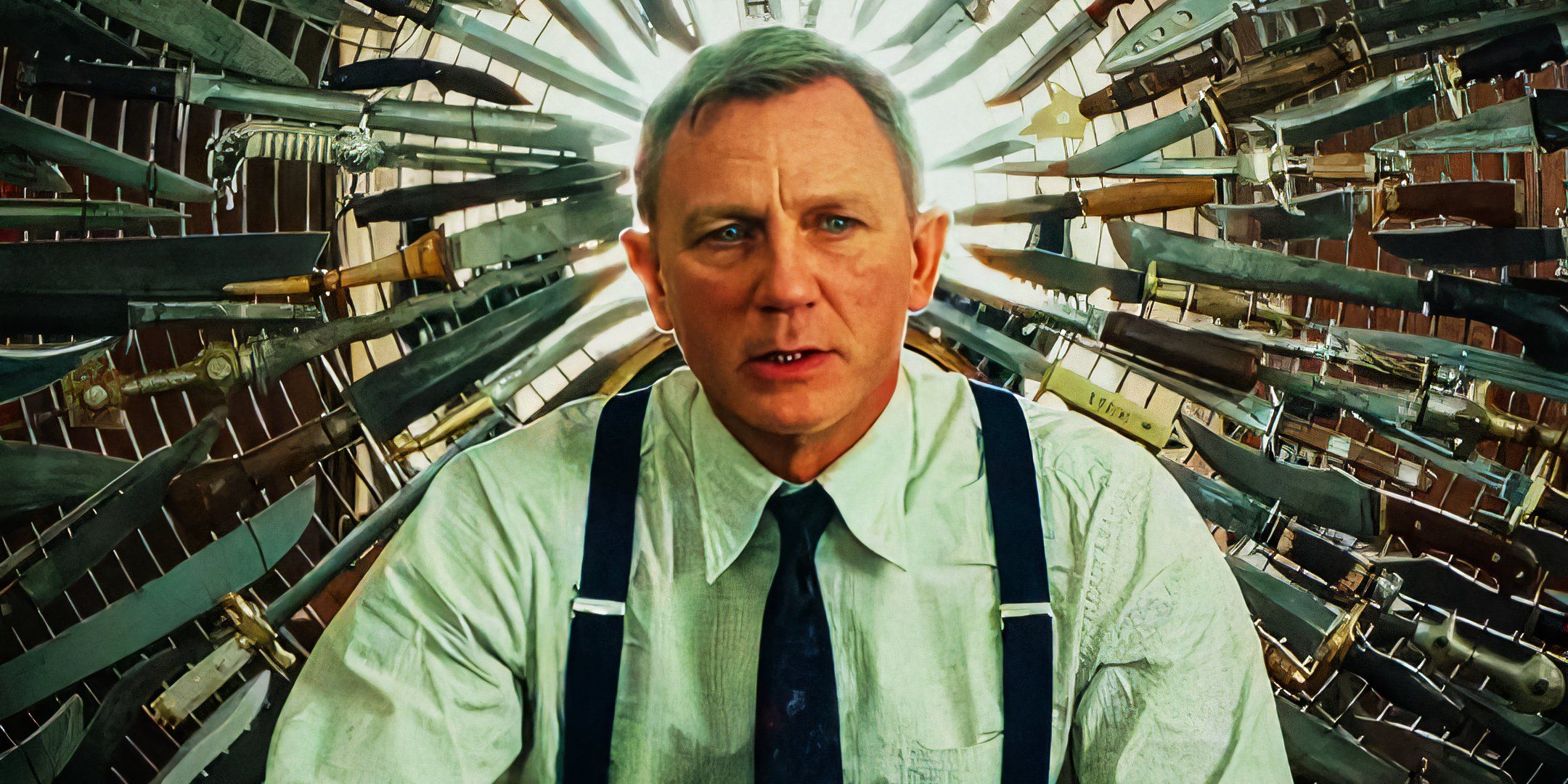
The original Knives Out film, distributed by Lionsgate, serves as a subversion of the classic Agatha Christie-style mystery. At 130 minutes, the film provides ample space to establish the eccentric Thrombey family, introduce the protagonist Marta Cabrera, and allow Benoit Blanc (Daniel Craig) to conduct his investigation. The pacing is deliberate, utilizing the first act to establish the death of Harlan Thrombey and the subsequent acts to unravel the layers of deception. By the time the film hits the two-hour mark, the narrative has shifted through multiple perspectives, a requirement that necessitates a longer runtime to avoid feeling rushed.
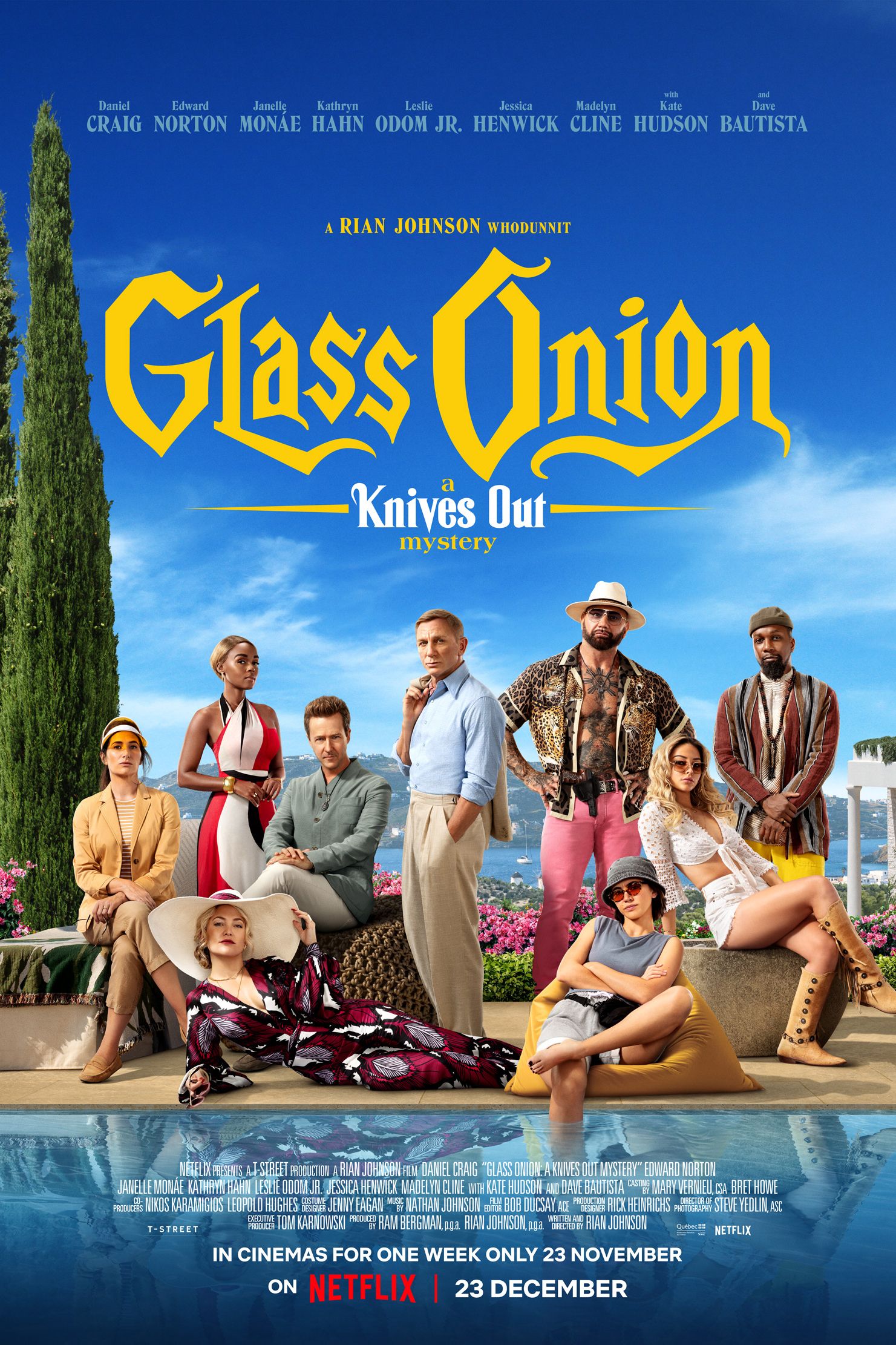
2. Glass Onion: A Knives Out Mystery (2022)
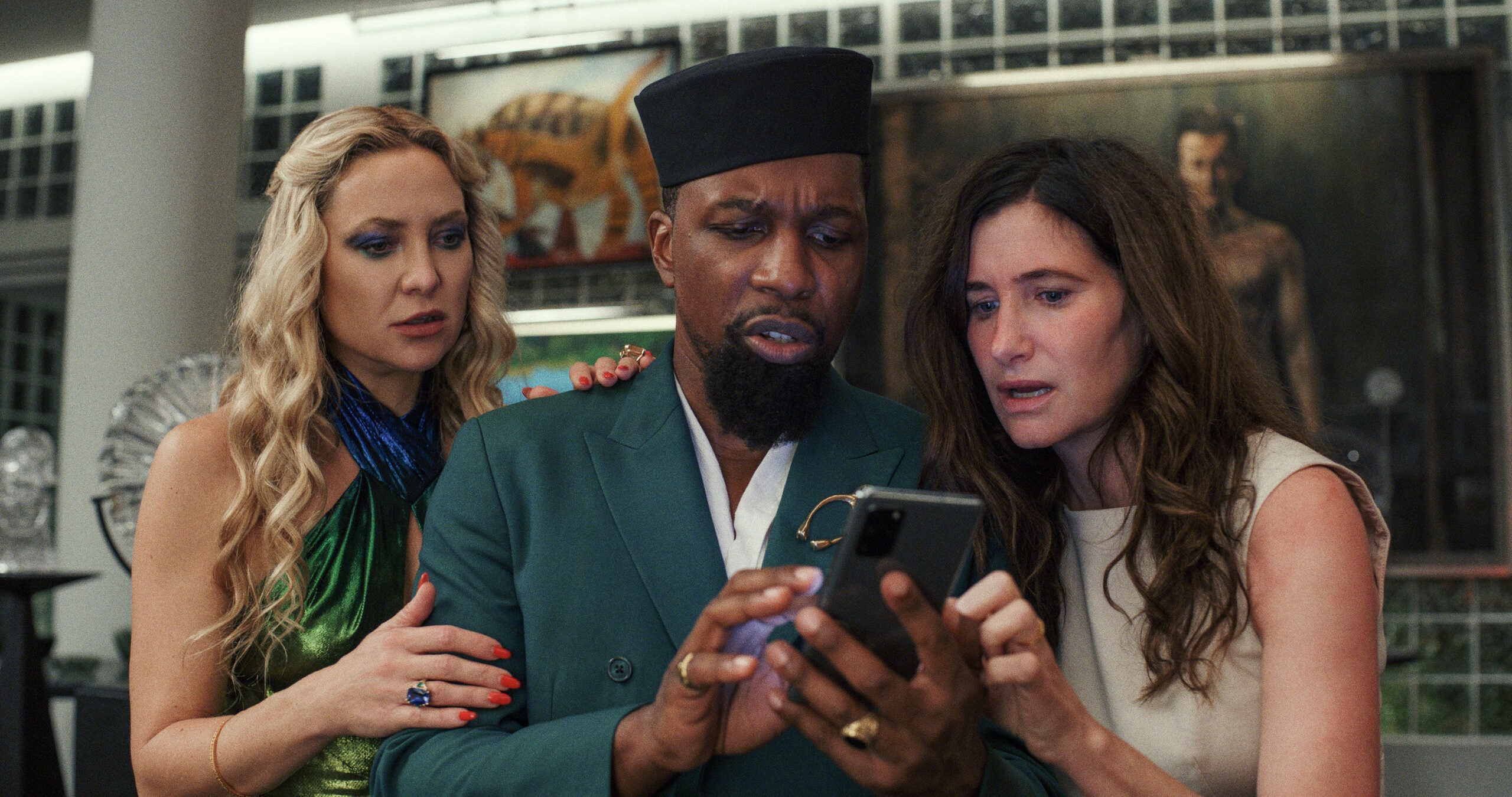
Released by Netflix, Glass Onion extends the length slightly to 139 minutes. This runtime increase reflects the expanded scope of the film, which moves the setting from a contained Massachusetts estate to a private island in Greece. The narrative structure of Glass Onion is arguably more complex than its predecessor, incorporating significant flashbacks and a mid-film perspective shift that recontextualizes everything the audience has witnessed up to that point. The extra nine minutes compared to the first film are largely dedicated to this structural complexity and the world-building required for a larger, more visually distinct ensemble cast.
Comparative Overview of Runtime and Narrative Structure
The following table provides a direct comparison of the runtime and production context for both entries in the franchise.
| Film Title | Release Year | Runtime (Minutes) | Runtime (Hours/Minutes) | Primary Setting |
|---|---|---|---|---|
| Knives Out | 2019 | 130 | 2h 10m | Massachusetts, USA |
| Glass Onion | 2022 | 139 | 2h 19m | Private Island, Greece |
Why Runtime Matters in Modern Mystery Films
The pacing of a mystery film is dictated by the "detective's reveal," a moment where the complexity of the crime is synthesized into a coherent narrative for the audience. If a mystery film is too short, the audience may feel the solution is unearned or the clues were not properly seeded. If it is too long, the suspense may dissipate.
In the Knives Out series, Rian Johnson utilizes the runtime to balance character-driven comedy with the mechanical requirements of the mystery genre. The duration of these films allows for:
- Ensemble Characterization: With large casts—often featuring 8 to 12 primary suspects—each individual must have enough screen time to establish their potential motive, means, and opportunity.
- The "Double-Back": Both films utilize a technique where the timeline is re-examined. This requires a longer runtime because the film must show the same events from different viewpoints without losing the audience's attention.
- Atmospheric Pacing: The visual design of these films is central to their appeal. Whether it is the autumn-hued, cluttered aesthetic of the Thrombey mansion or the ultra-modern, art-heavy glass structure in Glass Onion, the films prioritize visual storytelling which inherently takes more time than a dialogue-only reveal.
Production and Exhibition Standards
From a technical perspective, a runtime between 130 and 140 minutes is considered "the sweet spot" for major motion pictures. This length fits within standard theatrical exhibition schedules, allowing theaters to plan for four to five screenings per day while still providing enough content to justify premium ticket prices.
For viewers watching these films on streaming platforms, the runtime is equally important. Netflix, which holds the rights to the Knives Out series for current and future installments, treats these films as "tentpole" events. The length reinforces the perception of high production value. Because these films are structured as complete, self-contained stories, the 130-139 minute window allows for a complete narrative arc without the need for intermissions or multi-part splits.
Common Misconceptions Regarding Film Runtime
Viewers often confuse "runtime" with "total duration including credits." In professional film metadata, the runtime usually includes the final sequence and the closing credits, which typically last between 5 and 8 minutes. If you are timing your viewing, it is recommended to budget for an extra 10 minutes beyond the official runtime to account for the opening logos and closing production credits.
Furthermore, there is a common belief that sequels must be longer than the originals. While Glass Onion is indeed longer, this was a result of narrative necessity rather than a rule of production. The complexity of the island setting and the specific nature of the puzzle in the second film required more "breathing room" for the exposition scenes, specifically the sequence where Benoit Blanc explains the mechanics of the crime to the other characters.
Technical Considerations for Home Viewing
When planning to watch the Knives Out series at home in 2026, ensure your playback environment is optimized for the intended length. Because these films rely on intricate dialogue and subtle auditory cues, a high-quality sound system is often more beneficial than a massive screen.
- Pacing the Viewing: Since the films are over two hours, many viewers find it helpful to engage with them as a theatrical-style experience, minimizing interruptions to maintain the continuity of the clues being presented.
- Subtitle Utility: Given the rapid-fire dialogue and the ensemble nature of the cast, utilizing subtitles can assist in tracking character names and subtle plot points that are essential for solving the mystery along with the detective.
Frequently Asked Questions
Are there any extended cuts or director's cuts for the Knives Out films?
No. As of 2026, there are no official director's cuts or extended versions of Knives Out or Glass Onion. Both films were released in their intended theatrical or streaming lengths, and Rian Johnson has consistently stated that the final cuts reflect his complete vision for the stories.
Does the runtime include the mid-credits or post-credits scenes?
Both films are self-contained. Any mid-credits or post-credits sequences are included in the total official runtime of 130 and 139 minutes respectively. Neither film features significant post-credits scenes that alter the plot, as they are designed to provide a definitive resolution to the mystery within the main body of the film.
Why do these films feel shorter than other mysteries of similar length?
The pacing in the Knives Out franchise is intentionally fast. Rian Johnson employs quick editing, frequent shifts in location, and a "ticking clock" element to ensure that even at 139 minutes, the film does not experience a sag in the middle act. The high volume of dialogue and constant introduction of new information keeps the audience mentally engaged.
Are the upcoming sequels expected to maintain this 2+ hour length?
While official runtimes for future projects are not determined until the final editing phase, the nature of the genre suggests they will likely fall into the 120–140 minute range. This length has become a stylistic hallmark of the series and a key component of its brand identity.
Does the resolution of the mystery take up a large portion of the runtime?
Yes. Both films dedicate a significant amount of the final act to the "reveal." In Knives Out, the explanation sequence is approximately 15 minutes, and in Glass Onion, the explanation is similarly detailed. This is standard for the genre to ensure every clue planted throughout the film is accounted for by the protagonist.
Final Recommendation
If you are planning to watch the Knives Out series, treat it as a dedicated viewing experience. Because the films rely on complex, interconnected details and subtle character beats, avoid multitasking during the first 30 minutes of each film, as this is when the foundational clues are established. If you are comparing them based on length, budget 2 hours and 15 minutes for the first film and 2 hours and 20 minutes for the second to ensure you have time to see the conclusion in its entirety without disruption.