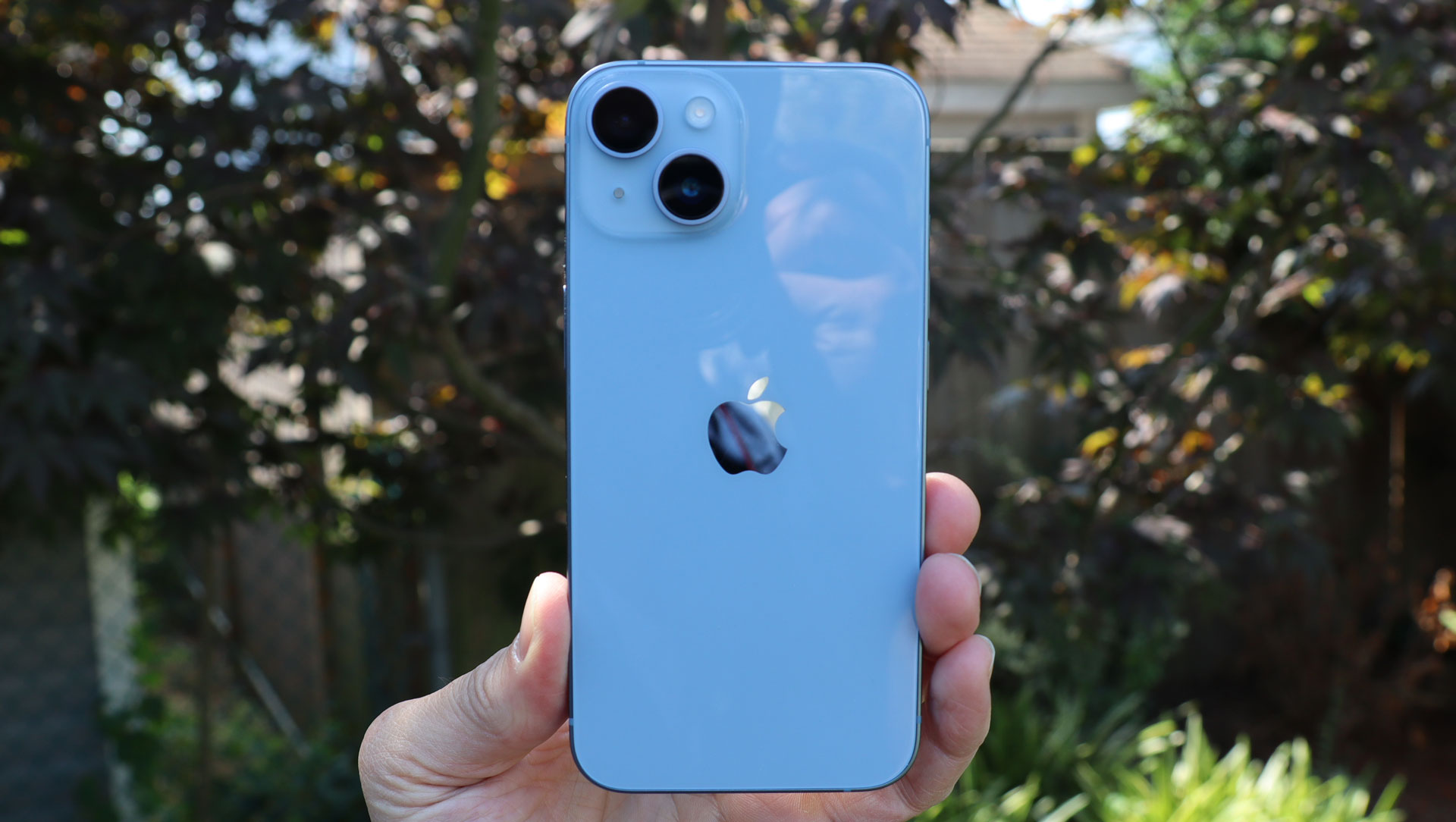
The defining structural material shaping the standard iPhone 14 is aerospace-grade aluminum, a choice that dictates the device's lightweight ergonomics, thermal dissipation properties, and aesthetic finish. While the iPhone 14 lineup employs a sophisticated mix of glass and high-grade alloys, the aluminum frame serves as the core chassis, providing a balance of structural rigidity and weight reduction that distinguishes it from its Pro-tier stainless steel counterparts.
Understanding the Structural Architecture of the iPhone 14
When examining the construction of the iPhone 14, it is essential to distinguish between the standard model and the Pro series. The iPhone 14 utilizes a 6000-series aluminum alloy, selected specifically for its industrial durability and ease of finishing. This material choice is a calculated decision by Apple to optimize the user experience through weight distribution. Unlike heavier materials, this aluminum alloy allows the device to feel substantial yet comfortable during prolonged use, a critical factor for a primary communications tool.
The frame is not merely a casing; it is the skeleton that supports the internal components. By utilizing aluminum, Apple achieves a high strength-to-weight ratio, allowing the chassis to resist bending and deformation under normal daily stresses while remaining significantly lighter than the surgical-grade stainless steel found on the iPhone 14 Pro. This structural integrity is paramount for housing the complex array of cameras, the A15 Bionic chip, and the lithium-ion battery system, ensuring that delicate internal components remain isolated from the physical rigors of a mobile lifestyle.
The Role of Aerospace-Grade Aluminum in Design
The term "aerospace-grade" refers to the specific tempering and composition of the aluminum alloy used in the iPhone 14. This alloy is favored in high-performance manufacturing because of its resistance to corrosion and its ability to be anodized. Anodization is an electrochemical process that creates a protective oxide layer on the surface of the aluminum, which is then dyed to achieve the distinct color finishes—Midnight, Starlight, Blue, Purple, and (PRODUCT)RED—offered on the base model.
Beyond aesthetics, this material provides critical thermal management. Aluminum is an excellent conductor of heat, which allows it to act as a passive heat sink for the device's processor. As the A15 Bionic chip performs complex tasks—such as 4K video recording or sustained gaming—it generates heat. The frame helps dissipate this thermal energy away from the internal logic board, mitigating the risk of thermal throttling where the system slows down performance to prevent hardware damage.
Material Comparison: Aluminum vs. Other Options
The choice of aluminum in the iPhone 14 serves a specific market position. To understand why this material is central to the phone's identity, it is useful to compare it against the materials utilized in other Apple hardware generations and tiers.
| Material | Primary Advantage | Typical Application | Weight Profile |
|---|---|---|---|
| 6000-Series Aluminum | Lightweight & Efficient | iPhone 14 / iPhone 13 | Low |
| Surgical-Grade Stainless Steel | High Polish & Rigidity | iPhone 14 Pro / Pro Max | High |
| Grade 5 Titanium | Extreme Durability | iPhone 15 Pro and later | Medium |
| Ceramic Shield Glass | Scratch Resistance | Display Surface | Brittle/Hard |
As shown in the table above, the aluminum frame is optimized for weight efficiency. While stainless steel offers a denser, more premium-feeling heft and increased resistance to deep scuffs, it introduces a "top-heavy" feel that many users find fatiguing. The aluminum chosen for the iPhone 14 represents the pinnacle of "everyday" material science, prioritizing balance and portability over the industrial, dense feel of the higher-tier Pro models.
Secondary Materials: The Complementary Components
While aluminum forms the structural frame, the iPhone 14 cannot be discussed without addressing the materials that work in tandem with it. The front and back of the device are composed of advanced glass, which is chemically strengthened through a process involving ion exchange. This "Ceramic Shield" involves infusing glass with nanoceramic crystals, which are harder than most metals.
The interaction between the aluminum frame and the glass panels is a marvel of precision engineering. Apple employs advanced adhesives and rubberized seals between the aluminum rim and the glass edges to maintain the device's IP68 water and dust resistance rating. Without the consistent physical tolerances of the aluminum frame, the seal between these materials would fail, compromising the device's durability against environmental hazards.
Environmental Impact and Sustainability
A significant factor in the selection of materials for the iPhone 14 is the move toward circular manufacturing. In 2026, the legacy of the iPhone 14 remains relevant as a case study in sustainable design. The aluminum used in the iPhone 14 is largely sourced from recycled content. By leveraging recycled aluminum, Apple reduces the energy-intensive process of smelting primary aluminum from bauxite ore.
Furthermore, the modularity of the frame design allows for more efficient recovery of components during the recycling process. The ability to separate the aluminum housing from the display glass and the internal battery is a key feature of the iPhone 14’s internal design, which aligns with modern right-to-repair and environmental sustainability directives.
Practical Maintenance and Care
For the end user, understanding that the core material is aluminum is beneficial for long-term care. Aluminum is a softer metal compared to stainless steel or titanium, meaning it can show signs of wear, such as micro-abrasions or small dings, if the device is dropped against abrasive surfaces like concrete or asphalt.
To maintain the structural and aesthetic integrity of the iPhone 14:
- Case Usage: Using a silicone or polycarbonate case provides a protective buffer that prevents direct impact to the aluminum rim, which is the most vulnerable part of the chassis.
- Cleaning: Since the frame is anodized, avoid using abrasive cleaning pads or harsh chemical solvents. A soft, lint-free microfiber cloth is sufficient to remove oils and debris that might cause long-term cosmetic degradation.
- Avoid Point Pressure: Because aluminum has a degree of ductility, subjecting the frame to extreme point pressure—such as keeping the phone in a tight back pocket while sitting—can lead to subtle bending, which may eventually break the hermetic seal of the glass panels.
Frequently Asked Questions
Does the aluminum frame affect signal reception? No. Unlike metal frames of the past that could interfere with cellular antennas, the aluminum in the iPhone 14 is precision-engineered to work with the device's internal antenna bands. The frame is segmented by non-conductive strips, allowing radio frequency signals to pass through the housing unimpeded.
Is the aluminum on the iPhone 14 prone to rusting? Aluminum does not rust in the way iron-based metals do. While it can oxidize if exposed to severe chemical environments, the anodization process creates an inert, protective layer that makes the iPhone 14 highly resistant to corrosion from sweat, water, and humidity.
Why does the iPhone 14 feel lighter than the Pro model? The weight difference is almost entirely due to the materials. The Pro model uses a dense stainless steel frame, which is significantly heavier than the 6000-series aluminum used in the standard iPhone 14. This weight difference is intentional to offer users a choice between "portable" and "premium/heavy" hardware.
Can the aluminum frame be repaired if it dents? In most cases, a dented or deformed aluminum frame requires a full housing replacement. Because the frame serves as the chassis for the screen and internal components, straightening a bent frame is generally not recommended as it may cause invisible fractures in the glass panels or internal circuit boards.
Does the color on the aluminum frame chip off? The color is not a painted coating; it is the result of anodization, which changes the surface structure of the aluminum itself. While it is highly durable, deep scratches can expose the natural silver color of the underlying aluminum, which may appear as a "chip" to the naked eye.
Final Recommendations for Owners
If you currently own or are evaluating the iPhone 14, prioritize the use of a high-quality, impact-absorbing case. While the aerospace-grade aluminum is highly durable, it serves as the foundation for the entire device; protecting the frame is the best way to ensure the long-term longevity of the glass, the internals, and the water-resistance seals. By treating the aluminum chassis with care, you maintain the structural health of your device for its intended operational lifespan.