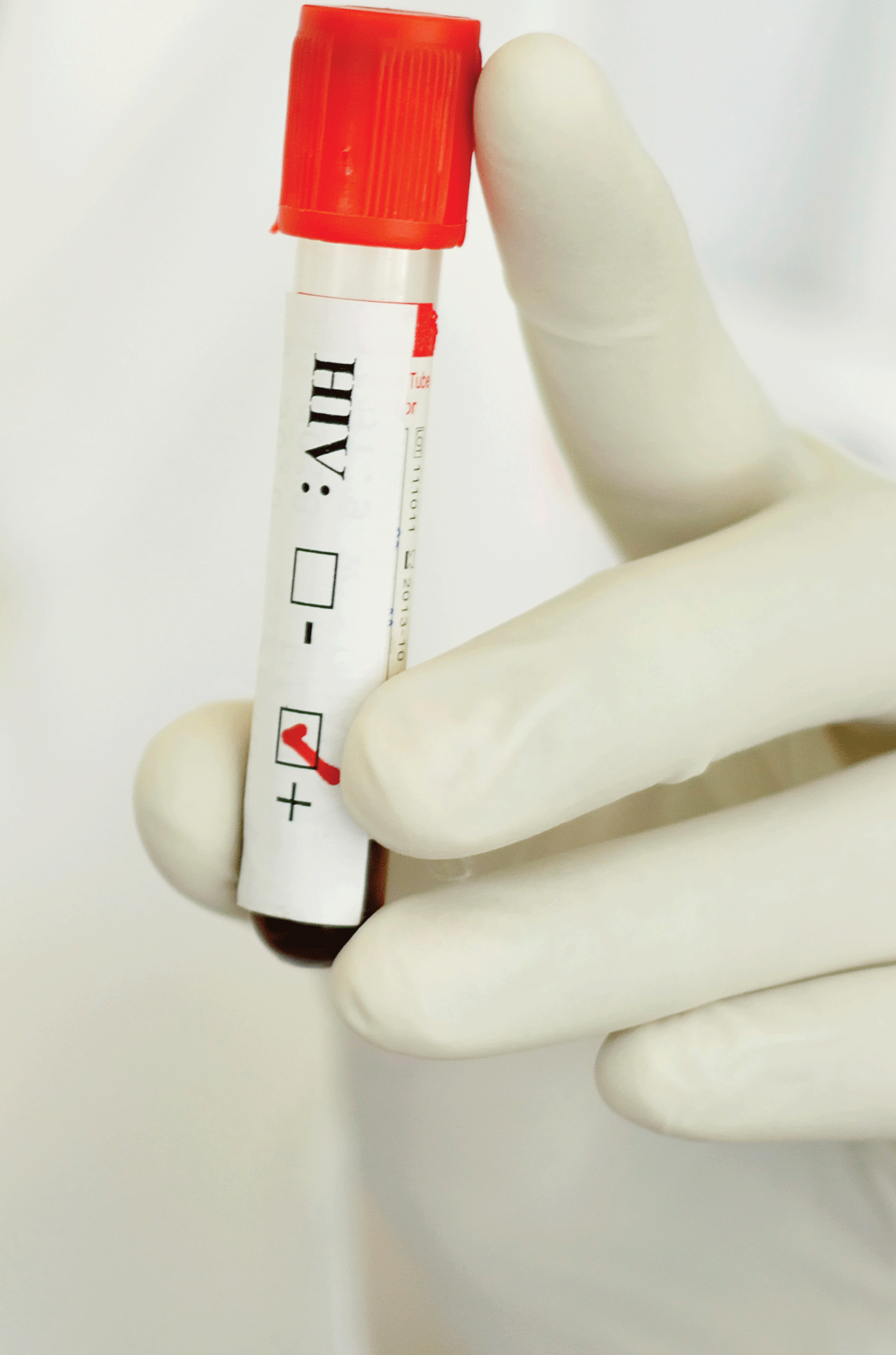
Accurate medical coding for HIV screening is essential for ensuring appropriate reimbursement, maintaining clinical compliance, and facilitating clear communication between healthcare providers and insurance payers. The primary code used for encounter for screening for human immunodeficiency virus (HIV) is Z11.4, which signifies that the patient has no symptoms and is undergoing a preventive examination to determine their HIV status.
In the complex landscape of medical billing, understanding the nuance of ICD-10-CM (International Classification of Diseases, 10th Revision, Clinical Modification) is a foundational skill for billers, coders, and clinical staff. While the code itself may appear straightforward, its application is governed by specific documentation requirements and payer-specific policies that determine whether a claim is accepted or denied.
The Role of Z11.4 in Clinical Documentation
The ICD-10-CM code Z11.4, "Encounter for screening for human immunodeficiency virus [HIV]," is categorized under "Encounters for screening for infectious and parasitic diseases." This category is explicitly reserved for individuals who present without signs or symptoms of the disease.
From a clinical documentation standpoint, this distinction is critical. If a patient presents with symptoms such as unexplained weight loss, night sweats, or persistent fever, the encounter may no longer qualify as a routine screening. In such cases, the clinician must document the symptoms, and the billing department must use diagnosis codes that reflect those specific symptoms (often found in the R-series of ICD-10 codes) or, if a provider suspects HIV, codes that reflect that suspicion, rather than a generic screening code.
Using Z11.4 when symptoms are present is considered a form of "upcoding" or improper coding, as it masks the true clinical nature of the visit. Conversely, failing to document the encounter as a screening when the intent is preventative can lead to denied claims under wellness benefit packages.
Distinguishing Screening vs. Diagnostic Encounters
One of the most frequent errors in coding for HIV testing is the confusion between screening and diagnostic testing. A screening is performed on an asymptomatic patient—often prompted by national guidelines, patient risk factors, or routine health maintenance schedules.
A diagnostic test, by contrast, is ordered because a provider has a reason to believe the patient may have an infection. This could be due to:
- A recent exposure event.
- Clinical manifestations consistent with HIV.
- The need to confirm a previous reactive screening test.
When an encounter is diagnostic, Z11.4 is generally not appropriate. Instead, coders should use the code for the condition being ruled out or the symptoms being investigated. For instance, if a patient is being tested due to a specific encounter with a known HIV-positive individual, the clinician should look to Z20.6 ("Contact with and (suspected) exposure to human immunodeficiency virus [HIV]").
Coding Hierarchy and Z-Code Usage
In the ICD-10-CM coding manual, Z-codes represent factors influencing health status and contact with health services. Z11.4 is a "first-listed" or "primary" diagnosis when the sole purpose of the visit is the screening. However, many healthcare systems and insurance payers require the reporting of secondary codes to provide a complete picture of the patient's risk profile.
For example, if a patient is receiving a routine HIV screening as part of a larger wellness examination, the preventive exam code (such as Z00.00 for a general adult medical examination) might be reported alongside Z11.4. It is essential to verify the order of these codes as mandated by the payer’s policy or the specific institutional billing manual for the year 2026.
Payer Requirements and Billing Compliance
While the ICD-10 code Z11.4 is universal, the reimbursement policies associated with it vary significantly between private insurers, Medicaid, and Medicare. In 2026, many payers emphasize preventative care, meaning they are mandated to cover HIV screening without cost-sharing for the patient under specific federal guidelines, such as those recommended by the U.S. Preventive Services Task Force (USPSTF).
To ensure successful reimbursement:
- Verification of Benefits: Always confirm if the patient's insurance plan covers routine HIV screening under their preventive care benefit.
- Modifier Usage: In some instances, a CPT modifier, such as Modifier 33 (Preventive Service), may be required to notify the payer that the test is being performed as part of a preventive service and should not be subject to co-pays or deductibles.
- Documentation of Risk: Even when performing a routine screening, many payers request that the clinician document the rationale for the screening (e.g., patient age, behavioral risk factors, or state-mandated screening programs).
Common Coding Challenges and Troubleshooting
Medical practices often face issues with claim rejections related to HIV screening. Below are common scenarios and how to address them:
| Scenario | Coding Action | Potential Issue |
|---|---|---|
| Routine screening, asymptomatic | Use Z11.4 as primary code | Denied if screening frequency exceeds policy limits. |
| Patient has symptoms | Use symptom-based codes (e.g., R-codes) | Denied if coded as routine Z11.4. |
| Post-exposure prophylaxis (PEP) | Use Z20.6 (Exposure) | Often requires specific authorization or state regulation. |
| Follow-up on reactive test | Use Z71.7 (Counseling) + diagnostic codes | Screening code (Z11.4) is no longer valid for a follow-up. |
If a claim is rejected, the first step is to review the "Explanation of Benefits" (EOB). Often, the rejection code will specify if the denial is due to "frequency limitations" (the test was performed too soon after a previous test) or "medical necessity" (the insurer believes the visit was diagnostic, not preventive).
Supporting Documentation and Clinical Guidelines
For a medical record to support the use of Z11.4, it must be clear that the provider offered the test, the patient consented, and the patient was not presenting with active HIV-related complaints. Documentation should ideally include:
- A brief statement indicating that the screening was discussed and offered.
- Whether the patient accepted or declined the screening.
- The results of the test once received.
- The communication plan for delivering results to the patient.
By adhering to these documentation standards, providers protect their practices from audits and ensure that patients receive the benefits to which they are entitled under their insurance plans.
Frequently Asked Questions (FAQ)
1. Can I use Z11.4 if the patient has a history of HIV? No. Z11.4 is strictly for screening individuals who do not have a known HIV-positive status. If a patient is HIV-positive, you must use the appropriate code for HIV infection (typically B20) to manage the chronic condition and document the patient's care.
2. Does Z11.4 cover all types of HIV tests? The code Z11.4 is a diagnosis code that describes the reason for the visit. It does not dictate the specific laboratory test performed. The laboratory services must be billed with the appropriate CPT codes (e.g., 87389 for HIV-1/2 antigen/antibody combination assay) to match the documentation.
3. What happens if a screening test comes back reactive? The initial screening visit is coded with Z11.4. Once the result is reactive, the patient enters a diagnostic phase. Subsequent tests to confirm the status are considered diagnostic, not screening, and should not be coded with Z11.4.
4. Are there age restrictions for using Z11.4? While the ICD-10 manual does not set specific age restrictions, many insurance plans have internal policies regarding the age range for "routine" HIV screening. Always check the specific clinical policy for the patient’s health plan.
5. Is Z11.4 enough to satisfy the "preventive" requirement for billing? While Z11.4 is necessary, it is not always sufficient. Many payers require the accompanying CPT code to be paired with a diagnosis code that specifically triggers the "preventive" logic in their system. Always consult the specific billing guide for your EHR and clearinghouse.
Practical Next Steps for Medical Staff
To maintain compliance and maximize the efficiency of your billing cycle:
- Conduct a Quarterly Audit: Review a random sample of claims billed with Z11.4. Ensure that the clinical notes support the "asymptomatic" status of the patient.
- Update Billing Templates: Ensure your Electronic Health Record (EHR) templates have a clear distinction between "Preventive/Routine Screening" and "Diagnostic Testing."
- Review Payer Guidelines: Since payer policies evolve, designate a member of your billing team to review the HIV-related coverage policies for your top five payers at the start of each year.
- Patient Education: Clearly explain to patients that while the test is billed as a "screening," the insurance plan’s rules regarding frequency and coverage will dictate whether they face any out-of-pocket costs.
By consistently applying these practices, you can ensure that your billing department effectively captures the services provided while maintaining the highest levels of accuracy and compliance in your medical documentation.