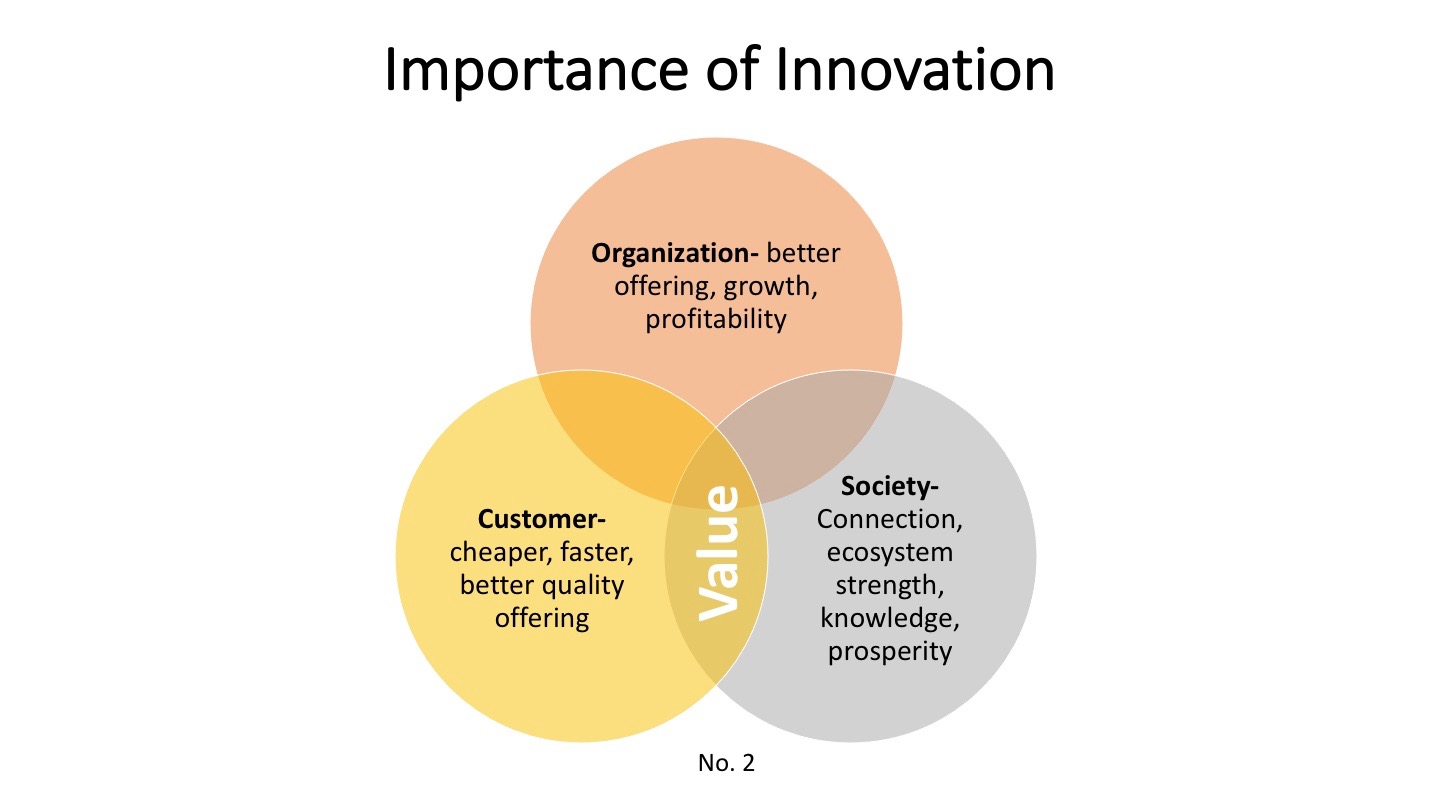
In the 2026 corporate landscape, the most effective synonym for innovation depends entirely on the desired outcome, but Digital Transformation, Value Creation, and Operational Modernization have emerged as the primary replacements. While "innovation" describes the spark of an idea, these synonyms describe the measurable, scalable execution required in modern enterprise environments.
The term "innovation" has suffered from significant semantic inflation over the last decade. By 2026, many executive boards and stakeholders view the word with skepticism, often associating it with "innovation theater"—high-concept projects that fail to deliver tangible ROI. To communicate effectively in a professional setting, leaders must pivot toward language that is precise, actionable, and tied to specific business objectives. Choosing the right synonym requires an understanding of whether you are discussing a change in technology, a shift in business model, or an improvement in internal processes.
The Evolution of Enterprise Terminology in 2026
To understand why a synonym for innovation is necessary, one must look at the linguistic shift in corporate communications. In the early 2020s, "innovation" was a catch-all term for anything new. However, as of 2026, the enterprise world has moved toward a "results-first" nomenclature. Organizations no longer seek "innovation" for its own sake; they seek specific forms of progress that provide competitive advantages in an AI-saturated market.
Language functions as a tool for alignment. When a Chief Information Officer (CIO) speaks of "innovation" to a board of directors, the board may hear "unbudgeted experimentation." Conversely, if the CIO uses a term like Strategic Evolution or Technical Debt Remediation, the conversation shifts toward long-term stability and market positioning. The goal of finding a synonym is not merely to avoid a cliché but to provide clarity that drives decision-making.
Why "Innovation" Lost Its Edge
The primary issue with the word innovation is its lack of specificity. It does not indicate the scale of change, the cost, or the expected impact. In 2026, where efficiency is prioritized due to the maturation of automated systems, vague terminology is increasingly replaced by "outcome-oriented" language. Enterprises now categorize "the new" into three distinct buckets: incremental improvements, structural shifts, and market disruptions.
Strategic Synonyms: The "Big Picture" Language
When discussing high-level shifts in how a company operates or competes, broad synonyms are required. These terms are best suited for annual reports, shareholder meetings, and long-term strategic planning.
Digital Transformation and Beyond
While "Digital Transformation" was once considered a trend, in 2026, it serves as a foundational synonym for innovation regarding infrastructure. It implies a total overhaul of legacy systems to embrace autonomous workflows and data-centric decision-making. If your "innovation" involves moving from manual processes to AI-driven insights, Digital Transformation or Systemic Integration are the more accurate descriptors.
Value Creation
Perhaps the most powerful synonym in a financial context is Value Creation. This term bypasses the "newness" of an idea and focuses entirely on the "worth" of the idea. In enterprise language, value creation suggests that the innovation has a direct, positive impact on the bottom line, customer satisfaction, or shareholder equity. It is a favorite among Chief Financial Officers (CFOs) because it justifies the expenditure required for R&D.
Paradigm Shift
For radical changes that alter the industry’s status quo, Paradigm Shift remains a heavy-hitting alternative. This term should be reserved for innovations that render previous business models obsolete. In 2026, for example, the move toward "decentralized autonomous departments" within a corporation is frequently described as a paradigm shift rather than just an innovation.
Operational Synonyms: The "How-To" Language
For managers and team leads, innovation is often about doing things better, faster, or cheaper. In these contexts, using "innovation" can feel too abstract for the workforce responsible for implementation.
Operational Excellence
This synonym focuses on the refinement of existing processes. If the goal is to reduce waste, increase throughput, or improve quality, Operational Excellence is the preferred term. It suggests a disciplined, repeatable approach to improvement, which is often more palatable to operations-heavy industries like manufacturing or logistics.
Process Optimization
When "innovation" refers to a specific technical or procedural tweak, Process Optimization is the most precise synonym. It tells the team exactly what is happening: a current process is being analyzed and improved for better performance. This removes the "mystery" of innovation and replaces it with a clear mandate for efficiency.
Agile Adaptation
In the fast-moving markets of 2026, the ability to change direction based on real-time data is a form of innovation. Enterprises often refer to this as Agile Adaptation or Strategic Pivotability. This synonym highlights the organization's responsiveness rather than just its ability to create something new.
Product and Market Synonyms: The "What" Language
When the innovation is a tangible product or service, the language must reflect the value proposition to the end-user or the market.
Disruption
Though frequently overused, Disruption is a valid synonym for innovation that creates a new market or upends an existing one. It implies a competitive edge that is so significant that rivals will struggle to catch up. In enterprise language, "disruptive technology" is a specific sub-set of innovation that focuses on market displacement.
Feature Velocity
In the software and SaaS sectors, "innovation" is often measured by the speed at which new, useful features are delivered. Feature Velocity or Product Evolution are terms that describe a continuous stream of innovation. This language is particularly useful for DevOps teams and product managers who need to track progress in measurable increments.
Knowledge Synthesis
A rising synonym in the era of Generative AI is Knowledge Synthesis. This refers to the act of taking existing data and insights and combining them in a new way to create a solution. In 2026, much of what was previously called "creative innovation" is now recognized as the synthesis of vast datasets into actionable intelligence.
Comparing Synonyms for Innovation by Business Context
The following table provides a guide for choosing the correct term based on the audience and the specific goal of the communication.
| Traditional Term | Recommended 2026 Synonym | Primary Audience | Implied Business Goal |
|---|---|---|---|
| Innovation | Value Creation | Board of Directors, CFO | Increasing ROI and Shareholder Wealth |
| Innovation | Digital Transformation | IT Department, CIO | Modernizing Infrastructure and Tech Stacks |
| Innovation | Operational Excellence | Operations, Staff | Improving Efficiency and Reducing Waste |
| Innovation | Strategic Pivot | Investors, Strategy Teams | Responding to Market Changes or Failure |
| Innovation | Product Iteration | Customers, Product Teams | Refining User Experience and Features |
| Innovation | Disruptive Entry | Competitors, Market Analysts | Gaining Market Share via Radical Change |
| Innovation | Knowledge Synthesis | R&D, Data Scientists | Leveraging AI and Big Data for Insights |
The Role of AI in Redefining Enterprise Language
By 2026, Artificial Intelligence hasn't just changed how we work; it has changed how we talk about work. The concept of "innovation" has become increasingly automated. When an AI agent identifies a bottleneck in a supply chain and suggests a fix, is that "innovation"?
Enterprises are moving toward the term Algorithmic Enhancement or Autonomous Optimization to describe these AI-driven improvements. This shift acknowledges that the "spark" is no longer exclusively human. In this environment, the synonym "innovation" is often viewed as too "human-centric" or "analog." Using more technical synonyms helps a company demonstrate that it is successfully integrating AI into its core functions.
Furthermore, Hyper-Personalization has become a synonym for innovation in marketing and customer service. It represents the pinnacle of using data to innovate the customer journey. By using these specific terms, a company signals that its "innovation" is sophisticated and data-driven, rather than just a lucky guess or a creative whim.
Common Pitfalls When Replacing "Innovation"
While finding a synonym is beneficial, there are risks associated with "Thesaurus Syndrome"—the tendency to use complex words to mask a lack of substance.
- Jargon Overload: Replacing "innovation" with "synergistic cross-platform paradigm optimization" is counterproductive. The goal is clarity, not complexity.
- Misalignment: Using "Operational Excellence" when you actually mean "Product Disruption" can lead to mismatched expectations. If you tell a board you are focusing on excellence, they expect cost savings; if you mean disruption, you likely need a large budget for risk-taking.
- Vagueness: Terms like "Progressive Thinking" are just as vague as "Innovation." Always lean toward synonyms that imply a verb or a measurable outcome.
To avoid these pitfalls, always ask: What is the specific change being made, and what is the specific result expected? If the answer is "we are making the software faster for the user," use Performance Optimization. If the answer is "we are entering a new country with a new app," use Market Expansion Strategy.
Practical Guidance: How to Audit Your Enterprise Language
If your organization's communications are currently saturated with the word "innovation," follow these steps to modernize your internal and external language:
- Identify the Intent: Review the last five times "innovation" was used in a company memo or presentation. Was it describing a new product, a better way of working, or a financial goal?
- Select a Targeted Replacement: Use the table provided above to find a more accurate term for each instance.
- Update the Style Guide: Formalize these changes in your corporate communication guidelines. For example, mandate that "Product Innovation" be replaced with "Feature Enhancement" or "Value Proposition Evolution" depending on the context.
- Train Leadership: Ensure that executives understand the nuance. A leader who can explain the difference between Incremental Modernization and Structural Transformation commands more authority than one who uses "innovation" as a catch-all.
- Measure the Impact: Observe if using more specific language leads to faster approvals or better project alignment. In most cases, precision in language leads to precision in execution.
FAQ
What is the most professional synonym for innovation in a formal report? In a formal or financial report, Value Creation or Strategic Evolution are the most professional choices. These terms focus on the results and the long-term health of the company, which aligns with the priorities of shareholders and executives.
Can I still use the word "innovation" at all in 2026? Yes, but it should be used sparingly as a "thematic" word rather than a "technical" one. It works well in vision statements or high-level cultural discussions, but it should be supported by more specific synonyms in the body of any technical or strategic document.
What is the difference between "Innovation" and "Modernization"? "Innovation" implies the creation of something entirely new that didn't exist before. "Modernization" (specifically Digital Modernization) implies updating existing systems, processes, or products to meet current standards. In the enterprise world, most "innovations" are actually forms of modernization.
Is "Disruption" a good synonym for innovation? Only if the change is radical enough to impact the entire market. Using "disruption" for a minor feature update is considered an exaggeration in 2026 and can hurt a spokesperson's credibility.
How does AI influence the synonyms we use for innovation? AI has introduced terms like Knowledge Synthesis, Predictive Optimization, and Algorithmic Agility. These synonyms are used when the "innovation" is derived from data processing and machine learning rather than traditional human brainstorming.
Final Recommendation
To effectively communicate progress in a 2026 enterprise environment, stop using "innovation" as a default. Instead, audit your specific goals and choose a term that reflects the action being taken. For internal efficiency, use Operational Excellence. For technology updates, use Digital Transformation. For financial growth, use Value Creation. Precision in language is the first step toward precision in strategy, ensuring that your ideas are not just heard, but understood and acted upon.