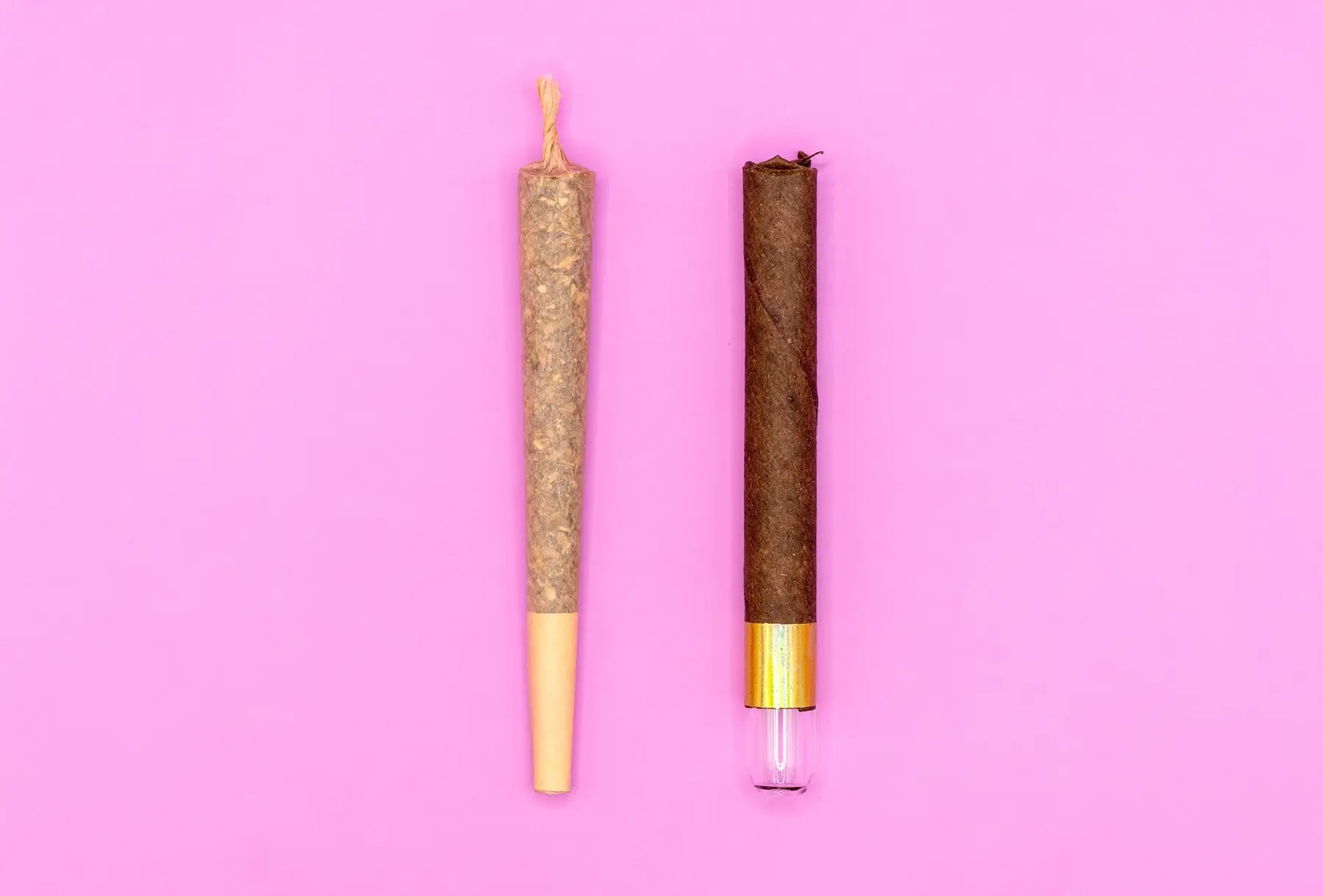
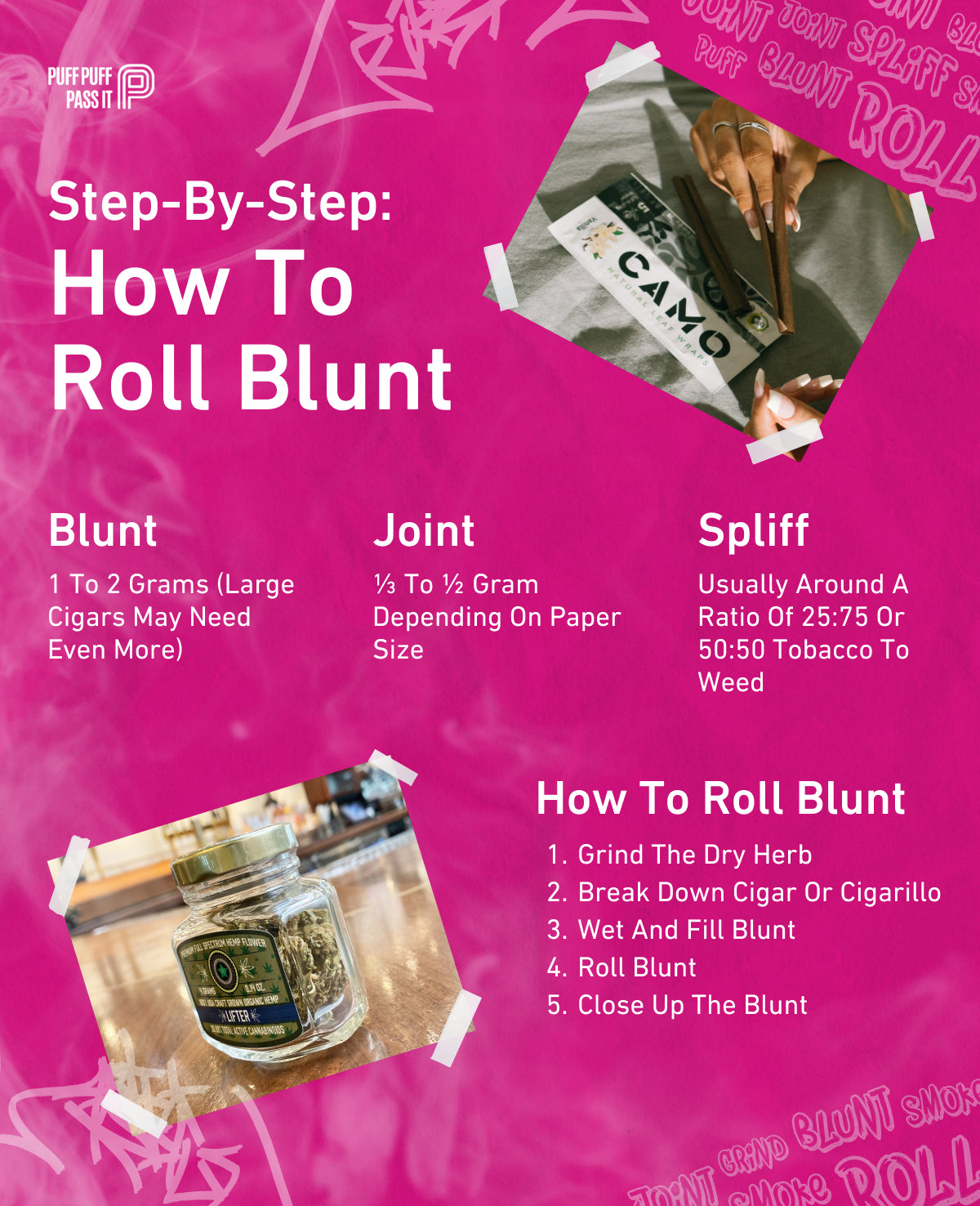
A roach blunt is a smokable roll created by recycling the remaining portion of a previously consumed blunt, often referred to as a "roach." This practice involves harvesting the unburned plant material found at the end of a blunt—which has been saturated with concentrated resins during the smoking process—and re-rolling it into a new, smaller, or combined smoking unit.
Defining the Roach and the Blunt
To understand a roach blunt, one must first identify the components. A "blunt" typically refers to cannabis or tobacco-blend material rolled inside a tobacco leaf or a hemp-based wrap. As the blunt is consumed, the heat and smoke pass through the remaining portion, causing cannabinoids, terpenes, and tars to condense and accumulate within the plant fibers of the final inch or so. This dense, resin-heavy end piece is commonly called the "roach."
While the term "roach" is colloquial, it is recognized universally in smoking culture as the final, concentrated portion of a roll. When an individual takes the material from one or multiple roaches and consolidates it into a fresh wrap to be smoked again, the resulting product is the roach blunt.
The Composition and Chemistry of the Roach
The primary reason individuals choose to create roach blunts lies in the concentration of active compounds. Throughout the lifecycle of a smoking session, the burning end of the blunt acts as a filter. As smoke travels through the length of the roll, the cooler plant material at the mouthpiece end traps a significant portion of the volatile oils and resins.
By the time a blunt is finished, the roach contains a higher concentration of these resins compared to the loose material used at the start of the session. Chemically, this means the material is often more potent by volume than fresh material. However, this also implies that the material contains higher concentrations of combustion byproducts, including tars and carbon particles, which typically leads to a harsher smoke compared to a fresh, full-sized blunt.
Practical Steps for Preparing a Roach Blunt
Creating a roach blunt is a deliberate process that requires preparation to ensure the quality of the final product.
- Collection and Storage: Roaches should be stored in a cool, dry place. Excessive humidity can lead to mold growth on the organic plant material, while overly dry environments make the remaining wrap brittle and difficult to unroll.
- Deconstruction: Using clean hands or a small blade, carefully peel back the outer wrap of the roach. It is essential to handle the material gently, as the resinous nature of the plant matter makes it prone to sticking to the wrapper.
- Refining the Material: Examine the plant matter for any burnt bits or excess ash. Remove these charred pieces, as they contribute only to an unpleasant, bitter taste and provide no active benefit.
- Consolidation: Since a single roach is often too small to form a full-sized blunt, users typically combine the contents of several roaches. Mix the material evenly to ensure a consistent experience.
- Re-rolling: Place the consolidated material into a fresh blunt wrap or a standard rolling paper. Ensure the roll is tight enough to maintain structure but loose enough to allow for adequate airflow.
Considerations for the Smoking Experience
The experience of smoking a roach blunt differs significantly from that of a standard, fresh blunt. Because the material is pre-saturated with resin, it tends to burn slower and more evenly, provided the roll is constructed correctly. However, the accumulation of tars means the smoke is significantly heavier.
Users often report that the flavor profile is more intense, though not necessarily "cleaner." The "aftertaste" of a roach blunt is frequently described as woody, spicy, or bitter, reflecting the concentrated oils captured during the previous sessions. For those sensitive to smoke irritation, this increased density may lead to coughing or respiratory discomfort.
Safety and Maintenance Standards
As with any form of combustion, there are health implications and safety considerations to keep in mind.
- Residue and Hygiene: The roach is a collection point for bacteria and biological contaminants from the mouth during the initial smoking. If the roach has been handled frequently or stored in an unsanitary environment, the risk of transferring pathogens increases.
- Combustion Health Risks: Inhaling any smoke, regardless of the source material, introduces particulate matter into the lungs. Because roaches are high in resin, the smoke produced may contain a higher concentration of harmful combustion byproducts than fresh plant material.
- Quality Control: One of the most common mistakes is failing to inspect the material for mold. Because roaches are essentially "used" organic material, they are susceptible to environmental degradation. Always smell the material before re-rolling; if it has a musty or sour odor, it should be discarded immediately.
Comparison Table: Fresh Blunts vs. Roach Blunts
| Feature | Fresh Blunt | Roach Blunt |
|---|---|---|
| Material Potency | Standard | High (Concentrated Resin) |
| Combustion Byproducts | Lower | Higher |
| Flavor Profile | Natural / Terpene-heavy | Bitter / Intense |
| Preparation Effort | Low | Moderate (requires disassembly) |
| Smoke Texture | Smooth | Harsh / Dense |
| Material Source | Fresh flower | Reclaimed leftovers |
Essential Tools for Management
When managing roaches, having the right tools can improve both safety and efficiency:
- Glass Roach Clips: Using a metal or glass clip allows the user to hold the blunt without burning their fingers and prevents the lips from coming into direct contact with the resinous end of the roll, which can be irritating.
- Airtight Containers: Proper storage in airtight, glass containers is essential to prevent the roaches from drying out or absorbing moisture from the surrounding environment.
- Micro-Scissors: Useful for trimming the burnt ends of the plant material during the deconstruction process, ensuring only the viable, unburnt material is used.
Frequently Asked Questions
Why does a roach blunt have a stronger taste? The taste is intensified because the plant material in the roach has functioned as a filter for the entire length of the original blunt. As smoke passes through, it deposits oils and resins into the remaining herb. When this is smoked again, those concentrated oils are released at once, leading to a much stronger, often more bitter flavor.
Is it safe to store roaches for a long time? Generally, it is not recommended to store roaches for long periods. They are prone to mold and degradation. If they must be stored, use an airtight container and keep them in a cool, dark location. If you notice any signs of mold, such as white fuzz or a musty smell, do not use them.
Can I mix different types of herb in a roach blunt? Yes, users often mix various roaches to create a blend. This is known in some circles as a "second-hand blend." However, keep in mind that mixing different strains or qualities can create an unpredictable flavor profile and an uneven burn if the material is not ground and distributed evenly.
What is the best way to avoid the "harshness" of a roach blunt? To mitigate harshness, try incorporating a crutch or a filter tip into your new roll. This creates a physical barrier between the burning material and your mouth, helping to cool the smoke slightly and preventing small bits of hot plant matter from being inhaled.
Do I need to add fresh material when rolling a roach blunt? While not required, many experienced users mix in a small amount of fresh flower. This "cuts" the intensity of the resinous roach material, resulting in a more balanced flavor and a smoother burning experience, while still utilizing the potency of the reclaimed roaches.
Recommendations for Future Use
If you decide to utilize roaches for a future session, focus on consistency. Do not combine roaches that have been stored for different durations or that originated from significantly different types of products. Aim for a "like with like" approach to ensure that the combustion rate remains manageable.
Furthermore, always prioritize lung health by ensuring that you are not smoking moldy or degraded material. If you find the experience consistently harsh or unpleasant, it is a sign that the resin saturation has reached a point where the combustion risks outweigh the benefits of the reclaimed cannabinoids. Use your best judgment and prioritize clean, fresh material whenever possible to maintain a more consistent and predictable experience.