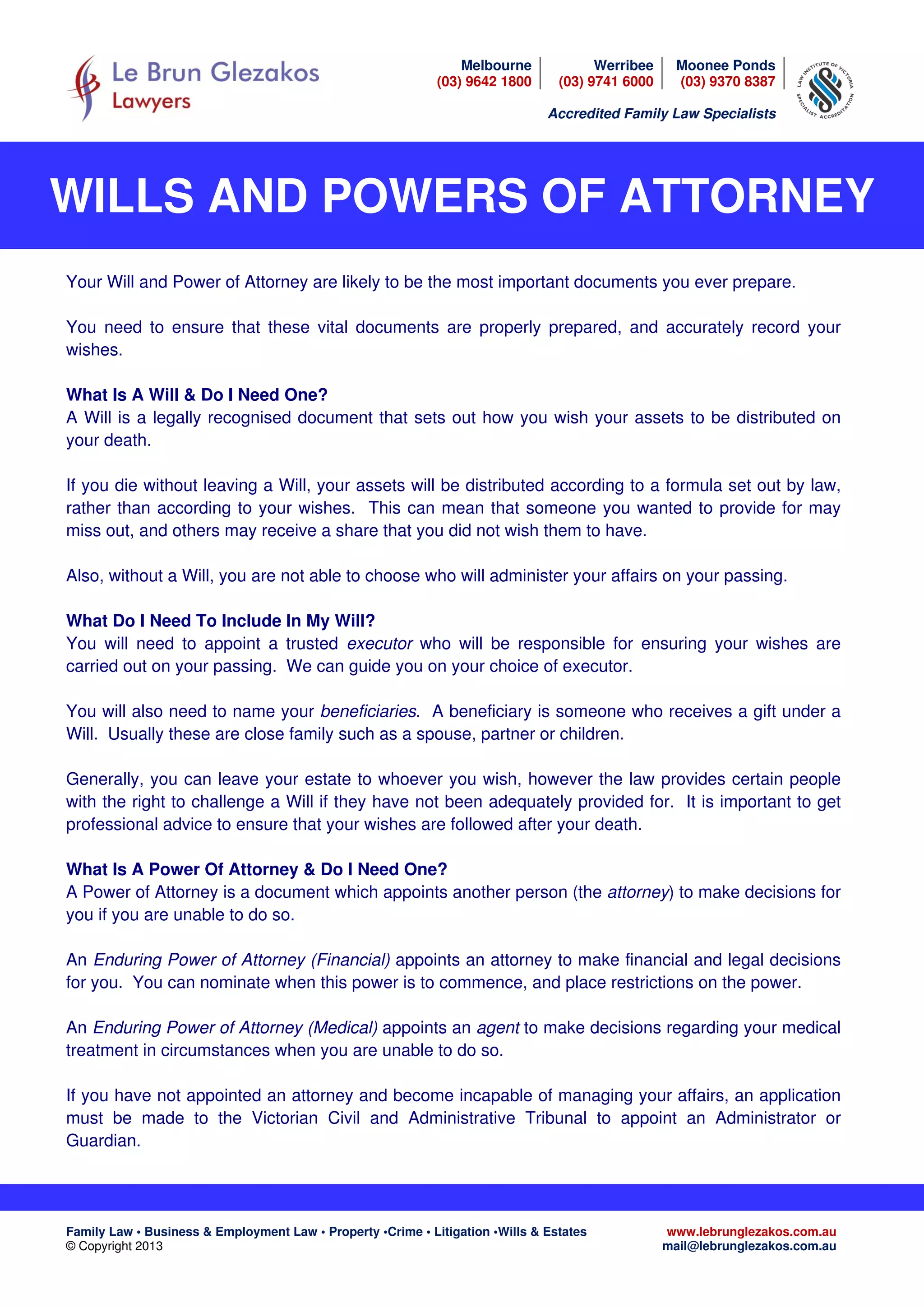
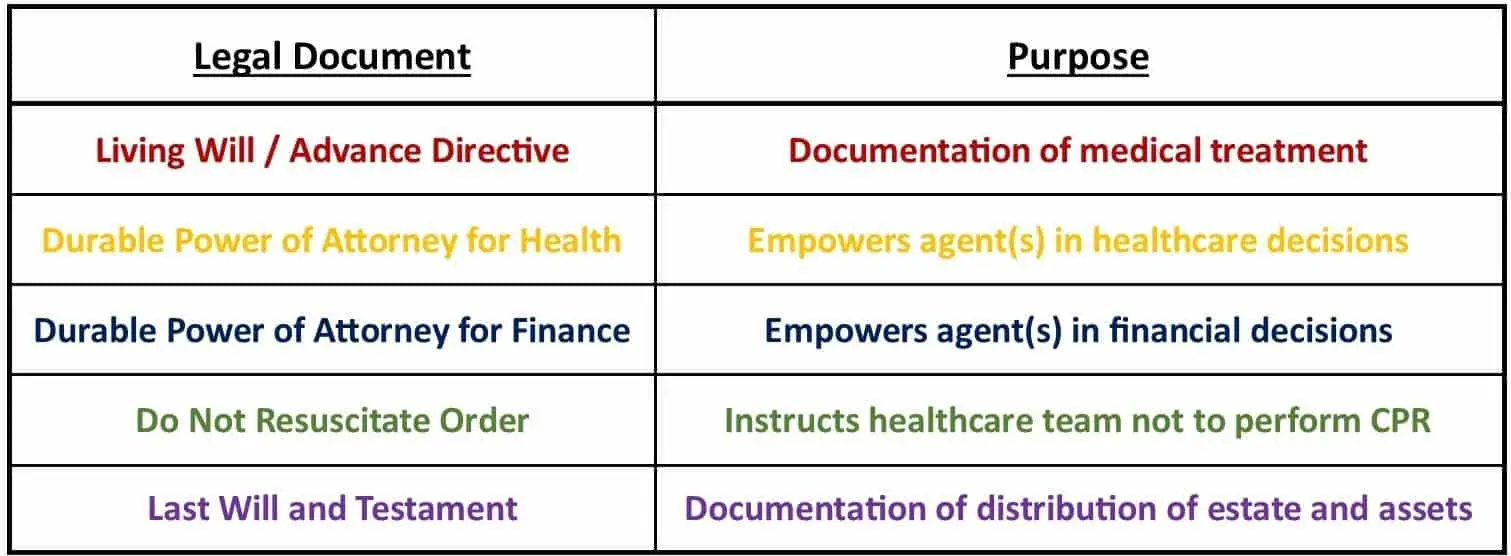
A Power of Attorney (POA) and a Last Will and Testament serve two distinct legal purposes that operate during entirely different phases of a person’s life. A Power of Attorney is a document that grants an agent the authority to manage the principal’s financial or healthcare affairs only while the principal is alive. Conversely, a Will only takes effect upon the death of the testator. Because a POA expires the moment the principal dies, it possesses no legal authority to alter, ignore, or override the instructions set forth in a Will.
The Fundamental Legal Distinction Between POA and Wills
To understand why these documents do not conflict, one must first recognize the temporal boundaries of their legal authority. An agent acting under a Power of Attorney functions as a fiduciary for a living person. Their primary legal obligation is to act in the best interests of the principal. If the principal is incapacitated, the agent may handle banking, pay bills, or manage real estate, but they are doing so on behalf of the living individual.
A Will is a testamentary document. It is specifically designed to distribute assets after death. By definition, a person who has passed away no longer has an agent managing their affairs; they have an executor or personal representative tasked with distributing their estate according to the terms of the Will. Since a Power of Attorney terminates instantly upon the death of the principal, the agent loses all legal standing to transact business or make decisions. Consequently, they cannot use their former authority to change who inherits property or how assets are divided.
Why Power of Attorney Authority Ceases at Death
The expiration of Power of Attorney at the time of death is a bedrock principle of agency law. When a principal dies, the legal relationship between the principal and the agent is severed. Any attempt by an agent to continue using the POA after the principal has died is generally considered unauthorized and can lead to serious legal consequences, including civil liability and potential criminal charges for fraud or misappropriation of assets.
Banks, investment firms, and land registries are strictly trained to verify the status of a POA. In most jurisdictions, these institutions require proof that the principal is alive and that the POA remains in effect before honoring transactions. Once a death certificate is issued and filed, the authority granted under the POA is formally recognized by the law as void. This safeguard ensures that the process of probate—the court-supervised distribution of the deceased’s estate—can proceed according to the decedent’s documented wishes in their Will, rather than the potentially conflicting interests of an agent.
Common Misconceptions Regarding Control
A frequent source of confusion arises when family members assume that because an individual managed a parent’s finances for years via a POA, they have the authority to decide how those assets are inherited. This is a significant misunderstanding of fiduciary duty.
- The Fiduciary Barrier: Even while the principal is alive, an agent is prohibited from using the POA to enrich themselves or change the distribution of the principal’s assets unless explicitly authorized by the document (and even then, such actions are heavily scrutinized).
- Estate Integrity: The Will dictates the "final say." If an agent under a POA were allowed to override a Will, it would render the entire probate process meaningless and invite rampant abuse of the elderly.
- Executor vs. Agent: An agent acts for the living; an executor acts for the dead. It is possible for the same person to serve as both, but they must operate under two different sets of legal rules. When acting as an executor, the individual is bound by the Will and supervised by the probate court.
The Role of the Executor in Estate Distribution
When a person dies, the Will becomes the governing document. The person named as the executor (or personal representative) in the Will is the only individual with the legal standing to settle the estate. Their duties include identifying assets, paying off the decedent’s debts, and distributing the remaining inheritance to beneficiaries.
The executor is not "overriding" the POA; rather, the executor is following the directives of the deceased person as expressed in the Will. If the executor happens to be the same person who held the POA during the decedent's lifetime, they must transition into a completely different role with different legal responsibilities. They are no longer acting as the deceased’s "agent" but as a court-appointed administrator of the estate, accountable to both the beneficiaries and the probate court.
Comparative Summary of Legal Documents
The following table distinguishes the key characteristics of a Power of Attorney and a Last Will and Testament to clarify their separate domains.
| Feature | Power of Attorney (POA) | Last Will and Testament |
|---|---|---|
| Primary Purpose | Manage affairs during life | Distribute assets after death |
| Effective Date | Valid upon signing or incapacity | Only valid after death |
| Termination | Ends immediately at death | Starts operation after death |
| Primary Actor | Agent (or Attorney-in-Fact) | Executor (or Personal Representative) |
| Scope of Power | Financial/Medical decisions | Asset distribution and guardianship |
| Oversight | Limited (usually family/court) | Strict probate court supervision |
Risks of Misunderstanding the Distinction
Failure to distinguish between these two roles can lead to significant interpersonal and legal conflict. If a family member attempts to "take charge" of an estate based on the belief that their prior POA status grants them authority to distribute assets, they may inadvertently violate the rights of the beneficiaries named in the Will.
If the Will distributes assets differently than the agent expects, the agent may be tempted to withhold funds or ignore the Will’s instructions. This usually results in:
- Will Contests: Beneficiaries may sue to remove the executor or challenge their actions.
- Surcharges: Courts may hold the agent-turned-executor personally liable for damages if they misused estate funds.
- Removal from Office: The probate court can strip the executor of their authority for failing to adhere to the Will.
Essential Steps for Families and Executors
If you are currently serving as a Power of Attorney or are named as an executor, it is vital to maintain a clear separation of your duties.
- Cease POA Activity Immediately: Upon the death of the principal, you must stop using the POA. Do not sign documents, withdraw funds, or make new transactions in the name of the deceased as their agent.
- Locate the Will: The original Will must be filed with the local probate court in the county where the deceased resided.
- Seek Official Appointment: You must be officially appointed as the executor by the court before you have the legal right to manage the estate’s assets.
- Inventory Assets: Once appointed, you have a duty to create an accurate accounting of everything in the estate.
- Follow the Will’s Directives: You are legally obligated to follow the instructions in the Will, regardless of your personal opinion on the distribution of assets. If you find the Will confusing, seek guidance from a qualified probate attorney.
Frequently Asked Questions
Can I change a Will if I have Power of Attorney? No. A Power of Attorney only grants you the authority to manage the principal's affairs while they are alive. You have no legal power to amend, rewrite, or override a Will, even if the principal is incapacitated. Only the testator (the person who made the Will) can change their own Will, provided they have the required mental capacity.
Does a POA agent have the right to inherit assets? An agent inherits only what is specifically granted to them in the Will or through other estate planning vehicles like trusts or beneficiary designations. Being an agent does not entitle a person to a larger share of the estate.
What happens if there is no Will? If there is no Will, the estate is distributed according to the laws of "intestate succession" in the state where the deceased lived. A POA still holds no authority in this scenario; the court will appoint an administrator to oversee the estate distribution according to state law.
Can an agent be sued for actions taken as a POA after the death of the principal? Yes. If an agent continues to act under a POA after the principal has died, they can be sued by the estate, the executor, or the beneficiaries for unauthorized transactions or theft.
Does a medical Power of Attorney have any say in a Will? No. A medical Power of Attorney is strictly limited to healthcare decisions and end-of-life care. It has no relevance to the management of financial assets or the distribution of an estate after death.
Conclusion and Next Steps
The distinction between a Power of Attorney and a Will is absolute and reinforced by strict legal statutes. Understanding this separation is essential for any individual acting as an agent or executor. If you find yourself in a position of responsibility, prioritize locating the official Will and seeking guidance from a licensed attorney specializing in estate law. Do not attempt to rely on your previous POA status to settle an estate, as this will almost certainly result in legal jeopardy and conflict among heirs. Always operate through the formal probate process to ensure that your actions are protected and that the deceased's final wishes are honored correctly.