Avibra operates as a digital-first insurance brokerage and wellness platform that distinguishes itself by bundling life insurance with holistic lifestyle rewards. By focusing on mobile accessibility and incentivizing healthy habits, the company provides a unique model for users seeking affordable protection alongside engagement-based benefits, though potential policyholders must weigh its specific coverage limits and underwriting structure against traditional long-term insurance alternatives.
Understanding the Avibra Business Model
Avibra is not a traditional insurance carrier in the historical sense; rather, it functions primarily as an insurance producer and technology platform. The core value proposition centers on the "Gig Life" or "Well-being" insurance model, which aims to make coverage accessible to those who might otherwise be priced out of the market or who struggle with the traditional, often cumbersome, application processes associated with term life insurance.
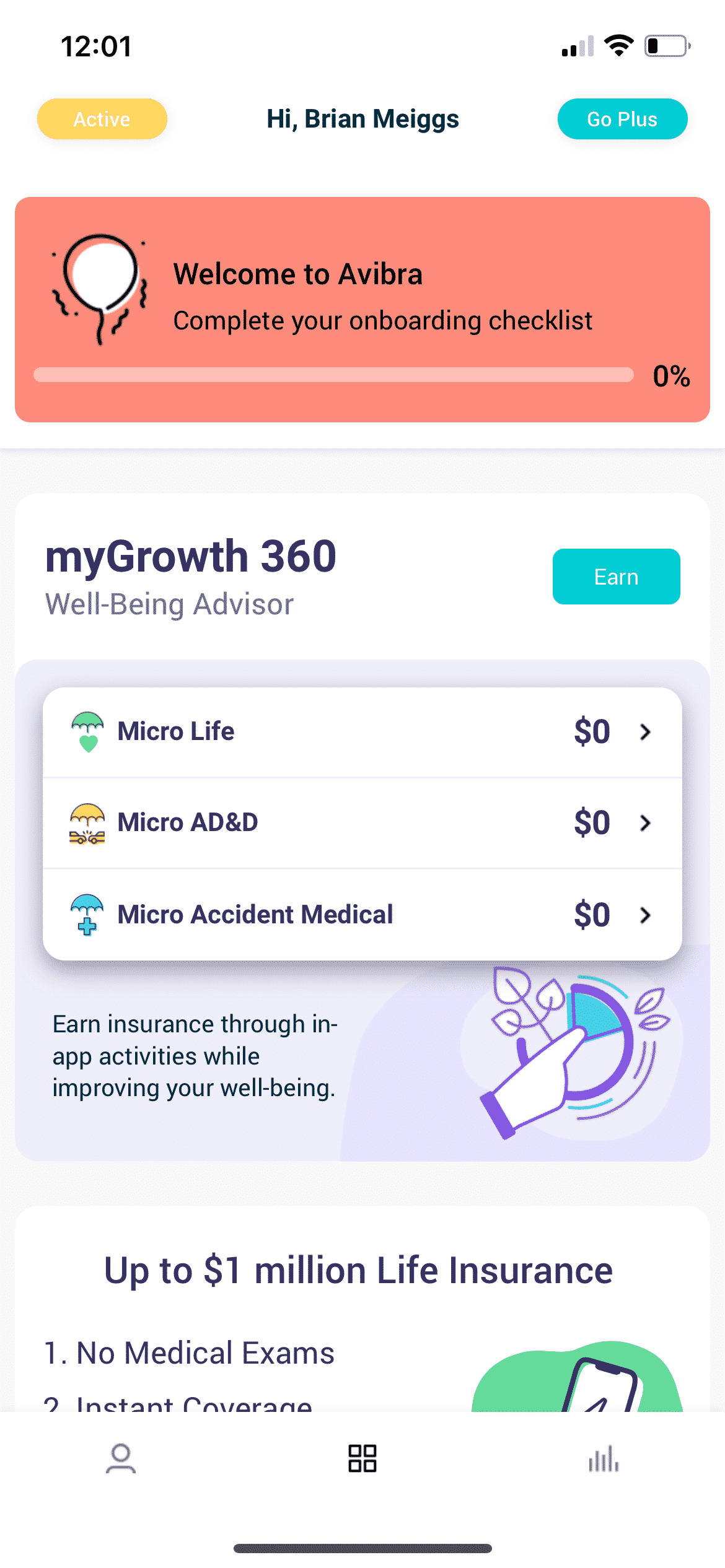
By integrating a wellness rewards program, Avibra encourages users to track activities such as walking, reading, or participating in educational health modules. These activities generate "tickets" or rewards that translate into additional insurance coverage or other benefits within the app ecosystem. This gamification strategy is designed to keep users engaged with the platform consistently, moving insurance from a "set-it-and-forget-it" financial product to a daily habit.
Core Features and Coverage Options
When analyzing the Avibra life insurance offering, it is essential to distinguish between the base coverage and the supplemental benefits earned through the app.
Term Life Insurance
The primary product is typically a group term life insurance policy. In the context of 2026, these policies are generally designed for simplicity, often focusing on accidental death and dismemberment (AD&D) or basic term coverage. The underwriting process is significantly streamlined, frequently relying on medical questionnaires rather than the extensive paramedical exams required by high-value, traditional term policies.
The Wellness Reward System
The standout feature of Avibra is its reward-based coverage expansion. Users earn credits by engaging in healthy behaviors verified through mobile tracking. These credits can often be used to increase the total benefit amount or "unlock" additional layers of coverage. This is a critical point for potential users: the coverage amount is not necessarily static. It is dynamic, requiring the user to interact with the app to maintain or grow their benefit levels.
Bundled Benefits
Beyond insurance, the Avibra experience often includes access to telehealth services, mental health resources, and professional development tools. For many users, this holistic bundle is the primary draw, as it provides immediate value (health advice, counseling access) that can be utilized regardless of whether a claim is ever filed under the insurance portion of the agreement.
Evaluation: Pros and Cons
An objective review of Avibra requires a balanced look at how the model serves different demographics.
Advantages
- Accessibility: The mobile-first approach lowers the barrier to entry for younger individuals, gig economy workers, or those who find traditional insurance jargon intimidating.
- Engagement: The inclusion of wellness rewards provides tangible value, encouraging users to track their health metrics and learn about personal wellness.
- Speed: Approval processes for these types of policies are significantly faster than those of traditional carriers, often resulting in near-instant coverage availability upon completion of the digital application.
Disadvantages and Limitations
- Coverage Volatility: Because portions of the coverage may be tied to app activity, there is a risk that benefit levels could fluctuate or require consistent manual maintenance to remain at a desired level.
- Lower Benefit Ceilings: These products rarely offer the massive death benefits (e.g., $1 million+) provided by standard 20- or 30-year term policies. They are generally better suited as supplemental coverage or basic protection for young adults.
- Dependency on App Functionality: The user experience is entirely contingent on the reliability of the Avibra mobile application. If the interface is updated or the rewards program criteria change, the user's coverage landscape may shift accordingly.
Comparison with Traditional Term Life Insurance
To determine if Avibra is the right choice, one must compare it against standard term life insurance, which is the industry benchmark for financial protection.
| Feature | Avibra Model | Traditional Term Life |
|---|---|---|
| Application Speed | Near-instant (digital) | Days to weeks (underwriting) |
| Medical Exam | Rarely required | Frequently required |
| Benefit Stability | Can be dynamic/activity-based | Guaranteed fixed amount |
| Primary Focus | Wellness and basic protection | Income replacement/Debt coverage |
| Engagement | High (daily app use) | Low (annual premiums) |
Eligibility and Technical Requirements
To utilize Avibra effectively in 2026, prospective users should consider the following technical and eligibility requirements:
- Hardware: A modern smartphone with a functional camera and sensors capable of tracking movement (steps/activity).
- Location: Verification of the user’s residency within the jurisdictions where Avibra holds active insurance producer licenses. Coverage availability varies by state, and users must ensure their specific region is supported.
- Data Permissions: Users must be comfortable granting the app access to health data (such as step counts via Apple Health or Google Fit) to participate in the reward tiers.
- Financial Literacy: Applicants should be capable of reading a Summary of Benefits document to understand the nuances of the group policy, including exclusions (such as specific high-risk activities) that may not be covered under a simplified underwriting policy.
Common Considerations and Troubleshooting
Users sometimes express confusion regarding how the rewards program influences their insurance. The most common point of friction is the transition between "base" insurance and "earned" insurance.
If a user finds that their coverage levels are not updating as expected, the first step is to verify the integration between the device’s pedometer/health sensors and the Avibra application. Privacy settings on a smartphone often reset after major OS updates, which can disconnect the link between the health data provider and the insurance platform. Regularly syncing the app ensures that all activity is captured accurately for the purposes of policy rewards.
Furthermore, if the primary intent for seeking insurance is to cover a mortgage or substantial long-term debt, it is critical to perform a needs assessment. If the calculated requirement exceeds the policy limits of a wellness-based plan, the consumer should look into layering an Avibra policy on top of a more robust, static term life policy.
Frequently Asked Questions
Is Avibra considered "real" life insurance?
Yes. The insurance products offered through Avibra are underwritten by established insurance carriers. These are legitimate, legally binding contracts. The main difference lies in the distribution model and the inclusion of wellness-driven incentives, which differentiate them from standard policies sold by traditional agents.
Does my health data stay private?
Avibra maintains privacy protocols governed by the privacy policies established at the time of account creation. They typically utilize aggregated health data for the purpose of the rewards program. It is recommended that users review the current data-sharing settings within the application's "Privacy" or "Security" tab to see exactly what information is being shared with partners.
Can I lose my coverage if I stop using the app?
Generally, the "base" coverage (the portion you pay for directly or have through a primary plan) remains intact regardless of app engagement. However, the additional coverage earned through wellness rewards may decrease if you fail to meet the platform's activity requirements over a specific timeframe, as the rewards are tied to active participation.
Is this a good choice for someone with pre-existing conditions?
Because these policies often utilize simplified underwriting, they can be more accessible to individuals who might otherwise be rated or declined by traditional carriers due to health history. However, applicants must always answer health questions truthfully. Even with simplified underwriting, misrepresentation can lead to a denial of claims later.
Does Avibra work for estate planning?
For most individuals, Avibra is intended to provide a basic safety net, not to solve complex estate planning needs. If your goal is to provide for dependents in a way that covers large, multi-decade financial obligations, a standard, non-gamified term life policy with a locked-in benefit is generally considered the more reliable financial instrument.
Final Recommendation
When approaching the Avibra life insurance review, consider the product as a tool for "integrated wellness." It is an excellent choice for individuals in the early stages of their careers, gig workers, or those looking to incentivize healthy habits while maintaining a baseline level of protection.
However, do not rely on it as a total solution if you have complex dependents, high-value assets, or significant long-term debt. The most prudent approach is to use the platform for its intended purpose—accessible, incentive-based insurance—while periodically reviewing your total coverage needs against your life situation. Always verify the current state-specific disclosures in the app to ensure your coverage is compliant with your local regulations as of 2026.