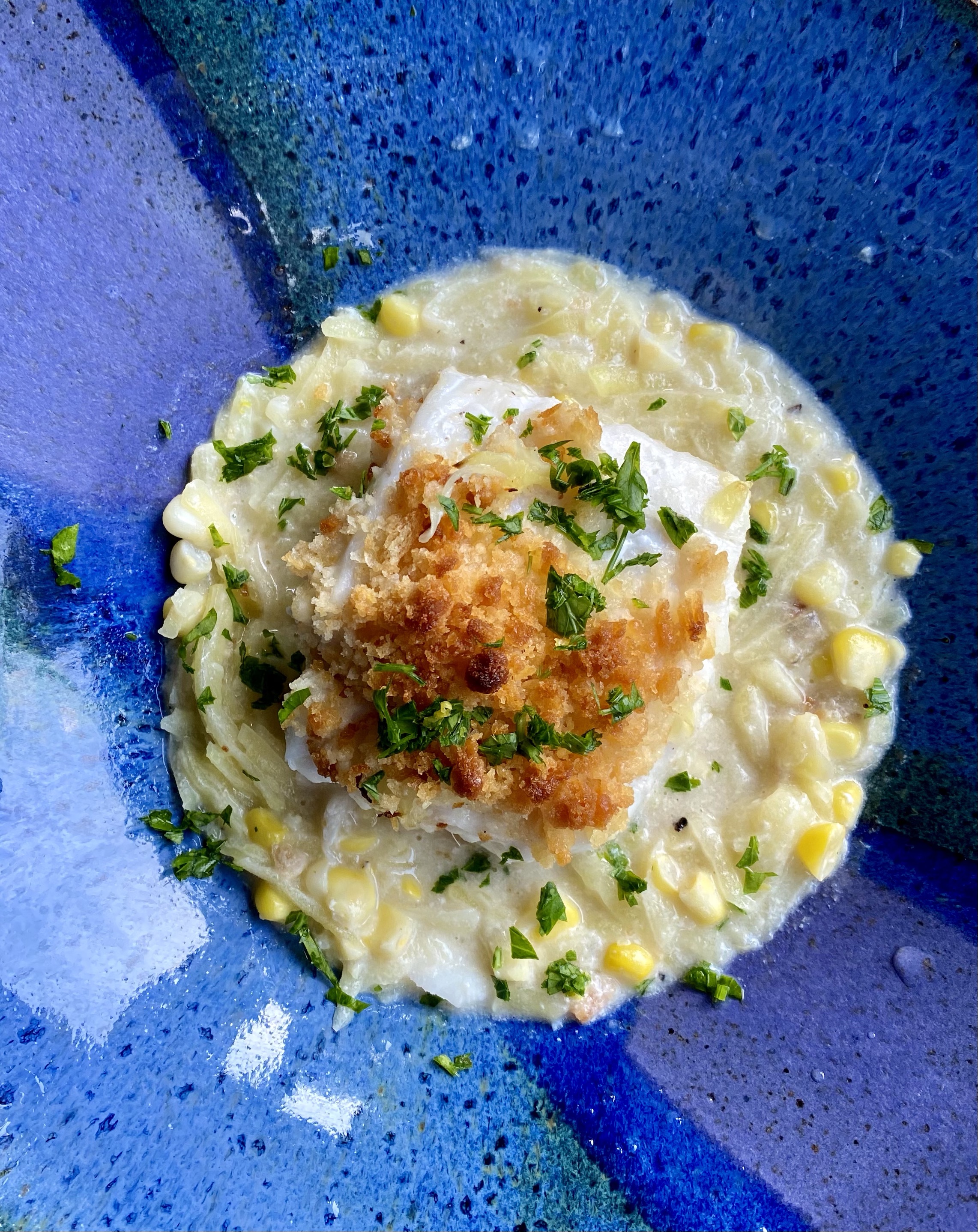
Selecting the ideal fish dish for a dinner party requires balancing sophisticated flavor profiles with technical ease of preparation. High-quality selections such as Chilean sea bass, wild-caught halibut, or King salmon offer the resilience and texture needed for hosting. By mastering techniques like pan-searing or parchment roasting, you ensure a restaurant-quality meal that remains manageable.
Choosing to serve fish at a dinner party is a statement of elegance and culinary confidence. Unlike heavier meat-based entrees, fish provides a light, refined centerpiece that allows guests to enjoy multiple courses without feeling overextended. However, the delicate nature of seafood demands precision in sourcing, handling, and heat management. As we navigate the culinary landscape of 2026, the emphasis has shifted toward sustainable sourcing and transparent supply chains, making the "where" and "how" of your fish selection just as important as the recipe itself.
The Foundation of a Great Fish Entrée: Sourcing and Selection
The success of your dinner party begins at the fish market, not the stove. Because fish has a shorter shelf life and more delicate cell structure than terrestrial proteins, the quality of the raw ingredient dictates 80% of the final result. When shopping in 2026, look for vendors who provide specific "landed dates" and information regarding the fishing method used.
Understanding Freshness Indicators
Freshness is non-negotiable for a dinner party. If you are buying a whole fish, the eyes should be clear and bulging, not sunken or cloudy. The gills should be a vibrant, brick-red color. For fillets, which are more common for large gatherings, the flesh must appear translucent and firm. If the meat looks opaque, dull, or leaves an indentation when pressed, it has begun to break down.
The "smell test" remains the most reliable metric. Fresh fish should smell like the ocean or nothing at all. Any hint of ammonia or a "fishy" odor indicates the presence of trimethylamine, a byproduct of bacterial decay. Avoid pre-packaged fillets sitting in liquid; moisture is the enemy of shelf life and texture.
Sustainable Choices in 2026
Sustainability is no longer a niche concern but a standard for high-end entertaining. Utilize resources like the Monterey Bay Aquarium Seafood Watch or the Marine Stewardship Council (MSC) to verify that your choice isn't contributing to overfishing. In 2026, farmed species like Verlasso salmon or US-raised Barramundi are often superior to poorly managed wild stocks, offering consistent fat content and a lower environmental footprint.
Selecting the Right Fish for Your Guest List
Different fish varieties offer vastly different experiences. To choose the right one, consider the "weight" of your meal and the preferences of your guests.
The Crowd-Pleasers: Mild White Fish
If you are unsure of your guests' palates, lean toward mild, flakey white fish. Varieties like Halibut, Cod, and Sea Bass (both European Branzino and Chilean) are celebrated for their clean flavors.
- Halibut: Known as the "steak of the sea," it has a firm, meaty texture that holds up well to complex sauces.
- Chilean Sea Bass: Technically a Patagonian Toothfish, this is the ultimate "luxury" fish. Its exceptionally high oil content makes it nearly impossible to overcook, providing a buttery mouthfeel that feels celebratory.
The Flavor-Forward Choice: Oily Fish
For a bolder menu, species like King Salmon or Arctic Char provide rich, fatty profiles. These pair beautifully with acidic components like citrus, capers, or pickled shallots. King Salmon (Chinook) is particularly prized for its high Omega-3 content and deep orange hue, which looks stunning on a plate.
The Technical Choice: Flatfish
Dover Sole or Turbot are the hallmarks of classic French cuisine. While they require more delicate handling—often served whole or as thin fillets—they offer a sweet, refined flavor that signals a high level of culinary sophistication.
Technical Preparation and Safety
Preparation is where many home cooks fail. To deliver a professional-grade fish dish, you must treat the protein with technical rigor before it ever touches the pan.
The Importance of Surface Moisture
The greatest obstacle to a perfect sear is water. When fish is cold and wet, the heat of the pan is wasted evaporating surface moisture (turning it into steam) rather than triggering the Maillard reaction. At least 30 minutes before cooking, remove the fish from its packaging, pat it thoroughly dry with paper towels, and let it sit uncovered in the refrigerator on a wire rack. This "air-chilling" process creates a dry pellicle on the surface, ensuring a crisp, golden-brown crust.
Pin Bone Removal
Nothing ruins a dinner party faster than a guest choking on a bone. Even if your fishmonger says the fish is "boneless," you must verify this. Run your finger along the length of the fillet; if you feel small, needle-like protrusions, use culinary tweezers to pull them out in the direction they are pointing to avoid tearing the flesh.
Temperature Management
Precision is the difference between succulent fish and "fish jerky." Most white fish are best pulled from the heat at an internal temperature of 130°F (54°C), while salmon is often preferred at 125°F (52°C) for a medium-rare center. Remember the principle of carryover cooking: the internal temperature will rise by 3 to 5 degrees after the fish is removed from the pan.
High-Impact Cooking Techniques for Entertaining
When hosting, you want a technique that is both impressive and reliable. Here are the three most effective methods for dinner party success.
1. The Professional Pan-Sear (The "Crispy Skin" Method)
This is the gold standard for individual fillets.
- The Gear: Use a heavy stainless steel or cast-iron skillet. Avoid non-stick if you want a truly professional crust.
- The Process: Heat oil until it shimmers. Place the fish skin-side down and press firmly with a spatula for 30 seconds. This prevents the skin from curling.
- The Secret: Do not touch the fish for at least 3-4 minutes. Once the skin releases naturally from the pan, it is ready to flip. Finish with a "baste" of butter, thyme, and garlic to add a nutty aroma.
2. Fish En Papillote (Parchment Baking)
This is the ultimate "stress-free" hosting hack. By sealing the fish in a parchment paper pouch with aromatics (lemon, fennel, white wine, herbs), you create a self-steaming environment.
- The Advantage: You can prep the pouches hours in advance.
- The Presentation: Guests open their own pouches at the table, releasing a dramatic cloud of aromatic steam. It is impossible to dry the fish out in this environment.
3. Slow-Roasting (The Gentle Method)
For thick cuts like Salmon or Halibut, roasting at a low temperature (250°F / 120°C) prevents the muscle fibers from contracting too quickly. This eliminates the unsightly white "albumin" (the protein that squeezes out of fish when cooked too fast) and results in a texture that is uniform and silky from edge to edge.
| Fish Type | Best Cooking Method | Internal Finish Temp | Flavor Profile |
|---|---|---|---|
| Chilean Sea Bass | Pan-Sear to Roast | 135°F (57°C) | Buttery, Rich, Mild |
| Wild Salmon | Slow-Roast | 125°F (52°C) | Bold, Fatty, Savory |
| Halibut | Pan-Sear | 130°F (54°C) | Meaty, Clean, Sweet |
| Branzino | Whole Roasted | 135°F (57°C) | Delicate, Flakey, Light |
| Cod | En Papillote | 135°F (57°C) | Very Mild, Large Flake |
The "Showstopper" Recipe: Miso-Glazed Chilean Sea Bass
This dish remains a perennial favorite in 2026 because it combines deep umami flavors with a luxurious texture. It is also incredibly forgiving for hosts.
Ingredients
- 4 Chilean Sea Bass fillets (6 oz each)
- 1/4 cup White Miso paste
- 2 tbsp Mirin
- 1 tbsp Sake
- 1 tbsp Brown sugar
- 1 tsp Grated ginger
Instructions
- Marinate: Whisk the miso, mirin, sake, sugar, and ginger. Coat the fish and marinate for at least 2 hours (or up to 24).
- The Sear: Wipe off excess marinade (to prevent burning). Sear in a hot pan for 2 minutes on one side to caramelize the sugars.
- The Finish: Transfer to a 400°F oven for 5-7 minutes until the fish flakes easily.
- Plating: Serve atop a bed of sautéed baby bok choy or ginger-infused forbidden black rice.
Managing the Logistics: Timing and Aroma
Two common fears regarding fish dinner parties are the "smell" and the "last-minute stress."
Controlling the Aroma
To ensure your home smells like a home and not a pier, follow these steps:
- Deep Cleaning: Dispose of all fish scraps, skins, and packaging in an outdoor bin immediately after prep.
- The Vinegar Trick: Simmer a small pot of water with white vinegar and lemon slices on the back burner while you cook. This neutralizes airborne fish odors.
- Use High Smoke Point Oils: Use avocado or grapeseed oil for searing. Burnt butter or low-quality oil creates smoke that traps odors.
The Host's Timeline
- Morning of: Purchase the fish. Remove pin bones.
- 4 Hours Before: Prepare any sauces (Beurre Blanc, Chimichurri, or Salsa Verde).
- 2 Hours Before: Pat fish dry and store in the fridge.
- 30 Mins Before: Take fish out to take the chill off (this ensures even cooking).
- Guest Arrival: Focus on appetizers. Fish only takes 10-12 minutes to cook; do not start until guests are seated for the first course.
Selecting Sides and Wine Pairings
A fish dish is only as good as its supporting cast. Because fish is lighter, the sides should provide contrast without overwhelming the protein.
Side Dish Philosophy
- Texture: If the fish is soft (like Sea Bass), serve it with something crisp (like roasted asparagus or a fennel slaw).
- Starch: Pureed cauliflower, parsnip puree, or a light lemon risotto provide a creamy base that absorbs sauces beautifully.
- Acidity: Every fish dish needs a "bright" element. If your sauce is rich, add a side of quick-pickled cucumbers or a squeeze of fresh Meyer lemon.
Wine Pairing Principles
The old rule of "white wine with fish" has evolved. In 2026, we look at the fat content and the sauce:
- Lean White Fish: Pair with a crisp Sauvignon Blanc or a dry Riesling.
- Fatty Fish (Salmon/Sea Bass): These can handle a fuller-bodied Chardonnay or even a light-bodied red like a Chilled Gamay or Pinot Noir.
- Spicy/Asian-Inspired Fish: A Gewürztraminer or an Albariño provides the necessary balance to heat and umami.
Common Mistakes to Avoid
- Overcrowding the Pan: If you put four large fillets in one small pan, the temperature drops, and the fish will boil in its own juices rather than sear. Use two pans if necessary.
- Using "Sushi Grade" as a Safety Blanket: "Sushi grade" is a marketing term, not a legal FDA definition. Trust your eyes and nose over a label.
- Seasoning Too Early: Salt draws out moisture. Only salt your fish immediately before it goes into the pan. If you salt it 20 minutes early, you will end up with a puddle of water and tough protein.
- Neglecting the Resting Period: Just like steak, fish benefit from a 2-3 minute rest. This allows the juices to redistribute, ensuring the first bite is just as moist as the last.
Frequently Asked Questions
Can I use frozen fish for a dinner party?
Yes, provided it is "Flash Frozen" or "IQF" (Individually Quick Frozen) at sea. Modern freezing technology preserves the cellular structure of fish remarkably well. Ensure you thaw it slowly in the refrigerator for 24 hours and pat it extremely dry before cooking. Avoid "supermarket frozen" blocks that have excessive ice crystals.
How much fish should I buy per person?
The standard portion for a dinner party is 6 ounces (170 grams) per person for a fillet. If you are serving a multi-course meal with heavy appetizers, you can drop to 5 ounces. If serving a whole fish, account for 1 pound of "round weight" per person to factor in the weight of the head and bones.
What is the best way to keep fish warm if guests are late?
Fish does not hold heat well and dries out quickly if kept in a warm oven. If your guests are delayed, it is better to delay the cooking entirely. If you must keep it warm, use a "warm" setting (around 140°F) and cover the dish loosely with foil to retain moisture, but be aware that the texture will soften.
Should I leave the skin on?
Whenever possible, yes. Even if guests do not eat the skin, it acts as a thermal barrier during cooking, protecting the delicate flesh from the direct heat of the pan. It also contains significant healthy fats and flavors. A perfectly crisped skin is often considered the best part of the dish by enthusiasts.
Is it safe to serve fish medium-rare?
For certain species like Salmon or Tuna, serving medium-rare is preferred for texture and flavor. However, this should only be done with high-quality, reputable sources. For white fish like Cod or Halibut, most diners prefer it cooked through to an opaque, flakey state.
Practical Recommendation
For your next dinner party in 2026, I recommend the Pan-Seared Halibut with a Lemon-Caper Beurre Blanc. It offers the perfect balance of "heirloom" culinary technique and modern palate preferences. Purchase 6-oz center-cut fillets, ensure they are air-dried in the fridge for at least an hour, and focus on achieving a hard sear on one side. The contrast between the golden crust and the bright, acidic sauce is a guaranteed success. Always have a digital probe thermometer on hand to pull the fish at exactly 130°F for perfect results every time.