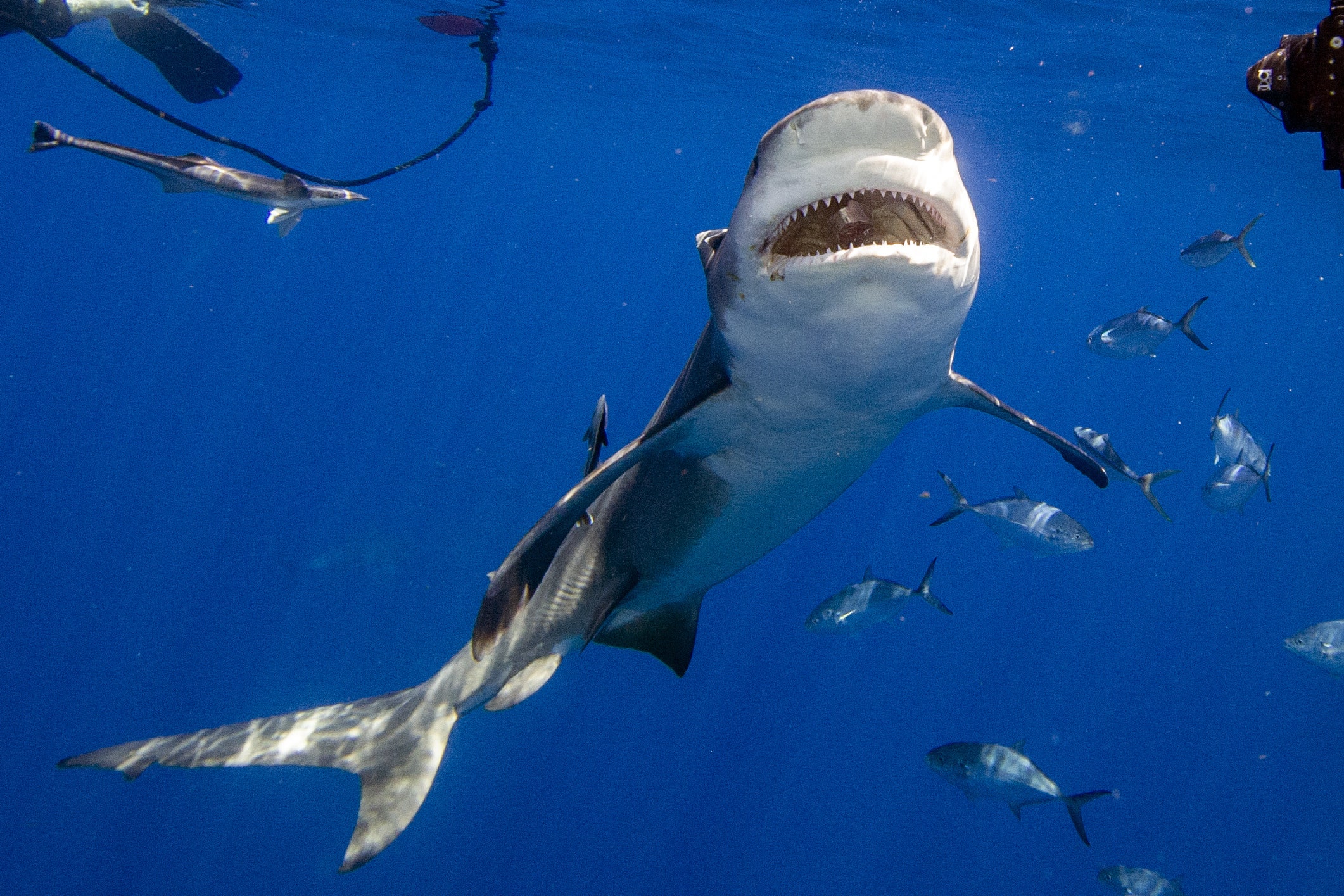
The primary shark attack incident on Ascension Island occurred on April 22, 2017, when Frankie Gonsalves was bitten by a Galapagos shark while snorkeling at English Bay. This event led to a significant shift in the island’s maritime safety policies, including temporary bans on swimming and the implementation of long-term shark management and public education strategies.
Ascension Island, a remote volcanic outcrop in the South Atlantic and part of the British Overseas Territory of St. Helena, Ascension, and Tristan da Cunha, has long been known for its pristine marine environment. For decades, residents and visitors enjoyed the crystal-clear waters of English Bay and Comfortless Cove with little fear of predatory marine life. However, the 2017 incident fundamentally altered the local perception of safety and necessitated a rigorous scientific and governmental response that continues to define the island's coastal management in 2026.
The 2017 English Bay Incident: A Detailed Chronology
On the afternoon of April 22, 2017, Frankie Gonsalves, an employee of the St. Helena Government who was visiting Ascension, was snorkeling in the relatively shallow waters of English Bay. English Bay is one of the few accessible sandy beaches on the island and was historically considered the safest spot for recreational swimming.
While snorkeling approximately 15 to 20 meters from the shore, Gonsalves was attacked by what was later identified as a Galapagos shark (Carcharhinus galapagensis). The shark bit her on the leg/foot area. Her husband, who was swimming nearby, reportedly struck the shark to drive it away, an action credited with preventing further injury or a potential fatality.
Immediate Emergency Response
The logistical challenges of medical emergencies on Ascension Island cannot be overstated. With a small population and limited medical facilities at Georgetown's hospital, the primary goal for severe trauma is stabilization and evacuation.
- First Aid: Gonsalves was pulled from the water by her husband and bystanders. Immediate first aid was administered to control the significant bleeding from the lacerations on her lower limb.
- Local Medical Care: She was transported to the island’s medical facility, where doctors worked to stabilize her condition. While the facility is equipped for general practice and minor surgeries, it lacks the specialized trauma units required for complex shark bite injuries.
- Medical Evacuation (Medevac): Given the severity of the tissue damage, a medical evacuation was organized. This was complicated by the then-ongoing repairs to the Ascension Island runway, which limited the types of aircraft that could land. Eventually, she was flown to the United Kingdom via a specialized medical flight for reconstructive surgery and long-term recovery.
Understanding the Galapagos Shark (Carcharhinus galapagensis)
The species responsible for the attack, the Galapagos shark, is a circumtropical species often found around oceanic islands. While they are often confused with reef sharks or dusky sharks, they are known to be more aggressive in certain contexts, particularly when they reach larger sizes (up to 3-3.7 meters).
Behavior and Habitats
In the waters surrounding Ascension, Galapagos sharks are the dominant nearshore predator. Before 2017, they were largely viewed as curious but non-aggressive toward humans. They often congregate around "cleaning stations" and deep-water drop-offs, but they are also known to enter shallow bays at dusk and dawn to feed on smaller fish.
Scientific observations following the 2017 incident suggested a potential "behavioral shift" or an increase in the density of the shark population near human activity zones. Some theories pointed to the cessation of certain fishing practices or changes in the local food chain, though a definitive "cause" for the increased aggression remains a subject of ongoing marine research in 2026.
Governmental and Regulatory Response
Following the attack, the Ascension Island Government (AIG) took immediate and drastic measures to ensure public safety. The response was divided into three phases: immediate closure, scientific assessment, and the "New Normal" policy.
Phase 1: Total Prohibition (2017–2018)
Directly after the attack, all swimming and snorkeling in the waters around Ascension Island were prohibited. This was a significant blow to the local community's morale, as ocean-based recreation is a primary lifestyle component on the remote island. Warning signs were erected at all major entry points, including English Bay, Comfortless Cove, and Long Beach.
Phase 2: The Shark Management Strategy (2018–2020)
The government engaged with marine biologists and shark experts from the UK and internationally to conduct a "Shark Risk Assessment." This period involved tagging sharks with acoustic and satellite transmitters to track their movement patterns. The data revealed that sharks were present in the bays much more frequently than previously thought, often lingering in shallow water during daylight hours.
Phase 3: Risk-Based Reopening (2020–Present)
By the early 2020s, the government transitioned from a total ban to a "Swim at Your Own Risk" policy, supported by extensive educational materials. This approach acknowledges that while the risk of an attack is statistically low, it is no longer "zero," as was previously assumed by the public.
Comparative Overview of Shark Presence in Ascension Island Waters
The following table outlines the primary shark species found in the coastal waters of Ascension and their historical risk profiles as of 2026.
| Species | Typical Size | Habitat | Human Interaction Risk |
|---|---|---|---|
| Galapagos Shark | 2.5m - 3.5m | Nearshore bays, drop-offs | High (Dominant predator in bays) |
| Whale Shark | 5.0m - 12.0m | Pelagic (seasonal) | Negligible (Filter feeder) |
| Hammerhead Shark | 2.0m - 4.0m | Deep water, offshore | Low (Rarely enters shallow bays) |
| Blacktip Shark | 1.5m - 2.0m | Reef edges | Moderate (Occasional sightings) |
| Tiger Shark | 3.0m - 5.0m | Pelagic, deep water | Moderate (Very rare near shore) |
Impact on Local Ecology and Conservation
The 2017 incident sparked a debate regarding the balance between human safety and marine conservation. Ascension Island is home to one of the world's largest Marine Protected Areas (MPAs), covering nearly 445,000 square kilometers.
Proposals to "cull" or thin the shark population were largely rejected by both the government and the community. Instead, the focus shifted toward "coexistence through understanding." The Ascension Island Conservation and Fisheries Directorate (AICFD) has since implemented:
- Acoustic Monitoring: Real-time tracking of tagged sharks near popular beaches.
- Public Briefings: Mandatory safety briefings for all new arrivals (military and civilian contractors) regarding water safety.
- Incident Reporting: A centralized database for reporting "close encounters" or aggressive behavior, allowing for pre-emptive beach closures if a specific shark becomes territorial.
Safety Guidelines for Water Activities in 2026
For those choosing to enter the water at Ascension Island in 2026, the AIG provides strict guidelines to mitigate risk. These steps are based on the behavioral data collected over the decade following the Gonsalves incident.
- Never Swim Alone: Always have a spotter on the shore or a partner in the water. In the 2017 case, the presence of a second person was instrumental in ending the attack.
- Avoid Low Visibility: Do not enter the water after heavy rainfall or when the sea is particularly turbid. Galapagos sharks rely on their lateral line and sense of smell, and poor visibility can lead to "mistaken identity" bites.
- Time of Day Matters: Avoid swimming at dawn or dusk. These are peak feeding times when sharks move into shallower waters to hunt.
- Stay Close to Shore: Most aggressive encounters have occurred further out in the bays. Staying within a depth where you can still stand significantly reduces the surface area vulnerable to a strike.
- No Fishing Near Swimmers: Ensure there is no fishing activity (which introduces bait and blood into the water) within at least 500 meters of your swimming location.
The Psychological Aftermath on the Community
The 2017 attack was a "loss of innocence" for Ascension Island. Before this event, children were taught to swim in English Bay without a second thought. Post-2017, the community had to grapple with the reality of living in a "wild" environment.
The psychological impact led to a temporary decline in recreational water sports, but as of 2026, a resilient culture of "informed recreation" has taken hold. Residents use the water, but they do so with a heightened sense of awareness that was absent in previous generations.
FAQs About Ascension Island Shark Attacks
Has there been a fatal shark attack on Ascension Island?
No. While there have been aggressive encounters and the serious 2017 incident involving Frankie Gonsalves, there are no recorded fatal shark attacks in the modern history of the island. The quick intervention of bystanders and the availability of emergency stabilization have been key factors in preventing loss of life.
Are the beaches currently open for swimming in 2026?
Yes, most beaches are open, but they are categorized as "unregulated." This means there are no lifeguards, and the government advises that anyone entering the water does so at their own risk. Specific bays may be temporarily closed by the Conservation and Fisheries Directorate if high shark activity is detected.
Why are there so many sharks around Ascension Island?
Ascension's isolation and its status as a Marine Protected Area (MPA) make it a haven for marine life. The island acts as an "oasis" in the middle of the Atlantic, attracting large numbers of fish, which in turn support a high density of apex predators like the Galapagos shark.
What should I do if I see a shark while snorkeling at English Bay?
Stay calm and keep the shark in your sight. Do not splash or swim away frantically, as this mimics the vibrations of a distressed fish. Slowly and rhythmically swim toward the shore or a rock outcropping. If the shark approaches aggressively, maintain eye contact and use any equipment (like a camera or snorkel) to poke its snout or gills if it gets within striking distance.
Is it safe for children to swim at Ascension?
The government advises extreme caution regarding children. Because of their smaller size and more erratic splashing, children can inadvertently trigger a shark’s predatory instinct. Many residents now prefer to use "rock pools" during low tide rather than open-water swimming for younger children.
Practical Recommendations for Visitors
If you are traveling to Ascension Island in 2026, your first point of contact for safety information should be the Ascension Island Government (AIG) Conservation Department. Upon arrival, check the latest "Shark Activity Notices" posted at the pier and in the Georgetown administrative buildings.
If you plan to engage in snorkeling or diving, it is highly recommended to go with a local guide who understands the current "mood" of the bays. While the 2017 incident was a rare occurrence, it serves as a permanent reminder that the waters of the South Atlantic are a wild, unpredictable frontier. Respecting the habitat of the Galapagos shark is the most effective way to ensure a safe and memorable visit to this unique British Overseas Territory.