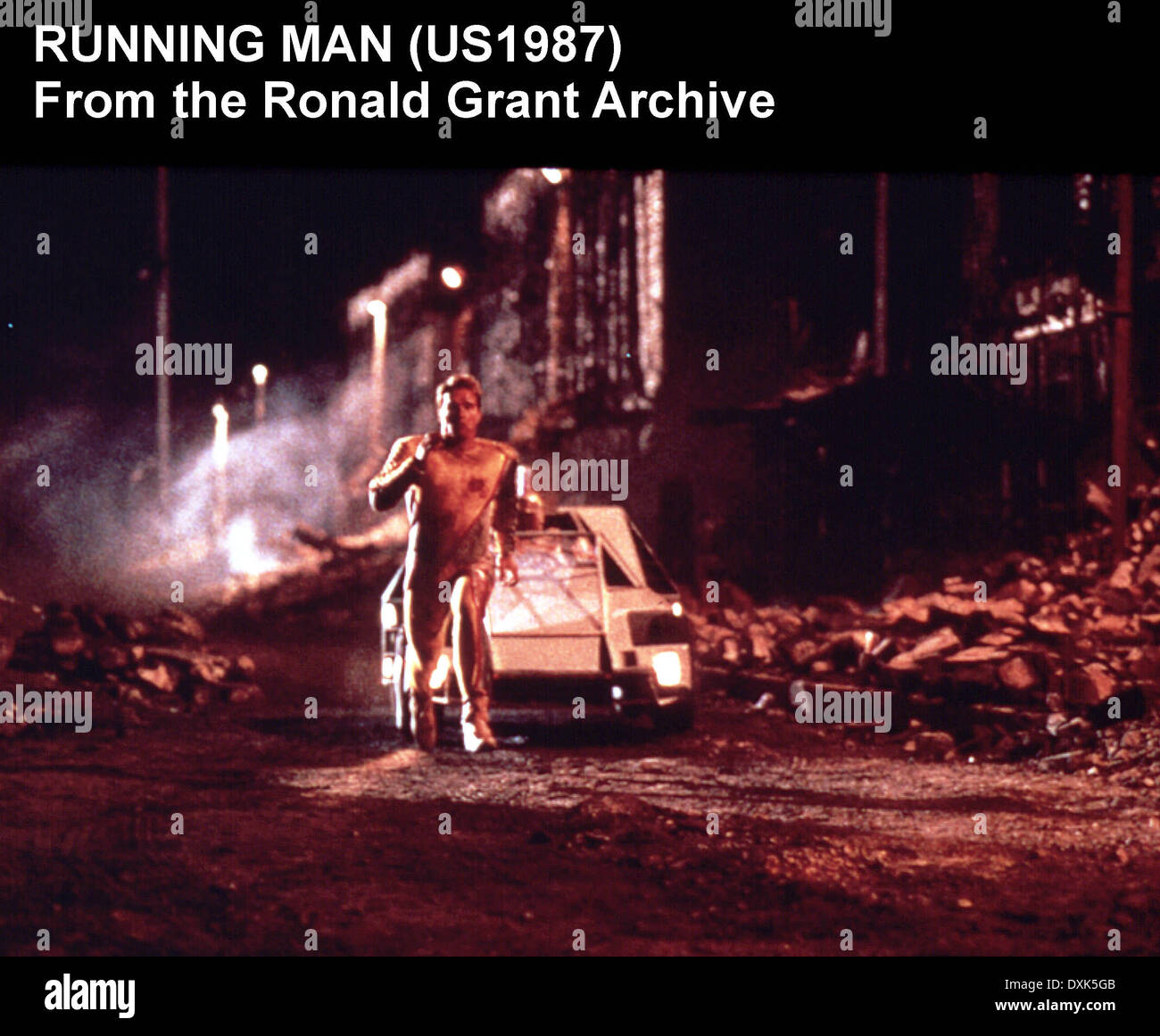
Released in 1987, The Running Man is a seminal dystopian action film starring Arnold Schwarzenegger as Ben Richards, a wrongly convicted man forced to participate in a lethal television game show. Based loosely on the 1982 novel by Stephen King (writing as Richard Bachman), the film blends social satire with high-octane 1980s spectacle.
The Origins and Literary Connection: Bachman to Big Screen
The journey of The Running Man from page to screen is one of the most significant shifts in tone in science fiction history. In 1982, Stephen King published the novel under the pseudonym Richard Bachman. The book was a grim, desperate pursuit through a crumbling America, ending in a dark, nihilistic climax. When TriStar Pictures acquired the rights, the story was reshaped into a vehicle for the world’s biggest action star, Arnold Schwarzenegger.
The film adaptation stripped away the novel's bleak realism in favor of a vibrant, neon-soaked satire of American media and bloodsports. While King’s original Ben Richards was a scrawny, everyman protagonist driven by poverty, the cinematic Richards is a hulking, disgraced helicopter pilot framed for a massacre he didn't commit. This change significantly altered the stakes; the movie became less about survival through anonymity and more about a hero dismantling a corrupt system through physical dominance and charisma.
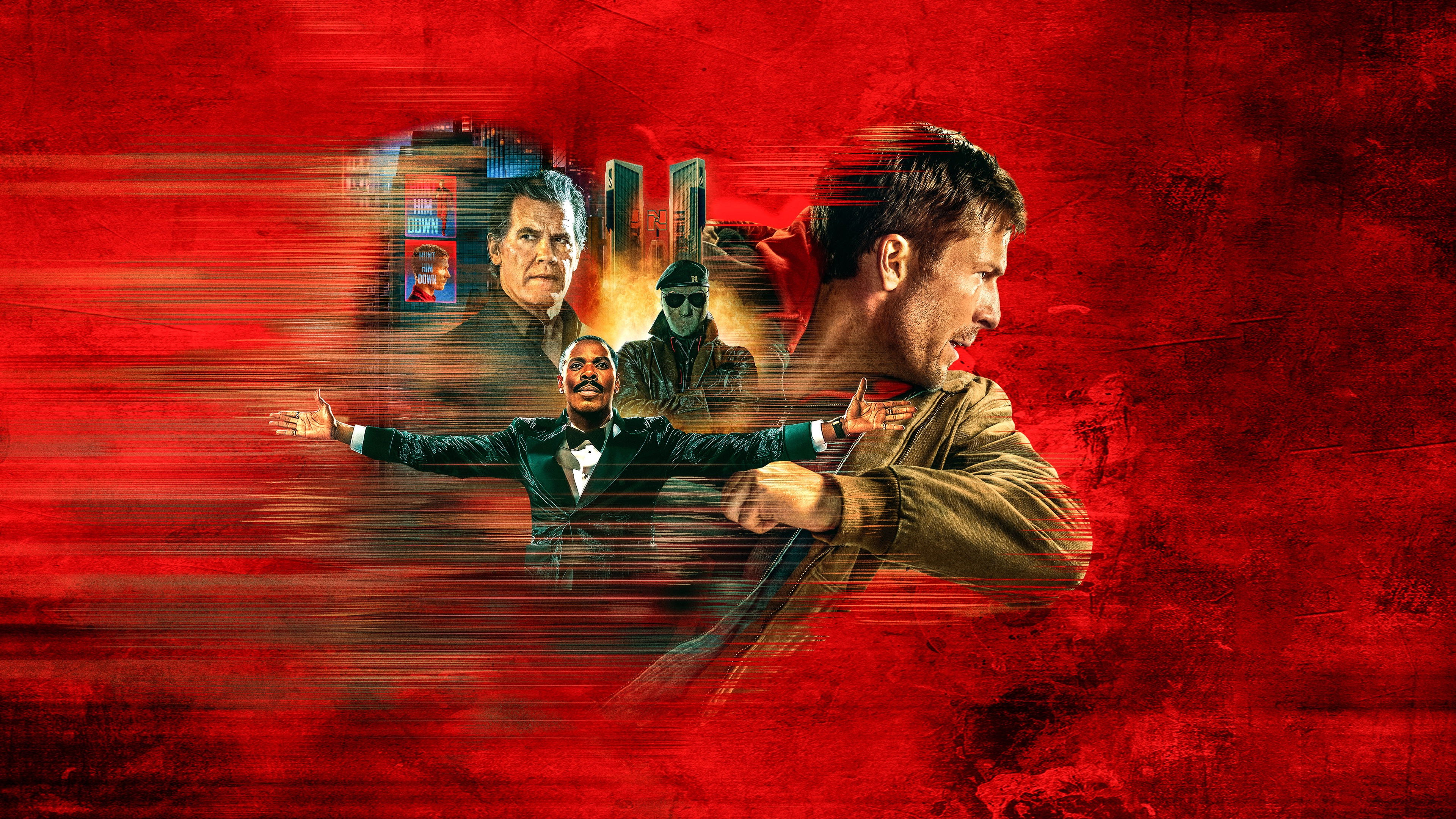
As of 2026, the original 1987 film is frequently compared to the newer 2025 adaptation directed by Edgar Wright, which sought to return to the grit of the Bachman novel. However, Schwarzenegger’s version remains the definitive cultural touchstone for its unique blend of "bread and circuses" social commentary and classic action tropes.
Production History and Creative Evolution
The production of The Running Man was famously turbulent. Originally, George P. Cosmatos was attached to direct, followed by Andrew Davis. Davis was reportedly fired just one week into filming because the production was falling behind schedule. The producers eventually hired Paul Michael Glaser, best known for his role in Starsky & Hutch. Glaser’s background in television influenced the film’s "broadcast" aesthetic, emphasizing the gaudy, high-energy look of a real-world game show.
Casting the Game Show Host
Perhaps the most brilliant casting decision was hiring Richard Dawson to play the villainous Damon Killian. Dawson was a real-life legendary game show host, famous for Family Feud. His ability to flip between a charming public persona and a ruthless, behind-the-scenes corporate shark added a layer of terrifying authenticity to the film. Dawson reportedly drew heavily on his own experiences in the industry to portray Killian’s manipulative nature.
Costume and Set Design
The film’s aesthetic is a quintessential example of 1980s futurism. The spandex jumpsuits, designed by Robert de Mora, were intentional nods to the fitness craze of the era, while the sets utilized industrial locations in Los Angeles to create the "subzone" areas. The contrast between the bright, flashing lights of the ICS studio and the grey, decaying ruins of the city underscored the film’s themes of class disparity and media manipulation.
Detailed Plot Summary and Dystopian Setting
The film is set in a dystopian future (specifically 2017 to 2019, as envisioned in 1987). The United States has become a totalitarian police state following a worldwide economic collapse. To pacify the starving and disenfranchised populace, the government broadcasts state-sponsored "game shows" where criminals run for their lives.
Ben Richards (Schwarzenegger) is a police pilot who refuses to fire on a crowd of unarmed civilians during a food riot in Bakersfield. He is framed for the "Bakersfield Massacre" and sent to a labor camp. After a daring escape, he is eventually recaptured and forced by producer Damon Killian to appear on The Running Man.
Richards is joined by fellow resistance fighters William Laughlin (Yaphet Kotto) and Harold Weiss (Marvin J. McIntyre), along with Amber Mendez (Maria Conchita Alonso), a television professional who discovers the truth about the Bakersfield Massacre. The game takes place in a massive urban ruins zone divided into four sectors, where "Runners" are hunted by "Stalkers"—theatrical, gimmick-based executioners with massive fan followings.
The Stalkers: Icons of Violent Spectacle
The Stalkers are the primary antagonists encountered by Richards during the game. Each represents a different archetype of theatrical violence, reflecting the film's satire of professional wrestling and gladiatorial combat.
- Subzero (Professor Toru Tanaka): A massive, ice-skating warrior armed with a sharpened hockey stick. He is the first Stalker Richards kills, signaling to the audience that the game’s "unbeatable" champions are vulnerable.
- Buzzsaw (Gus Rethwisch): A chainsaw-wielding maniac who rides a motorcycle. His brutal encounter with Richards ends with one of the film’s most famous "one-liners" involving a chainsaw and a groin injury.
- Dynamo (Erland van Lidth de Jeude): An opera-singing, electricity-wielding Stalker in a suit covered in light bulbs. Dynamo represents the technological excess of the ICS network. He is notably left alive by Richards after being incapacitated, showcasing Richards' moral superiority.
- Fireball (Jim Brown): Armed with a jetpack and a flamethrower, Fireball is played by NFL legend Jim Brown. His chase through the factory ruins highlights the high-stakes pyrotechnics of the production.
- Captain Freedom (Jesse Ventura): The retired champion of The Running Man. Unlike the other Stalkers, Freedom represents the "pure" athlete. His refusal to wear a gimmicky, high-tech suit for a rigged fight with Richards serves as a subtle critique of corporate interference in sports.
Social Satire and Media Manipulation
While The Running Man is an action movie, its enduring relevance in 2026 stems from its prescient commentary on media. The film explores several themes that have become increasingly relevant:
- Fake News and Deepfakes: The ICS network uses digital editing to "fake" the deaths of Richards and his friends, showing the audience what they want to see rather than the truth. In an era of AI-generated content, this sub-plot is strikingly prophetic.
- Bread and Circuses: The government uses violent entertainment to distract the public from poverty and political oppression. The film argues that as long as the public is entertained, they will ignore their own lack of freedom.
- Audience Complicity: The studio audience is depicted as bloodthirsty and easily swayed. They cheer for the Stalkers until Richards begins winning, at which point they immediately flip their allegiances, showing the fickle nature of celebrity culture.
Technical Specifications and Production Data
To understand the scale of the 1987 production, the following table summarizes the key technical and commercial details of the film.
| Category | Details |
|---|---|
| Director | Paul Michael Glaser |
| Screenwriter | Steven E. de Souza |
| Original Novel | The Running Man by Richard Bachman (Stephen King) |
| Release Date | November 13, 1987 |
| Budget | Approximately $27 million |
| Box Office | $38.1 million (Domestic) |
| Running Time | 101 minutes |
| Music Composer | Harold Faltermeyer |
| Cinematographer | Thomas Del Ruth |
| Studio | TriStar Pictures / Linson-Panzer Productions |
Legacy and the 2026 Perspective
In 2026, The Running Man is viewed through two lenses. First, it is a quintessential 80s action masterpiece, showcasing Schwarzenegger at the height of his physical prowess and comedic timing. Second, it is a surprisingly accurate prediction of the rise of reality television and the gamification of violence.
The film’s influence can be seen in later franchises such as The Hunger Games, Battle Royale, and Gamer. However, none of these successors captured the same level of campy, satirical wit. The recent 4K Ultra HD restorations released in the mid-2020s have highlighted the film’s practical effects and vibrant cinematography, proving that the film's visual identity remains strong decades later.
Furthermore, the casting of professional wrestlers like Jesse Ventura and Professor Toru Tanaka bridged the gap between sports entertainment and cinema, a trend that continues to dominate the industry today. The film also marked an important step in Schwarzenegger's career, allowing him to play a character who was more of a "common man" (relatively speaking) compared to the robotic Terminator or the mythological Conan.
Common Mistakes and Misconceptions
- The "King" Connection: Many viewers are surprised to learn the film is based on a Stephen King book because the tone is so different. King was famously lukewarm about the adaptation initially, as it moved away from his social-realist horror.
- The Year Setting: While the film is often cited as being set in 2017, the "Game" itself takes place across a timeline that stretches into 2019. In our actual 2017-2019, fans frequently held viewing parties to compare the film's "future" to reality.
- The Director's Cut: There are often rumors of a much longer "Glaser Cut" of the film. While some deleted scenes exist (mostly involving more dialogue for the resistance fighters), the 101-minute theatrical cut is the version Glaser intended.
FAQ: Frequently Asked Questions
Is The Running Man based on a true story?
No, it is a work of fiction based on the novel by Stephen King. However, the film draws inspiration from historical "bread and circus" tactics used by the Roman Empire to control populations through public spectacles and gladiator games.
How does the 1987 film differ from the book?
The book is a quiet, suspenseful thriller where Ben Richards is a desperate father trying to earn money for his sick daughter's medicine. The movie is a loud action spectacle where Richards is a framed hero fighting to expose a government conspiracy. The book’s ending is also significantly darker and more controversial.
Who played the Stalkers in the film?
The Stalkers were played by a mix of professional athletes and actors: Professor Toru Tanaka (Subzero) was a wrestler, Gus Rethwisch (Buzzsaw) was a powerlifter, Erland van Lidth de Jeude (Dynamo) was an opera singer and wrestler, and Jim Brown (Fireball) was an NFL Hall of Famer.
Why was the director of The Running Man changed?
The original director, Andrew Davis, was fired because the producers felt he was focusing too much on the gritty, realistic aspects of the story and was moving too slowly. They wanted a faster-paced, more "televisual" action movie, leading to the hiring of Paul Michael Glaser.
Where was The Running Man filmed?
The film was shot primarily in Los Angeles, California. Notable locations include the Helman Bakery building (for the resistance headquarters) and the Los Angeles Memorial Sports Arena.
Practical Recommendation for Viewers
If you are looking to experience The Running Man in 2026, the best way is through the 35th Anniversary 4K Steelbook or the latest digital remasters. These versions preserve the film's intentional grain and neon color palette, which are often lost in lower-quality streams. For those interested in the evolution of the story, reading the original Richard Bachman novel provides a fascinating contrast to the Schwarzenegger film, offering a much more cynical view of the future.