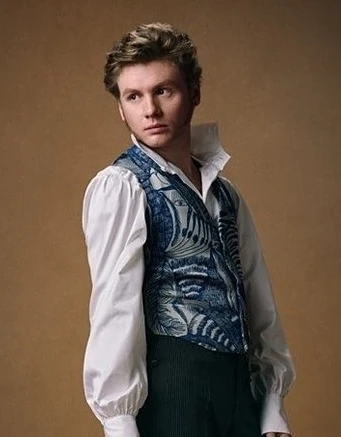
As of 2026, the estimated net worth of Archduke Karl von Habsburg, the current head of the House of Habsburg-Lorraine, is approximately $10 million to $20 million. However, the collective financial interests of the extended imperial family, managed through various private foundations and historical landholdings across Central Europe, are estimated to exceed $100 million.
The search for "Archduke net worth" typically targets the financial standing of the current head of the family or the historical wealth of the House of Habsburg. Because the Habsburgs were one of the most powerful dynasties in human history, there is often a misconception that they remain among the world’s billionaires. While they retain significant private assets, much of their former imperial wealth was nationalized or restructured following the collapse of the Austro-Hungarian Empire in 1918. In 2026, their wealth is defined by modern professional ventures, forestry, and complex legal entities rather than sovereign treasuries.
The Profile of Archduke Karl von Habsburg
To understand the current "Archduke net worth," one must first identify the primary holder of the title. Karl von Habsburg (Karl Thomas Robert Maria Franziskus Georg Bahnam von Habsburg-Lorraine) has served as the head of the house since 2007. Born in 1961, he is a politician, media professional, and the former President of the Paneuropean Union of Austria.
His personal net worth is built upon a combination of inherited private property and a career in public life. Unlike modern reigning monarchs who receive a "Civil List" or state salary, the Archduke is a private citizen. In Austria, the official use of noble titles was abolished in 1919, though the family is internationally recognized by their historical designations. His income streams include:
- Media and Consulting: Karl von Habsburg has been involved in various media enterprises and consulting roles within the European Union framework.
- Cultural Heritage Management: As the President of the Association of National Committees of the Blue Shield, he works in the protection of cultural goods, a role that, while often philanthropic, reinforces the family's global influence and professional standing.
- Political Career: His tenure as a Member of the European Parliament provided a stable professional background that differs from the passive wealth of many historical aristocrats.
Historical Impact on Modern Assets: The Habsburg Law
The primary reason "Archduke net worth" is not in the billions today is the Habsburg Law (Habsburgergesetz) passed in 1919. Following World War I, the newly formed Republic of German-Austria seized the "Court Property"—the vast assets used to support the imperial family and the administration of the state.
Nationalized vs. Private Assets
It is crucial to distinguish between the Crown Assets (nationalized) and Private Assets (retained). Iconic landmarks such as the Hofburg Palace in Vienna and the Schönbrunn Palace are state-owned and do not contribute to the Archduke's net worth.
However, the family fought extensive legal battles throughout the 20th and early 21st centuries to distinguish between property that belonged to the "State" and property that belonged to the "Family." Significant portions of private land, particularly in forestry and agriculture, remained in family hands or were partially restored through complex legal settlements. By 2026, these holdings remain the bedrock of the family’s underlying equity.
Modern Revenue Streams: Forestry and Land Management
The House of Habsburg remains one of the largest private landowners in Central Europe. While they no longer govern nations, they manage thousands of hectares of forest and agricultural land. In the context of 2026, these assets have increased in value due to the rising demand for sustainable timber and carbon credits.
Forestry Operations
The family’s involvement in forestry is primarily centered in Austria and portions of neighboring countries. Forestry is a "slow-money" investment that provides consistent, long-term returns. Modern management techniques have allowed the family to monetize these holdings through:
- Timber Production: High-quality European timber used in construction and furniture.
- Hunting Rights: Leasing land to private hunting parties is a traditional and lucrative use of European noble estates.
- Ecological Services: In the 2026 economy, the ability to trade carbon offsets from vast forested estates has become a significant modern revenue stream for large-scale landowners like the Habsburgs.
Archduke Ferdinand Zvonimir: The Next Generation
When discussing the Archduke net worth, many younger researchers are actually looking for Archduke Ferdinand Zvonimir von Habsburg, the son of Karl von Habsburg and heir to the headship. Born in 1997, Ferdinand has built a distinct professional identity as a professional racing driver.
Ferdinand Zvonimir’s personal net worth is estimated to be between $1 million and $5 million, largely independent of his family’s historical holdings. His wealth is derived from:
- Professional Racing Contracts: Competing in high-profile series like the FIA World Endurance Championship and the DTM (Deutsche Tourenwagen Masters).
- Sponsorship Deals: Using his unique status and racing talent to secure endorsements from luxury brands and technical partners.
- Public Speaking and Media: His role as a high-profile athlete with a historic name makes him a valuable figure for automotive and lifestyle branding.
Private Foundations and Asset Protection
A significant portion of the Habsburg wealth is held in Private Foundations (Privatstiftungen). This is a common legal structure in Austria and Liechtenstein designed to keep family wealth intact across generations and protect it from fragmentation through inheritance.
These foundations own real estate, art collections, and financial portfolios. Because foundations are separate legal entities, their total value is not always reflected in the personal net worth of a single individual like Karl von Habsburg. However, as the head of the house, he often serves as a primary beneficiary or director of these entities.
Art and Cultural Capital
While many of the most famous Habsburg treasures are in state museums (like the Imperial Treasury in Vienna), the family still possesses significant private collections. These include historical documents, portraits, and jewelry that are occasionally auctioned or lent to exhibitions. The "cultural capital" of the Habsburg name also allows the family to maintain a level of social and professional access that has indirect but substantial financial value.
Comparison of Historical and Modern Financial Status
To provide a clear picture of how "Archduke net worth" has evolved, the following table compares the family's assets at the height of the Empire versus their standing in 2026.
| Asset Category | Imperial Status (Pre-1918) | Modern Status (2026) |
|---|---|---|
| Real Estate | Dozens of Imperial Palaces | Private estates, hunting lodges, and apartments |
| Land | Millions of hectares across Europe | Estimated 20,000–50,000 hectares (private) |
| Income Source | State taxes and Crown domains | Forestry, media, racing, and investments |
| Legal Status | Sovereign rulers | Private citizens/foundations |
| Estimated Value | Incalculable (Billionaire equivalent) | $100M+ (Collective family interests) |
The Legal Struggles for Restitution
The net worth of the Archduke remains a topic of legal discussion in Austria. For decades, members of the family have sought the return of "private" assets they claim were incorrectly classified as "state" assets during the 1919 seizures.
While the Austrian Constitutional Court has generally upheld the state’s ownership of major monuments, smaller restitutions and settlements have occurred over the years. These legal maneuvers are critical to the "net worth" conversation, as any successful claim on a historical property can instantly increase the family's asset sheet by millions of euros. In 2026, the focus has shifted more toward the preservation of existing private holdings rather than large-scale restitution of palaces.
Frequently Asked Questions
1. Does the Archduke receive any money from the Austrian government?
No. Archduke Karl von Habsburg does not receive any state funding, stipends, or "sovereign grants." He and his family are private citizens and must fund their lifestyles through private income, investments, and professional careers. The state-owned palaces they once inhabited are managed by the Burghauptmannschaft Österreich, a government agency.
2. Is Karl von Habsburg the richest royal in Europe?
No. Karl von Habsburg’s net worth is modest compared to reigning monarchs like the King of the Netherlands or the Grand Duke of Luxembourg. It is also significantly lower than the heads of other non-reigning houses, such as the House of Thurn und Taxis or the House of Hohenzollern, who managed to retain larger portions of their private industrial and land assets through the 20th century.
3. How much of the Habsburg wealth is in art?
While a specific dollar amount is difficult to verify, the private art holdings of the various branches of the Habsburg family are estimated to be worth tens of millions of dollars. These are typically held in trusts or foundations to ensure they stay within the family rather than being sold for liquid cash.
4. What is Ferdinand Zvonimir von Habsburg's main source of wealth?
Ferdinand's wealth is primarily derived from his career as a professional racing driver. While he benefits from his family's social standing, the high costs of motor racing and the income generated from it are largely handled through professional teams and independent sponsors. He has been vocal about wanting to be judged on his performance on the track rather than his ancestry.
5. Can the Habsburgs use their titles in Austria?
Legally, no. In Austria, the "Adelsaufhebungsgesetz" (Law on the Abolition of Nobility) prohibits the use of noble titles and the "von" particle in official names. In everyday life and international contexts, they are referred to by their titles as a matter of courtesy and tradition, but on their Austrian passports, they are listed as "Karl Habsburg-Lothringen."
Summary of Financial Standing
The "Archduke net worth" in 2026 reflects a family that has successfully transitioned from imperial rulers to a modern, professional upper-class dynasty. While they are no longer among the world’s wealthiest sovereign rulers, their strategic management of land, forestry, and media, combined with the professional success of the younger generation in fields like motor racing, ensures they remain a financially significant and influential family in European society.
For those tracking the family's wealth, the most important areas to monitor are the timber markets of Central Europe and the legal status of private foundations in Austria, as these entities house the vast majority of the family’s long-term capital.