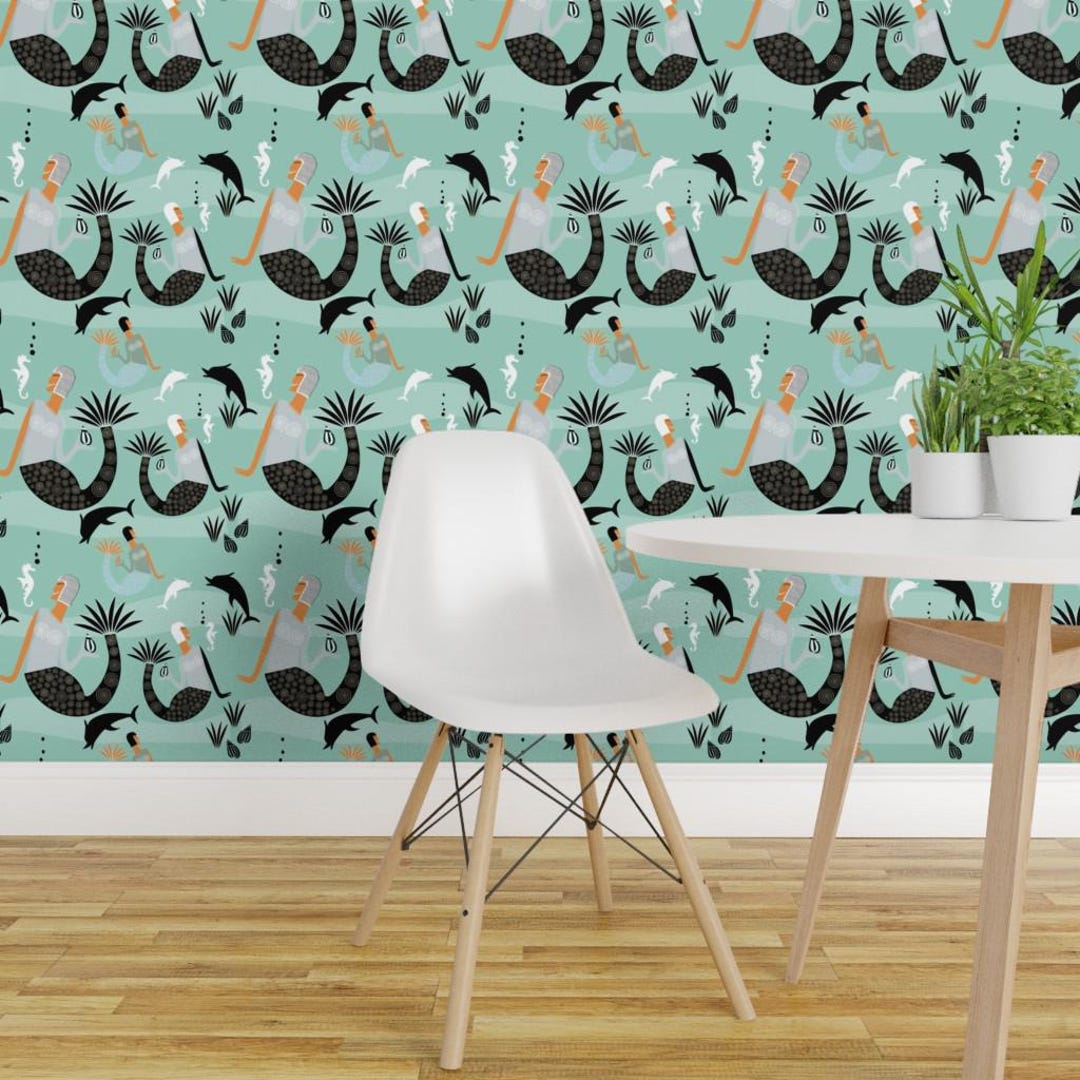
The incorporation of aquamarine mermaids into modern design reflects a sophisticated convergence of mythological symbolism, color psychology, and specialized material craftsmanship. Integrating these motifs requires a balance between literal maritime representation and abstract textural elegance, ensuring that the final output satisfies both thematic narrative needs and the structural demands of contemporary interior or graphic environments.
The Evolution of the Mermaid Motif in Contemporary Aesthetics
The mermaid, a persistent archetype in global folklore, has transitioned from archaic maritime superstition to a refined design element in 2026. In modern design, the focus has shifted toward stylized, minimalist, or highly intricate glass and metal-based representations. The use of "aquamarine" refers to both the gemstone-inspired color palette—ranging from pale cyan to deep, sea-glass green—and, occasionally, the literal inclusion of the beryl mineral in bespoke luxury installations.
In architectural and high-end residential design, the mermaid figure is rarely depicted in a kitschy, ornamental fashion. Instead, designers leverage fluid, biomorphic lines that mimic the creature’s silhouette. The aquamarine hue serves as the bridge between this organic form and modern color theory, which favors cool, calming tones to evoke biophilic responses. Biophilic design principles suggest that incorporating elements reminiscent of the natural world, specifically water-associated figures, can enhance the psychological comfort of interior spaces.
Material Selection and Technical Requirements
Choosing the right materials for mermaid-themed installations is critical to maintaining a "modern" rather than "nautical" aesthetic. The objective is to prioritize light reflection, transparency, and durability.
Glass and Resin Casting
Glass remains the primary medium for achieving the translucent qualities of an aquatic theme. Techniques such as kiln-formed glass, cast resin, and hand-blown sculptural elements allow for the precise reproduction of the aquamarine color spectrum. When working with resin, designers must account for UV stabilization to prevent the material from yellowing over time, which would compromise the clarity of the aquamarine tone.
Metalwork and Patination
For metallic applications—such as wall art or structural supports—bronze and stainless steel are frequently utilized. To achieve an aquamarine effect, artisans apply specialized patinas. A common technical error is the application of uniform color. Instead, professional designers recommend "gradient patination," where the metal transitions from deep, oceanic blues at the base (simulating depth) to lighter, crystalline aquamarine tones toward the higher points of the sculpture, enhancing the illusion of motion.
Comparative Analysis of Design Media
The choice of medium dictates the installation’s longevity, cost, and maintenance requirements. The following table summarizes the most common professional applications for mermaid-themed design elements.
| Medium | Durability | Aesthetic Versatility | Maintenance | Primary Use Case |
|---|---|---|---|---|
| Cast Glass | High | Superior | Low | Statement sculptures, art panels |
| Epoxy Resin | Moderate | High | Moderate | Furniture inlays, custom tabletops |
| Powder-Coated Metal | Very High | Moderate | Minimal | Outdoor installations, wall reliefs |
| Ceramic/Tile Mosaics | High | Moderate | Low | Swimming pools, bathroom backsplashes |
Strategic Implementation in Spatial Design
Integrating aquamarine mermaid motifs requires restraint. In modern design, "less is more" remains the governing principle. Over-saturation—placing multiple mermaid figures in a single field of vision—frequently results in a cluttered aesthetic that detracts from the intended sophisticated tone.
The Focal Point Approach
When designing for a residential living area, identify one vertical plane—such as a feature wall or a chimney breast—to serve as the canvas. If the mermaid is the primary subject, consider a bas-relief technique in plaster or stone, tinted with subtle aquamarine glazes. By keeping the background neutral (using matte greys, whites, or soft sands), the aquamarine elements are allowed to pop, effectively drawing the eye without overwhelming the room’s architecture.
Lighting and Refractive Quality
Lighting is the most overlooked component of mermaid-themed design. Because the theme is aquatic, the interaction with light is paramount. Position warm-toned, low-voltage LED uplighting beneath glass sculptures to simulate the play of light through ocean waves. This technique, often referred to as "caustics simulation," creates shifting, water-like shadows on adjacent surfaces, providing a dynamic element that changes depending on the time of day.
Addressing Practical Limitations and Constraints
While the aesthetic is compelling, designers often face structural and environmental challenges.
- Weight Loading: Large-scale glass or bronze sculptures require reinforced substrate. If installing on drywall, consider the structural limitations and the potential need for back-blocking within the wall cavity.
- Color Consistency: When sourcing aquamarine pigments or glass, be aware of metamerism—where colors appear different under varying light sources (e.g., natural sunlight versus 3000K LED bulbs). Always request material samples and view them in the final installation environment before committing to a full production run.
- Hydrophobic Coatings: For installations near bathrooms or outdoor water features, use professional-grade hydrophobic sealants on resin or glass components to prevent mineral deposits from water splashing, which can permanently cloud the surface and dull the aquamarine appearance.
Frequently Asked Questions
How do I prevent the mermaid motif from looking like a children's room theme? Focus on abstraction. Instead of literal, illustrative representations of a mermaid, utilize the silhouette or the symbolic elements of the creature, such as stylized scales or elongated, fluid tails. Combine these with high-end, mature materials like brushed brass, marble, or architectural glass rather than plastics or vibrant, cartoony paints.
What is the best way to incorporate "aquamarine" as a color without it looking like a beach house? Treat aquamarine as a metallic or a jewel tone. Pair it with charcoal, deep navy, or warm metallics like brushed gold or champagne bronze. The contrast between the cool brightness of the aquamarine and the dark, grounding neutral colors keeps the palette sophisticated rather than vacation-oriented.
Are there specific artists or design movements to study for inspiration? Look toward Art Nouveau for organic, flowing lines that work well with the mermaid form. For contemporary inspiration, research the work of glass artists who specialize in "dichroic" glass, which shifts color as you move around it, perfectly mimicking the changing light of the ocean.
How often does an aquamarine feature need to be refurbished? This depends entirely on the medium. A high-quality kiln-formed glass piece may last decades with simple cleaning. Resin, however, may require a surface polish every 3–5 years to remove micro-scratches and restore luster. Always consult the manufacturer's specific maintenance guidelines for the polymer or glass grade used.
Can this design be used in professional office environments? Yes, if used as an abstract "water element" to promote a calm atmosphere. Avoid literal figurative art in high-pressure corporate settings; instead, use custom-etched glass partitions that imply the movement of water and mermaid-inspired forms through light and shadow.
Final Recommendations for Success
To successfully execute an aquamarine mermaid design, prioritize the quality of the light interaction above all else. Start by creating a mood board that focuses on texture—the grit of sand, the smoothness of glass, and the coolness of polished metal. Before investing in custom art, mock up the scale of the mermaid figure using paper templates on the intended wall or surface. This step prevents the most common mistake in interior design: selecting a piece that is too small for the spatial volume, which can make the mermaid look like an afterthought rather than a deliberate, intentional design choice. By focusing on light, material maturity, and strategic placement, you ensure the motif remains a timeless artistic statement rather than a fleeting trend.