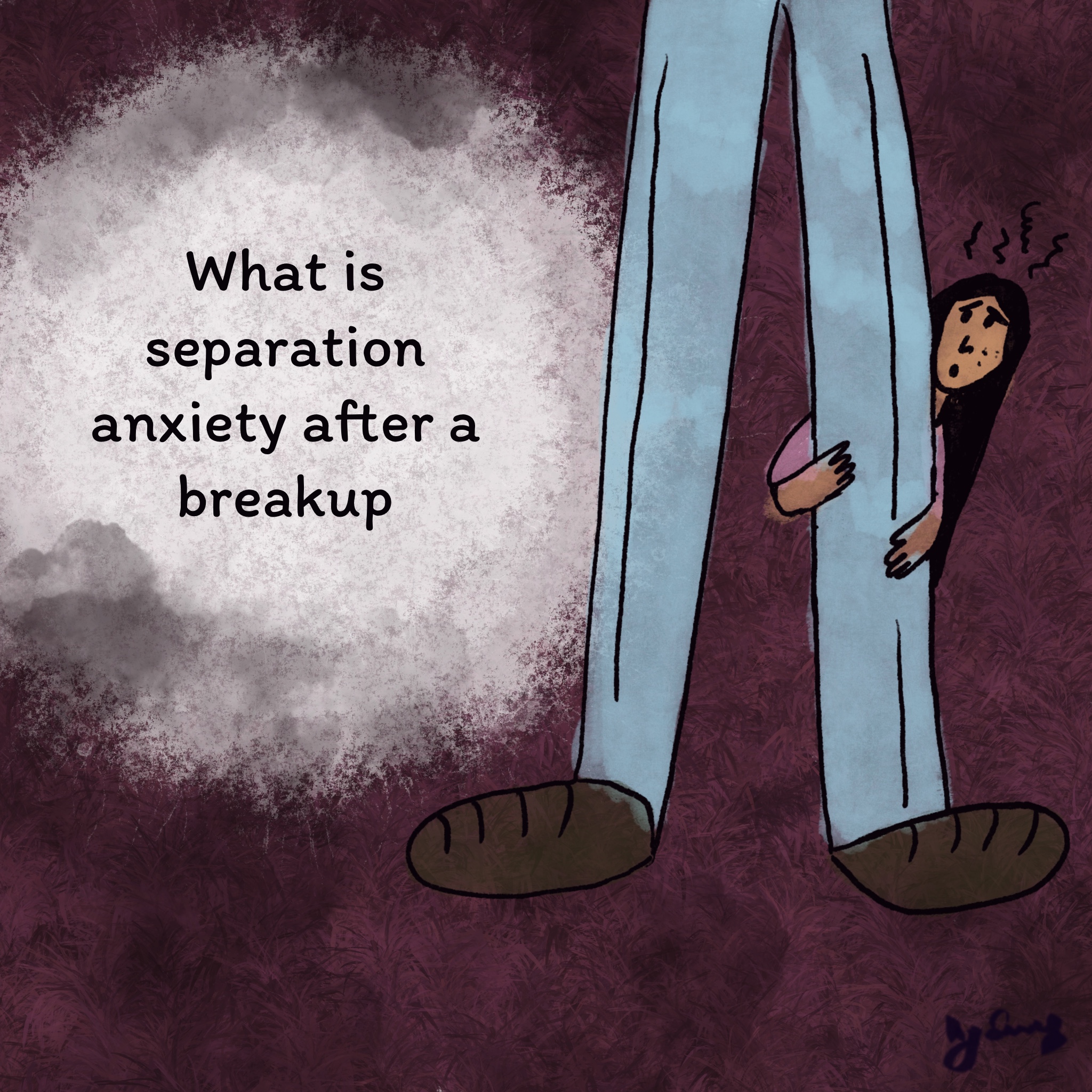
Experiencing anxiety post breakup is a physiological and psychological response to the sudden loss of an attachment figure and established routines. This emotional distress stems from neurochemical shifts—including sharp declines in dopamine and oxytocin alongside elevated cortisol—that trigger fight-or-flight nervous system responses. While intense, post-breakup anxiety is temporary and manageable through somatic grounding, digital boundaries, cognitive restructuring, and professional support.
Disclaimer: This article is for informational purposes only and does not constitute medical or mental health advice. If you are experiencing severe psychological distress, panic attacks, or thoughts of self-harm, please consult a licensed mental health professional or contact emergency medical services immediately.
The Biological and Psychological Drivers of Post-Breakup Anxiety
To manage post-breakup anxiety effectively, it is essential to understand that the distress experienced in the wake of a separation is not merely emotional—it is deeply rooted in human biology. Romantic relationships serve as primary attachment systems that regulate everything from emotional stability to physiological homeostasis. When a relationship ends unexpectedly or abruptly, the brain processes the separation as a crisis.
- Breakup Event
- Loss of Attachment Figure
- Neurochemical Drop (Dopamine/Oxytocin) + Cortisol Spike
- HPA Axis Activation
- Acute Physical & Psychological Anxiety
Attachment System Activation and Co-Regulation
Human beings are wired for attachment. In a romantic partnership, partners engage in mutual physiological co-regulation. Over time, your partner’s physical presence, voice, and touch help stabilize your heart rate, sleep cycles, and stress response mechanisms.
When that bond breaks, the attachment system enters a state of hyper-arousal known as "separation distress." The brain’s amygdala interprets the loss of the attachment figure as a threat to survival, activating the sympathetic nervous system. This triggers a surge of adrenaline and cortisol, manifesting as a persistent state of fight-or-flight anxiety.
Neurochemical Withdrawal
Neuroimaging research published by institutions such as the National Institutes of Health demonstrates that romantic rejection activates the same neural reward pathways associated with physical pain and substance addiction. During a relationship, positive interactions release dopamine (the reward and motivation neurotransmitter) and oxytocin (the bonding hormone).
When the relationship terminates, the brain experiences an abrupt drop in these neurochemicals while maintaining elevated craving responses. This sudden neurochemical withdrawal creates physical symptoms similar to chemical detoxification, including intense craving for contact, restlessness, nausea, and obsessive intrusive thoughts about the ex-partner.
Hypothalamic-Pituitary-Adrenal (HPA) Axis Hyperactivity
The psychological shock of a breakup stimulates the HPA axis, driving sustained secretions of cortisol. While temporary cortisol spikes help individuals manage acute crises, prolonged elevation leads to chronic physical anxiety symptoms, such as:
- Gastrointestinal Distress: Nausea, loss of appetite, or stomach cramps due to altered gut-brain signaling.
- Cardiovascular Reactivity: Palpitations, chest tightness, and hyperventilation.
- Sleep Architecture Disruption: Difficulty falling asleep, frequent night waking, and early morning awakening accompanied by intense dread.
Differentiating Normal Grief, Post-Breakup Anxiety, and Adjustment Disorders
Distinguishing standard grief from acute post-breakup anxiety or a clinical condition helps determine whether self-directed coping strategies are sufficient or if formal mental health intervention is required.
While emotional pain and sadness are universal following a breakup, anxiety introduces fear-based cognitive patterns, hypervigilance, and physical dysregulation.
| Feature | Standard Breakup Sadness / Grief | Acute Post-Breakup Anxiety | Clinical Adjustment Disorder / Anxiety |
|---|---|---|---|
| Primary Emotion | Deep sorrow, longing, sadness, regret. | Fear, panic, dread, inner restlessness. | Persistent terror, emotional numbness, despair. |
| Cognitive Focus | Reflecting on past memories, processing loss. | Catastrophizing the future, obsessive rumination. | Severe cognitive impairment, intrusive re-experiencing. |
| Physical Manifestation | Fatigue, crying spells, transient heaviness. | Tremors, chest tightness, nausea, racing heart rate. | Chronic panic attacks, persistent insomnia, severe GI illness. |
| Functional Impact | Able to perform basic daily responsibilities. | Difficult to focus; struggle with work and self-care. | Complete inability to function at work, school, or socially. |
| Typical Duration | Decreases gradually over weeks to months. | Fluctuates intensely; peaks within 2 to 6 weeks. | Persists beyond 3 to 6 months without relief. |
| Recommended Strategy | Emotional processing, social support, self-care. | Nervous system regulation, CBT tools, strict boundaries. | Professional psychotherapy, psychiatric evaluation. |
Acute Coping Strategies for Regulating the Nervous System
When anxiety peaks, abstract cognitive advice like "just move on" is ineffective because the prefrontal cortex—the brain's rational thinking center—is compromised by sympathetic nervous system activation. Immediate stabilization requires somatic, body-first techniques to signal safety to the brain.
Physiological Down-Regulation Techniques
To counteract the fight-or-flight state, you must activate the parasympathetic nervous system via the vagus nerve.
- The Physiological Sigh: Inhale deeply through the nose, take a second quick "top-off" inhale at the peak to fully expand the lung alveoli, then execute a long, slow exhale through the mouth. Repeat this cycle 3 to 5 times to rapidly lower heart rate.
- Box Breathing: Inhale for 4 seconds, hold breath for 4 seconds, exhale for 4 seconds, and hold empty for 4 seconds. Complete 4 rounds to regain physiological control.
- Cold Water Vagus Nerve Stimulation: Splash cold water on your face or place an ice pack on your chest for 30 to 60 seconds. This triggers the mammalian dive reflex, which automatically reduces heart rate and lowers acute panic.
The 5-4-3-2-1 Somatic Grounding Exercise
Grounding techniques pull the mind out of catastrophic future projections or obsessive past ruminations by reconnecting conscious awareness to immediate sensory environment input:
- 5 Things You Can See: Acknowledge specific environmental details (e.g., the texture of a desk, light passing through a window).
- 4 Things You Can Touch: Feel physical sensations (e.g., feet flat on the floor, fabric of your shirt).
- 3 Things You Can Hear: Focus on ambient background sounds (e.g., a humming refrigerator, distant traffic).
- 2 Things You Can Smell: Identify subtle aromas around you or smell an essential oil.
- 1 Thing You Can Taste: Focus on the current taste in your mouth or sip a glass of cold water.
Establishing Strict Digital Boundaries (The No-Contact Rule)
Every time you view an ex-partner's social media profile, re-read past messages, or check their location, the brain receives a micro-dose of dopamine followed immediately by a spike in anxiety and stress hormones. This cycle reinforces neurochemical addiction and keeps the attachment system hyper-activated.
- Check Ex's Profile
- Temporary Dopamine Spike
- Reality Check/Uncertainty
- Cortisol & Adrenaline Spike
- Increased Anxiety & Obsessive Urges
To break this loop:
- Enforce a strict No-Contact Rule: Cease texting, calling, and viewing their digital profiles.
- Block or mute accounts across all platforms to reduce passive exposure to triggers.
- Remove shared photo albums from main phone screens and store them in hidden archives to prevent impulsive checking during emotional vulnerabilities.
Cognitive Restructuring and Psychological Processing
Once immediate physical distress is managed, addressing the psychological patterns perpetuating long-term anxiety becomes necessary. Post-breakup anxiety is frequently driven by cognitive distortions—irrational thought patterns that amplify feelings of helplessness and panic.
Disrupting Intrusive Rumination
Rumination involves repeatedly replaying past arguments, trying to identify exact moments things went wrong, or mentally rehearsing impossible reconciliation scenarios. While rumination feels like problem-solving, it actually feeds anxiety by keeping the threat response active.
To break rumination cycles:
- Identify Cognitive Distortions: Notice when thoughts jump to extremes such as catastrophizing ("I will be alone forever") or personalization ("I was completely inadequate, which is why they left").
- Implement Thought-Stopping and Redirection: When an intrusive thought arises, explicitly label it: "This is a rumination response driven by my nervous system, not an objective truth."
- Schedule a "Worry Window": Designate a specific 15-minute period each day (e.g., 4:00 PM to 4:15 PM) to write down breakup anxieties. If intrusive thoughts occur outside this window, postpone addressing them until the designated time. This restores a sense of agency over your thought processes.
Expressive Writing Protocols
Pioneered by psychological researcher James Pennebaker, expressive writing helps translate raw, chaotic emotional distress into structured linguistic narratives. Research curated by the American Psychological Association shows that structured writing reduces intrusive thoughts and improves immune and psychological functioning.
- The Protocol: Set a timer for 15 minutes per day over 4 consecutive days. Write continuously about your deepest emotions and thoughts regarding the breakup without editing spelling, grammar, or structure.
- The Focus: Shift the narrative focus over the 4 days from what happened to how you are making sense of the transition and what lessons or personal values you are prioritizing moving forward.
Restoring Self-Concept Clarity
A breakup disrupts an individual's "self-concept clarity"—the clear, coherent understanding of who one is outside of a relationship. Couples often develop shared identities, preferences, and routines. Losing this framework leads to identity confusion, which directly fuels underlying existential anxiety.
Rebuilding self-concept clarity involves intentionally engaging in solo activities, rekindling pre-relationship hobbies, setting independent personal goals, and articulating personal values independent of romantic validation.
Lifestyle and Behavioral Interventions for Long-Term Recovery
Physical health practices directly influence psychological resilience. Sustained post-breakup anxiety depletes energy reserves, making structured daily routines crucial for recovery.
Circadian Rhythm Stabilization and Sleep Hygiene
Sleep disruption is a primary multiplier of breakup anxiety. Elevated cortisol levels often disrupt normal melatonin production, leading to insomnia or middle-of-the-night panic.
- Morning Sunlight Exposure: Get 10 to 15 minutes of direct sunlight exposure within an hour of waking to anchor your circadian clock and optimize nighttime melatonin production.
- Fixed Sleep-Wake Schedules: Maintain strict wake-up times every day, regardless of how well you slept the night before.
- Wind-Down Protocol: Turn off screens 60 minutes before bed. Replace screen time with non-stimulating activities like reading printed books, gentle stretching, or listening to non-arousing audio.
Targeted Exercise for Brain-Derived Neurotrophic Factor (BDNF)
Physical exercise is one of the most effective non-pharmacological interventions for reducing anxiety. Exercise stimulates the release of endorphins, lowers circulating stress hormones, and elevates Brain-Derived Neurotrophic Factor (BDNF), a protein that promotes neuroplasticity and emotional resilience.
- Aerobic Exercise: Moderate-intensity aerobic activities (e.g., brisk walking, running, cycling, swimming) for 30 minutes, 4 to 5 times per week, significantly reduce systemic anxiety.
- Resistance Training: Weightlifting or bodyweight exercises twice weekly build physical self-efficacy, ground bodily awareness, and counteract stress-induced physical fatigue.
When to Seek Professional Support
While anxiety is a expected response to romantic dissolution, severe or protracted symptoms can transition into clinical anxiety disorders, major depressive episodes, or complicated grief.
- Symptom Onset
- Acute Phase (Weeks 1-4)
- Gradual Reduction?
- YES: Continued Self-Care & Recovery
- NO: Professional Mental Health Assessment
Red Flag Indicators for Professional Evaluation
Consider reaching out to a licensed mental health professional if you experience any of the following for longer than two consecutive weeks:
- Inability to maintain basic nutritional intake or significant, unplanned weight loss.
- Severe insomnia that does not respond to standard sleep hygiene practices.
- Frequent, unmanageable panic attacks that disrupt work or daily obligations.
- Persistent feelings of worthlessness, hopelessness, or emotional numbness.
- Intrusive, passive, or active thoughts of self-harm or suicide.
If you are experiencing suicidal ideation or acute crisis in the United States, call or text 988 to reach the Suicide & Crisis Lifeline, available 24 hours a day, 7 days a week. Services are free and confidential. If you are outside the U.S., please contact your local emergency health service.
Evidence-Based Therapeutic Approaches
Mental health professionals utilize several structured, evidence-based interventions to address post-breakup anxiety:
- Cognitive Behavioral Therapy (CBT): Focuses on identifying and modifying negative thought loops, core beliefs, and maladaptive behaviors associated with the loss.
- Acceptance and Commitment Therapy (ACT): Helps individuals accept painful emotional experiences without over-identifying with them, while committing to actions aligned with personal values.
- Attachment-Based Psychotherapy: Explores how early childhood attachment styles (anxious, avoidant, disorganized) influence adult romantic behavior and coping responses post-breakup.
- Eye Movement Desensitization and Reprocessing (EMDR): Useful if the breakup involved sudden trauma, betrayal, or emotionally abusive dynamics that trigger post-traumatic stress responses.
Frequently Asked Questions
How long does post-breakup anxiety usually last?
Acute post-breakup anxiety typically peaks within the first 2 to 6 weeks following the separation as the brain adjusts to neurochemical withdrawal and attachment loss. With consistent self-care, somatic regulation, and strict digital boundaries, physical anxiety symptoms generally diminish over 2 to 3 months. However, total emotional processing varies based on relationship duration, depth of attachment, and individual resilience.
Why does post-breakup anxiety feel significantly worse in the morning?
Morning breakup anxiety is driven by the human circadian cortisol response. Cortisol levels naturally peak within 30 to 45 minutes of waking to help transition the body into consciousness. When your nervous system is hyper-sensitized by emotional trauma, this physiological cortisol surge combines with immediate cognitive awareness of the breakup, creating intense feelings of panic or dread upon waking.
Can a breakup trigger actual panic attacks?
Yes. A sudden or distressing breakup can overwhelm the autonomic nervous system, triggering acute panic attacks characterized by rapid heart rate, chest pain, shortness of breath, dizziness, and intense fear of losing control. These attacks stem from an overactive fight-or-flight response signaling life-threatening danger due to sudden social and attachment rupture.
Is physical chest pain normal during post-breakup distress?
Physical chest discomfort, often described as a tight or aching sensation, is a recognized symptom of emotional distress. Stress hormones cause blood vessels to constrict and intercostal muscles around the rib cage to tense up. Extreme cases can trigger Takotsubo Cardiomyopathy (often called Broken Heart Syndrome), a temporary cardiac condition. While often benign and stress-induced, any severe or radiating chest pain should be evaluated medically to rule out underlying cardiac issues.
Should I reach out to my ex if my anxiety becomes unmanageable?
Reaching out to an ex to soothe acute anxiety provides temporary emotional relief, but it disrupts long-term nervous system recovery. Contacting an ex triggers brief dopamine spikes followed by renewed anxiety, prolonging neurochemical withdrawal and emotional instability. Managing anxiety through self-soothing, somatic exercises, and personal support networks is far more effective for sustainable healing.
Immediate Action Plan for Post-Breakup Recovery
To move from acute distress toward emotional regulation and independence, implement this step-by-step recovery framework:
Phase 1: Stabilize the Body (Days 1–14)
- Enforce Digital Boundaries: Mute, block, or delete your ex on social media and communication platforms. Put physical distance between yourself and triggering reminders.
- Master Acute Regulation: Practice physiological sighs or 5-4-3-2-1 grounding twice daily and immediately whenever panic symptoms arise.
- Protect Baseline Health: Prioritize eating simple, nutrient-dense meals at regular intervals, even if your appetite is low, and keep hydrated.
Phase 2: Process and Structure (Weeks 3–6)
- Establish Morning Routines: Step outside for 10 minutes of direct morning sunlight within an hour of waking to stabilize your circadian rhythm and cortisol levels.
- Implement Expressive Writing: Write about your emotional experience for 15 minutes daily across 4 consecutive days to process intrusive thoughts and reduce cognitive load.
- Commit to Regular Exercise: Engage in 30 minutes of moderate aerobic exercise 4 times a week to release BDNF and reduce stress hormones.
Phase 3: Rebuild Self-Concept and Vision (Weeks 7+)
- Reclaim Autonomy: Pick up a pre-relationship hobby or enroll in a new class or skill-building project to rebuild independent self-identity.
- Expand Social Support: Schedule dedicated social activities with friends, family, or support groups to experience non-romantic social co-regulation.
- Evaluate Progress: Assess your anxiety levels. If functional impairment or deep distress persists unchanged, schedule an intake appointment with a qualified licensed therapist.