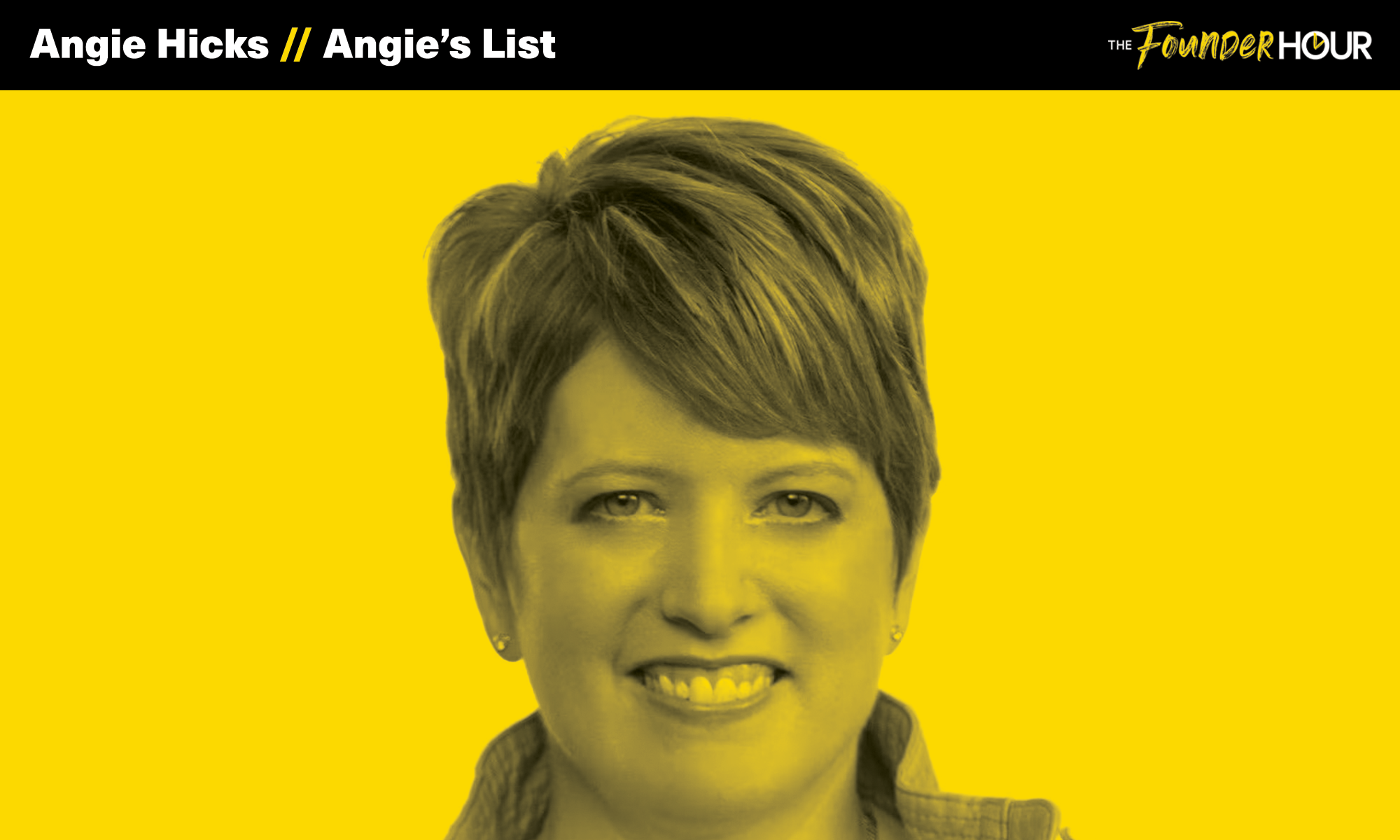
Angie Hicks has an estimated net worth between $50 million and $100 million, primarily accumulated through her founding equity in Angie’s List, subsequent stock conversions following the 2017 IAC buyout and creation of Angi Inc., executive compensation as Chief Customer Officer, and long-term corporate governance roles.
Who Is Angie Hicks? The Founding of Angie's List
Angela R. Hicks, widely known as Angie Hicks, is an American businesswoman and tech founder best known for co-creating Angie’s List, one of the earliest digital review and service recommendation marketplaces in the United States. Born and raised in Indiana, Hicks earned a Bachelor of Arts in Economics from DePauw University in 1995 and later completed a Master of Business Administration (MBA) at Harvard Business School in 2000.
The origin of Angie’s List traces back to 1995 in Columbus, Ohio. Working alongside her mentor and co-founder, venture investor Bill Oesterle, Hicks launched "Columbus Neighbors," a printed newsletter aimed at helping local homeowners locate reliable construction, plumbing, and home maintenance contractors based on unvarnished consumer reviews. Hicks personally went door-to-door recruiting early members and vetting local service providers.
- 1995: Founded in Columbus as a local printed neighborhood directory
- 2000s: Expanded to dozens of US metro areas, transitioning to a paid online portal
- 2011: Initial Public Offering (IPO) on NASDAQ (Ticker: ANGI)
- 2017: Acquired by IAC and merged with HomeAdvisor to form ANGI Homeservices
- Present: Rebranded as Angi Inc., operating as a major home-services enterprise
As the internet expanded in the late 1990s and early 2000s, Columbus Neighbors relocated its headquarters to Indianapolis, Indiana, and rebranded as Angie’s List. The platform distinguished itself from traditional business directories by requiring users to pay annual membership fees, which preserved reviewer objectivity and eliminated paid advertiser manipulation. This fee-based model laid the foundation for decades of corporate growth, culminating in a major national enterprise.
Quantifying Angie Hicks’ Net Worth: Key Estimates and Assets
Evaluating the net worth of an entrepreneur like Angie Hicks requires looking beyond basic liquid holdings. Her overall financial profile is tied to historical equity allocations, corporate M&A transactions, executive salaries, stock option grants, and investment diversification over a 30-year career.
Primary Components of Her Financial Profile
- Founding & Pre-IPO Equity: As a co-founder, Hicks held significant equity in Angie’s List, Inc. prior to its public listing. Early capital rounds diluted original founder stakes, but Hicks maintained a valuable position leading into the company's public debut.
- Public Market Liquidity Events: The November 2011 IPO of Angie’s List on the NASDAQ (under the original ticker ANGI) priced shares at $13 per share, valuing the company at over $600 million. Public disclosures revealed that executive equity holdings yielded substantial liquid value through controlled sales and stock award vesting schedules over the following years.
- The IAC Buyout & Equity Rollover (2017): When InterActiveCorp (IAC) acquired Angie’s List in 2017 for approximately $500 million, shareholders—including Hicks—received a combination of cash and stock in the newly created entity, ANGI Homeservices Inc. (now operating as Angi Inc.). This transaction converted her legacy shares into equity in a broader home-services platform alongside HomeAdvisor.
- Executive Compensation and Governance Fees: Serving for years as Chief Customer Officer and a member of the Board of Directors, Hicks earned annual executive compensation consisting of base salaries, performance-based cash bonuses, and restricted stock units (RSUs). SEC filings from public filings reveal regular executive award packages standard for Nasdaq-listed technology directors.
- Private Capital & Board Positions: Beyond Angi Inc., Hicks has served on university boards (including DePauw University) and engaged in regional business investments, angel investing, and public speaking engagements that supplement her capital base.
Financial Milestones: Angie’s List to Angi Inc.
To understand how Angie Hicks built her net worth, it is helpful to look at the growth of her company across its key financial phases:
| Financial Phase | Era | Valuation / Deal Size | Hicks' Key Executive / Financial Status | Primary Wealth Driver |
|---|---|---|---|---|
| Founding & Bootstrapping | 1995–2003 | Local seed capital (<$1M) | Co-Founder & General Manager | Sweat equity, door-to-door membership sales |
| Venture Expansion | 2004–2010 | Enterprise expansion funding | Co-Founder & Corporate Executive | Institutional venture backing (e.g., CityScape Ventures, Battery Ventures) |
| Initial Public Offering | 2011 | ~$650 Million initial market cap | Director & Chief Customer Officer | Public equity conversion; stock options value real estate |
| Freemium Business Pivot | 2016 | ~$400M–$500M market cap | Chief Customer Officer & Board Director | Monetization shift from paywall fees to contractor lead generation |
| IAC Merger / Angi Inc. | 2017 | ~$500 Million buyout price | Chief Customer Officer, Board Director | Share conversion into ANGI Homeservices parent equity |
| Modern Corporate Era | 2020–2026 | Fluctuating public market capitalization | Former C-Suite / Board Alumna | Portfolio diversification, equity holdings, executive equity grants |
The Financial Evolution of Angie’s List
The trajectory of Angie Hicks' net worth reflects the major shifts in how digital consumer platforms generated revenue over the last three decades.
- 1995-2015: Subscription Model
- Homeowners Pay Annual Membership Fees
- Guarantees Ad-Free Review Integrity
- 2016 Shift: Freemium Transition
- Free Tier Introduced for Consumers
- Monetization Moves to Service Provider Lead Fees
- 2017 Buyout: IAC Acquisition
- Angie's List + HomeAdvisor Merge
- Forms ANGI Homeservices (Angi Inc.)
Phase 1: The Subscription Model (1995–2015)
Unlike platforms that relied immediately on aggressive venture debt or ad revenue, Angie’s List originally operated as a closed, paid network. Consumers paid an annual subscription fee ranging from $10 to $50 to access verified contractor reviews. This subscription cash flow funded geographical expansion into top 50 U.S. metropolitan markets without requiring immediate massive venture dilution for the founders.
Phase 2: The 2011 IPO and Wall Street Recognition
When Angie's List filed its S-1 registration statement with the U.S. Securities and Exchange Commission (SEC) in 2011, it reported rapid revenue growth alongside expanding operating losses tied to high member acquisition costs. Despite market skepticism regarding customer retention costs, the IPO raised over $114 million. The listing provided public market liquidity, unlocking equity value for early employees, institutional investors, and Hicks herself.
Phase 3: The Freemium Pivot and Monetization Pressures
By 2016, competition from free review services like Google Reviews, Yelp, and specialized contractor portals created headwinds for the paid subscription model. Angie’s List dropped its consumer paywall, transitioning to a freemium framework. While basic access became free, monetization shifted heavily toward charging service providers for premium placement, lead distribution, and transaction processing. This pivot stabilized user numbers but compressed profit margins, triggering strategic review options.
Phase 4: The 2017 IAC Buyout and Angi Inc. Scale
In May 2017, Barry Diller’s media conglomerate IAC announced an agreement to combine Angie’s List with HomeAdvisor. The transaction valued Angie’s List at approximately $8.50 per share in cash or stock options, representing a premium over its prevailing market price. The creation of ANGI Homeservices Inc. consolidated consumer demand across home improvement, offering unprecedented scale.
Hicks retained a high-profile role inside the combined entity, serving as Chief Customer Officer and spokesperson while holding seats on corporate boards. Her equity was exchanged for stock in the newly listed conglomerate, protecting her wealth from single-entity volatility through integration into IAC’s broader corporate footprint.
Executive Compensation and Stock Holdings
For executives of publicly traded companies, net worth is closely tied to public SEC disclosures, including Form 4 filings (disclosing changes in beneficial ownership) and annual DEF 14A proxy statements.
| Component | Description |
|---|---|
| 1. Base Salary | Cash compensation |
| 2. Cash Incentives | Metric-based bonuses |
| 3. Stock Grants (RSUs) | Long-term equity vesting |
| 4. Executive Options | Asset liquidity channels |
Analysis of public filings for Angie’s List and ANGI Homeservices over her tenure highlights key aspects of her executive compensation:
- Base Salary & Performance Cash: During her active tenure as an officer, Hicks received annual base salaries standard for mid-cap tech executives, paired with short-term cash incentive bonuses tied to user acquisition and operational performance.
- Equity Grants (RSUs and Options): A major portion of her annual compensation was delivered via Restricted Stock Units (RSUs) and stock options. Equity vesting schedules over four-year windows ensured long-term alignment with institutional shareholders.
- Stock Sale Schedules (Rule 10b5-1 Plans): Like most corporate insiders, Hicks utilized structured Rule 10b5-1 trading plans to execute stock sales systematically over time. This approach allows executives to liquidate shares at pre-determined dates, reducing market impact and managing personal portfolio concentration.
Comparative Analysis: Female Founders in Marketplace Tech
Placing Angie Hicks’ financial success in context requires comparing her path with other pioneering female founders who built consumer marketplace platforms during the same era.
- Bootstrapped Local Expansion (Angie's List Model)
- Paid Subscription Model (Consumer-Led)
- Public IPO (2011 NASDAQ)
- Strategic M&A Buyout (IAC Merger 2017)
Contrast with Venture-Hyper-Scale Models
Founders such as Katrina Lake (Stitch Fix) or Whitney Wolfe Herd (Bumble) raised hundreds of millions of dollars in Silicon Valley venture capital early in their lifecycle to achieve immediate global scale. While hyper-scale models can generate higher top-line valuations at IPO, they often result in significant dilution for early founders.
In contrast, Angie Hicks and Bill Oesterle built Angie’s List during an era when Midwest technology hubs relied heavily on capital efficiency and direct operational profitability. Hicks maintained high operational leadership and equity involvement over a 25-plus-year operational arc, securing wealth through steady execution, public liquidity, and a strategic enterprise buyout.
Strategic Wealth Lessons from Angie Hicks’ Journey
The story of Angie Hicks' net worth offers practical lessons for business owners, tech founders, and equity investors:
1. Brand Equity Translates to Financial Equity
Angie Hicks was not merely an equity holder; she was the literal face and trusted brand ambassador of the company. Her image and voice appeared across national television, print advertisements, and digital campaigns for decades. Personal brand alignment built consumer trust, lowered customer acquisition costs, and increased the strategic enterprise value of the company during acquisition negotiations.
2. Business Model Flexibility Preserves Assets
When market dynamics changed and subscription paywalls became a barrier to user growth, the leadership team shifted to lead-generation monetization. Founders who adapt their pricing and access models preserve equity value, while those who remain rigid risk obsolescence.
3. Mergers and Acquisitions Can Protect Founder Wealth
Selling a founder-led company or merging with a larger competitor is often the best way to protect long-term financial gains. By combining Angie’s List with IAC’s HomeAdvisor, Hicks and her board ensured the enterprise gained market scale while offering shareholders liquidity and downside protection in a competitive market.
Frequently Asked Questions (FAQs)
What is Angie Hicks' estimated net worth in 2026?
Independent financial tracking and historical SEC disclosure analyses estimate Angie Hicks’ net worth between $50 million and $100 million. This total reflects historical stock sales, equity in Angi Inc., executive compensation, and external investments.
How much did Angie’s List sell for in 2017?
In May 2017, InterActiveCorp (IAC) acquired Angie’s List in a transaction valued at approximately $500 million. The deal combined Angie’s List with IAC’s HomeAdvisor to create a new publicly traded entity, ANGI Homeservices Inc. (now Angi Inc.).
Did Angie Hicks found Angie’s List by herself?
No. Angie Hicks co-founded the enterprise in 1995 alongside venture investor Bill Oesterle. Oesterle provided early investment capital and strategic direction, while Hicks managed initial door-to-door sales, contractor vetting, and operational expansion.
Is Angie Hicks still involved with Angi Inc.?
While Hicks stepped down from day-to-day executive officer duties following the platform's post-merger integration, she has historically served as a board director, brand ambassador, and key strategic consultant for the company.
How did Angie’s List originally make money?
Angie’s List began as a paid subscription service where homeowners paid annual membership fees to access verified contractor reviews. In 2016, the company dropped its consumer paywall and shifted to a freemium model, generating revenue primarily through contractor advertising, sponsored placement, and lead-generation fees.
Practical Takeaway: Lessons for Modern Entrepreneurs
Angie Hicks’ career demonstrates that long-term financial success stems from building scalable solutions to real-world consumer problems.
- Prioritize Unit Economics: Focus on customer acquisition costs and lifetime value early in your company's lifecycle.
- Protect Strategic Equity: Manage early capitalization tables carefully so founders retain meaningful equity stakes through future growth rounds and exit events.
- Embrace M&A Opportunities: Evaluate consolidation opportunities when market conditions change to protect company equity and scale operations efficiently.
Disclaimer: Net worth figures and equity estimations presented in this article are derived from publicly available financial reporting, SEC filings, media analyses, and industry databases. These figures serve as contextual financial estimates rather than exact accounting statements.