The AMD FX series represents a distinct era in high-performance computing, characterized by the utilization of the Bulldozer microarchitecture and the transition to the AM3+ socket platform. Released between 2011 and 2014, these processors were designed to offer high clock speeds and multi-core versatility, specifically targeting power users, gamers, and enthusiasts looking for overclocking potential on a competitive budget during that hardware generation.
The Genesis of the AMD FX Series
The AMD FX brand was resurrected in 2011, shifting away from the K10 architecture to the modular "Bulldozer" microarchitecture. This design was a radical departure from traditional CPU engineering. Instead of using separate, fully independent cores, AMD employed a "module" design. Each module contained two integer cores that shared floating-point hardware, a front-end fetch/decode unit, and an L2 cache.
The objective of this design was to improve efficiency in multi-threaded workloads, where the shared resources could be leveraged to handle high-concurrency tasks more effectively. However, this architectural choice became the defining characteristic of the series, leading to significant debate regarding how "cores" were counted and utilized in real-world software.
Architecture and Technical Specifications
The primary technical identifier of the FX series, specifically the Zambezi (first-gen) and Vishera (second-gen) iterations, is the reliance on high clock frequencies. By utilizing the 32nm Silicon-on-Insulator (SOI) process technology, AMD pushed these chips to base frequencies often exceeding 3.5 GHz and boost clocks surpassing 4.0 GHz.
Module-Based Design
The module design was the core of the FX series' identity. Because floating-point operations were shared within the module, the CPUs excelled in scenarios that could saturate the integer pipelines, such as video rendering or specific compression tasks. Conversely, applications that relied heavily on floating-point performance—such as older games or specialized scientific software—often saw limited scaling compared to competitors using monolithic, independent cores.
The AM3+ Socket Ecosystem
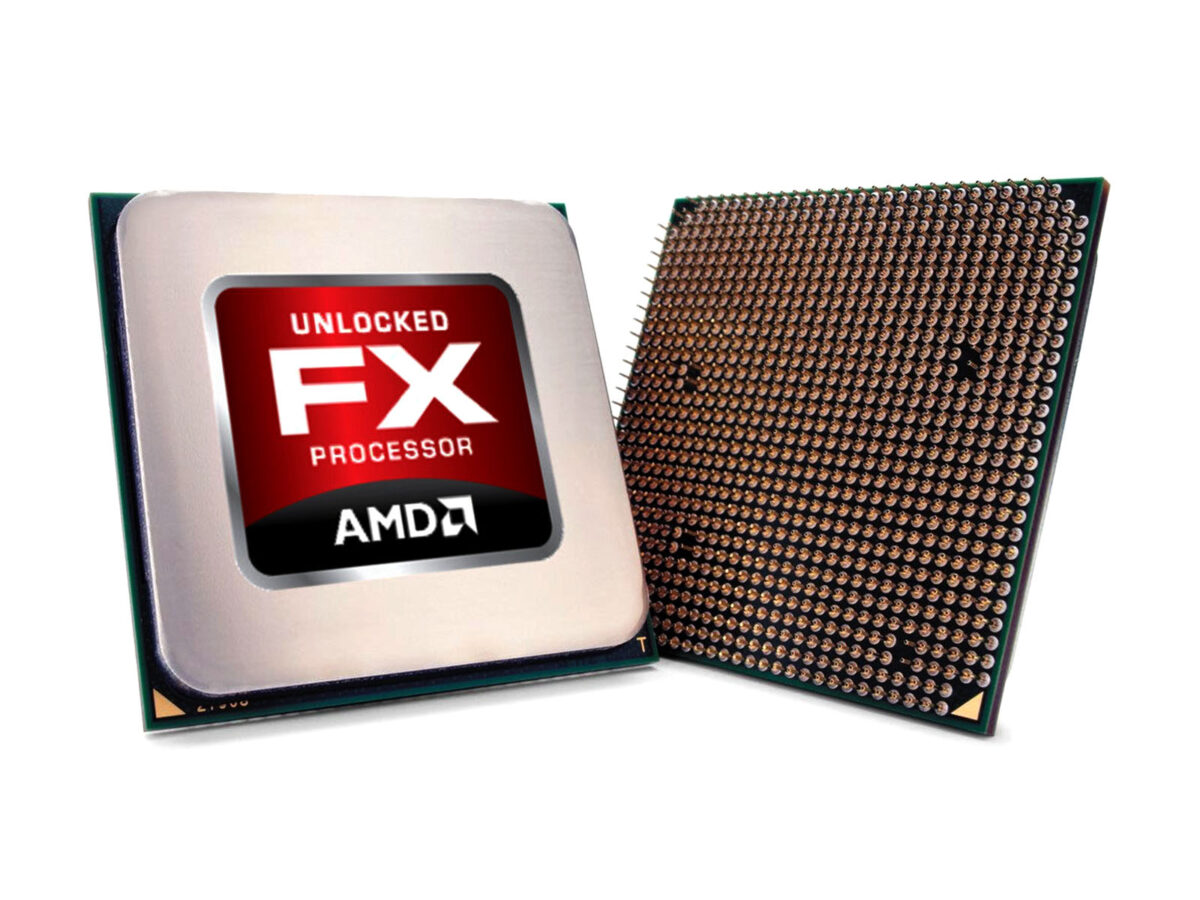
The FX series utilized the AM3+ socket (Socket AM3b). This platform introduced several advancements for AMD, including:
- DDR3 Memory Support: Providing a significant bandwidth increase over previous DDR2-based systems.
- HyperTransport 3.1: Facilitating high-speed communication between the processor and the motherboard chipset.
- Crossfire and SLI Compatibility: Many high-end AM3+ motherboards (such as those using the 990FX chipset) provided robust support for multi-GPU configurations, cementing the series as a staple for budget-conscious gaming rigs of the early 2010s.
Vishera: The Refined Performance Peak
In 2012, AMD introduced the Vishera-based FX processors, most notably the FX-8350. This update utilized the "Piledriver" core, which offered an approximate 10-15% improvement in instructions-per-clock (IPC) compared to the original Bulldozer design. The FX-8350 became the flagship, offering 8 threads and substantial overclocking headroom, often allowing enthusiasts to push these chips well beyond 4.5 GHz with adequate air or liquid cooling.
Comparison of Notable AMD FX Processor Tiers
| Processor | Codename | Cores/Modules | Base/Boost Clock | TDP (Thermal Design Power) |
|---|---|---|---|---|
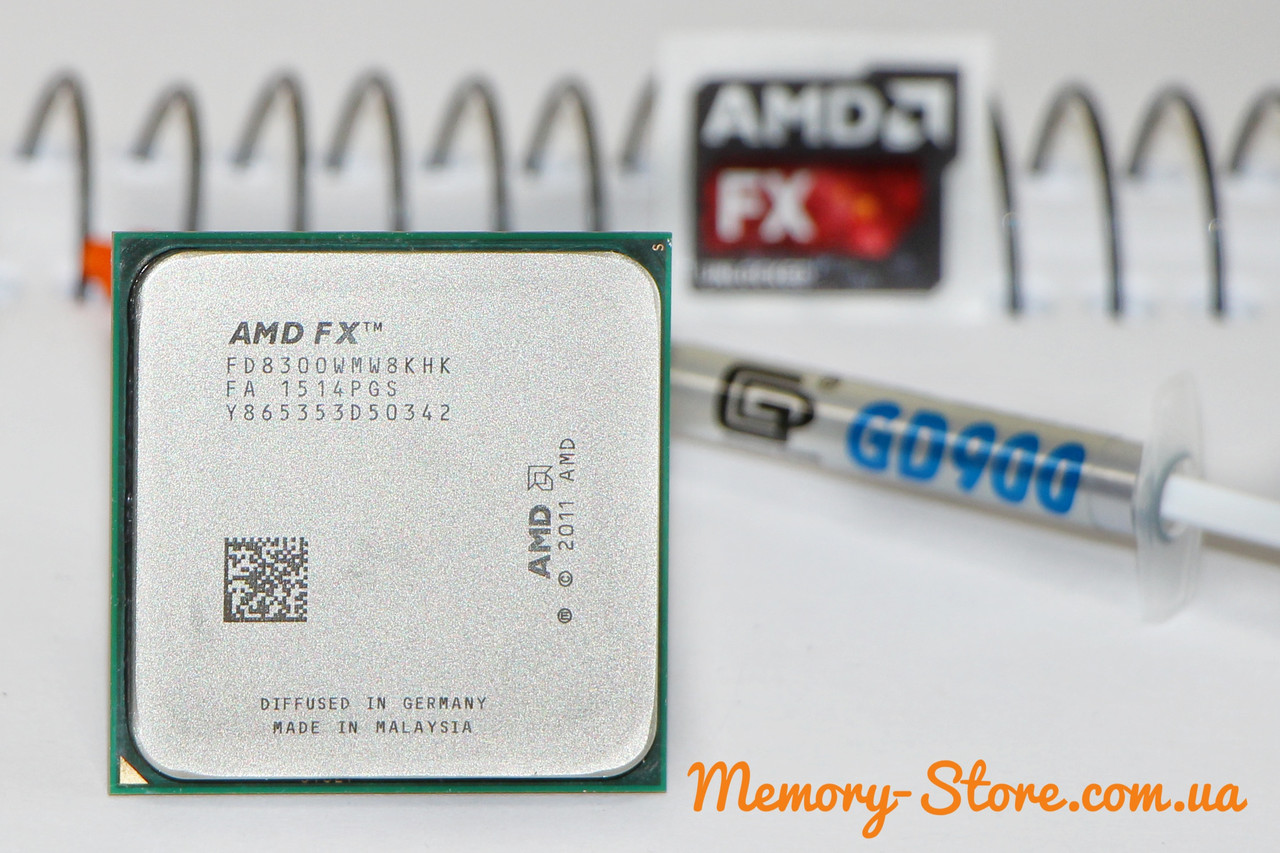
| FX-8350 | Vishera | 8 Cores / 4 Modules | 4.0 / 4.2 GHz | 125W |
| FX-8320 | Vishera | 8 Cores / 4 Modules | 3.5 / 4.0 GHz | 125W |
| FX-6300 | Vishera | 6 Cores / 3 Modules | 3.5 / 4.1 GHz | 95W |
| FX-4300 | Vishera | 4 Cores / 2 Modules | 3.8 / 4.0 GHz | 95W |
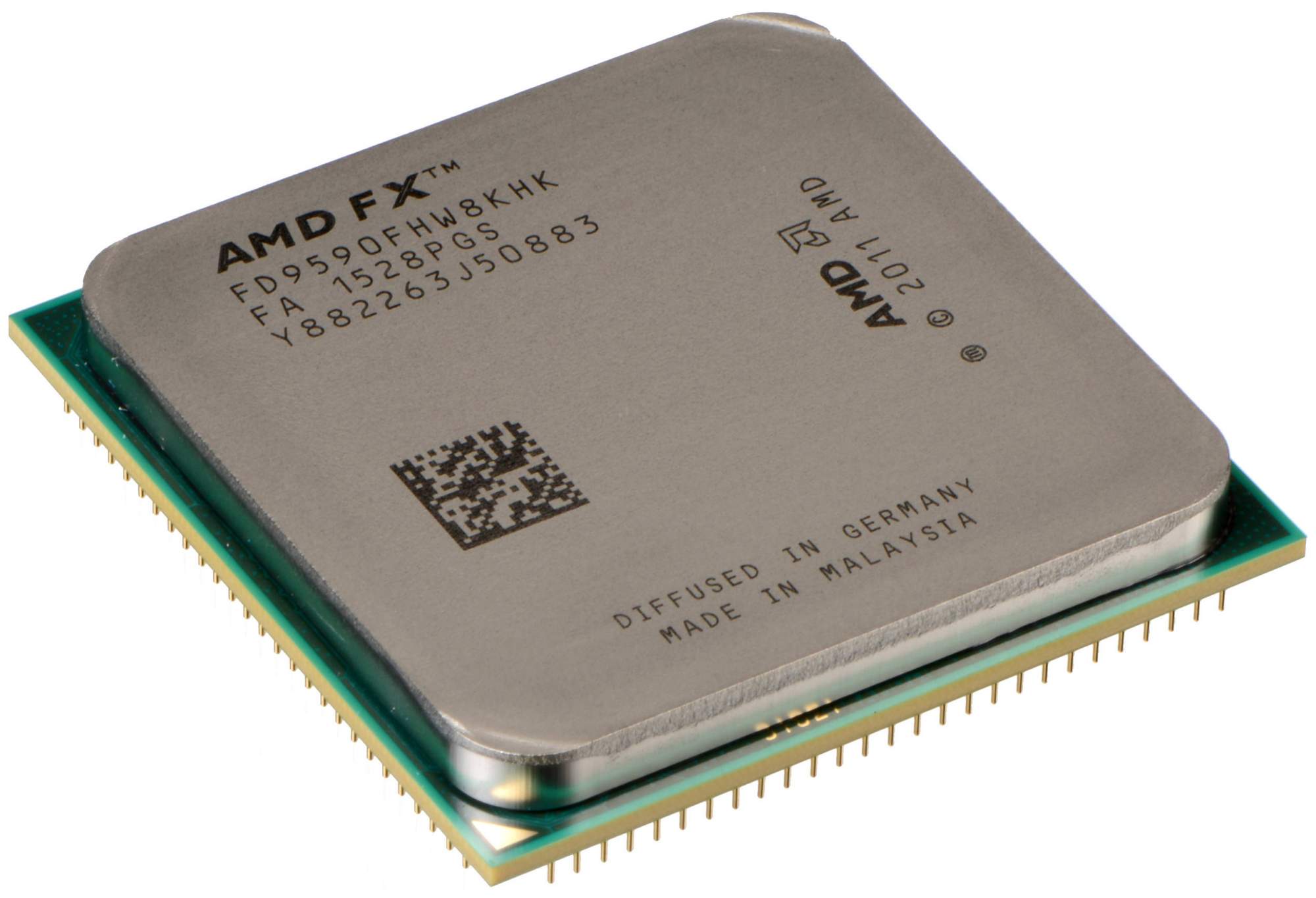
| FX-9590 | Vishera | 8 Cores / 4 Modules | 4.7 / 5.0 GHz | 220W |
Note: The FX-9590 stands out due to its factory-overclocked nature, requiring high-end motherboard VRMs and advanced cooling solutions.
Thermal Management and Power Consumption
A critical aspect of the FX series—particularly the 8-core variants—is the high power draw. With TDP ratings ranging from 95W to 220W, these processors generate significant heat under load. For users managing these systems in 2026, proper thermal management is non-negotiable.
High-quality aftermarket coolers are generally required to prevent thermal throttling, as the stock cooling solutions provided with early retail units often struggled to maintain boost clocks under heavy, sustained workloads. Furthermore, the voltage regulation modules (VRMs) on the motherboard must be robust; using an entry-level AM3+ motherboard with a high-TDP processor like the FX-8350 or FX-9590 can lead to system instability or hardware failure due to overheating components.
Practical Considerations for 2026
In the current hardware landscape, the AMD FX series occupies a specific niche. While these processors have been superseded by multiple generations of higher-IPC architectures, they remain functional for specific legacy tasks.
Use Cases
- Homelab and Server Tasks: The high core count of the FX-83xx series allows for basic virtualization, media streaming (via Plex or similar software), and home file server management.
- Retro Gaming: Many games released between 2011 and 2016 perform adequately on these chips, provided the system is paired with a compatible mid-range graphics card from that same period.
- Educational Projects: Due to their low cost on the secondary market, they serve as affordable hardware for learning Linux kernel management, basic assembly programming, or PC building fundamentals.
Limitations
Users should be aware that the FX platform lacks modern features such as native support for NVMe storage, PCI Express 4.0/5.0, and DDR4 or DDR5 memory. Performance in modern, single-threaded applications will be significantly lower than even entry-level contemporary processors.
Troubleshooting and Maintenance
If you are currently maintaining an FX-based system, consider the following common issues:
- Thermal Throttling: If you notice sudden performance drops during high loads, check the CPU temperatures. Ensure the thermal paste is fresh and that the heatsink is free of dust.
- Unstable Overclocks: The FX series was famous for its overclocking capability, but voltage degradation over time can make previously stable settings unstable. If experiencing crashes, reset the BIOS to factory defaults and test for stability.
- BIOS Compatibility: Ensure your motherboard BIOS is updated to the latest available version, as this often includes microcode updates necessary for stable performance with specific Vishera stepping models.
Frequently Asked Questions
Is the AMD FX series still viable for gaming in 2026?
The FX series is generally considered obsolete for modern, high-fidelity gaming. While it may handle older titles or less demanding eSports games, the low IPC and lack of modern instruction sets result in poor frame times and low minimum frame rates in contemporary software.
What is the difference between Bulldozer and Piledriver?
Bulldozer is the first-generation architecture, while Piledriver is the refined second-generation. Piledriver-based chips (Vishera) corrected many of the initial performance pitfalls of the Bulldozer design, resulting in better efficiency and higher IPC.
Why do some people say the FX-8350 is not a "true" 8-core CPU?
This refers to the shared-resource module architecture. Because two cores share the floating-point unit (FPU), they do not have the same level of independence as a standard multi-core processor where each core has a dedicated FPU. This led to a high-profile class-action lawsuit regarding the marketing of these CPUs as 8-core processors.
What is the most powerful FX processor?
The FX-9590 is the fastest model, reaching a factory-boost clock of 5.0 GHz. However, it is extremely power-hungry and requires specialized liquid cooling and a premium 990FX motherboard.
Can I upgrade an FX series CPU to a Ryzen processor?
No. The FX series uses the AM3+ socket, while Ryzen processors use AM4 or AM5 sockets. They are physically and electrically incompatible. Upgrading to a modern system requires replacing the motherboard, RAM, and CPU.
Recommendation
For those currently using an FX series system, the best next action is to prioritize system stability and thermal health. If your goal is to transition to modern computing, it is recommended to treat the FX system as a legacy device for secondary tasks rather than investing in further upgrades. Should you require significantly more performance, a complete platform migration to a current-generation architecture will provide the most efficient path forward.