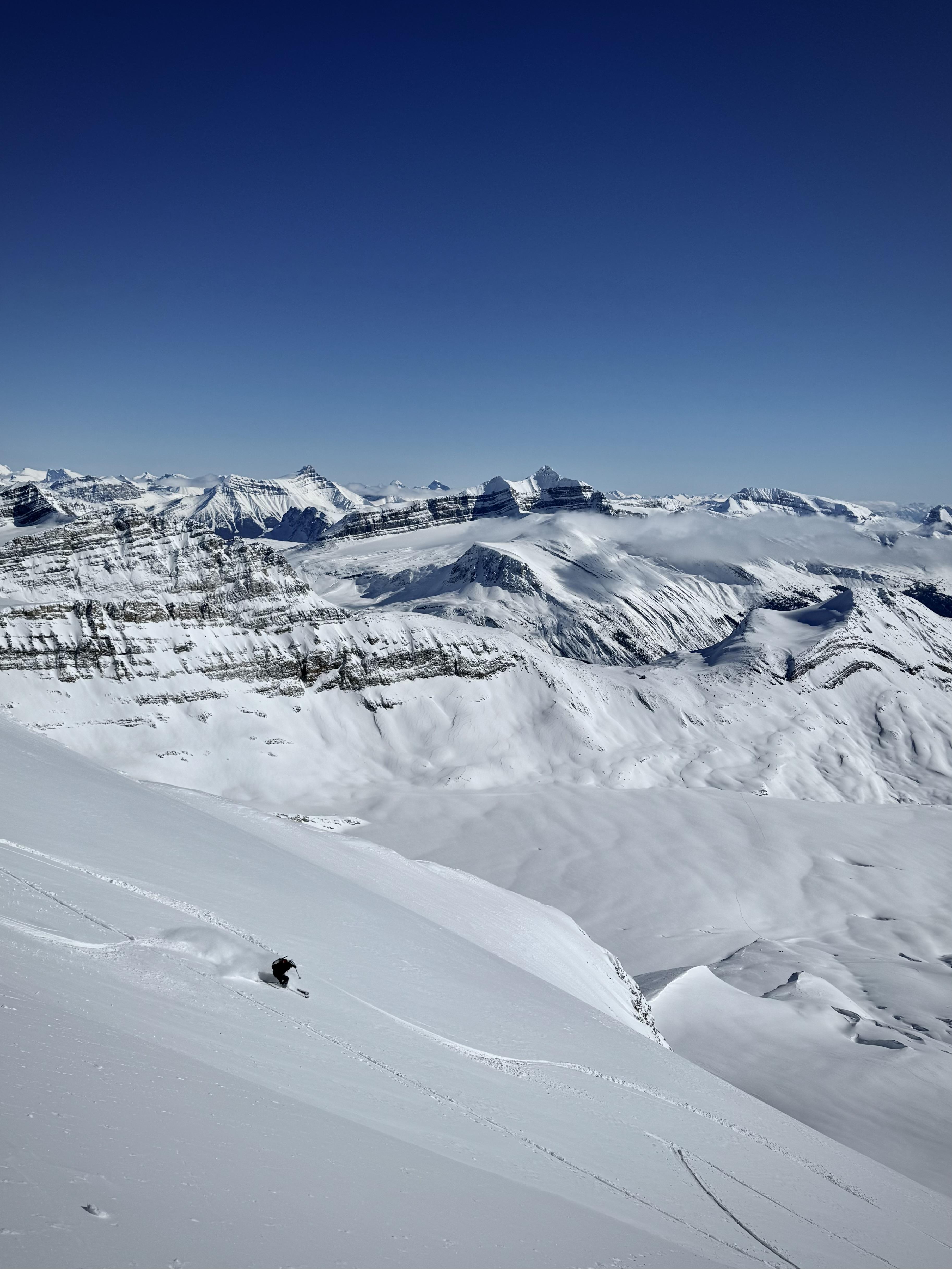
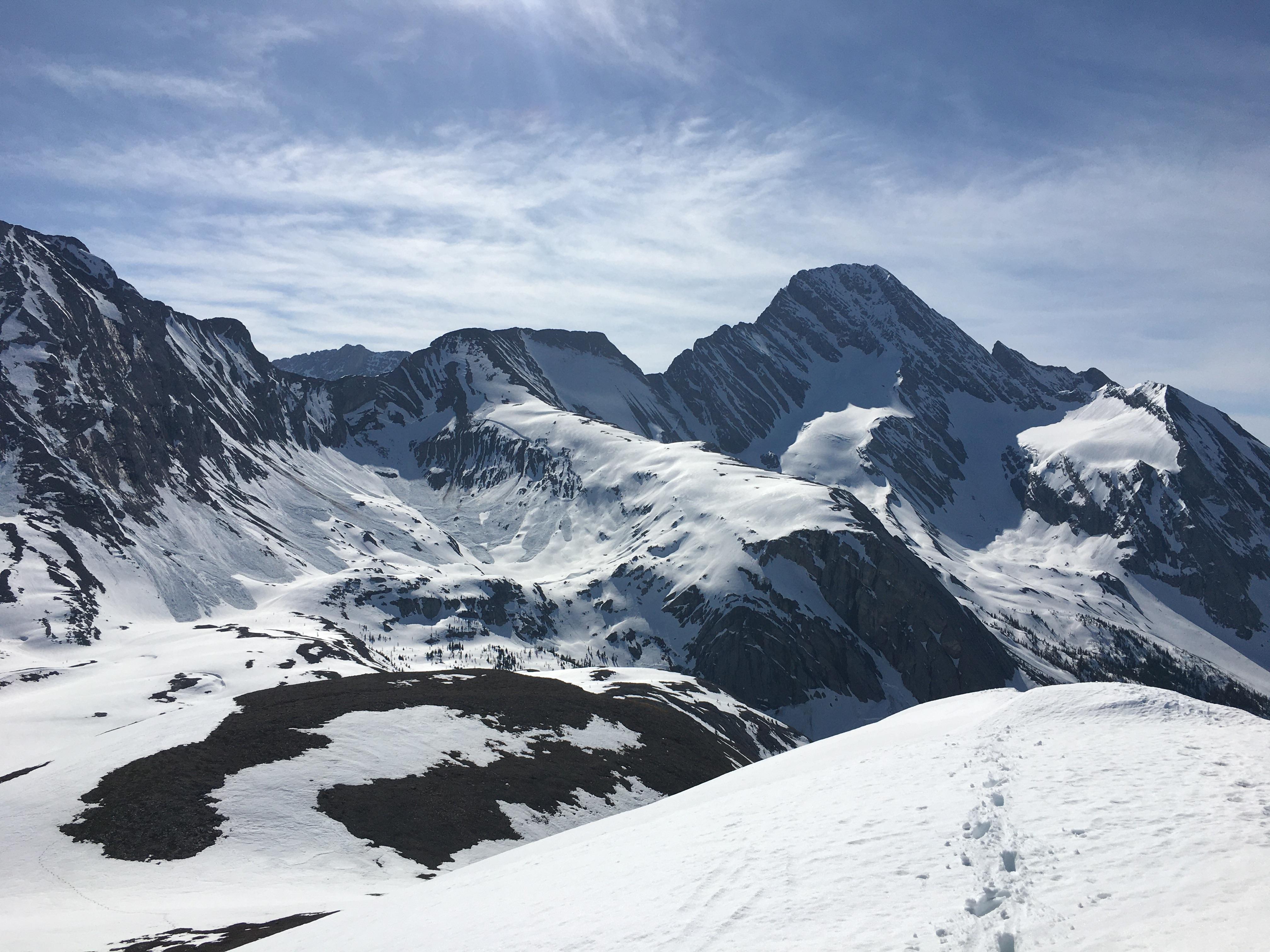
Alpine conditions refer to the distinct environmental and meteorological characteristics found in high-altitude mountain regions, typically located above the tree line. These conditions are defined by cold temperatures, high solar radiation, thin air with lower oxygen pressure, and volatile weather patterns that can change within minutes. Navigating these environments requires specialized physical preparation, technical gear, and a deep understanding of atmospheric physics to ensure safety.
The Scientific Definition of Alpine Conditions
To understand alpine conditions, one must first recognize the biological and climatic boundaries that define them. The "alpine zone" is the area of a mountain that exists between the subalpine zone (where trees grow densely) and the nival zone (where permanent snow and ice reside). The most prominent marker of the alpine zone is the tree line, a boundary where environmental stress—such as extreme cold, high winds, and a short growing season—prevents the growth of upright trees.
In 2026, the scientific community continues to monitor how shifting global temperatures affect these boundaries. While the tree line is moving upward in many ranges, the core characteristics of the alpine climate remain consistent: a rigorous cycle of freezing and thawing, high-velocity winds, and intense ultraviolet exposure. These factors create a "microclimate" that differs significantly from the valley floors below.
Altitudinal Zonation and the Lapse Rate
The primary driver of alpine conditions is the adiabatic lapse rate. On average, the temperature drops by approximately 6.5 degrees Celsius for every 1,000 meters of elevation gain (roughly 3.6 degrees Fahrenheit per 1,000 feet). This temperature gradient is why a warm summer day in a mountain town can translate to freezing conditions on a nearby peak.
Furthermore, the decrease in atmospheric pressure at higher altitudes means that air molecules are more spread out. While the percentage of oxygen in the air remains constant at roughly 20.9%, the "partial pressure" of oxygen decreases. This results in fewer oxygen molecules being available with every breath, leading to the physiological challenges associated with high-altitude exertion.
Meteorological Hazards and Weather Volatility
Weather in the alpine zone is notorious for its unpredictability. Because mountain massifs act as physical barriers to air masses, they force air to rise—a process known as orographic lift. As air rises, it cools and condenses, often leading to sudden localized storms even when the surrounding plains are clear.
High-Velocity Winds and Wind Chill
In alpine environments, wind is a constant presence. Without the friction provided by trees and lower-altitude topography, wind speeds can reach hurricane force frequently. This significantly impacts the "apparent temperature." For instance, an air temperature of -5°C (23°F) can feel like -20°C (-4°F) if the wind is blowing at 50 kilometers per hour. High winds also pose physical risks, such as losing balance on narrow ridges or causing rapid heat loss through convection, which accelerates the onset of hypothermia.
Solar Radiation and UV Intensity
The atmosphere acts as a filter for solar radiation. In the alpine zone, there is less atmosphere above the observer to scatter ultraviolet (UV) rays. For every 1,000 meters of elevation, UV intensity increases by approximately 10% to 12%. This risk is compounded by snow cover, which can reflect up to 80% of UV radiation back upward. Without proper skin and eye protection (specifically Category 4 mountaineering sunglasses), individuals are at high risk for severe sunburn and photokeratitis, commonly known as snow blindness.
Terrain and Surface Characteristics
The physical landscape of the alpine zone is shaped by mechanical weathering—the process where water enters cracks in rocks, freezes, expands, and shatters the stone. This creates unique and often hazardous terrain features that require specific movement techniques.
Scree, Talus, and Fell-fields
Much of the alpine zone is covered in loose rock debris. Scree refers to smaller, pebble-sized rocks that often slide underfoot, while talus consists of larger boulders that may be unstable. Navigating these requires a high degree of balance and "mountain sense" to avoid triggering rockfalls. Fell-fields are more stable, wind-swept areas where low-lying "cushion plants" grow between rocks, requiring travelers to be mindful of fragile ecosystems while navigating.
Glacial Features and Permafrost
In higher alpine reaches, permanent ice and snow become dominant. This introduces technical hazards such as crevasses (deep cracks in glacial ice) and seracs (large blocks of ice that can collapse without warning). Even in areas without permanent ice, alpine conditions often involve permafrost—ground that remains frozen year-round. As permafrost thaws during the peak of summer, it can lead to increased rockfall and slope instability, a factor that has become increasingly relevant for climbers in 2026.
Physiological Impacts: Managing Altitude
Human physiology is not naturally adapted to the low-pressure environment of the alpine zone. Proper acclimatization is the only way to safely transition into these conditions. Failure to do so can lead to a spectrum of altitude-related illnesses.
Acute Mountain Sickness (AMS)
AMS is the most common condition, often occurring above 2,500 meters (8,000 feet). Symptoms include headache, nausea, fatigue, and dizziness. While usually manageable with rest and hydration, it serves as a warning that the body has not yet adapted. The standard protocol for 2026 remains "climb high, sleep low," allowing the body to be exposed to higher altitudes during the day while recovering at lower altitudes at night.
High-Altitude Pulmonary and Cerebral Edema
More severe forms of altitude sickness include High-Altitude Pulmonary Edema (HAPE) and High-Altitude Cerebral Edema (HACE). HAPE involves fluid buildup in the lungs, while HACE involves swelling of the brain. Both are life-threatening emergencies that require immediate descent. Understanding these risks is non-negotiable for anyone operating in alpine conditions, as the onset can be rapid and debilitating.
Essential Equipment and Layering Systems
Surviving and performing in alpine conditions requires a "system" approach to clothing and gear. Because conditions fluctuate between intense heat (from sun and exertion) and extreme cold (from wind and shade), modularity is key.
- Base Layer: Moisture-wicking fabrics (synthetic or merino wool) that keep sweat away from the skin. In alpine environments, "cotton is king" does not apply; cotton retains moisture and can lead to rapid cooling.
- Mid-Layer: Insulating layers like fleece or "active insulation" that trap heat while remaining breathable.
- Insulation Layer: High-loft down or synthetic "puffy" jackets used during breaks or in extreme cold.
- Shell Layer: Waterproof and windproof materials (like Gore-Tex or similar membranes) that protect against the elements while allowing internal moisture to escape.
Comparison of Alpine Conditions by Season
The following table outlines how alpine conditions typically manifest throughout the year in temperate mountain ranges (e.g., the Alps, Rockies, or Sierras).
| Feature | Winter (Dec - Feb) | Spring (Mar - May) | Summer (Jun - Aug) | Autumn (Sep - Nov) |
|---|---|---|---|---|
| Average Temp | Well below freezing | Fluctuating; freeze-thaw | Cool to mild; cold nights | Rapidly dropping |
| Precipitation | Heavy snow; spindrift | Wet snow; rain at lower elev. | Afternoon thunderstorms | Light snow; "dusting" |
| Wind Speed | Highest; persistent | High; gusty | Moderate; localized | Increasing |
| Hazards | Avalanches; frostbite | Wet slides; rockfall | Lightning; dehydration | Ice on rock (verglas) |
| Daylight | 8–10 hours | 12–14 hours | 14–16 hours | 10–12 hours |
Safety Protocols and Decision Making
Navigating alpine conditions is as much a mental challenge as a physical one. "Summit fever"—the obsessive drive to reach the top regardless of conditions—is a leading cause of accidents. In 2026, professional guides emphasize "Margin of Safety," which involves maintaining extra energy, time, and supplies to handle unexpected delays.
The "Turn-Around Time"
Establishing a strict turn-around time is a fundamental safety practice. This is a predetermined hour at which you must head back, regardless of how close the summit appears. In the alpine zone, afternoon thunderstorms are a primary threat; being caught on a ridge at 2:00 PM during a lightning storm is a high-risk scenario.
Navigation and Communication
Standard GPS units and satellite messengers (such as Garmin InReach or modern 2026 smartphone satellite protocols) are essential. However, electronic devices can fail in the cold. Carrying a physical topographic map and a prismatic compass, and knowing how to use them to find a bearing in a "whiteout" (conditions of zero visibility), remains a core requirement for alpine travel.
Common Mistakes in Alpine Environments
Even experienced hikers can fall victim to the unique challenges of high altitudes. One of the most frequent errors is underestimating the time required for descent. Descending on loose talus or through softening snow in the afternoon can be more exhausting and time-consuming than the ascent.
Another common mistake is inadequate hydration and caloric intake. The dry air of the alpine zone causes significant moisture loss through breathing (insensible water loss). Furthermore, the body burns significantly more calories to maintain core temperature and fuel muscles in a low-oxygen environment. Forgetting to eat and drink "on the go" leads to "bonking" or hitting a wall, which can be dangerous when miles away from safety.
Frequently Asked Questions
At what altitude do alpine conditions typically begin?
While it varies by latitude, alpine conditions generally begin at the tree line. In the European Alps, this is typically between 1,800 and 2,200 meters. In the Colorado Rockies, it is often higher, starting around 3,300 to 3,500 meters. In Arctic regions, alpine-like conditions can exist at sea level.
Why is lightning more dangerous in alpine zones?
In the alpine zone, you are often the highest point in a landscape devoid of trees or tall structures. Furthermore, the lack of cover means you are exposed to the full force of the storm. If you feel your hair stand on end or hear a "buzzing" sound from your metal gear (static discharge), you are in immediate danger of a strike and must descend or find a low-lying area immediately.
Can I use standard hiking boots for alpine conditions?
It depends on the specific terrain. For general alpine hiking on trails, high-quality hiking boots are sufficient. However, if the conditions involve crossing glaciers, climbing steep snow slopes, or technical rock, you will need "mountaineering boots." These have stiffer soles to support crampons and provide better insulation against cold, frozen ground.
How does "thin air" affect physical performance?
Because there is less pressure pushing oxygen into your lungs and bloodstream, your heart and lungs must work harder to deliver the same amount of oxygen to your muscles. This leads to a higher heart rate and faster breathing at lower levels of exertion. Most people experience a significant drop in aerobic capacity (VO2 max) when entering alpine altitudes.
What is the best way to monitor weather for alpine trips?
Relying on a general city forecast is insufficient. Use specialized mountain weather services that provide forecasts for specific elevations and peaks (such as Mountain-Forecast or NOAA’s point forecasts). Pay close attention to wind speeds at the summit level and the "freezing level" elevation, which indicates where rain will turn to snow.
Final Recommendation for Alpine Travelers
If you are planning to enter the alpine zone, the most important step is to build experience incrementally. Start with well-marked trails in subalpine regions before attempting off-trail navigation or technical peaks. Always check the current avalanche bulletin (during winter/spring) and local mountain weather reports before departing. For those new to these environments, hiring a certified IFMGA (International Federation of Mountain Guides Associations) guide can provide invaluable education on movement techniques, safety protocols, and the nuances of interpreting alpine conditions.