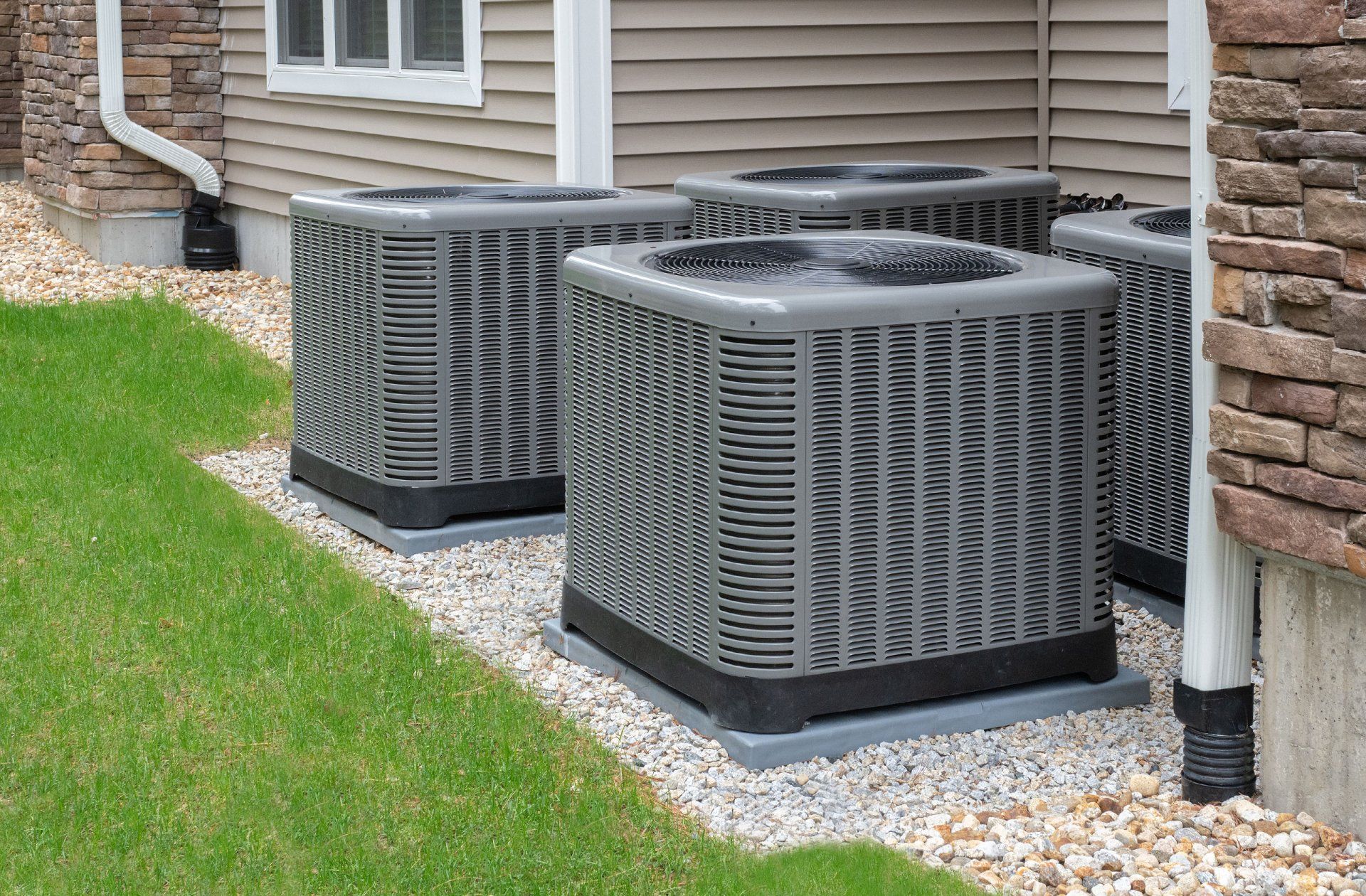
An all service heating and air provider delivers comprehensive climate control solutions, including system installation, preventive maintenance, diagnostic repair, and indoor air quality management. Covering furnaces, central air conditioners, heat pumps, and ductless mini-splits, full-scope HVAC services ensure energy efficiency, regulatory compliance, and consistent indoor comfort for residential and commercial properties year-round.
What Does "All Service" Heating and Air Encompass?
When property owners engage an all service heating and air contractor, they receive unified care across every stage of an HVAC system’s lifecycle. Rather than relying on separate technicians for installation, routine maintenance, emergency repairs, and duct restoration, a full-service provider manages the entire thermal and ventilation environment.
Understanding the individual components of full-scope HVAC care helps homeowners and property managers make informed decisions regarding operational budget, energy efficiency, and indoor environmental safety.
| HEATING SYSTEMS | COOLING SYSTEMS |
|---|---|
| • Gas/Electric Furnaces• Air-Source & Dual Heat Pumps• Hydronic Boilers & Radiators | • Central Air Conditioners• Ductless Mini-Split Heat Pumps• Packaged Rooftop Units (RTUs) |
| AIR QUALITY & DUCTS | PREVENTIVE CARE & SERVICE |
| • Whole-House Dehumidification• HEPA & MERV Filtration• Duct Sealing & Sanitization | • Bi-Annual Tune-Ups• Emergency Diagnostic Repair• Manual J Load Calculations |
Heating System Installation, Repair, and Maintenance
Heating architecture varies widely depending on regional climate, fuel availability, and building design. A complete heating service covers:
- Gas and Electric Furnaces: Comprehensive care includes heat exchanger inspections, burner cleaning, ignition control diagnostic testing, blower motor calibration, and flue gas venting verification to prevent dangerous carbon monoxide build-up.
- Heat Pumps (Air-Source and Ground-Source): Maintenance and repair involve testing reversing valves, verifying defrost cycles, inspecting auxiliary heating coils, and optimizing operational parameters for cold-weather operation.
- Hydronic Boilers: Servicing includes inspecting expansion tanks, bleeding zone radiators, testing pressure relief valves, and checking heat distribution pumps.
Cooling and Refrigeration Care
Air conditioning systems rely on precise thermal dynamics, electrical controls, and fluid dynamics. Comprehensive cooling service covers:
- Central Air Conditioners: Full-service support covers evaporator and condenser coil cleaning, electrical contractor inspections, thermal expansion valve (TXV) calibration, and structural vibration dampening.
- Ductless Mini-Split Systems: Servicing includes cleaning multi-zone indoor air handlers, clear condensate drain lines, testing inverter compressors, and inspecting wireless control modules.
- Packaged Rooftop Units (RTUs): Commonly used in commercial buildings, servicing RTUs requires specialized balancing of integrated heating and cooling modules, economizers, and heavy-duty blowers.
Ventilation and Indoor Air Quality (IAQ)
Modern structures are built tight to maximize thermal retention, which can trap airborne pollutants, dust, mold spores, and excess moisture. Full-service HVAC providers address airflow dynamics through:
- Duct Inspection and Sealing: Testing for static pressure drops and sealing joint leaks using aerosol duct sealants or mastic tape to prevent up to 30% air loss.
- Advanced Filtration and Purification: Installing high-efficiency particulate air (HEPA) filters, MERV 13+ media air cleaners, and ultraviolet (UV-C) germicidal lamps within plenum chambers.
- Humidity Control Systems: Integrating whole-home humidifiers for winter dry-air mitigation and whole-house dehumidifiers to prevent summer mold proliferation and high latent heat loads.
Technical Standards, Efficiency Metrics, and Regulations
Navigating HVAC replacement or maintenance requires familiarity with current efficiency standards and environmental regulations. Energy efficiency guidelines established by the United States Department of Energy (DOE) and environmental standards set by the Environmental Protection Agency (EPA) govern modern equipment performance.
Efficiency Metrics (SEER2, HSPF2, and AFUE)
Energy efficiency metrics were updated under the DOE M1 testing procedure standards to better reflect real-world duct static pressure and operating conditions.
- SEER2 (Seasonal Energy Efficiency Ratio 2): Measures total cooling output during a normal cooling season divided by total electrical energy input. Regional minimums require at least 13.4 SEER2 in northern climates and 14.3 SEER2 in southern climates for residential split-system air conditioners.
- HSPF2 (Heating Seasonal Performance Factor 2): Evaluates the total heating output of a heat pump in British Thermal Units (BTUs) relative to the total electricity consumed in watt-hours. A higher HSPF2 rating indicates greater electrical efficiency during freezing conditions.
- AFUE (Annual Fuel Utilization Efficiency): Measures how efficiently a furnace converts fuel (natural gas, propane, or oil) into usable heat over a typical year. Standard-efficiency furnaces operate around 80% AFUE, whereas high-efficiency condensing furnaces achieve 90% to 98% AFUE by extracting thermal energy from exhaust water vapor.
Refrigerant Transition Regulations
The HVAC industry continues its phased transition away from legacy hydrofluorocarbon (HFC) refrigerants like R-410A toward low Global Warming Potential (GWP) alternatives, such as R-454B and R-32.
These newer A2L-classified refrigerants offer lower environmental impact while maintaining high thermodynamic efficiency. Full-service HVAC contractors must use certified recovery equipment, hold EPA Section 608 certification, and observe strict safety standards when handling both legacy and modern refrigerant chemistries.
Preventive Maintenance vs. Emergency Diagnostic Repair
Scheduled preventive care protects heating and cooling systems from unexpected failures, lowers utility expenditures, and extends the operational lifespan of major equipment.
- ROUTINE PREVENTIVE CARE
- Bi-Annual Scheduled Inspections
- Air Filter & Coil Cleaning
- Electrical Contact Tightening
- Preventive Wear Checks
- EMERGENCY DIAGNOSTIC CARE
- 24/7 Rapid Response Dispatch
- Refrigerant Leak Isolation
- Electrical Component Failure
- Heat Exchanger Crack Isolation
- LOWER LIFECYCLE COST
Seasonal Preventive Maintenance Checklist
HVAC manufacturers recommend professional maintenance twice per year: in the spring for cooling equipment and in the autumn for heating units.
Spring Cooling Maintenance
- Condensate Drain Flush: Clearing algae, sediment, and biological buildup from primary and secondary drain pans and lines to prevent water damage.
- Coil Surface Inspection: Cleaning outdoor condenser coils of dirt, leaves, and debris to maintain effective heat rejection.
- Refrigerant Line Verification: Checking suction line insulation integrity and monitoring operating pressure differentials.
- Electrical Terminal Testing: Measuring capacitor microfarad capacitance levels and tightening control wiring harness connections.
Autumn Heating Maintenance
- Heat Exchanger Inspection: Inspecting metallic surfaces with video borescopes to check for microscopic cracks that could allow flue gases or carbon monoxide to leak into indoor supply air.
- Burner Assembly Calibration: Cleaning gas burner ports and adjusting air-to-fuel ratios to ensure complete combustion.
- Limit Switch and Safety Controls Check: Testing high-limit switches, flame sensors, and roll-out switches to ensure automatic shutoffs activate during thermal overtemperature events.
- Blower Assembly Balancing: Inspecting fan blades for dust accumulation and measuring motor amperage draw against manufacturer specs.
Common Signs Emergency Repair Is Required
Property owners should seek immediate professional diagnostic repairs when encountering these operational warnings:
- Short-Cycling: The unit repeatedly turns on and off within minutes, indicating thermal overload, incorrect unit sizing, or severe airflow restriction.
- Ice Accumulation on Evaporator Coils: Indicates low refrigerant charge, damaged metering devices, or severe return airflow blockages.
- Persistent Metallic Rattling or Screeching: Points to worn motor bearings, damaged fan belts, or loose blower wheels.
- Unexplained Utility Bill Spikes: Indicates loss of heating/cooling capacity, failing capacitors, or stuck auxiliary heat strips running continuously.
Comparing Heating and Cooling Systems
Choosing the correct HVAC equipment requires matching property dimensions, local weather conditions, existing ductwork infrastructure, and fuel sources.
| System Type | Primary Fuel / Energy | Typical Efficiency Range | Estimated Lifespan | Ideal Operating Environment | Key Considerations |
|---|---|---|---|---|---|
| Gas Furnace | Natural Gas / Propane | 80% – 98% AFUE | 15 – 20 Years | Regions with sub-zero winter temperatures | Requires gas pipeline supply and dedicated exhaust venting. |
| Air-Source Heat Pump | Electricity | 14.3 – 22 SEER2 / 7.5 – 10 HSPF2 | 12 – 15 Years | Moderate to cold climates with variable seasonal demands | Provides both heating and cooling; efficiency drops during extreme freezes unless paired with auxiliary heat. |
| Central Air Conditioning | Electricity | 13.4 – 24 SEER2 | 12 – 17 Years | Properties with existing air duct networks requiring dedicated summer cooling | Must be paired with a furnace or air handler for winter heating needs. |
| Ductless Mini-Split | Electricity | 18 – 30 SEER2 / 8.5 – 12 HSPF2 | 15 – 20 Years | Homes without ductwork, additions, or zone-specific heating/cooling | Offers independent zone control; higher initial equipment investment per room. |
| Geothermal Heat Pump | Electricity / Ground Thermal | 20 – 30+ EER / 4.0 – 5.0 COP | 20+ Years (Indoor) / 50+ Years (Ground Loop) | All climate regions with adequate outdoor space for ground loop installations | Highest energy savings and durability; higher initial installation and excavation investment. |
Troubleshooting Common HVAC Issues Before Calling a Professional
While major repairs require licensed technical expertise, property owners can perform several preliminary checks to resolve minor operational disruptions before booking a service appointment.
1. Confirm Thermostat Settings and Power
Verify that the thermostat interface is set to the correct mode ("Cool" or "Heat") and that the target temperature is set at least 3 to 5 degrees below (for cooling) or above (for heating) the current ambient room temperature.
Replace batteries if the display appears dim or unresponsive. Programmable and smart thermostats can also drop connections or revert to default schedules following power outages.
- System Inoperative
- Check Thermostat
- Mode correct? Batteries fresh?
- No: Adjust Settings / Replace Batteries
- Yes: Proceed to next step
- Mode correct? Batteries fresh?
- Inspect Air Filter
- Clogged or dirty?
- Yes: Replace Air Filter
- No: Proceed to next step
- Clogged or dirty?
- Check Breaker Box
- Tripped switch?
- Yes: Reset Breaker Once
- No: Proceed to next step
- Tripped switch?
- Inspect Outdoor Unit
- Debris / Ice present?
- Yes: Clear Debris / Shut Off to Thaw
- No: Proceed to next step
- Debris / Ice present?
- Contact Licensed HVAC Professional
2. Check and Replace Clogged Air Filters
Restricted airflow from dirty or clogged air filters is a leading cause of poor system performance. High dust accumulation reduces static airflow across coils, causing evaporator coils to freeze over in summer or furnace high-limit safety switches to trip in winter.
Inspect filters monthly and replace standard 1-inch pleated filters every 30 to 90 days depending on local dust levels and pet ownership.
3. Verify Electrical Breakers and Service Switches
HVAC units feature dedicated circuit switches at the main electrical panel, as well as outdoor disconnect switches mounted near condenser units and indoor toggle switches located near furnaces or air handlers.
If a breaker has tripped to the center position, flip it firmly to the "Off" position before resetting it to "On." If the breaker trips again immediately, do not attempt to reset it a second time; contact a technician to investigate potential electrical short circuits.
4. Clear Air Registers and Condenser Clearances
Ensure indoor supply air vents and return air grilles are open and unobstructed by furniture, drapes, or rugs. Maintain at least a 2-foot clear perimeter around outdoor condenser units by trimming back shrubs, leaves, weeds, and stored items to ensure unimpeded airflow across condenser coils.
Selecting and Verifying a Qualified Full-Service HVAC Provider
Entrusting heating and cooling infrastructure to a service provider requires verifying professional credentials, insurance coverage, and installation practices. Improper equipment installation can reduce system efficiency by up to 30%, according to Energy Star studies.
- License & Insurance Validation
- State Mechanical License
- General Liability & Workers' Comp
- Technician Certifications
- NATE (North American Tech Excellence)
- EPA Section 608 (Refrigerant Care)
- Sizing & Diagnostic Procedures
- Manual J Load Calculation
- Manual D Ductwork Analysis
- Transparent Scope & Warranties
- Itemized Written Estimates
- Manufacturer & Labor Warranties
Licensing, Certification, and Insurance
- State Mechanical Licensing: Confirm that the contractor holds active state, regional, or municipal mechanical contractor licenses. License numbers should be displayed on marketing materials, bids, and service vehicles.
- NATE Certification: Look for technicians certified through North American Technician Excellence (NATE), which validates technical competency through industry tests.
- EPA Section 608 Certification: Required by federal law for any technician who purchases, handles, or recovers ozone-depleting or hydrofluorocarbon refrigerants.
- Insurance Requirements: Ensure the business maintains active general liability insurance and workers' compensation coverage to protect property owners against potential accidental damage or injury liabilities during installation or maintenance.
Manual J Load Calculation Demands
Avoid contractors who quote replacement equipment based solely on the square footage of the building or by simply matching the tonnage of the old system.
Qualified full-service contractors perform a formal ACCA Manual J Load Calculation. This calculation factors in wall insulation levels, window orientation, ceiling heights, local weather data, duct loss, and house air leakage rates to size systems accurately.
Over-sized systems cause short-cycling, poor humidity removal, and premature component wear. Under-sized units struggle to maintain indoor setpoints during peak thermal loads.
Recommended Next Actions for Property Owners
- Conduct a Visual Self-Audit: Inspect the indoor air filter, confirm outdoor unit clearances, and test thermostat functionality.
- Review Maintenance Records: Check when your heating and cooling equipment last underwent professional servicing. If more than six months have elapsed, schedule a spring or autumn tune-up.
- Check System Age and Operational Costs: If your heating or cooling system is over 12 years old and requires frequent repairs, request an energy audit and a Manual J calculation to evaluate the lifetime savings of upgrading to high-efficiency SEER2/HSPF2 equipment.
- Schedule a Professional Diagnostic Inspection: Contact a licensed, NATE-certified HVAC contractor to perform an end-to-end system analysis, verify safety cutoffs, and clean heat exchangers and coils.
Frequently Asked Questions
How often should an all service heating and air system be professionally serviced?
An HVAC system should be professionally serviced twice per year: once in the spring for the cooling equipment and once in the autumn for the heating infrastructure. Regular bi-annual maintenance helps prevent emergency breakdowns, keeps system components clean, ensures proper refrigerant and gas combustion balances, and preserves manufacturer warranty protections.
What is the difference between SEER and SEER2 ratings?
SEER2 reflects updated efficiency testing standards introduced by the Department of Energy under the M1 test procedure. Unlike legacy SEER tests, SEER2 testing incorporates higher external static pressure levels to better mimic conditions in real-world duct networks. As a result, SEER2 ratings are typically 4% to 5% lower numerically than traditional SEER ratings for the same physical unit, while providing a more accurate assessment of actual operational efficiency.
Why is my air conditioner running, but not cooling the house?
An air conditioner that runs without cooling the home typically suffers from restricted airflow (such as a severely clogged air filter), frozen evaporator coils, a tripped compressor circuit breaker, or low refrigerant levels caused by a system leak. Turn off the system at the thermostat if you spot ice forming on the copper refrigerant lines, and contact a certified technician to inspect the system.
How long does a typical central heating and air system last?
With consistent preventive maintenance, a central air conditioning unit or air-source heat pump generally lasts 12 to 15 years. Gas furnaces typically last between 15 and 20 years due to fewer delicate external refrigeration components. Environmental factors like coastal salt air, extreme climate exposure, and lack of routine filter replacements can shorten system lifespans.
Is it better to repair or replace an aging HVAC system?
Consider replacing your system if it is over 10 to 12 years old, requires frequent costly repairs, relies on phased-out refrigerants, or if a necessary repair costs more than 50% of the price of a modern replacement system. Upgrading to high-efficiency SEER2 and HSPF2 equipment can also help offset initial equipment costs through monthly energy savings and regional energy efficiency rebates.