Professional mold remediation is a systematic process designed to identify, contain, and eliminate fungal growth while restoring a building’s indoor air quality. By utilizing specialized equipment such as HEPA air scrubbers, high-grade antimicrobials, and negative pressure containment, "all pro" technicians ensure that mold spores are neutralized and the underlying moisture source is permanently addressed to prevent recurrence.
The Fundamentals of Professional Mold Remediation in 2026
Mold remediation is often misunderstood as a simple cleaning task. In reality, it is a complex environmental discipline that bridges microbiology and structural engineering. As of 2026, the industry continues to follow the rigorous standards set by the IICRC (Institute of Inspection Cleaning and Restoration Certification), specifically the S520 Standard for Professional Mold Remediation. This protocol dictates that simply killing mold with bleach is insufficient; the mold must be physically removed from the environment, as even dead spores can remain allergenic or toxic.
The presence of mold in a residential or commercial property is almost always a secondary symptom of a primary moisture problem. Whether it is a slow leak in a plumbing stack, high humidity in a crawlspace, or a compromised roof membrane, mold requires organic food sources (like drywall or wood) and moisture to thrive. Professional remediation focuses on the "all pro" standard of care, which involves a multi-stage approach: assessment, containment, filtration, removal, and verification.
Effective remediation also considers the specific types of mold present. While many people fear "black mold" (Stachybotrys chartarum), other common genus types like Aspergillus and Penicillium can be equally problematic for individuals with compromised respiratory systems or autoimmune disorders. Professional services prioritize the safety of the occupants by ensuring that the remediation process does not inadvertently spread these contaminants throughout the HVAC system or unaffected living areas.
The Inspection and Assessment Protocol
Before any physical work begins, a comprehensive inspection is required to determine the scope of the infestation. All pro mold remediation begins with a visual assessment paired with advanced diagnostic tools. Technicians use infrared thermal imaging cameras to detect temperature anomalies behind walls, which often indicate hidden moisture pockets where mold may be "blooming" out of sight.
Moisture meters are another essential tool, allowing professionals to measure the moisture content of structural materials. In 2026, digital moisture mapping has become the standard for documenting the extent of water intrusion. This data-driven approach ensures that the remediation plan targets the root cause rather than just the visible symptoms.
In many cases, an independent environmental consultant or an Indoor Environmental Professional (IEP) is brought in to conduct air quality testing. These tests compare indoor spore counts with outdoor baseline levels. If indoor counts are significantly higher or if specific indicator species are found, a professional remediation plan is formulated. This separation of testing and removal is a hallmark of "all pro" ethics, as it prevents a conflict of interest between the party diagnosing the problem and the party performing the work.
Containment Strategies and Negative Air Pressure
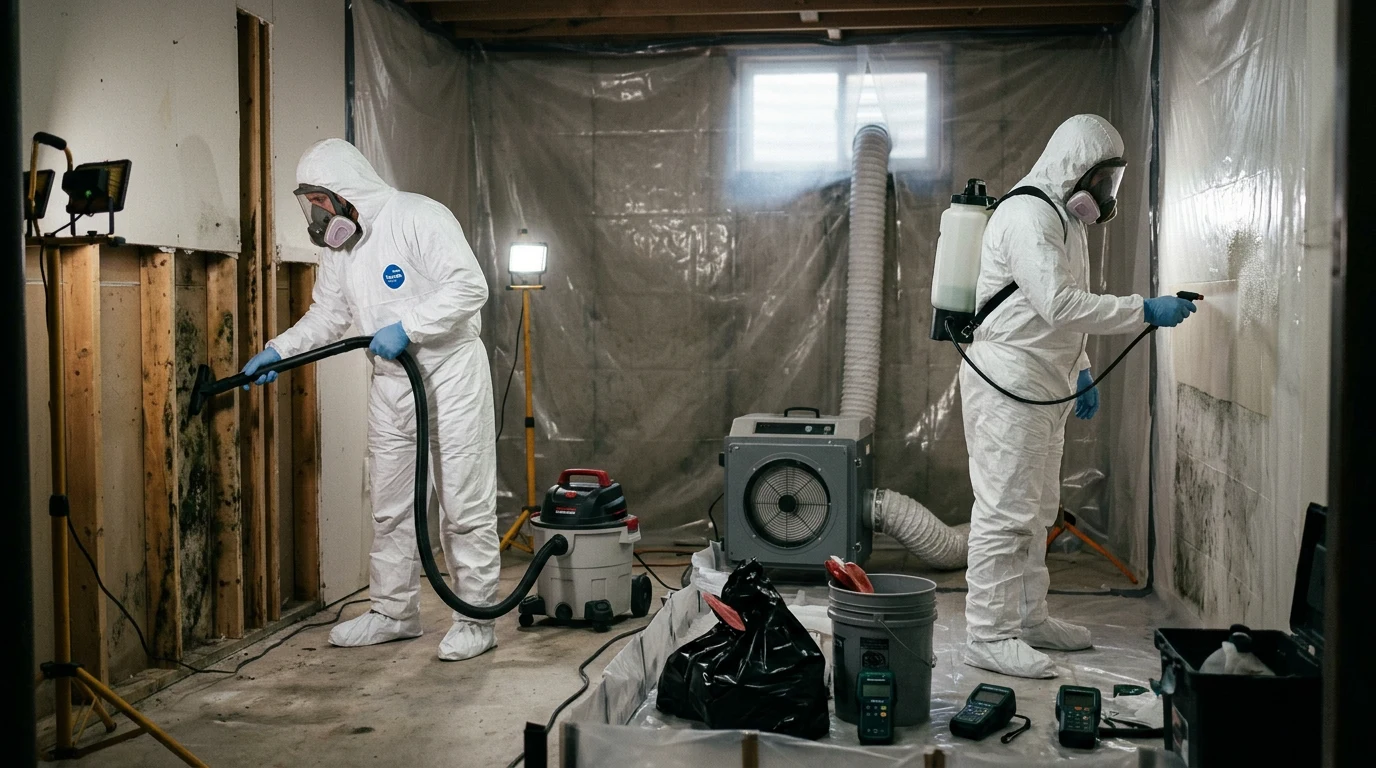
One of the most critical phases of professional remediation is the establishment of containment. Without proper containment, the act of cleaning mold can actually make the situation worse by aerosolizing millions of microscopic spores. Professionals use 6-mil fire-retardant polyethylene sheeting to create physical barriers between the work zone and the rest of the property.
Inside these containment areas, technicians establish "negative air pressure." This is achieved using High-Efficiency Particulate Air (HEPA) air scrubbers that exhaust filtered air outside the building. This creates a vacuum effect; if there is a breach in the plastic sheeting, air will pull into the contaminated zone rather than blowing out into clean areas. This ensures that no spores escape during the demolition of mold-damaged materials.
Furthermore, "all pro" services utilize decontamination chambers or "airlocks." These are transitional zones where workers can change out of their Personal Protective Equipment (PPE) and clean their tools without carrying contaminants into the "clean" parts of the home. This level of detail is what distinguishes professional remediation from general handyman services.
The Removal and Cleaning Process
Once containment is secure, the physical removal of mold-damaged materials begins. The industry classifies materials into three categories: porous, semi-porous, and non-porous.
- Porous Materials: Items like drywall, insulation, and carpeting that have significant mold growth are generally non-salvageable. These must be carefully removed, double-bagged in 6-mil poly bags, and the exterior of the bags wiped down before being transported through the house.
- Semi-Porous Materials: Solid wood framing and certain types of masonry can often be cleaned. This is where "all pro" techniques like HEPA vacuuming, wire brushing, and "media blasting" (using dry ice or soda) are employed. These methods physically detach the hyphae (the "roots" of the mold) from the wood fibers.
- Non-Porous Materials: Metal, glass, and hard plastics can usually be fully restored using professional-grade antimicrobial detergents and EPA-registered biocides.
After the bulk removal, the entire containment area undergoes "source removal" cleaning. This involves HEPA vacuuming every square inch of the space, followed by a "damp wipe" technique using microfiber cloths and specialized cleaning agents. This process is repeated until the area is microscopically clean.
Moisture Control and Structural Drying
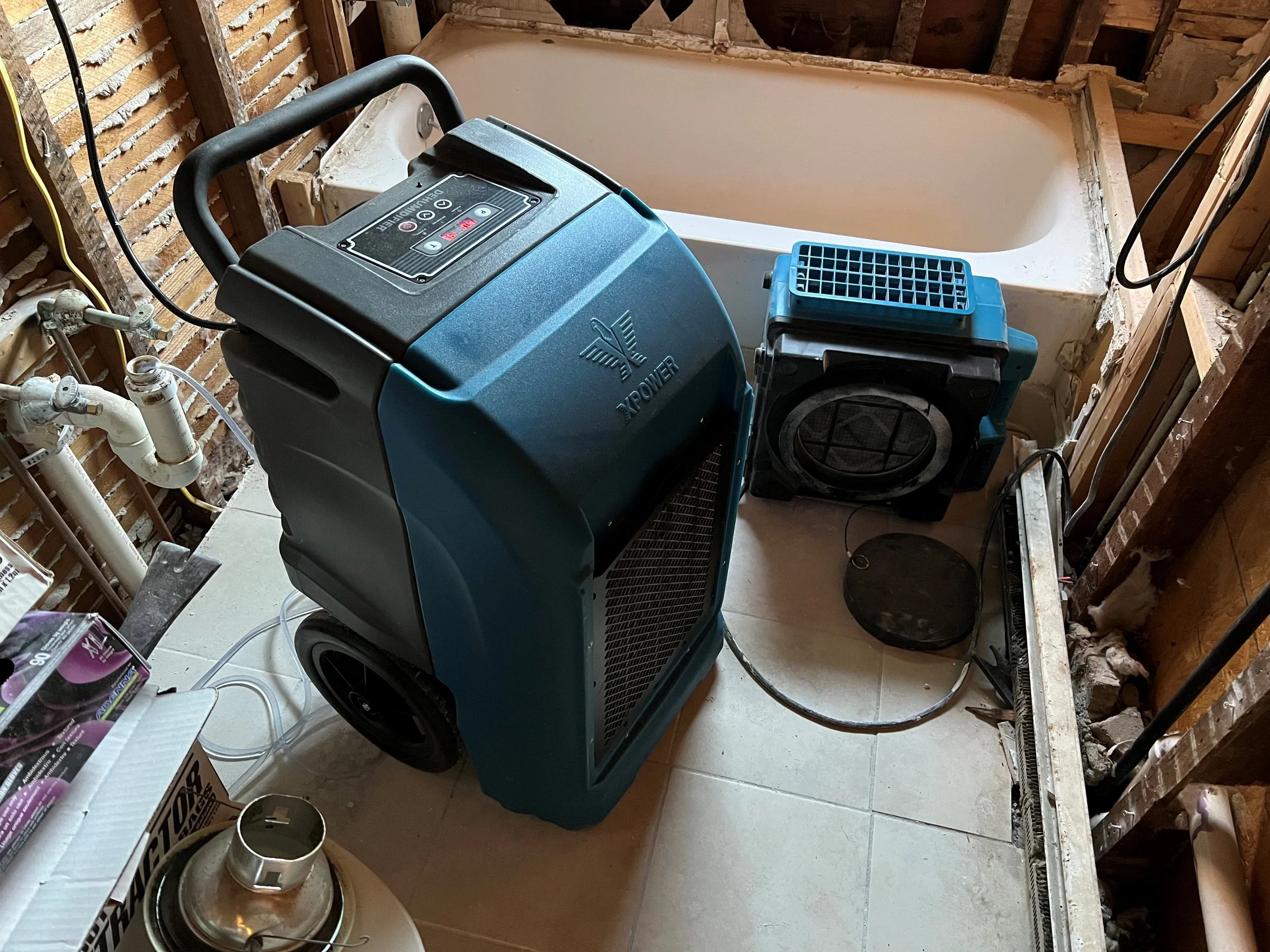
Removal of the mold is only half the battle; the environment must be rendered inhospitable to future growth. This requires professional-grade drying equipment. High-capacity dehumidifiers and axial air movers are deployed to reduce the Relative Humidity (RH) within the space to below 50%.
In 2026, technicians use psychrometric calculations to monitor the "drying cycle." This involves measuring the grains of moisture per pound of air to ensure that structural components—like the studs inside a wall—are dried to their equilibrium moisture content. If the wood remains damp, mold will return within 24 to 48 hours of the remediation team leaving.
In areas prone to high humidity, such as crawlspaces, "all pro" remediation often concludes with the installation of a permanent moisture management system. This might include a vapor barrier (encapsulation) or a dedicated Sante Fe-style dehumidifier. Addressing the "why" behind the mold growth is what ensures the longevity of the remediation investment.
Cost Analysis and Remediation Variables
The cost of professional mold remediation varies significantly based on the square footage, the location of the mold, and the difficulty of access. Homeowners should expect a detailed line-item estimate that includes labor, equipment rental, and disposal fees.
| Service Component | Estimated Cost Range (2026) | Key Factors |
|---|---|---|
| Initial Inspection & Testing | $300 – $800 | Number of air/surface samples required. |
| Small Area Remediation | $500 – $2,500 | Isolated areas like a bathroom or under a sink. |
| Attic Remediation | $2,500 – $7,000 | Roof leaks, insulation removal, and media blasting. |
| Crawlspace Encapsulation | $3,000 – $10,000 | Vapor barrier thickness and dehumidifier install. |
| Whole House Remediation | $10,000 – $30,000+ | Extensive flooding or systemic HVAC contamination. |
| Post-Remediation Verification | $200 – $500 | Independent "clearance" testing for peace of mind. |
Note: These figures are estimates and can fluctuate based on regional labor rates and material costs. Structural repairs (replacing drywall/flooring) are often quoted separately from the remediation itself.
Choosing an All Pro Remediation Specialist
Selecting a contractor for mold removal requires due diligence. Because mold remediation is not federally regulated in all jurisdictions, the responsibility of vetting falls on the property owner. Look for companies that carry specific certifications, such as the IICRC's Applied Microbial Remediation Technician (AMRT) designation.
A reputable company should provide a clear "Scope of Work" document before beginning. This document should outline the containment strategy, the types of antimicrobials to be used, and the disposal plan. Furthermore, ensure the company carries "Pollution Liability Insurance." Standard general liability insurance often excludes mold and environmental hazards, leaving the homeowner at risk if the job is performed incorrectly and leads to further damage or health issues.
Finally, transparency regarding Post-Remediation Verification (PRV) is essential. An "all pro" company will encourage or even require a third-party clearance test. This is an objective air quality test performed after the cleaning is finished but before the containment is removed. If the test fails, the remediation company should return to re-clean the area at no additional cost until it passes.
Health Considerations and Safety Standards
The motivation for most mold remediation projects is the health and safety of the occupants. According to the Centers for Disease Control and Prevention (CDC), mold exposure can lead to symptoms ranging from nasal stuffiness and eye irritation to more severe obstructive lung diseases in susceptible individuals.
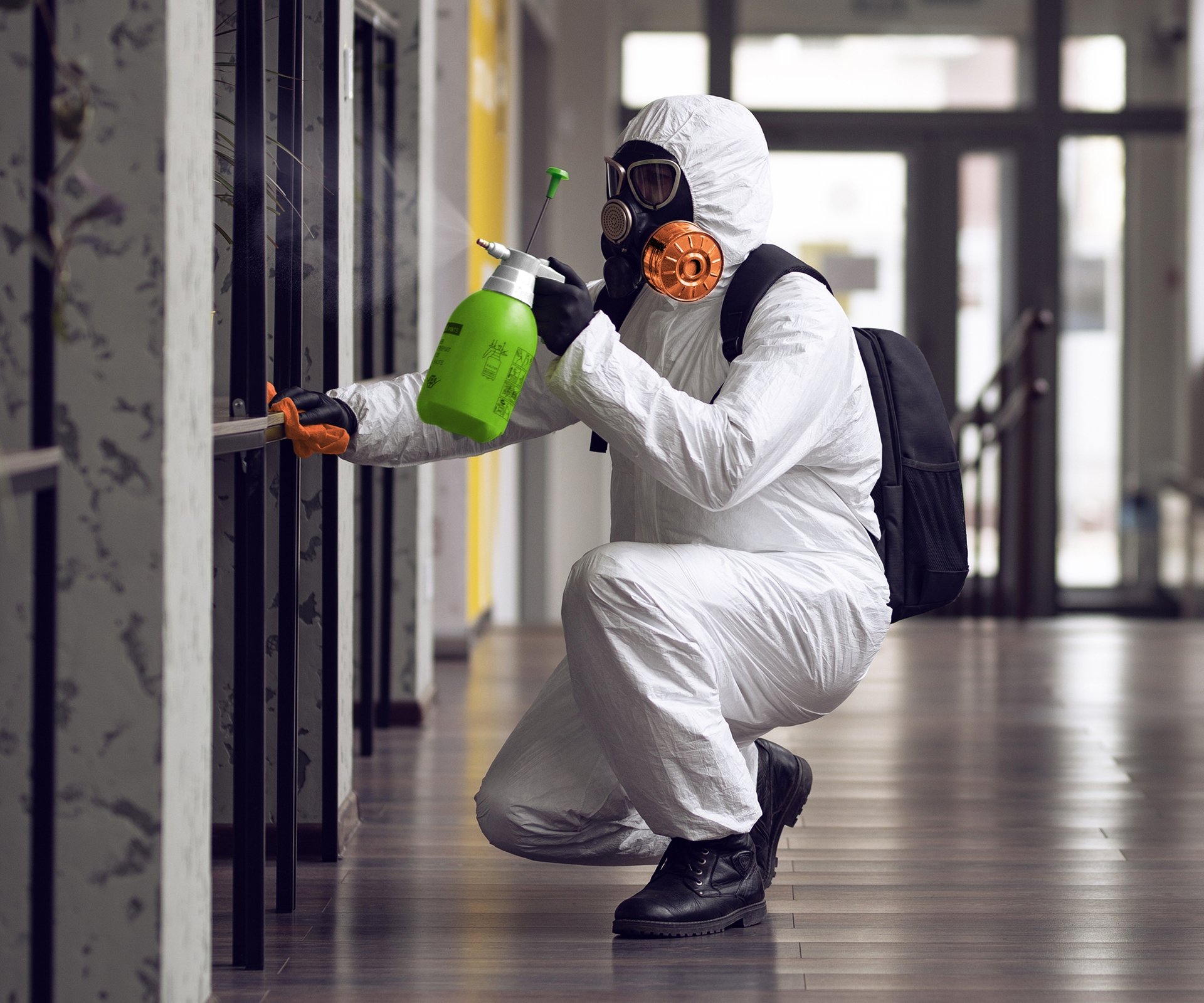
During the remediation process, safety is paramount. Technicians must wear PPE, including full-body Tyvek suits, gloves, and N95 or P100 respirators. This protection is necessary because the act of cleaning mold releases a high concentration of spores and potentially mycotoxins into the air.
Legal and Medical Disclaimer: This information is for educational purposes. If you suspect health issues related to mold, consult a medical professional. For legal disputes regarding mold in rental properties, consult local housing statutes or a qualified attorney.
Common Mistakes in DIY Mold Removal
Many property owners attempt to handle mold themselves to save money, often leading to more expensive professional interventions later. One of the most common mistakes is the use of bleach on porous surfaces. While bleach can kill surface mold on tile or glass, the water in the bleach solution can actually soak into drywall and wood, feeding the mold "roots" and causing it to return more aggressively.
Another common error is using a standard household vacuum to clean up mold. Standard vacuums do not have the filtration capacity to trap microscopic spores; instead, they pull the spores in and blow them back out through the exhaust, effectively "seeding" the entire house with mold. Only industrial HEPA vacuums, which are certified to trap 99.97% of particles down to 0.3 microns, should be used.
Finally, ignoring the source of the water is a recipe for failure. No amount of cleaning or expensive antimicrobial paint will stop mold if a pipe is still leaking or if a basement is inadequately ventilated. Professional "all pro" remediation focuses on "Source Control" as the primary objective.
Frequently Asked Questions
Can I stay in my home during mold remediation?
In many cases, yes, provided the affected area is properly sealed off with professional containment. However, if the remediation involves the HVAC system or if the mold is present in multiple common areas, it may be safer to vacate the premises for a few days to avoid noise, odors, and potential exposure.
Does homeowners insurance cover all pro mold remediation?
Coverage depends entirely on the "cause of loss." If the mold resulted from a sudden and accidental water discharge (like a burst pipe), insurance often covers the remediation. If the mold resulted from long-term neglect, lack of maintenance, or a flood (which requires separate flood insurance), it is typically not covered. Review your policy for "Mold Limitation" endorsements.
How long does the remediation process usually take?
A standard mold remediation project takes between three to five days. This includes a day for setup and containment, one to two days for removal and cleaning, and 24 to 48 hours for structural drying and final air scrubbing.
What is the difference between mold "removal" and "remediation"?
"Removal" is the physical act of taking moldy material out. "Remediation" is the broader process of returning the environment to a "Condition 1" (normal) status. Remediation includes identifying the source, containing the area, removing the mold, and verifying that the air quality is safe.
Is professional mold remediation permanent?
Remediation is permanent as long as the moisture problem does not return. Mold spores are present everywhere in the natural environment; they only grow indoors when they find water. If you keep the indoor relative humidity below 50% and fix leaks immediately, the mold will not return.
Next Steps for Property Owners
If you suspect a mold problem, the first step is to stop the moisture source. Once the leak is contained, contact a certified professional to perform a moisture assessment. Avoid disturbing the mold or attempting to clean it with a vacuum, as this can worsen the contamination. Request a written remediation plan that adheres to the IICRC S520 standards and ensure that all work is verified by independent testing before final payment is made. Taking these "all pro" steps will protect both your property's value and your family's health.